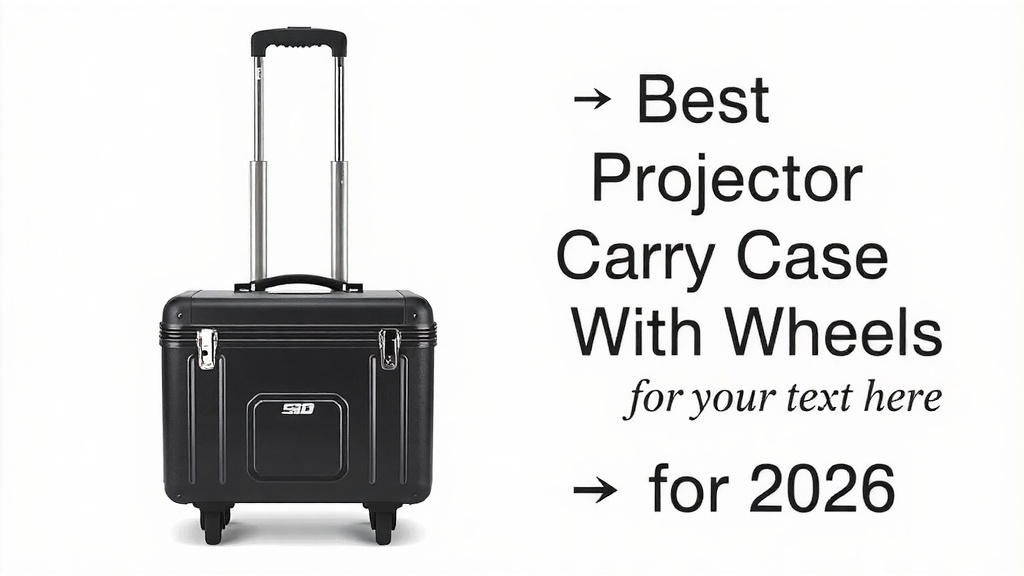
Best Projector Carry Cases With Wheels for 2026
Yes, a projector carry case with wheels is a smart purchase if you haul your projector between meetings, classrooms, or gigs. It saves your back and keeps your expensive gear safe from bumps and drops. You get the convenience of a rolling bag with the padded protection your projector needs.
We found that these wheeled cases come in different sizes and styles to fit everything from small pico projectors to large venue models. Most have thick padding, a retractable handle, and smooth wheels that glide over carpet and tile. They often include extra pockets for cables, remotes, and spare bulbs, too.
- Yes, wheeled projector cases are worth it if you travel with your gear often.
- Measure your projector first—cases are sized by interior length, not brand.
- Look for hard shells for maximum protection or soft cases for lighter weight.
- Check the weight limit—you don’t want to overload the wheels and handle.
- Extra pockets matter for keeping cables and accessories organized.
Below, we break down the best types of wheeled projector cases, what to look for, and how to pick the right size for your setup.
Choosing a Wheeled Projector Case That Fits Your Gear
You want a case that keeps your projector safe without turning into a wrestling match every time you travel. We found that the best approach starts with measuring your actual equipment. Grab a tape measure and check the projector’s width, height, and depth first.
Don’t trust the brand name on the box. We found that different manufacturers label their sizes differently. A case made for one brand might fit another just fine, or it might be way too tight. The interior dimensions are what really matter.
Hard Shell Versus Soft Shell Protection
Think about where you travel most. Are you hopping on planes and trains, or just rolling from your car into an office? Hard shells offer the strongest impact resistance for rough handling. Soft shells are lighter and easier to squeeze into tight trunk spaces.
We found that many road warriors prefer hard cases for checked luggage. Meanwhile, presenters who drive locally often choose soft cases for the extra pockets and flexibility. Your travel style should guide this choice.
Hard Cases for Maximum Bounce Protection
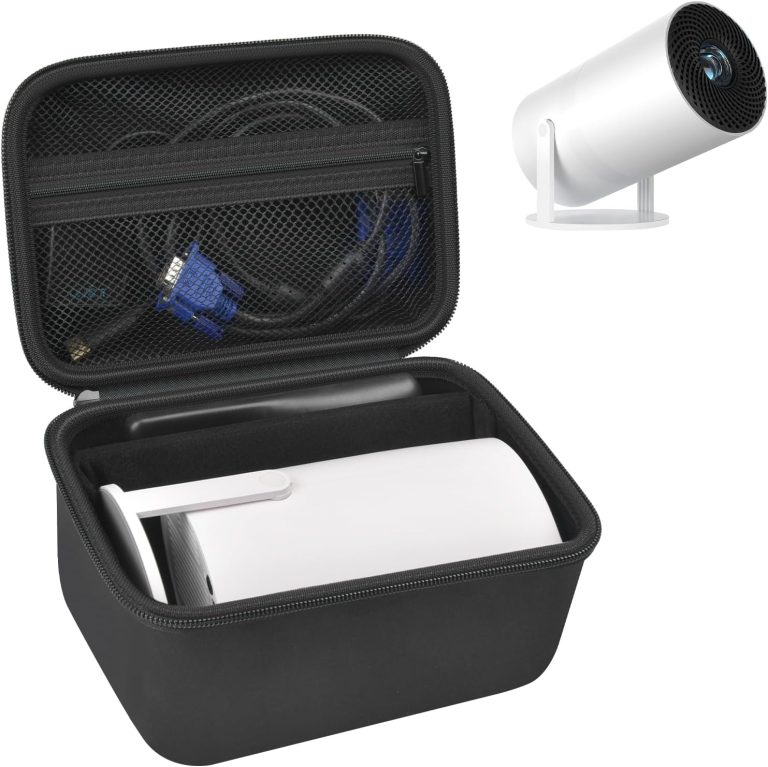
Hard cases usually feature a rigid exterior with thick foam inside. The foam holds your projector snugly in place, so it won’t shift around when you roll over bumps. Some models even include custom-cut foam inserts for a perfect fit.
Just remember that hard cases are heavier. You trade a little portability for peace of mind. Many users we spoke with say the extra weight is worth it when they see how well their gear survives baggage handlers.
Soft Cases for Everyday Convenience
Soft cases typically weigh less and offer more external pockets. You can store cables, adapters, and remote controls in outside compartments. This keeps everything in one place while you roll through the lobby.
The trade-off is less rigid protection. If you drop a soft case from a table, the padding absorbs some shock, but the projector can still feel the impact. For light travel on smooth surfaces, this works fine.
What to Look For in a Rolling Projector Bag
Not all wheeled cases are created equal. We found that a few key features separate the good ones from the frustrating ones. Pay attention to the wheels, handle, and internal padding when comparing options.
Wheel Quality and Maneuverability
You want wheels that glide, not drag. Look for smooth-rolling wheels made from soft rubber or polyurethane. These handle carpet, tile, and even uneven sidewalks without catching. Hard plastic wheels can wobble and make noise on smooth floors.
We found that cases with two wheels are easier to pull behind you, while four-wheel spinner cases roll alongside you. Spinners are great for airports but can roll away on slopes. Choose what feels natural for your travel routine.
Handle Design and Telescoping Action
The handle should extend and retract smoothly. A handle that sticks or wobbles gets annoying fast. Look for one that locks into place at multiple heights, especially if you’re tall or short.
Also check how the handle attaches to the case. We found that handles riveted to the frame last longer than those screwed into thin plastic. A flimsy handle can break mid-trip, leaving you stuck carrying the case by the strap.
Interior Padding and Straps
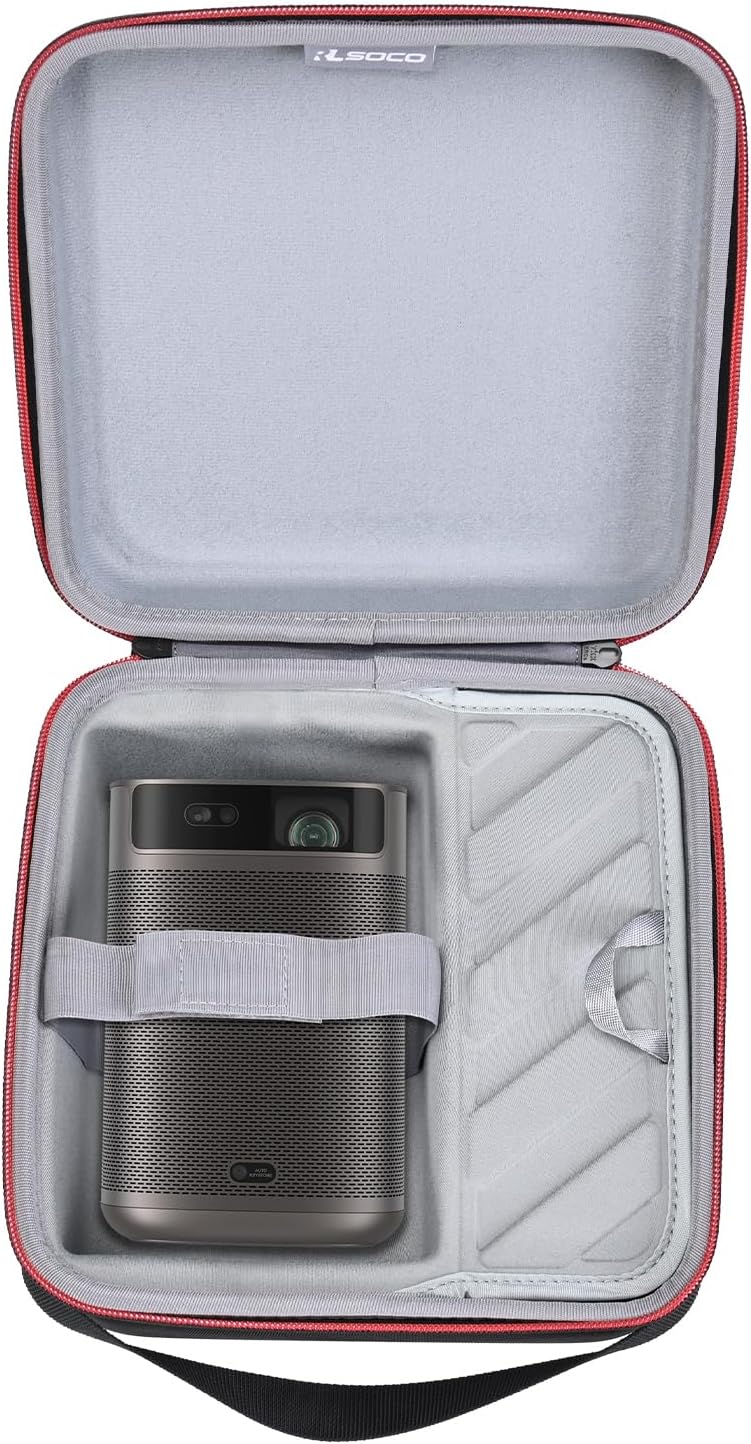
Thick foam padding matters, but internal straps matter just as much. Straps hold your projector in place so it doesn’t slide around during transit. Even with great foam, a loose projector can bounce against the case walls.
We recommend cases with adjustable straps and removable dividers. This lets you customize the interior for different devices, from a small portable projector to a larger venue model with extra lens attachments.
Getting the Right Size for Your Projector Setup
Size is the most common mistake people make. You need a case that fits your projector and leaves a little room for padding. We found that the projector should sit with at least an inch of foam on every side.
Measure your projector’s length, width, and height. Then add two inches to each dimension to account for padding. That gives you the minimum interior size you need in a case.
Small Portable Projectors and Pico Models
These tiny projectors are easy to handle, but they still need protection. A smaller wheeled case keeps everything compact. Many of these cases have interior pockets sized for the power brick and HDMI cables.
We found that pico projectors can sometimes fit in large camera roller bags if you need an alternative. Just make sure the interior padding is thick enough. Your tiny projector deserves the same care as the big ones. For smaller projectors, our review of a popular mini projector case covers the details.
Mid-Size and Standard Projectors
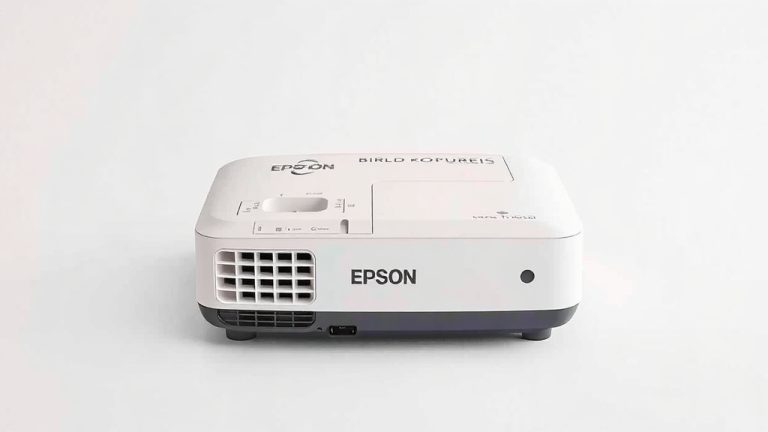
Most classroom and conference room projectors fall into this category. You’ll want a case between 15 and 20 inches long. These cases often have enough room for extra cables, a backup bulb, and maybe a small universal remote.
We found that mid-size cases balance portability and storage space well. You can roll through hallways without knocking into doorframes and still have room for accessories. Plus, these cases stay light enough to lift into an overhead bin.
Large Venue and Cinema Projectors
Big projectors are heavy and fragile. You absolutely want a case with strong wheels and a sturdy handle. These cases are bigger and heavier, but that’s the price of protecting expensive optical gear.
Check the weight rating on any case you consider. We found that some large cases handle up to 50 pounds, while others top out around 30. Match the rating to your projector’s actual weight plus your accessories.
Organizing Cables and Accessories Inside Your Case
Messy cables can damage connectors and waste time. You’ll want a case with dedicated pockets and compartments. We found that cases with removable pouches make setup easier, since you can grab just the cables you need without digging.
Look for features like zippered mesh pockets, elastic loops, and a padded laptop sleeve. These small touches keep everything organized and reduce the chance of losing small items like lens caps or adapter plugs.
Protecting Spare Bulbs and Lenses
Projector bulbs are delicate and expensive. If you carry spares, they need their own padded slot. Many wheeled cases include a dedicated bulb compartment built into the foam. That’s a feature worth hunting for.
Lenses also need care. Some cases have inserts that cradle the lens, keeping it from scratching against other gear. We found that cases cut for specific lens shapes offer the best protection for long-term use.
Where People Use Wheeled Projector Cases Most
Your travel habits shape the kind of case you should buy. We found that different settings call for different features. Let’s break down the most common scenarios for using a rolling projector bag.
Business Meetings and Client Presentations
When you present to clients, you want to look professional and arrive ready to go. A wheeled case helps you roll in with confidence, no sweat on your brow. Choose a case that looks polished and clean, not battered and worn.
Many business travelers prefer soft cases with a sleek exterior. They slide easily under conference tables and don’t scream “heavy equipment.” The extra pockets keep your laptop, clicker, and cables organized for a quick setup. For extra security, see our guide on choosing a lockable projector carry case.
Classrooms and University Lectures
Teachers move between rooms constantly. A wheeled case makes that easy. You can roll your projector down the hall without straining your back. The right case holds everything you need for a day of lectures.
We found that educators often choose cases with a top handle and a shoulder strap as backup. This gives you options if the wheels get caught on stairs or tight corners. A case that offers multiple carry styles is a real time-saver.
Traveling Consultants and Field Workers
Consultants visit different offices, sometimes in different cities. A durable case with strong wheels is a must. You’ll likely check it as luggage or load it into a company car, so you want a case that can take some abuse.
Hard cases with reinforced corners and heavy-duty zippers tend to outlast soft cases in this role. We also found that cases with TSA-approved locks are handy for travel. You can secure your gear without worrying about agents breaking the lock.
Comparing Popular Wheeled Case Styles
We put together a quick comparison to help you see the differences at a glance. Remember, the right choice depends on your specific gear and travel habits.
| Feature | Hard Shell Case | Soft Shell Case |
|---|---|---|
| Protection level | Maximum impact resistance | Good for light bumps |
| Weight | Heavier, adds bulk | Lighter, easier to lift |
| Pockets and storage | Minimal external pockets | Many compartments |
| Typical use | Air travel, checked bags | Local travel, short trips |
| Custom foam options | Often available | Rarely offered |
| Interior straps | Common | Sometimes included |
We found that many people eventually own both case styles. A hard case for big trips, and a soft case for quick local jobs. That way you’re always prepared, no matter where the projector needs to go.
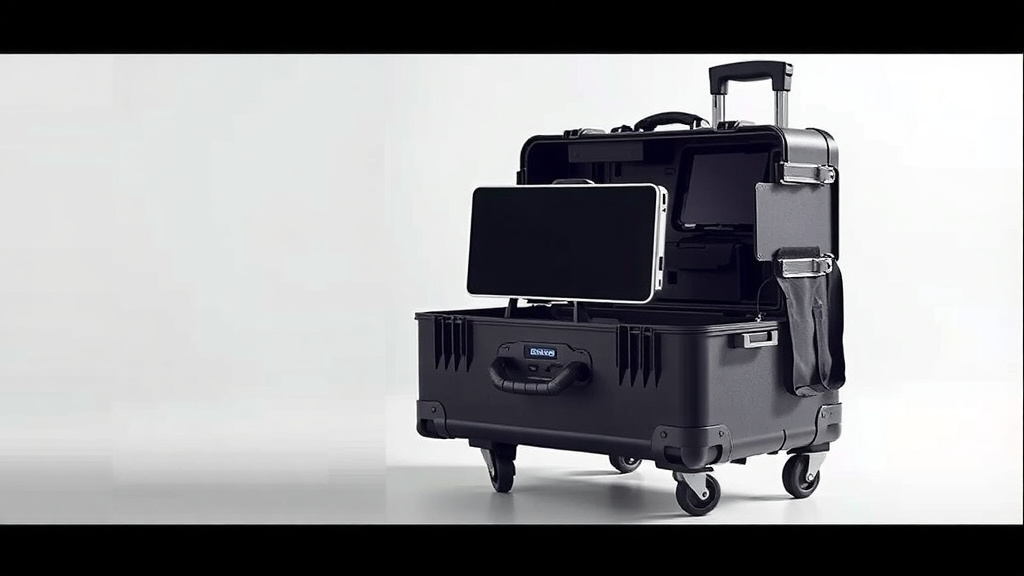
Weight Limits and Wheel Durability You Should Know About
Every wheeled case has a weight limit. Exceeding it can bend the handle or snap a wheel. We found that you should always check the manufacturer’s rating before loading up your gear.
A good rule of thumb is to keep the total weight under the case’s listed limit. If the case says it holds 40 pounds, aim for 35 or less. This leaves a buffer for stress and keeps the wheels rolling smoothly for years.
Signs Your Case Wheels Are Wearing Out
Wheels wear down over time, just like tires on a car. You might notice the case pulling to one side or making a scraping sound. The rubber can also crack or flatten, especially if you roll over rough terrain often.
When wheels fail, replacement is usually possible. Some manufacturers sell replacement wheels and hardware. We found that checking your wheels every few months catches problems early, before a wheel breaks mid-trip.
Picking the Right Case for Your Specific Projector Model
Brand-specific cases exist, but they aren’t always necessary. Many universal cases fit most projectors on the market. However, we found that brand-made cases offer the best fit for unusual shapes, like projectors with protruding lens barrels.
If you own a popular model from a major brand, check for a matching case. The manufacturer already knows the exact dimensions and lens shape. This saves you the guesswork and ensures a snug fit from day one.
Measuring Your Projector Correctly
Use a tape measure to get the width, depth, and height in inches. Write these numbers down. Then measure again to double-check. It sounds simple, but a mistake here can ruin your purchase.
Also measure the space around the projector, including any attached brackets or protruding lenses. We recommend accounting for these extras before ordering a case. You don’t want to unbox your new case to find it’s too shallow.
Budgeting for a Wheeled Projector Case That Lasts
Cheap cases save money upfront but fail fast. A broken wheel or a snapped handle means buying a replacement sooner. We found that a mid-range case usually offers the best value for regular travelers.
Set a budget based on how often you use your projector. Weekly travelers should invest more. Occasional users can go with a lighter-duty case. You want a case that protects your expensive projector, not one that risks it.
Warranty and Build Quality Red Flags
Look for cases with at least a one-year warranty. This shows the manufacturer stands behind the product. Avoid cases with thin, flimsy zippers or plastic wheels that feel brittle to the touch.
Check the seams and stitching on soft cases. Double-stitched seams are a good sign. We also recommend testing the zipper several times before buying, since a defective zipper ruins an otherwise good case.
Your Wheeled Projector Case Prep Checklist
Before you order, run through this
Conclusion
You don’t need to risk your back or your projector’s safety every time you head to a meeting or classroom. A wheeled case gives you smooth rolling convenience and solid protection in one package. The key is matching the case to your gear, your travel style, and your budget.
Take a few minutes to measure your projector, think about where you roll it most, and decide between hard or soft shell protection. You’ll feel the difference the first time you glide through a lobby without breaking a sweat. Your projector stays safe, and you arrive ready to present.
Your next step is simple: grab your tape measure, jot down those dimensions, and start comparing cases that fit your setup. Your back will thank you.
Frequently Asked Questions
Can I check a wheeled projector case as airline luggage?
Yes, you can, but you need to check the airline’s size and weight limits first. Hard shell cases with reinforced corners are the safest choice for checked baggage. Just make sure you remove any loose items like spare bulbs and pack them securely inside the foam.
Will a rolling projector case fit under an airplane seat?
Most wheeled projector cases are too tall to fit under a standard airplane seat. You’ll likely need to place it in the overhead bin instead. Check the case’s dimensions against your airline’s carry-on restrictions before you book your flight.
How do I clean the wheels on my projector case?
You can wipe down the wheels with a damp cloth to remove dirt and debris. Use a small brush to clear tangled hair or threads from the wheel axles. A little silicone spray on the wheel bearings keeps them rolling smoothly.
What if my projector is between sizes for a wheeled case?
We recommend sizing up rather than squeezing your projector into a tight fit. Extra foam padding easily fills the gap and gives your gear more shock absorption. A slightly larger case also leaves room for cables and accessories.
Can I use a camera roller bag for my projector instead?
You can use a camera roller bag if the interior padding is thick enough and the dimensions fit your projector. Many camera bags have adjustable dividers that work well for smaller projectors. Just verify the weight limit can handle your projector’s weight plus your accessories.