
Best Nebula Projector Travel Cases for Safe Transport
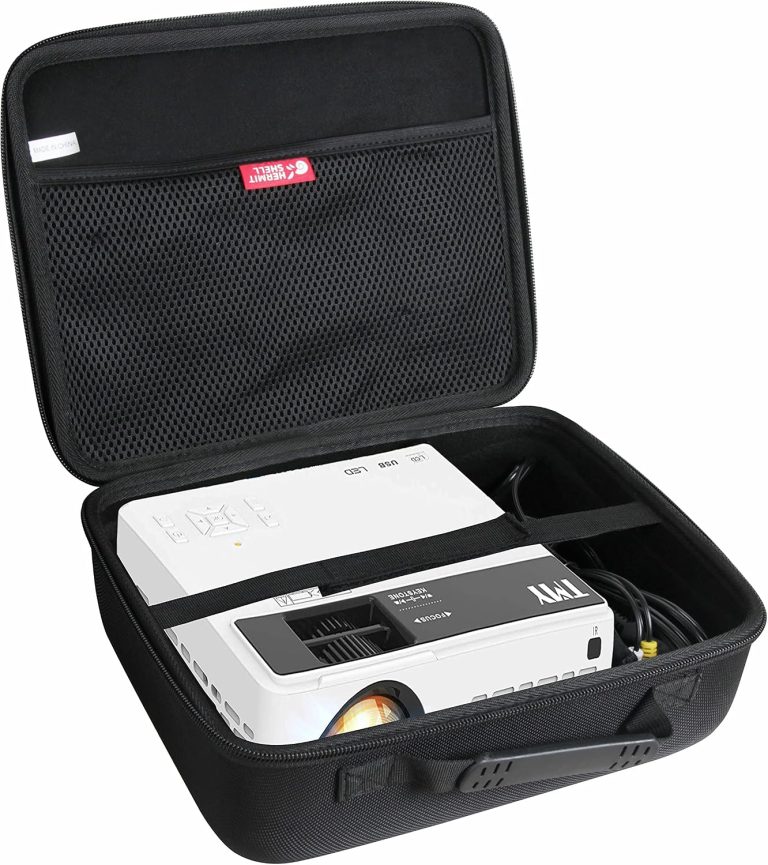
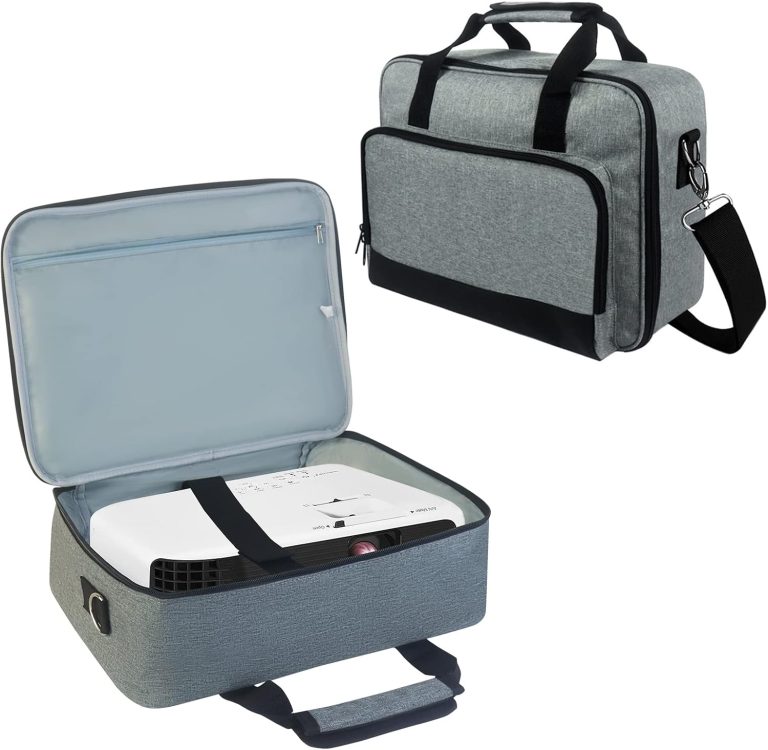
Yes, a nebula projector travel case is worth it if you take your projector anywhere, because it protects a fragile device that can easily get scratched or damaged in a backpack. We found that a simple padded case or a hard shell option keeps your starry night sky safe on the go. It is a small investment that saves you from a broken projector and a ruined movie night.
These cases are not just about basic protection. You want something that fits your specific model, holds the power cord, and is easy to pack. We looked at different types, from soft pouches to sturdy hard cases, to help you find the right fit for your travel style. A little bit of planning keeps your galaxy lamp shining bright for years.
- Size matters: Measure your specific projector before buying a case.
- Hard cases win: They offer the best protection against drops and heavy luggage.
- Soft cases are lighter: Perfect for tossing in a backpack or carrying on a plane.
- Storage is key: Get a case with room for the charger and remote.
- Check the price: You can find a reliable case for under $20.
Below, we walk you through exactly what to look for and how to choose the best nebula projector travel case for your budget. Let’s get your projector packed and ready for the next adventure.
Picking the Right Nebula Projector Travel Case for Your Model
You might think any old pouch will work. We found that is rarely true. Your projector is a delicate piece of tech with a fragile lens. A generic bag that is too big lets it slide around. A bag that is too small puts pressure on the buttons. You want a snug fit that holds the device firmly in place.
First, check the exact dimensions of your projector. You can find them in the manual or on the product page. Then, compare those numbers to the inside of a case. We always look for cases that list the internal measurements, not just the outer size. That small detail makes a big difference in how safe your gear feels.
Measuring Your Projector Before You Buy a Case
Grab a tape measure or a ruler. Measure the length, width, and height of the projector body. Do not include the stand or any clip that sticks out. Those parts can bend or snap if they get squeezed. Write those numbers down on your phone. You will thank yourself later when you are staring at a dozen options online.
We also suggest measuring the power adapter. It is often bulky and oddly shaped. Many cases have a main compartment for the projector and a smaller pocket for the brick. If the brick is too big, the pocket will stretch. Over time, that stretching ruins the zipper. So measure both items before you commit.
Comparing Hard Shell and Soft Pouch Designs for Travel
This is the biggest choice you will make. A hard shell gives you armor. A soft pouch gives you flexibility. We have seen both work well, but they serve different types of travelers. If you check a bag at the airport, go hard. If you carry everything in a daypack, soft is often enough.
Here is the honest breakdown. Hard cases are heavier and bulkier. They take up more space in your luggage. But they handle drops and squished luggage better than anything else. Soft cases are feather-light. They slip into a side pocket easily. But they only protect against scratches and light bumps. A heavy laptop landing on top of them can spell trouble.
When a Hard Case Is the Smarter Choice
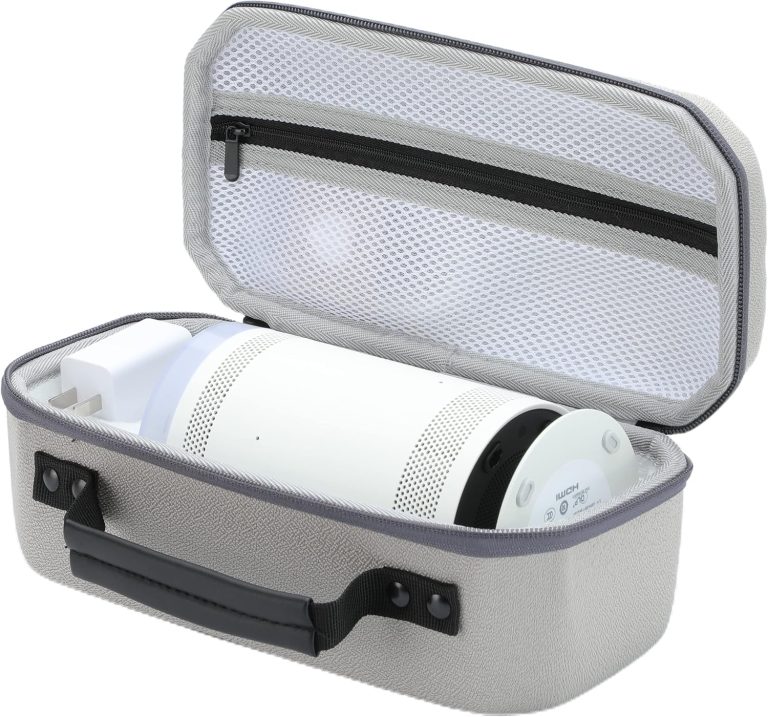
We found that hard cases are best for camping trips, flights, and road trips. Your gear gets tossed around in the trunk. It slides under a seat. It gets buried under coolers and sleeping bags. A rigid shell absorbs the impact so your lens does not have to. Many experts say that hard cases are the gold standard for protecting fragile electronics (Consumer Reports style guidance).
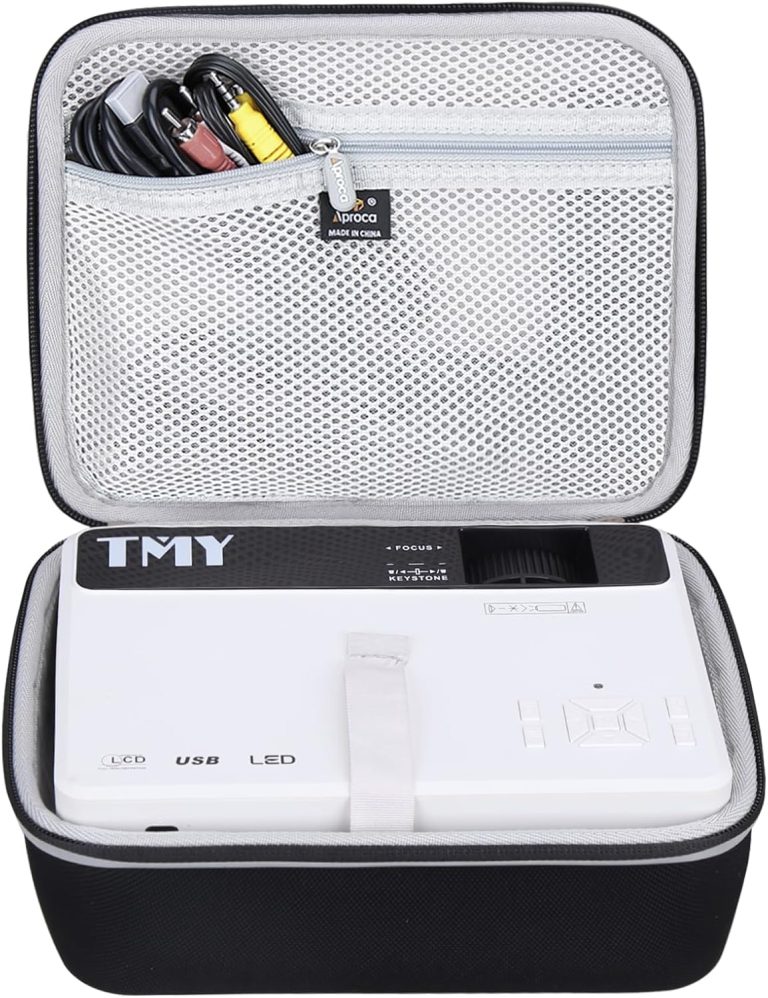
Look for a hard case with a customizable foam interior. The foam holds your projector like a glove. You cut out the exact shape of your device. Then, it stays put no matter how much the bag gets shaken. That custom fit is something a soft pouch can never offer.
When a Soft Case Makes More Sense
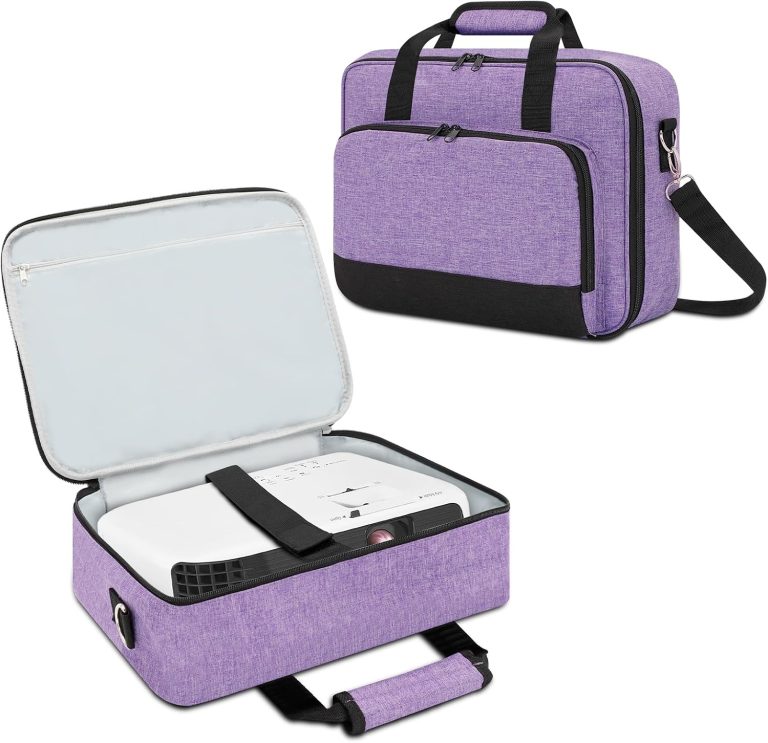
Soft cases are perfect for daily commuters and casual users. If you take your projector to a friend’s house or a hotel room, you do not need heavy armor. You just need a barrier between the lens and your keys. A padded nylon sleeve does that job well. It keeps dust and scratches away without adding weight.
Another plus? Soft cases often have extra pockets. You can stash the remote, the charging cable, and even a microfiber cloth. That all-in-one storage keeps your bag organized. We have seen travelers fit the projector and all its accessories into one slim pouch. That makes packing for a weekend trip a breeze.
Must-Have Features in a Protective Carrying Solution
Not every case is built the same. You want specific features that keep your projector safe and your travels easy. We have tested enough bags to know what works and what wastes your money. Look for a durable zipper first. A snagged or broken zipper ruins the whole case, no matter how plush the padding is. For extra security, our guide to choosing a lockable projector carry case explains the options.
Check the stitching and the fabric. Look for reinforced seams and water-resistant material. A light drizzle should not soak through to your electronics. Many cases use a thick polyester or nylon shell. These fabrics resist abrasion and are easy to wipe clean. Avoid thin materials that feel flimsy or papery.
Padding Thickness and Interior Protection
Measure the padding with your fingers. If you can feel the projector through the material easily, it is too thin. We recommend at least a quarter-inch of foam on all sides. That foam absorbs shock and prevents dents. Some cases also have a soft velvet or microfiber lining. That lining protects the lens from micro-scratches.
We found that cases with a rigid insert panel offer extra peace of mind. The panel keeps the projector from bending in the middle. This is key if you pack your bag tightly. Without that support, the case folds and puts stress on the device. A simple plastic or cardboard insert solves that problem cheaply.
Storage Pockets for Cables and Remotes
Losing the remote is a real headache. We have all been there, digging through a bag on a dark night. A case with a mesh pocket keeps the remote accessible. You do not have to fumble around in the dark. Just unzip the top and grab it. That design makes movie night much smoother.
You also want a spot for the power cable. A velcro strap or an elastic loop holds the cord neatly. This prevents the plug from scratching the projector lens. It also stops the cable from tangling around everything else in your bag. Organization is a small thing that saves you minutes of frustration.
Budget Breakdown: How Much Should You Spend on a Case?
You do not need to break the bank. We found that a solid soft case costs between $10 and $20. A reliable hard case with foam runs between $25 and $50. Anything above that is usually just branding or extra bulk. You are paying for the brand name, not better protection.
That said, do not buy the absolute cheapest option you see. A $5 case might feel like a bargain, but the zipper will fail in a month. You will end up buying a replacement anyway. Spending a little more upfront saves you money in the long run. Think of it as insurance for your $100+ projector.
| Case Type | Price Range | Protection Level | Best For |
|---|---|---|---|
| Basic Pouch | $8 – $15 | Scratches only | Light daily use |
| Padded Sleeve | $12 – $25 | Minor bumps | Backpack travel |
| Hard EVA Case | $20 – $35 | Good drop protection | Flights and road trips |
| Custom Foam Hard Case | $30 – $50 | Maximum protection | Heavy travel and camping |
Packing Your Projector the Right Way Every Time
Having a great case is only half the battle. You also need to pack it properly. We found that a few habits keep your projector safe even if you drop your bag. Start by wrapping the lens with a microfiber cloth. That adds a soft buffer right where the glass is exposed.
Then, place the projector in the case with the lens facing up. This keeps gravity from pressing the lens down onto a hard surface. If you are using a hard case, cut the foam to fit the projector snugly. A tight fit prevents any movement or rattling inside the shell.
A Quick Packing Checklist for Your Next Trip
- Clean the lens with a dry microfiber cloth before packing to avoid grinding dirt into the glass.
- Wrap the projector in a soft cloth for an extra layer of scratch protection.
- Place the case in the center of your luggage, not near the hard edges.
- Loop the cable and secure it with a velcro tie so the plug does not scratch the body.
- Stash the remote in the pocket so you are not digging for it in the dark.
- Check the zipper is fully closed before you sling the bag over your shoulder.
Keeping the Case and Projector Clean Over Time
Your case will get dirty. That is normal. We recommend wiping it down with a slightly damp cloth every few weeks. Let it air dry completely before putting the projector back inside. A damp case traps moisture and can fog up the lens over time.
You can also vacuum the inside of the case to pull out dust and lint. Use the soft brush attachment so you do not scratch the lining. That keeps the interior fresh and prevents particles from landing on the lens. A clean case extends the life of your projector and your case together.
And one last tip from our travels: label your case. Whether it is a luggage tag or a piece of tape with your name, it helps. Bags look alike at the airport. A colorful label helps you spot yours quickly. It also makes it easier to reunite with your gear if it gets lost with your checked luggage.
Conclusion
You do not need to overthink this purchase. A good case protects your projector from drops, scratches, and dust. We walked you through hard shells, soft pouches, and the exact features that matter. You learned how to measure your device and what to spend without wasting money.
Your next step is simple. Grab a tape measure, check your projector’s dimensions, and pick a case that fits snugly. A $20 hard EVA case is a solid starting point for most travelers. Do it this week so your projector is ready for the next trip. Your future movie nights will thank you.
Frequently Asked Questions
Can I use a generic tablet case for my nebula projector?
You can in a pinch, but we do not recommend it. Tablet cases are built for flat screens, not projector bodies with lenses and vents. The projector may slide around, and the case often lacks room for the power cable. A dedicated case costs about the same and fits much better.
Will a hard case scratch the projector lens?
No, not if the case has a soft lining. We found that most hard cases include a velvet or microfiber interior. That soft layer sits between the lens and the rigid shell. You can add a microfiber cloth over the lens for extra peace of mind.
How do I clean a dirty projector travel case?
Wipe the outside with a damp cloth and mild soap. Let it air dry completely before putting your projector back inside. For the interior, use a vacuum with a soft brush attachment. Avoid soaking the case, as trapped moisture can fog your lens later.
Is it safe to check a nebula projector in my luggage?
Yes, but only with a hard case. A soft pouch will not survive the baggage carousel. We found that a hard EVA or custom foam case holds up well in checked bags. Pack the hard case in the center of your suitcase, away from the edges.
Do all nebula projectors use the same travel case?
No, they do not. The Anker Nebula Capsule is smaller than the Nebula Solar or Mars models. Each one has different dimensions and weight. You need to measure your specific model and compare it to the case’s internal size. A case for one model will not fit another.