Best Epson Projector Carry Cases for Safe Travel in 2026
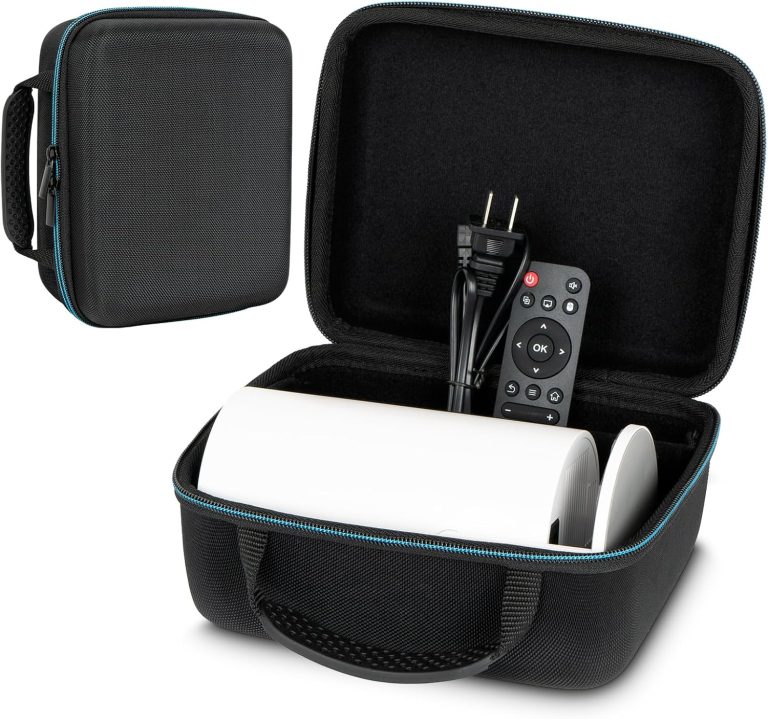
Yes, you need a carry case for your Epson projector if you want to keep it safe from bumps, dust, and accidental drops. A good case is the simplest way to protect your investment, especially if you move your projector between rooms or take it on the road. We found that a padded, snug-fitting bag is the best choice for most people. For a closer look at top-rated options, our guide to the best projector bags compares the leading models side by side.
Epson projectors are built to last, but they are still delicate electronics with sensitive lenses and internal parts. Carrying one loose in a backpack or tote bag is a fast track to scratches or a costly repair. The right case offers cushioning against impact and a secure place for cables and remotes. This keeps everything organized and ready to go for movie nights, presentations, or backyard screenings.
- Hard cases offer the most protection for travel and checked baggage.
- Soft padded cases are lightweight and perfect for daily commutes.
- Always match the case to your specific Epson model for a secure fit.
- Look for interior padding and a sturdy zipper for long-term durability.
- Measure your projector before buying to avoid a loose or tight fit.
Below, we break down the different types of cases, what to look for, and how to pick the perfect one for your Epson projector.
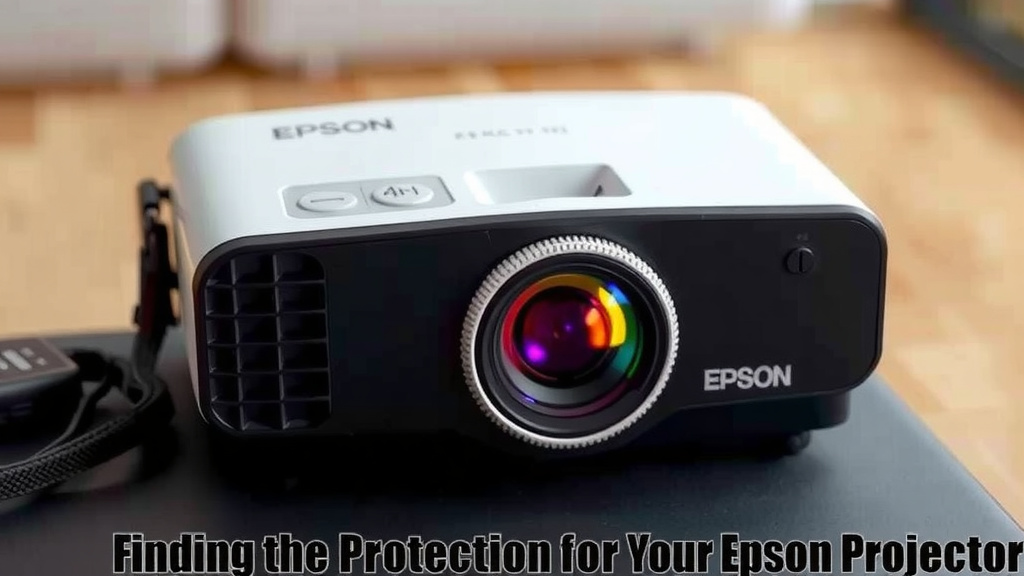
Finding the Right Protection for Your Epson Projector
You don’t need to be a tech wizard to keep your projector safe. The right case does the heavy lifting for you. We found that most people just need a simple, padded bag that fits well.
The goal is to stop the jostling, dust, and spills that ruin sensitive gear. Let’s look at how to match a case to your specific projector model and your routine.
Why a Generic Bag Won’t Cut It
You might be tempted to toss your projector into an old backpack. We get it; it’s easy. But a loose projector slides around and knocks against other items. That movement can damage the lens mount or the internal color wheel.
Many experts say that a snug fit is the most important feature of any protective case. A generic bag simply doesn’t offer that security. You need a case that holds the projector firmly in place with no wiggle room.
The Risk of Impact and Pressure
Think about what happens when you set the bag down on a table. You don’t drop it hard, but the internal components still feel the shock. Over time, this adds up. A padded case absorbs that shock so your Epson stays aligned and sharp.
Pressure is another issue. If you stack books or a laptop on top of a soft bag, the weight presses down on the casing. This can crack the plastic shell or push the buttons. Hard cases resist that pressure much better.
Matching the Case to Your Epson Model
Epson makes dozens of projector models. Each one has a different size and shape. A case for a tiny portable unit won’t fit a large home theater model. You have to check the dimensions before you buy.
The easiest way to get a perfect fit is to search for a case made for your exact model number. Many brands like Case Club or AmazonBasics build specific bags for popular Epson lines. That removes the guesswork for you.
Measuring Your Projector for a Custom Fit
If you can’t find a model-specific case, grab a tape measure. We found that measuring the width, depth, and height of your projector takes less than two minutes. Write those numbers down and compare them to the case’s interior dimensions.
You want the interior to be slightly larger than your projector. About half an inch of extra space is perfect. That leaves room for padding but still keeps things snug. Too much extra space means the projector will slide around inside.
Checking the Interior Layout
Look inside the case before you buy. A flat, empty interior is fine, but it’s not ideal. The best cases have removable foam dividers. These let you customize the fit around the projector’s shape.
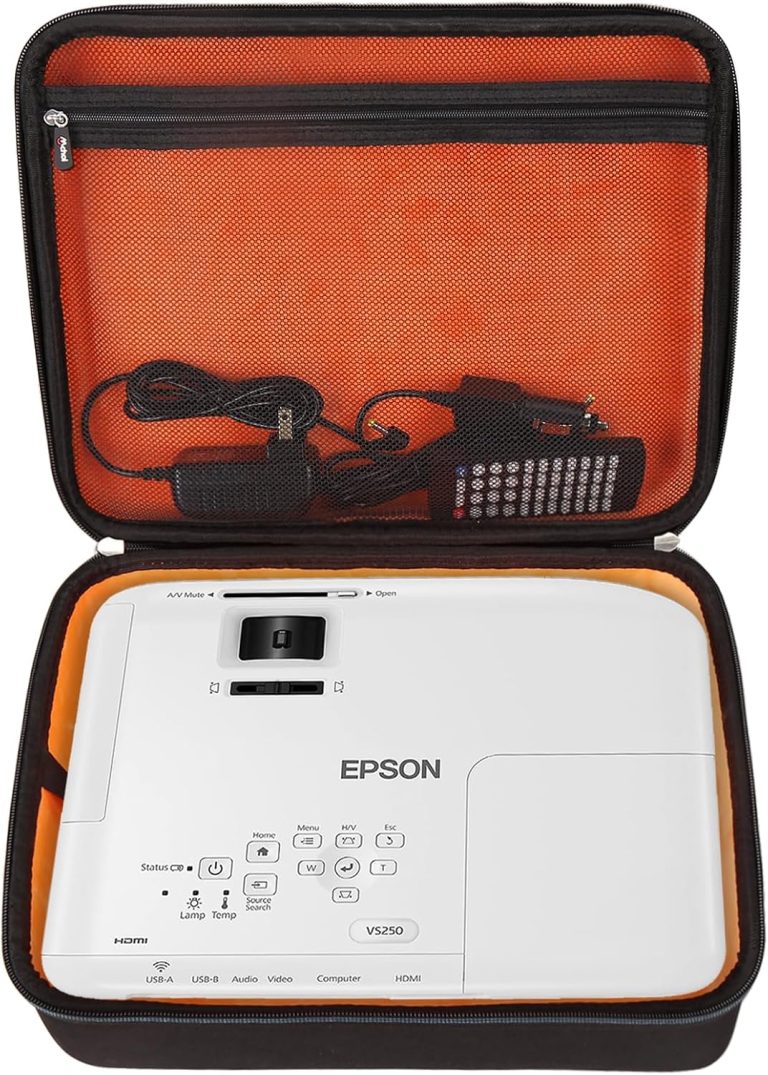
Some cases also have a separate pocket or flap for the remote. This is a nice touch. It keeps the remote from scratching the lens. You’ll also want a spot for the power cable, so it doesn’t get tangled with the projector body.
Hard Cases vs. Soft Padded Bags
This is the big decision you have to make. Both options work, but they serve different purposes. We found that your travel habits usually dictate which one is better for you.
Think about where the projector will spend most of its time. Is it staying at home or heading to client sites? Your answer will point you toward the right style.
| Feature | Hard Case | Soft Padded Bag |
|---|---|---|
| Impact Protection | Excellent (rigid shell) | Good (foam padding) |
| Weight | Heavier | Lightweight |
| Water Resistance | Often waterproof | Usually water-resistant |
| Storage Space | Limited, custom foam | Extra pockets for cables |
| Best For | Checked baggage, job sites | Daily commutes, home use |
When to Choose a Hard Case
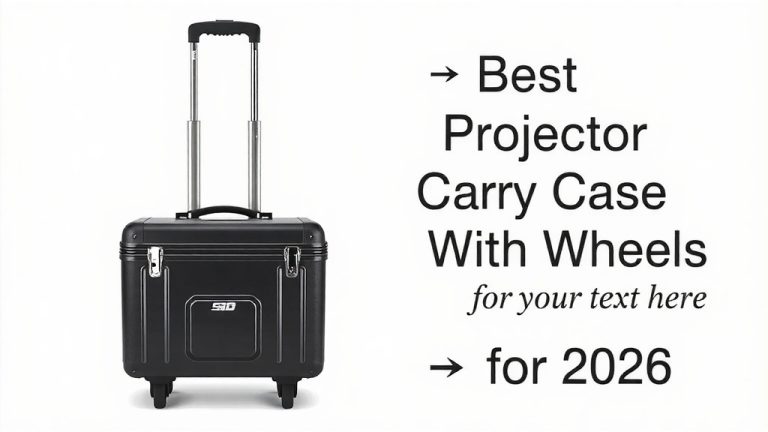
You should pick a hard case if you’re checking your projector on an airplane. Baggage handlers are not gentle. A rigid shell absorbs impacts that would crush a soft bag. Many guidelines point to hard cases as the safest option for travel (Consumer Reports).
Hard cases also work well for outdoor events. They keep out moisture and dust. If you’re setting up a backyard movie night, a hard case can double as a stable platform to set the projector on.
Popular Hard Case Materials
Look for hard cases made from ABS plastic or aluminum. These materials resist cracking and denting. Pelican and SKB are well-known brands that use these materials for their cases.
The latches matter too. You want metal latches that snap shut securely. Plastic latches can break off after a year of use. A good hard case should also have a pressure release valve so it’s safe to fly with. If security is a concern, our guide to choosing a lockable projector carry case explains the key features to look for.
When a Soft Padded Case Makes More Sense
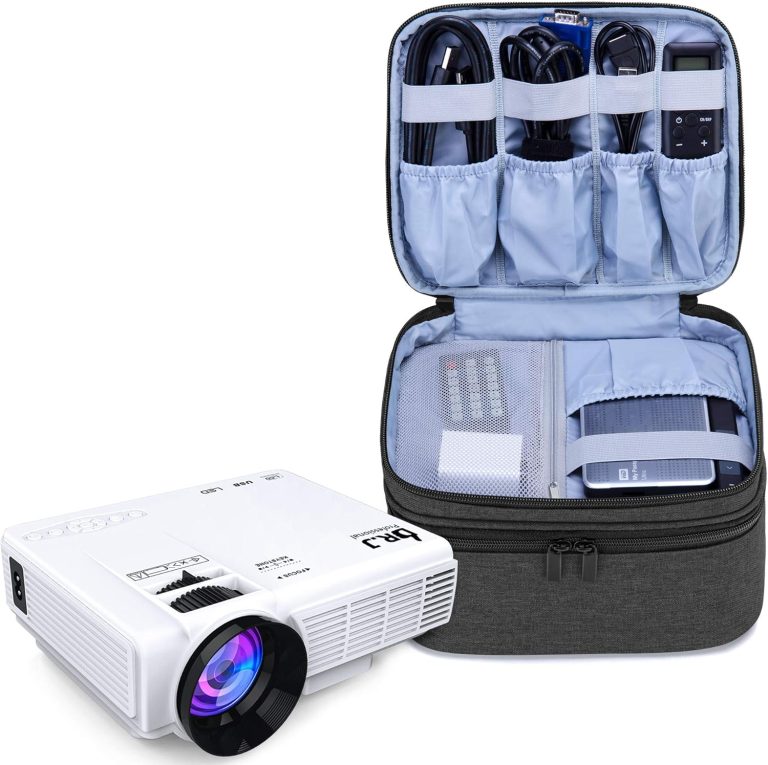
Soft cases are perfect for the daily commute. They weigh less and are easier to carry over your shoulder. If you’re just moving from your office to a conference room, a soft case is more than enough protection.
We found that soft cases are also more forgiving when you need to squeeze them into a car trunk. They flex and mold around other gear. This makes them a great choice for teachers or trainers who move between classrooms.
What to Look for in Padding
Not all padding is equal. You want high-density foam that is at least a quarter-inch thick. Thin fabric linings offer no real protection. Press on the case from the outside; you should not be able to feel the projector through the padding.
Check the seams and zippers. A soft case lives and dies by its zipper quality. Look for heavy-duty zippers with large pulls. These are easier to grip and less likely to jam or break.
Key Features to Prioritize in Any Case
Beyond the hard versus soft debate, there are a few universal features you should look for. These details separate a great case from a frustrating one. We found that these features matter most to regular users.
Always check the handle and strap. A weak handle is a common failure point. Look for reinforced stitching where the handle attaches to the bag. The shoulder strap should have a padded section to spread the weight.
Water Resistance and Weather Protection
You can’t control the weather, but your case can. Look for cases with a water-resistant coating or a rain cover. A sudden downpour while walking to your car should not soak your projector. Most soft cases offer some water resistance, but check the specs.
Hard cases often have a rubber gasket around the lid. This creates a seal that keeps out moisture and dust. This is a huge advantage if you work outdoors or in dusty environments like workshops or garages.
Interior Organization and Pockets
Your projector needs more than just a box. You need to carry the power cable, HDMI cord, and remote. Look for cases with dedicated mesh pockets or zippered compartments. This keeps your accessories from scratching the projector lens.
Some cases even have a small pouch for a lens cleaning cloth. This is a thoughtful feature. It means you always have a way to wipe off smudges before a big presentation.
How to Handle Cables and Accessories
Loose cables are a nightmare. They tangle, they scratch, and they get lost. You need a plan for storing them. We found that wrapping cables in a figure-eight pattern prevents kinks and tangles. This is a simple trick that keeps your bag organized.
Use a small cable organizer or a simple rubber band to keep cords coiled. Some cases come with a separate accessory pouch. If yours doesn’t, a simple zippered pencil case works just fine for storing remotes and cables.
Preventing Lens Scratches
The lens is the most fragile part of your projector. A scratch here ruins your image quality. You need to make sure the case has a soft lining that won’t rub against the glass.
Many cases have a microfiber interior that is gentle on the lens. If your case doesn’t have this, consider using the original lens cap that came with the projector. Always put the cap on before storing the unit in the case.
Keeping the Air Vents Clear
Projectors need airflow to cool down. If you pack the projector while it’s still hot, you could trap heat inside the case. This can warp internal parts. Always let the projector cool for at least 15 minutes before zipping it up.
Check that your case doesn’t press directly against the vent openings. Some tight cases can block airflow even when the projector is off. This is usually fine, but it’s best to ensure the interior has some breathing room around the vents.
Making the Final Decision on Your Case
You have all the information you need now. Look at your projector’s dimensions, think about how you travel, and choose a case that offers real padding. Don’t skimp on quality to save a few dollars.
A high-quality carry case will last for years and protect a device that costs hundreds of dollars. It’s a small price to pay for peace of mind. We found that most users are happiest with a dedicated case made for their specific model.
Quick Checklist Before You Buy
- Measure your projector’s width, depth, and height exactly.
- Check the case’s interior dimensions against your measurements.
- Look for high-density foam padding at least 1/4 inch thick.
- Choose a water-resistant material for unexpected weather.
- Verify the zipper or latches are heavy-duty and reinforced.
- Make sure there’s a separate pocket for the remote and cables.
Take your time with this decision. Read reviews from other Epson owners. Their experiences can guide you toward a reliable brand. With the right case, your projector will stay safe and ready for every movie night and presentation you have planned.
Conclusion
Your Epson projector is an investment. A quality carry case is the cheapest insurance you can buy for it. We’ve walked you through hard cases, soft bags, and all the features that actually matter.
You don’t need the most expensive option on the market. You need a case that fits your projector snugly and matches how you travel. Measure your unit, check the interior padding, and make sure the zippers feel solid.
Take the next step today. Pull out your tape measure, jot down your projector’s dimensions, and start shopping with confidence. Your projector will thank you at the next movie night or client meeting.
Frequently Asked Questions
Can I use a generic laptop bag for my Epson projector?
We don’t recommend it. Laptop bags lack the dense foam padding projectors need. Your projector will slide around and knock against other items in the bag. That movement can damage the lens and internal parts. A dedicated projector case is a much safer choice.
Should I keep my projector in the case while it cools down?
No, always let your projector cool first. Most units need at least 15 minutes to cool down after use. Packing a hot projector traps heat inside the case. This can warp internal components over time. Let it cool, then zip it up.
How do I clean my projector carry case?
You can wipe most cases with a damp cloth and mild soap. Check the care tag first, since materials vary. For soft cases, you can vacuum the interior to remove dust and debris. Avoid machine washing, as it can break down the foam padding.
Is it safe to check a soft padded case with my projector in it?
We don’t advise it. Baggage handlers aren’t gentle with checked luggage. A soft case won’t withstand the crushing pressure of stacked bags. If you must check your projector, use a hard case with thick walls and a secure latch system.
Do Epson projectors come with a carry case included?
Most portable Epson models do not include a case in the box. Some higher-end models come with a basic soft pouch. Check your specific model’s packaging list to confirm. If yours didn’t come with one, buying a dedicated case is worth the money.