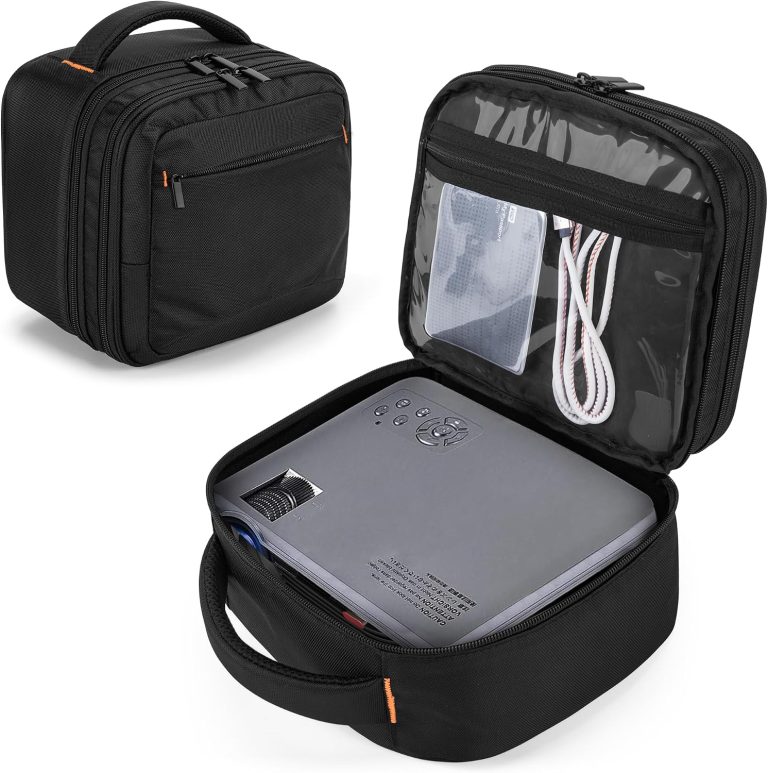
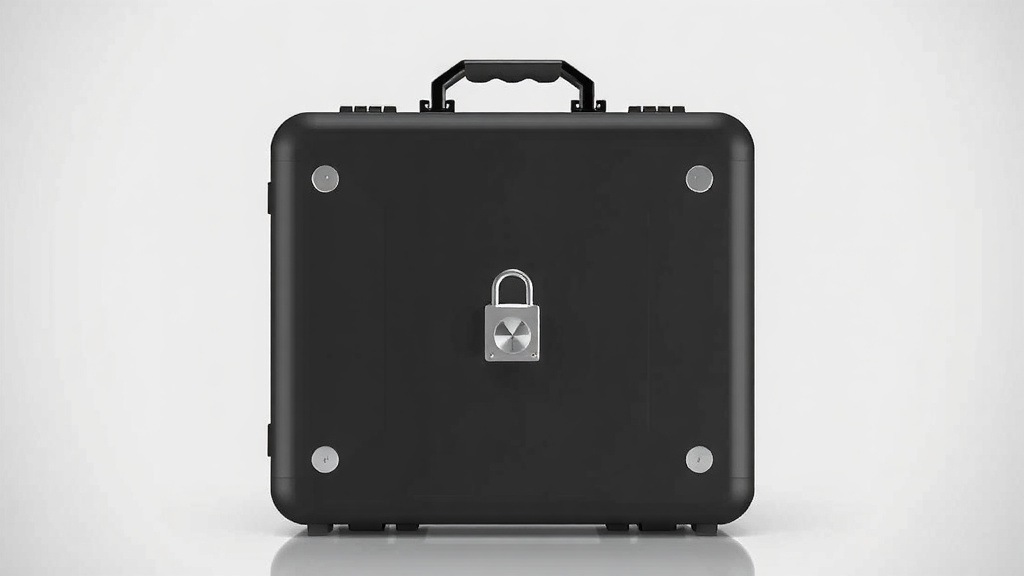
How to Choose a Lockable Projector Carry Case
Yes, you can absolutely find a projector carry case with lock, and it’s the smartest way to protect your gear from theft and tampering. We found that a lockable case is a must-have if you travel with expensive equipment or leave your projector in shared spaces. This simple security feature gives you real peace of mind without adding much weight or bulk.
Most standard projector bags have zippers that anyone can open. A locking case changes that by using a combination lock, key lock, or even a TSA-approved lock to keep your device secure. We found that many top brands now make hard-shell and soft-shell cases with built-in locking hasps, so you don’t have to settle for a flimsy bag. Whether you’re a traveling salesperson, a teacher, or a home theater fan, this is about keeping your investment safe.
- Lockable cases stop theft — a visible lock deters most casual thieves.
- Hard shells offer better protection against drops and bumps than soft bags.
- TSA-approved locks let you fly without worrying about agents cutting your lock.
- Check the interior size — your projector model needs a snug, padded fit.
- Look for weather resistance to protect against rain and dust on the road.
Below, we’ll walk you through the best types of lockable cases, what to check before buying, and how to pick the perfect fit for your projector. Let’s get your gear locked down and ready to roll.
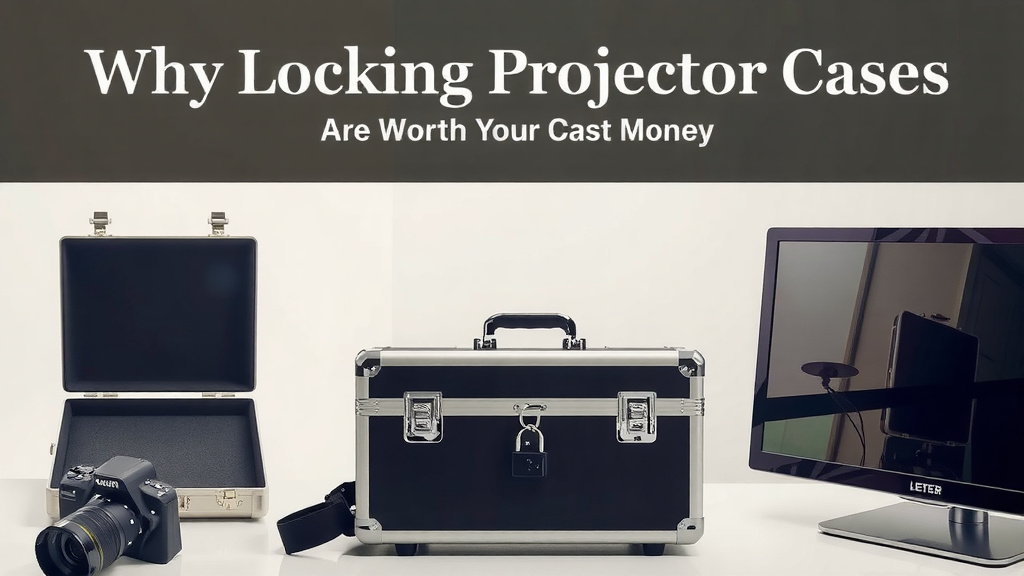
Why Locking Projector Cases Are Worth Your Money
You spent serious money on that projector. A lockable case is your first line of defense. We found that a visible lock stops most casual theft before it even starts. Thieves look for easy targets, and a bag with a combination lock simply isn’t one.
Think of it like locking your front door. You do it out of habit, not because you expect a break-in every night. A lock on your projector case works the same way. It adds a layer of real security that a standard zipper bag just can’t match.
What Happens Without a Lock
Standard projector bags rely on flimsy zippers. Anyone can open them in seconds. We found that many people lose gear in airports, hotels, and conference centers. It doesn’t take a professional thief. Just one curious person can cause a headache you don’t need.
A lock changes the game. It makes your gear a hassle to grab. That alone sends most opportunists looking elsewhere.
Hard Shell vs. Soft Shell: Which Lockable Case Wins?
You have two main choices when shopping for a projector carry case with lock. Each type has its own strengths. We found that your travel habits should dictate your pick, not just the price tag.
Hard Shell Cases for Maximum Protection
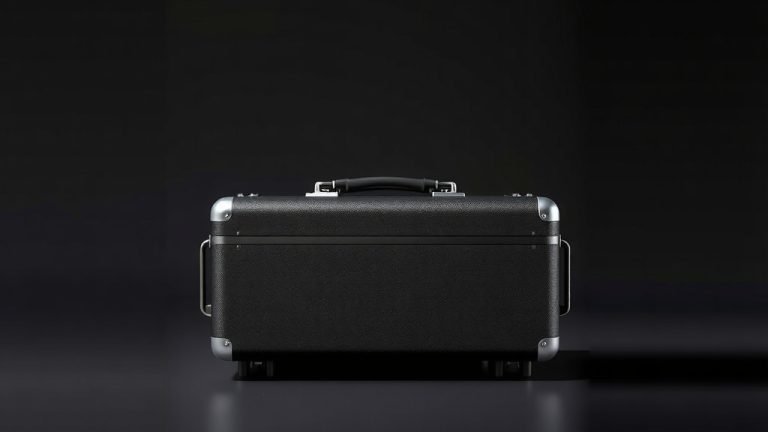
Hard shells are the tanks of the projector world. They shrug off drops, bumps, and stacked luggage. If you check your projector on a plane or toss it in a van, this is your best bet. Many hard cases come with reinforced corners and padded interiors.
The trade-off is weight. Hard cases are heavier and bulkier. But when you are protecting a $1,000 piece of equipment, a few extra pounds feels like a fair deal.
Built-in Locking Hasps on Hard Cases
Most hard cases feature metal hasps that accept padlocks. Some have built-in combination locks. We found that these integrated locks are convenient because you can’t lose the key. Just set your code and go.
Look for cases with impact-resistant plastic or aluminum frames. These materials hold up best under pressure.
Soft Shell Cases for Everyday Portability
Soft shell cases are lighter and easier to carry. They fit in overhead bins and slide under seats. Many modern soft cases now include lockable zipper pulls. You can thread a small padlock through the zipper tabs to secure them together.
These cases work great for daily commutes and short trips. They offer less drop protection than hard shells, but they are far more practical for walking through airports. We found that soft cases with reinforced padding on all sides provide the best balance of weight and safety.
What to Check Before You Buy a Lockable Case
Not every locking case fits every projector. You need to measure and check a few key details. We found that skipping this step leads to frustrated returns and wasted money.
Interior Dimensions and Custom Foam
Your projector needs a snug fit. A case that is too big lets your gear rattle around. A case that is too small simply won’t close. Measure your projector’s length, width, and height first. Then compare those numbers to the case’s interior dimensions.
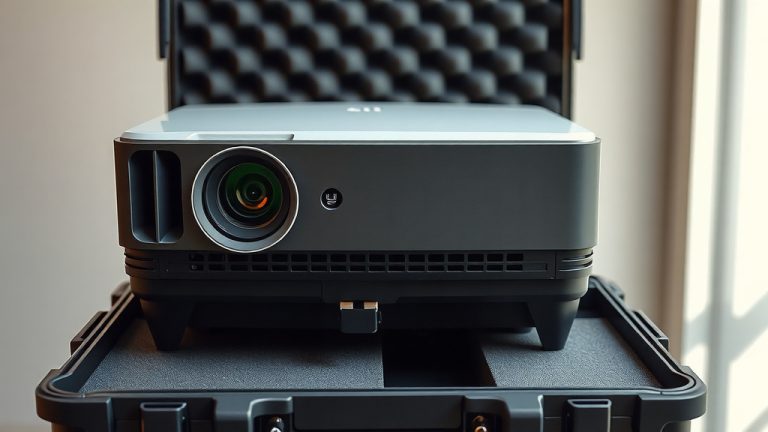
Many cases come with pick-and-pluck foam. You can remove foam cubes to create a custom cradle for your projector. This is a fantastic feature. It holds your device perfectly still and absorbs shock on every side.
Lock Types: Combination, Key, or TSA
You have options when it comes to the lock itself. Combination locks are easy because you never need a key. Key locks are simple and reliable. TSA-approved locks are the smart pick for air travel. They let security agents inspect your bag without cutting the lock off.
Many experts say TSA locks are worth the small extra cost if you fly often (Transportation Security Administration guidelines). You get security and convenience in one package.
Weight and Portability Features
A case that is too heavy becomes a burden. Check the empty weight before buying. We found that cases under 8 pounds are comfortable for most people to carry. Look for padded handles, shoulder straps, and wheels if you travel a lot.
Wheeled cases save your back in airports. But they add weight. Decide what matters more to you: ease of rolling or ease of lifting.
Best Uses for a Locking Projector Case
Different people need different levels of security. We found that lockable cases shine in three main scenarios. Think about which one matches your routine.
Business Travel and Sales Demos
You are on the road constantly. Your projector goes with you to client meetings and trade shows. A lock keeps your gear safe in hotel rooms and rental cars. It also looks professional when you walk into a boardroom with a sleek, secure case.
We found that business travelers prefer soft shell cases with TSA locks. They are easy to carry and fly-friendly.
Education and Classroom Settings
Teachers and trainers often share equipment. A lockable case prevents unauthorized borrowing. You can lock the case and store the projector safely between classes. It stops curious students from tampering with settings or cables.
Many schools now require lockable cases for expensive AV gear. It is a simple policy that protects district investments.
Home Theater and Rental Use
Home theater fans store their projectors when not in use. A lock keeps kids and pets away from delicate lenses. If you rent out your projector, a lock protects your equipment from careless renters.
Rental hosts should use hard shell cases with key locks. They offer the best protection against both theft and physical damage.
Comparing Popular Locking Case Options
We put together a quick comparison to help you see your choices at a glance. This table covers the key differences between common lockable case styles.
| Case Type | Protection Level | Best For | Typical Weight |
|---|---|---|---|
| Hard Shell with Built-in Lock | Maximum drop protection | Air travel, checked baggage | 10-15 lbs |
| Soft Shell with Lockable Zippers | Good padding, less rigid | Daily commuting, carry-on | 3-6 lbs |
| Hard Shell with TSA Lock | Maximum protection | Frequent flyers | 8-12 lbs |
| Soft Shell with Combination Lock | Moderate padding | Classrooms, office use | 2-5 lbs |
Weather Resistance and Durability Matters
Rain, dust, and humidity can damage your projector. Many lockable cases offer weather-resistant seals. We found that cases with rubber gaskets keep out moisture and dust effectively. This is a big deal if you work outdoors or in dusty environments.
Hard cases often feature an IP rating. This tells you how well the case resists water and particles. An IP67 rating means the case is dust-tight and can handle brief submersion. That level of protection is rare but impressive.
Your Pre-Purchase Checklist
Before you click buy, run through this quick checklist. It will save you time and money.
- Measure your projector’s exact dimensions
- Confirm the case interior is at least 2 inches larger in each direction
- Decide between a key lock, combination lock, or TSA lock
- Check the case weight against your carrying comfort
- Look for pick-and-pluck foam for a custom fit
- Verify the case has a warranty against defects
Keeping Your Case Secure for Years
A good lockable case lasts a long time with basic care. We found that a few simple habits keep your case working like new. Wipe down the exterior after trips to remove dirt. Check the lock mechanism regularly to make sure it operates smoothly.
Lubricate key locks occasionally with graphite powder. It prevents sticking and keeps the mechanism smooth. Combination locks need no maintenance beyond keeping the dials clean.
When to Replace Your Case
Inspect your case for cracks, broken zippers, or damaged locks. If the lock feels loose or the hinges wobble, it is time for a replacement. A compromised case offers false security. Many experts say replacing a damaged case is cheaper than replacing a stolen or broken projector (Consumer Product Safety Commission guidelines on equipment safety).
Trust your gut. If the case feels flimsy, it probably is. Invest in quality now to avoid a costly loss later.
Smart Storage Tips for Locked Projectors
Storing your projector properly extends its life. Always remove the lens cap before storage. This prevents moisture from getting trapped. Keep silica gel packs inside the case to absorb humidity. We found that this simple trick prevents fogging and mold growth.
Store your locked case in a cool, dry place. Avoid attics and garages where temperatures swing wildly. A closet or shelf in a climate-controlled room works best.
You have invested in a quality projector. Protecting it with a lockable case is the smartest move you can make. It keeps your gear safe, your mind at ease, and your wallet happy in the long run. So go ahead, get that case locked down, and roll out with confidence.
Conclusion
You now know exactly what to look for in a projector carry case with lock. The right case protects your investment from theft, drops, and weather damage. Hard shells give you maximum protection for heavy travel, while soft shells keep things light for daily commutes.
Before you buy, measure your projector and pick a lock type that matches your routine. If you fly often, a TSA-approved lock is your smartest choice. If you keep gear in classrooms or rental settings, a simple combination lock gets the job done.
Your next step is simple: grab a tape measure, check your projector’s dimensions, and order a lockable case that fits. Your gear deserves that level of protection.
Frequently Asked Questions
Can I add a lock to a regular projector bag?
Yes, in most cases you can. Look for bags with two zipper pulls that sit side by side. You can thread a small padlock through both zipper tabs to lock them together.
This works well for basic security. Just make sure the zippers are sturdy enough to hold up to repeated locking.
Are TSA-approved locks worth the extra cost?
Absolutely, especially if you fly with your projector. TSA agents can open these locks with their master keys, so they won’t cut your lock off during a baggage inspection.
That saves you from the hassle of replacing a damaged lock and keeps your case secure for the rest of your trip.
What size lock fits most projector case hasps?
Most hard case hasps accept standard padlocks with a shackle diameter of 1/4 inch or smaller. Combination locks with a short shackle work best because they leave less room for tools to pry.
Check the hasp thickness on your case before buying a lock. A quick measurement prevents a frustrating return.
Can a locked projector case go in checked luggage?
Yes, but you must use a TSA-approved lock. Regular key locks or combination locks will get cut off by security agents if they need to inspect your bag.
A hard shell case with a TSA lock is your best bet for checked baggage. It protects your projector from both rough handling and theft.
How do I reset a forgotten combination lock on my projector case?
Check the manufacturer’s instructions first, since reset methods vary. Many cases have a small reset button or a set of instructions printed inside the case lining.
If you can’t find the manual, search online using your case brand and model number. Most brands post reset guides on their websites.