Best Projector Carry Cases with Zipper Closure
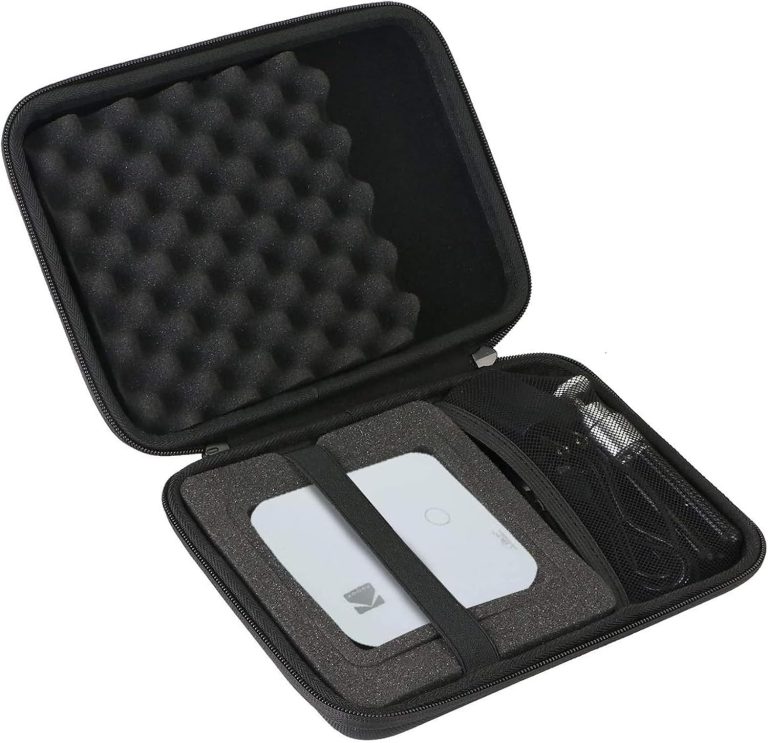
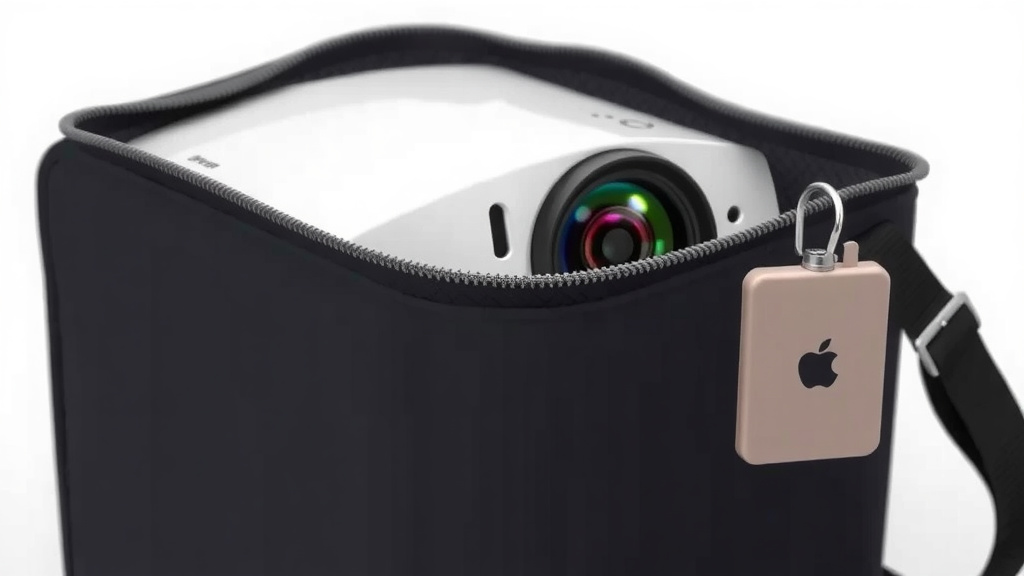
Yes, a projector carry case with zipper closure is one of the safest and most convenient ways to transport your device. The zipper keeps dust, moisture, and bumps out while giving you quick access to your gear. This is the easiest way to protect your investment without wrestling with complicated clasps or buckles.
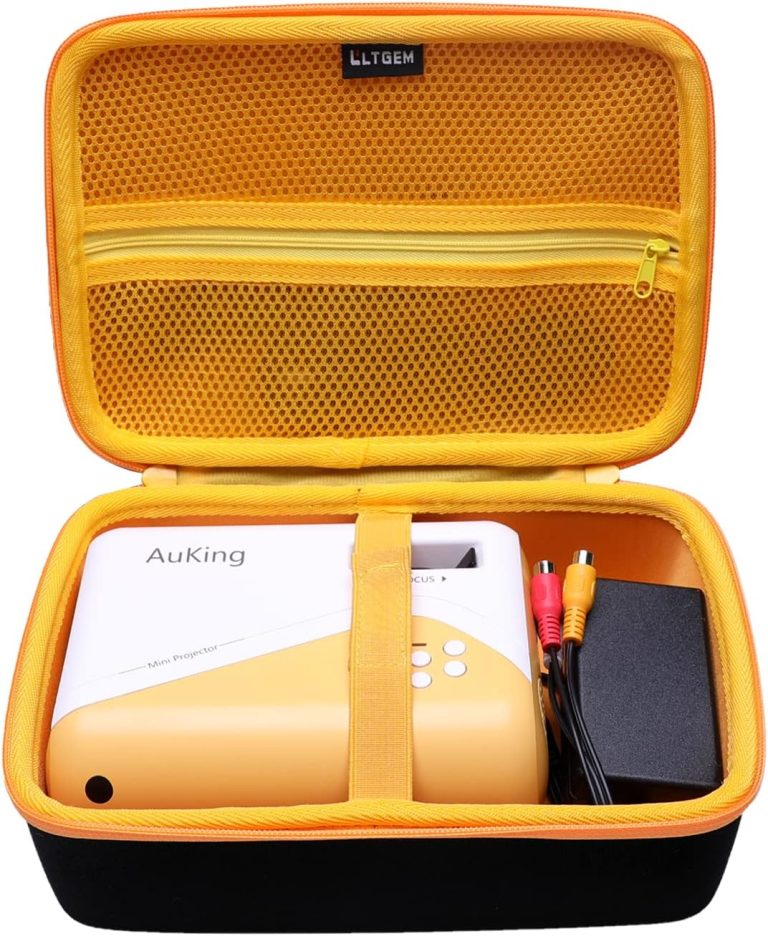
We found that these cases are designed to fit everything from mini pocket projectors to full-size home theater models. Most options include padded interior dividers and mesh pockets for cables and remotes, so all your accessories stay in one place. Whether you are commuting to the office or heading to a friend’s house for movie night, this simple bag keeps your setup organized and secure.
- Zipper closures provide a dust-proof and water-resistant seal.
- You get quick access to your projector, no unbuckling needed.
- Look for hard-shell or thick foam padding for maximum shock absorption.
- Check the interior dimensions first—your projector must fit snugly.
- Pick a case with exterior pockets to carry power cords and HDMI cables.
Below, we break down everything you need to know about picking the perfect projector carry case with zipper closure. We will cover sizing, materials, and the best features to look for, so you can hit the road with total peace of mind.
Protecting Your Projector Like a Pro
Your projector is an investment. You likely spent a few hundred dollars — maybe more. The last thing you want is a cracked lens or loose connection. A projector carry case with zipper closure is your simplest line of defense.
We found that the right case does more than just hold your gear. It absorbs shocks, repels dust, and keeps cables from tangling. Think of it like a tailored suit for your projector. It fits right, looks right, and goes wherever you go without a fuss.
Why Zipper Closures Win Over Buckles and Clasps
Zippers aren’t just convenient. They create a tight seal that flaps and velcro just can’t match. When the zipper is closed, dust and moisture stay out. The zipper track compresses the edges of the case, so there are no gaps.
Buckles can pop open. Velcro wears out. A quality zipper glides smoothly and lasts for years. Many experts say a zipper closure provides that reliable, repeatable seal you want in a protective bag. Plus, you can open it with one hand while holding your coffee in the other. That is real-world convenience.
The Little Details That Make Zippers Great
Look for a case with zipper pulls that are easy to grip. You will be opening this case often. Whether you are setting up at a client site or in your living room, fumbling with a tiny pull gets old fast. Choose one with sturdy, oversized pulls.
Some cases offer two zipper tracks. That lets you open from either side. It sounds small, but you will appreciate it when the case is wedged in your car trunk. You can reach the zipper from whatever angle you need.
Key Features to Look For in a Projector Case
Not all cases are built the same. You need to focus on protection, organization, and durability. Here is what we found matters most when you are shopping around.
- Padded foam walls — at least 10mm of thickness is ideal for shock absorption.
- Rigid or semi-rigid shell — this stops the case from collapsing onto your projector.
- Water-resistant exterior — nylon or polyester with a coating keeps rain out.
- Interior dividers — these keep the projector separated from heavy accessories.
- Multiple compartments — pockets for remotes, cables, and docs keep you organized.
These features work together. A case with just foam but no rigid shell leaves your projector vulnerable to a heavy suitcase landing on top of it. A hard shell without padding transfers shock straight to your device. You need both.
Hard Shell vs. Soft Shell: Which Is Right for You?
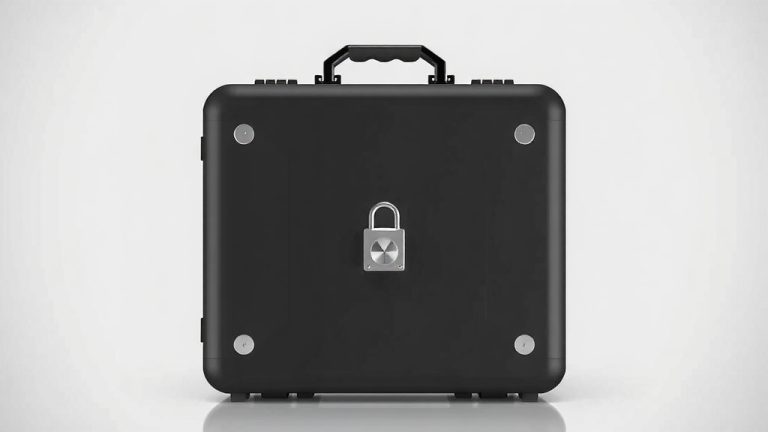
Hard shell cases offer the highest impact resistance. They are the best choice for air travel or jobsite transport. Projectors can shift during transit, and a hard case keeps everything locked in place. We found that most professional AV installers prefer hard cases for this reason.
Soft shell cases are lighter and easier to store. They are fine for commuting or tossing in the backseat. But soft cases compress. If you stack gear on top of them, the padding flattens, and your projector takes the hit. Use a soft case only when you control how the bag is handled.
Finding the Perfect Fit and Size
Size is the most common mistake people make. A case that is too big lets your projector slide around. A case that is too small won’t close at all. You need to measure your projector before you even start comparing bags.
Grab a measuring tape. Write down the length, width, and height of your projector. Then, account for the power brick and cables. Many projectors come with external power supplies that are bulky. These need their own compartments.
Using Interior Dimensions, Not Exterior Size
Always check the interior dimensions of a case, not just the outside. A case can look compact but have a padded interior that eats up usable space. You want your projector to fit with about half an inch of clearance on each side. That snug fit prevents shifting.
If your projector sits right at the edge of the case’s dimensions, consider sizing up. Bulky connectors and protruding lenses need extra space too. We found that people who size up are almost always happier with the fit.
Mini Projectors Need Protection Too
Small projectors are portable by design. But that doesn’t mean they are invincible. A mini projector can still be crushed by a laptop bag or damaged by a sudden drop. Many pocket-sized options fit into compact cases designed for tablets or cameras.
Just make sure the interior padding is thick enough. A generic pouch with thin fabric won’t protect against real impacts. Look for dedicated projector cases, even for small models. They are built with the right foam density.
Material Quality and Durability
The fabric of the case matters more than you might expect. Cheap material rips at the seams or loses its waterproof coating within months. High-quality nylon or polyester with a PU coating resists tears and water. This is your daily driver, so it needs to hold up.
Check the stitching, especially around the handles and zipper tracks. Double-stitched seams last longer and handle heavier loads. If the zipper track is sewn directly into the edge of the case, that is a sign of quality construction.
What the Research Says About Gear Protection
Studies show that protective padding reduces impact forces significantly. A study published by the National Institute for Occupational Safety and Health emphasizes the importance of impact-absorbing materials. Thick, closed-cell foam is the gold standard for this. It bounces back after compression, maintaining its protective properties.
That same closed-cell foam is used in many professional projector cases. It resists moisture and doesn’t break down over time. Cheap open-cell foam, by contrast, absorbs water and gets soggy. Always check the type of foam inside the case.
Water Resistance vs. Waterproof
Most projector cases are water-resistant, not waterproof. A water-resistant case handles light rain and spills. Waterproof cases are sealed with gaskets and submersible to some depth. For a projector bag, water resistance is usually enough.
Read the specs. If the case material has a “PU” or “TPU” coating, it offers water resistance. You still should not leave it in a downpour. But you can carry it confidently through light drizzle or across a parking lot.
Organization: Keep Cables and Remotes Tidy
A projector case is not just a box. It should be a home for your entire setup. You need places for cables, remotes, and even mounting hardware. A case with a few mesh pockets is fine, but a dedicated accessory compartment is better.
| Case Feature | What It Does | Why It Matters |
|---|---|---|
| Mesh interior pockets | Hold small items like remotes and adapters | Keeps everything visible and within reach |
| Divided main compartment | Separates projector from cables | Prevents cable connectors from scratching the lens |
| External quick-access pockets | Store power cords and HDMI cables | You won’t dig through the whole bag for a cable |
| Lanyard or handle loops | Attach carabiners or straps | Easier to carry or secure in place |
We found that organization directly affects how often you use the case. If grabbing your projector means untangling cables every time, you will skip the case and throw your gear loose in a backpack. That is a disaster waiting to happen. A well-organized case makes you want to use it every time.
Storing Your Cables the Right Way
Coil your cables loosely and use velcro ties. Tight loops damage the wires over time. Place the coils in the accessory pocket, not on top of the projector. Heavy connectors can scratch the projector’s casing.
Use the interior divider to keep the projector in its own zone. This way, the foam keeps the projector centered, and the cables stay out of the way. It is a simple system that keeps everything safe.
Carrying Options: Handles, Straps, and Wheels
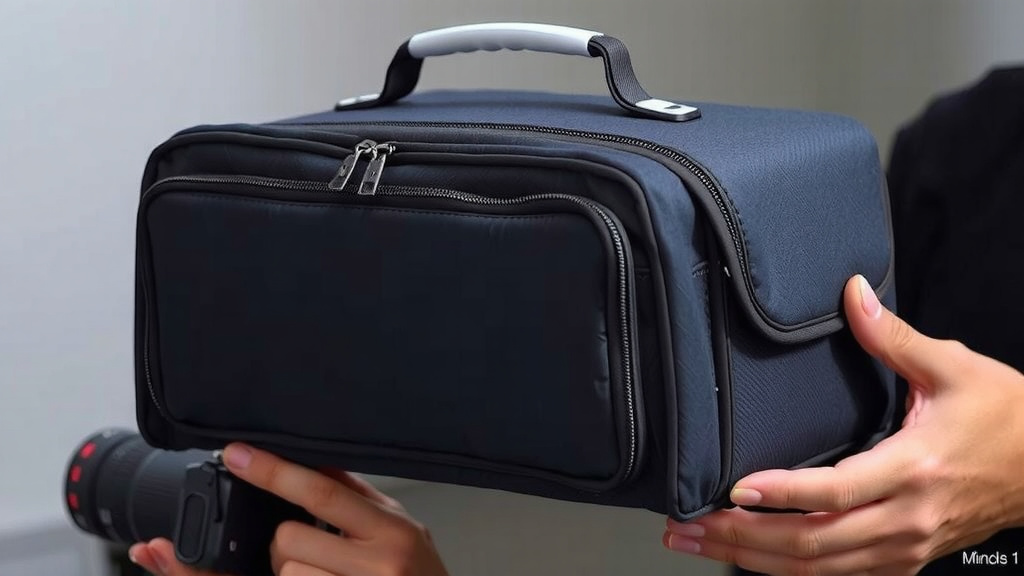
Think about how you will carry the case. A top handle is standard and works for short walks. But if you are taking a train or walking several city blocks, a shoulder strap is a lifesaver. Some cases come with both.
For larger projectors over 10 pounds, consider a wheeled case. Rolling your gear across a parking lot is easier on your back and shoulders. Many professional projectors come in rolling hard cases for good reason.
Backpack-Style Projector Cases
Backpack-style cases distribute the weight evenly across both shoulders. This is ideal for commuters and photographers on the move. You keep your hands free for coffee, tickets, or a phone.
Many backpack cases still feature zipper closures and dedicated projector compartments. You get protection and ergonomics in one package. If you also carry a laptop, look for a case with a separate padded laptop sleeve.
Quick Checklist: What to Verify Before Buying
Before you click “add to cart,” run through this checklist. It takes two minutes and saves you a return headache.
- Measure your projector’s length, width, and height with a tape measure.
- Add 1 inch to each measurement for padding clearance.
- Confirm the case’s interior dimensions, not just the exterior size.
- Check that the foam is at least 10mm thick on all sides.
- Ensure the material has a water-resistant coating.
- Read reviews for quality issues with the zipper or stitching.
That is it. If the case meets all these points, it is a solid buy. If it misses even one, keep looking. You want a case that checks every box, because your projector deserves nothing less.
Pricing and Worth: How Much Should You Spend?
Good projector cases range from twenty dollars to over a hundred. The price depends on size, shell type, and brand reputation. A mini projector case can cost as little as twenty dollars. A full-size hard case for a cinema projector might run you over one hundred fifty dollars.
We found that the sweet spot for most people is in the forty to eighty dollar range. In that band, you get thick foam, a sturdy shell, and reliable zippers. Above that, you are paying for premium materials and brand names. Below that, you risk sacrificing durability.
Think of it as insurance. Replacing a projector costs several hundred dollars. A sixty-dollar case that lasts years is a bargain. You are paying a small fee to protect a significant investment. That math works every time.
Making the Smart Choice for Your Gear
Buying a projector carry case with zipper closure is a straightforward decision. Measure your projector, check the interior dimensions, and verify the padding. Prioritize hard shells for air travel and soft shells for daily commuting.
Keep your cables organized in dedicated pockets. Look for sturdy zippers and water-resistant material. With the right case, your projector travels safely, and you travel with peace of mind.
Your projector worked hard to earn that spot in your home theater or office. Giving it a proper home for travel is just smart. Spend the small amount now to avoid a costly repair later. Your future self will thank you.
Conclusion
Protecting your projector doesn’t have to be complicated. A carry case with a zipper closure gives you a secure seal, solid padding, and easy access every single time. You just need to measure your gear, check the interior dimensions, and choose a case with thick foam and a water-resistant shell.
Think about how you travel most often. Hard shells are best for flights or rough handling. Soft shells work fine for daily commutes. And always leave room for your cables and remotes in dedicated pockets.
Your next step is simple. Grab a tape measure, check your projector’s dimensions, and start comparing cases that meet the checklist we covered. Spend a little time now to save yourself a costly repair later.
Frequently Asked Questions
Can I use a camera bag for my projector?
Yes, you can, but only if the padding is thick enough. Camera bags often have adjustable dividers that work well for small projectors. Just make sure the interior is at least 10mm padded and your projector fits snugly without sliding around.
Will a zipper case keep my projector safe from rain?
A zipper case with a water-resistant coating will handle light rain and splashes. It is not fully waterproof, so you should not leave it out in a heavy downpour. The zipper seal helps keep moisture out, but the fabric coating does most of the work.
How do I stop my projector from moving inside the case?
Use the interior padding and adjustable dividers to create a snug fit. You want about half an inch of clearance on each side. If your case has foam inserts, press them firmly against the projector to lock it in place.
Is a hard shell case worth the extra weight?
Hard shell cases are heavier, but they offer much better impact protection. If you fly often or toss your gear in a trunk, the extra weight is worth it. For light commuting, a soft shell with thick foam is usually enough.
What should I do if my projector case zipper gets stuck?
Check for fabric caught in the zipper track first. Gently pull the fabric out and work the zipper back and forth. If it is still stuck, rub a little graphite from a pencil along the teeth to lubricate it. Do not force it, or you may break the zipper pulls.