Protect Your Gear: Waterproof Projector Carry Case Guide
Yes, a waterproof projector carry case is the smartest way to protect your gear from rain, spills, and clumsy moments. We found that a truly waterproof case (not just water-resistant) uses sealed zippers and heavy-duty material to keep your projector completely dry. This simple upgrade saves you from expensive repairs and total projector failure.
Your projector is a big investment, and carrying it around without proper protection is a gamble. Dust, sudden downpours, and accidental drops are common risks when you’re moving between home, office, or outdoor movie nights. We found that the right case does more than just block water; it also cushions your device from bumps and scratches, keeping it working perfectly for years.
- Waterproof means sealed: Look for cases with waterproof zippers, not just fabric coating.
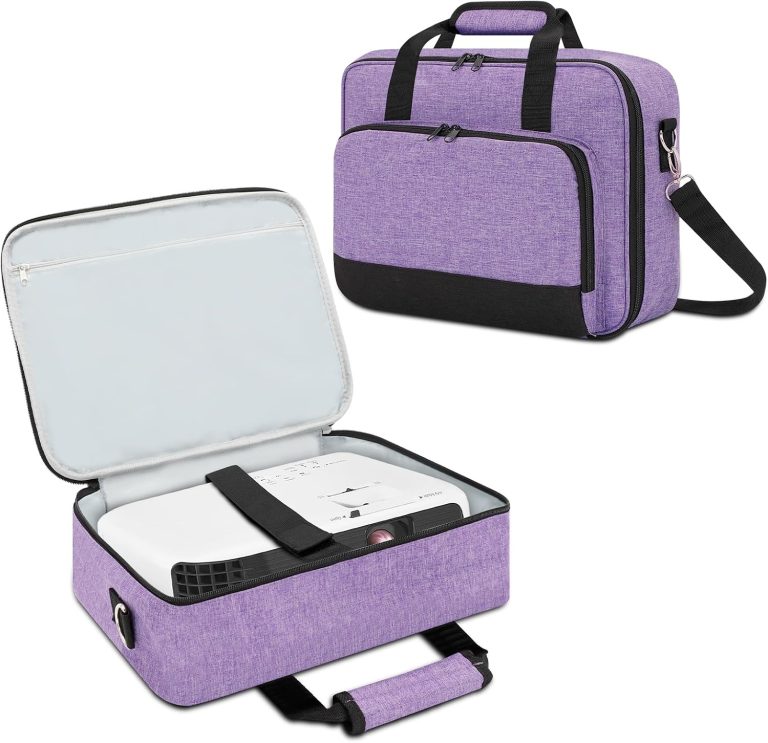
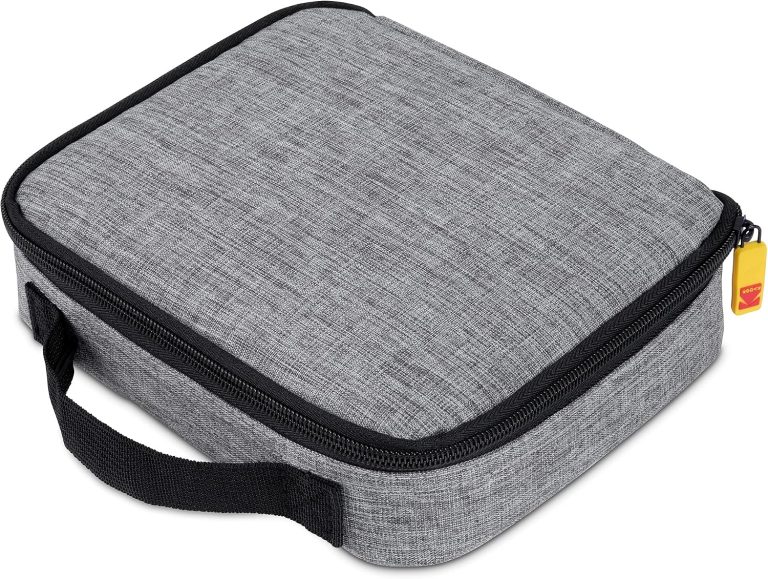
- Hard shell vs. soft shell: Hard shells offer more drop protection; soft shells are easier to pack.
- Size matters: Measure your projector to ensure a snug, secure fit.
- Extra pockets help: Store cables and remotes in dedicated compartments.
- It’s a cheap safety net: A good case costs far less than a replacement projector.
Below, we walk you through exactly how to pick the perfect waterproof case for your needs, what materials to look for, and the common mistakes to avoid.
The Right Way to Choose a Waterproof Projector Case
Your projector is a precision instrument. It has delicate lenses, sensitive internal fans, and a bulb that gets extremely hot. Water is the absolute enemy of all those parts. A single splash can create a permanent fog on the lens. A full soak can short-circuit the main board in seconds.
We found that most people only think about rain when they buy a case. But the real dangers are often closer to home. Think about a spilled coffee in the car. Or a leaky water bottle sitting next to your gear in a backpack. Even high humidity in a garage can cause internal corrosion over time.
Buying a case that is truly waterproof solves all these problems at once. It gives you peace of mind that no liquid will ever touch your device. This is why the material and the zipper matter more than the brand name or the color.
Why Waterproof is Different From Water-Resistant
This is the biggest trap we see in product listings. Water-resistant means the fabric can handle a light drizzle for a few minutes. It uses a chemical coating, like DWR, that makes water bead up on the surface. But if you sit it on a wet floor or get caught in a heavy storm, the water will eventually soak through.
Waterproof is a completely different standard. It means the material and the zippers are physically sealed. Water cannot enter, even under pressure. We found that a waterproof case typically uses a TPU (thermoplastic polyurethane) laminate inside the fabric. This creates a absolute barrier against moisture.
Think of it like a rain jacket versus a dry bag. A rain jacket keeps you dry in a shower. A dry bag can be dropped in a lake and your clothes inside stay perfectly dry. You need a dry-bag level of protection for your expensive electronics.
Finding the Right Ingress Protection Rating
If you want to get technical, look for an IP rating. Many experts say that an IPX5 rating is the minimum for any outdoor gear. This means the case can handle water being sprayed at it from a nozzle without leaking.
For true heavy-duty confidence, look for IPX7 or IPX8. These ratings mean the case can be submerged in water for a specific time and depth. We found that IPX7 is perfect for 99% of users. That means if you drop the case in a puddle or a stream, your projector will survive completely fine.
Comparing Hard Shell and Soft Shell Protection
Once you confirm the case is waterproof, the next big choice is the shell style. Both hard and soft cases can be fully waterproof. But they offer different levels of impact protection. Your choice really depends on how rough you are with your gear.
We found that there is no right answer for everyone. It is about your specific travel style. Are you a careful planner who packs a car? Or do you throw your bag over your shoulder and run through an airport? Let us break down the differences.
Hard Shell Cases for Maximum Defense
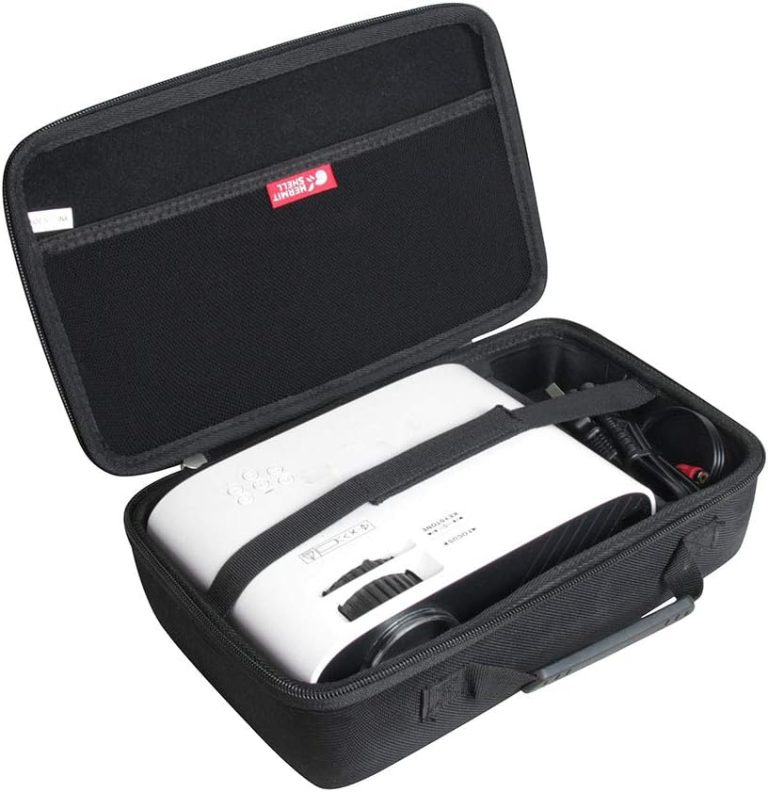
Hard cases look like mini suitcases. They are usually made of ABS plastic or polypropylene. These provide the best structural rigidity available. If a heavy bag falls on your case in the overhead bin, a hard shell will take the brunt of the force.
These cases usually have a pressure equalization valve. This is a small vent that stops the case from building up pressure at high altitudes. This prevents the case from bending or popping open unexpectedly. We found that this is a huge bonus for air travel.
- Best for: Flying, checking bags, or shipping via courier.
- Downside: Bulky to store and often heavier than soft cases.
Soft Shell Cases for Portability
Soft cases are usually made from heavy-duty nylon or polyester. They rely on thick foam padding to protect the device. The outer shell must be completely laminated to stop water from getting in. You want to look for very dense foam, not just a thin quilted pad.
We found that soft cases are much easier to slip into a larger backpack. They are flexible, so they squish into tight spaces. This makes them ideal for everyday commutes or packing for a road trip where space is limited.
Safety tip: If you choose a soft case, do not overstuff the pockets. If the case is stretched too tight, the zipper seams can pull apart at the corners, ruining the waterproof seal.
Essential Materials to Look For
Not all waterproof materials are created equal. Some are stiff and industrial. Others are soft and flexible. The right material for you depends on whether you value ruggedness or packability. Here is what we found in our research on the best options available.
The Case for TPU-Coated Nylon
TPU (thermoplastic polyurethane) is the gold standard right now. It is a plastic-like coating that is fused to the nylon fabric using heat or adhesive. Unlike PVC, TPU does not get brittle in cold weather. It also stays flexible in hot temperatures.
Many experts say that TPU is also a better choice for the environment. It does not off-gas harmful chemicals like some older vinyl materials. Plus, TPU coatings resist UV rays, meaning the case will not fade or crack if you leave it in the sun for long periods.
Why You Should Avoid PVC
You might see cheaper cases made from PVC (polyvinyl chloride). These are stiff and offer good protection. However, we found that PVC has a major flaw. It tends to harden over time. This leads to cracking at the folds and corners, which completely breaks the waterproof seal.
Stick with TPU or a polyurethane-coated fabric. It might cost a little more upfront. But it will last for years longer without degrading.
Custom Foam vs. Universal Fit
Getting the fit right is crucial for both shock absorption and water protection. If your projector rattles around inside, it will get damaged. Plus, movement can wear down the inner seam tape over time. You have two main options when it comes to fitting the interior.
Pull-and-Pluck Foam for a Custom Fit
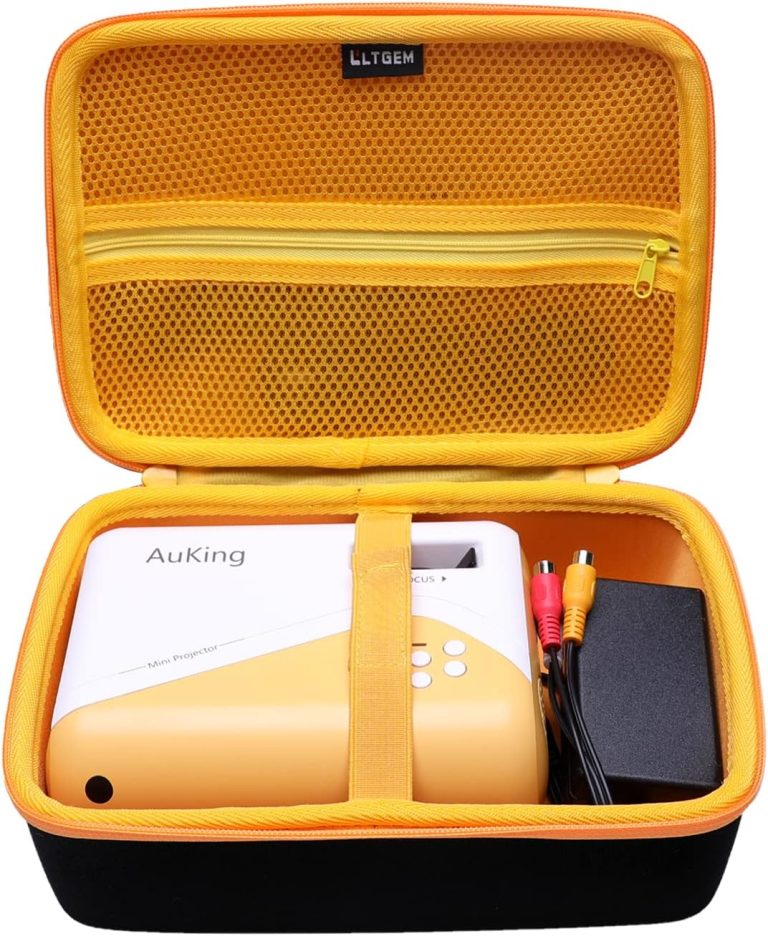
This is the classic method. The case comes with a block of foam that has small squares pre-cut into it. You pull out the squares in the shape of your projector. This creates a snug cradle that holds your device in place perfectly.
We found that this is the best option for protection. The projector sits suspended in the middle of the case. If the case is dropped, the foam absorbs the kinetic energy, and the projector does not touch the hard plastic walls.
Universal Fit with Straps and Dividers
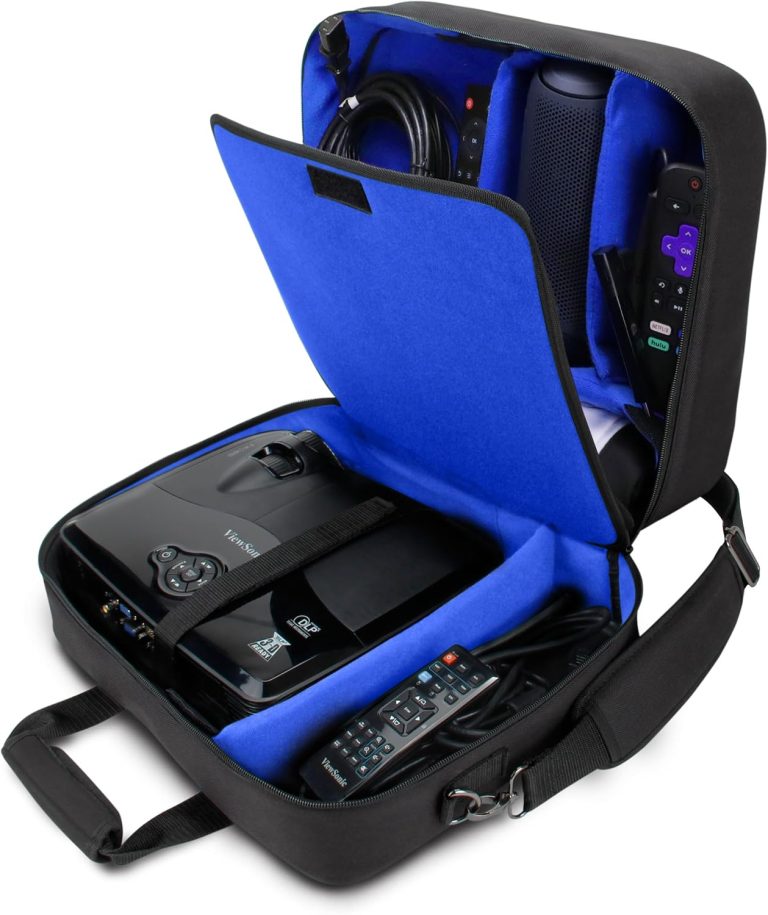
If you have multiple projectors or cameras, a universal fit system is better. These cases use adjustable padded dividers that you attach with hook-and-loop fasteners (like Velcro). You can move the divider walls around to fit any shape.
While this is incredibly versatile, it does not provide the same level of cradling. You need to make sure the projector is squeezed firmly between the dividers. The goal is to prevent any lateral sliding.
Storage Pockets and Cable Management
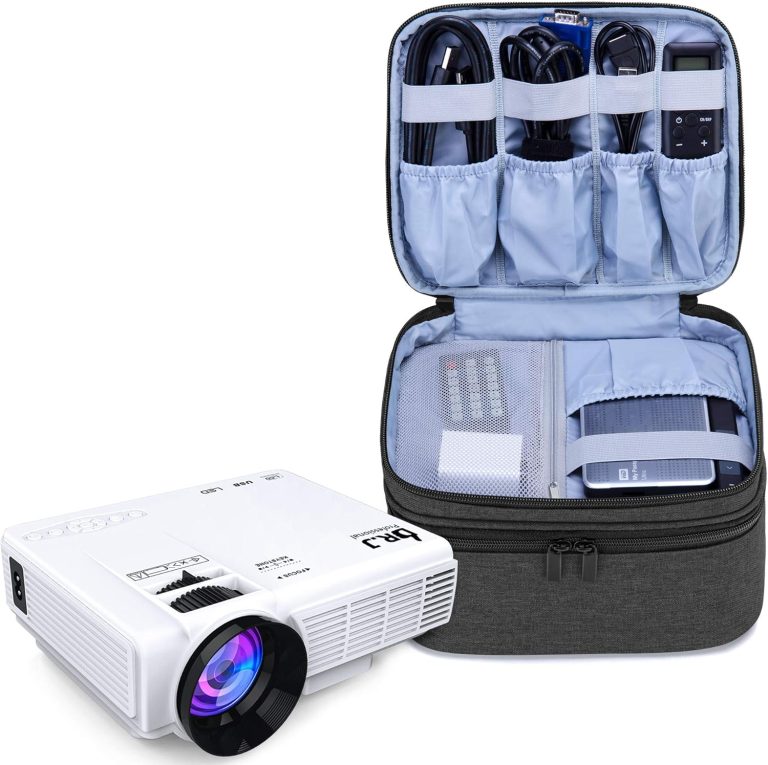
It is never just the projector. You have power cables, HDMI cords, a remote, and possibly extra lenses. Throwing these loose in the case is a recipe for scratches. We found that having dedicated storage keeps your gear organized and reduces setup time at your destination.
Exterior Pockets: Are They Worth It?
This is a trade-off. Exterior pockets are super convenient for quick access. But they break the waterproof seal of the main compartment. If you need true submersible protection, avoid cases with external zippers.
If you only need rain protection, exterior pockets are fine. Just know that these pockets are usually water-resistant, not waterproof. So, put items in there that can handle a little moisture.
Interior Organization and Dry Storage
The best cases have a sleeve on the inside lid for holding documents. This is a great spot for user manuals or setup checklists. Look for a small mesh pocket for pens and a visor. For cables, wrap them and store them in a separate dry bag before placing them in the case.
| Feature | Hard Case (IP67) | Soft Case (IPX6) |
|---|---|---|
| Drop Protection | Excellent | Good |
| Weight | Heavy | Light |
| Carry Options | Handle / Wheels | Shoulder / Backpack |
| Submersible | Yes | No |
| Packing Flexibility | Low | High |
The Financial Sense of Buying Quality
Let us do some quick math. A good waterproof case costs between $40 and $100. A replacement projector costs anywhere from $300 to over $1,500. The case is a tiny investment compared to the cost of the device it protects.
Furthermore, a waterproof case protects more than just rain. It protects against dust, which is a common cause of overheating in projectors. Dust clogs the internal air filters. A sealed case minimizes the amount of dust your projector is exposed to during transit.
Simple Checklist Before You Purchase
Before you click “add to cart,” go through this quick checklist to avoid common purchase errors:
- Measure the device: Always measure the projector with the lens cap on.
- Check the pressure valve: Without it, the case may “inflate” on a plane.
- Test the zipper seal: Ensure you hear a click or feel a tight track when closing.
- Look for a lifetime warranty: Good brands stand behind their seals.
- Verify the IP rating number: If they do not list one, it is probably not waterproof.
Maintenance Tips to Keep the Seal Working
Waterproofing is not permanent unless you care for it. The TPU coating is durable, but the zipper tracks need attention. Dirt in the zipper channels can create tiny gaps. We found that a few simple habits keep your case working like new for a decade.
After every few trips, wipe the gaskets with a damp cloth. Do not use harsh soaps that can break down the rubber seals. Store the case slightly unzipped if you are keeping it in a hot attic. This prevents the foam from taking a permanent “set” and losing its bounce.
Never force the zipper if it feels stuck. Check for a caught cable or debris. Forcing it will bend the teeth and destroy the seal. And when you close the case, make sure there are no wrinkles along the zipper edge. A single wrinkle is a gap.
The Best Time to Upgrade Your Carrying Setup
If your current bag is just a soft “sleeve” that came free with your projector, you are taking a huge risk every time you leave the house. That sleeve offers almost zero drop protection and zero waterproofing. It is simply a dust cover. You should upgrade before your next trip, not after a disaster.
Think about your travel routine. Do you throw your bag on the back seat of a truck? Do you put it in a checked suitcase? Are you outside a lot during the summer months? If you answered yes to any of those, then a high-quality hard case with an IPX7 rating is your best ally.
Conclusion
Your projector is too expensive to trust to a flimsy bag. A truly waterproof case with a sealed zipper and solid impact protection is the only way to travel with confidence. We found that spending a little extra on a quality hard or soft case with a good IP rating saves you from total disaster later.
Take the guesswork out of your next purchase. Measure your projector, check for an IPX7 standard, and pick a case with TPU-coated material. That is the winning formula for keeping your gear dry and working perfectly for years.
Do not wait for a rainy day to test your setup. Get the right case now, pack your projector securely, and get back to enjoying your movies without worrying about the weather. Your future self will thank you.
Frequently Asked Questions
Can you use a regular backpack instead of a projector case?
You can use a backpack, but standard bags are not waterproof. They offer thin padding and no sealed zippers. If you use one, put your projector in a separate dry bag first, and wrap it in a padded sleeve for basic protection.
How do you clean a waterproof projector case?
Use a soft cloth dampened with mild soapy water. Wipe down the exterior and the rubber gasket around the lid. Do not use bleach, alcohol, or harsh solvents because they degrade the TPU coating and break the waterproof seal.
Is a dry bag the same as a projector carry case?
Not exactly. Dry bags excel at keeping water out, but they offer almost zero impact protection. They are too flimsy to shield a delicate lens from drops. You need a case that combines a waterproof shell with thick foam or a hard plastic exterior.
How long does a waterproof case actually stay waterproof?
With proper care, a quality case keeps its seal for five to ten years. The zipper and rubber gasket will wear out eventually. Inspect them regularly for cracks or tears, and keep the tracks clean to get the longest lifespan from the case.
Do waterproof cases protect against dust and sand too?
Yes. A sealed waterproof case is also airtight and dustproof. This is a major benefit for outdoor movie nights. It blocks the fine dust and sand that can clog your projector’s internal fan and cause overheating over time.