How Bright Should a Projector Be? Easy Guide
The brightness of your projector, measured in lumens, directly impacts your viewing experience. For a typical living room with moderate ambient light, you’ll want a projector between 2,000 and 3,000 lumens. In a completely dark room, even 1,000-1,500 lumens can be enough. Too dim and your picture looks washed out; too bright, and it can feel harsh.
Choosing the right projector brightness is more about matching the lumens to your room’s conditions than just picking the highest number. Consider your screen size and any light sources in the room. We found that projectors in the 2,500-lumen range offer a good balance for most home setups.
TL;DR:
- Projector brightness is measured in lumens.
- For living rooms with some light, aim for 2,000-3,000 lumens.
- Dark rooms need fewer lumens (1,000-1,500 might suffice).
- Too dim = washed out picture.
- Too bright = harsh picture.
Let’s break down exactly how to pick the perfect brightness for your home theater setup.
Choosing the Right Projector Brightness: A Simple Guide
So, you’re ready to bring the magic of the big screen into your home, but you’re staring at a wall of projector specs, and one number keeps popping up: lumens. What does it all mean for your movie nights? We’re here to clear things up. The right lumen count isn’t just about a number; it’s about creating the perfect viewing environment for *your* specific setup. Think of it like choosing the right sunglasses – you wouldn’t wear the darkest pair for a cloudy day, right?
Understanding Lumens: The Basics
First things first, let’s talk about lumens. This is the standard unit used to measure the brightness of a light source, including your projector. The higher the lumen number, the brighter the projector’s image will be. It’s pretty straightforward, but the real trick comes in matching that brightness to the light conditions in your room.
What is ANSI Lumens?
You’ll often see “ANSI lumens” on projector boxes. This is important! The American National Standards Institute (ANSI) has a standardized way of measuring projector brightness. It involves taking nine different measurements across the screen and averaging them. This gives you a more reliable brightness figure than other, less standardized methods. Always look for ANSI lumens when comparing projectors.
Why More Lumens Isn’t Always Better
While it might be tempting to go for the projector with the highest lumen count you can find, it’s not always the best choice. A projector that’s too bright for your room can actually be jarring. It can lead to eye strain and make the colors appear washed out or oversaturated, much like looking directly into a very bright lamp. The goal is a comfortable, balanced image that suits your space.
How Room Light Affects Projector Brightness Needs
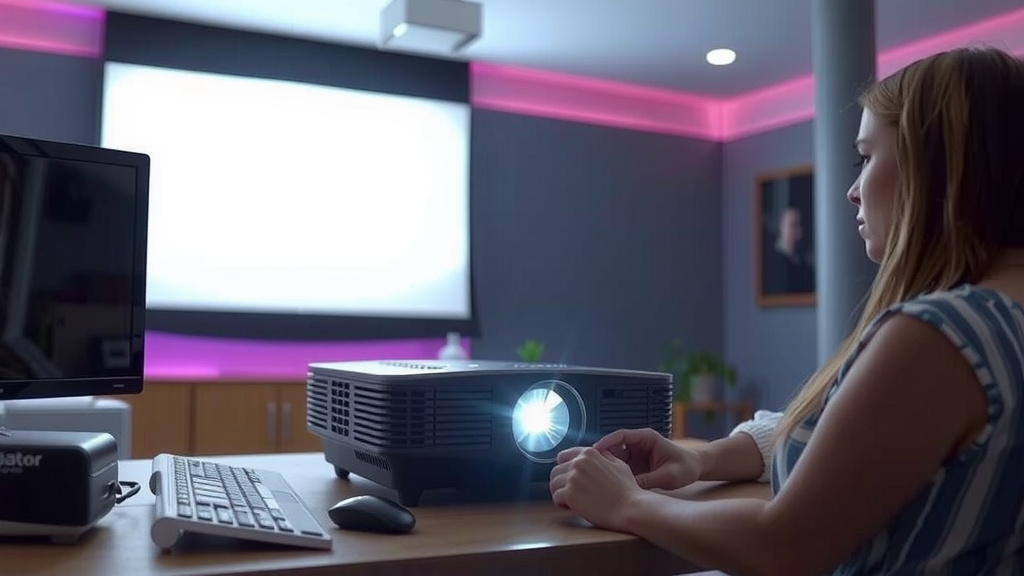
This is arguably the most critical factor. The amount of ambient light in your room directly influences how bright your projector needs to be to produce a clear, vibrant image. We’ve found that this is where most people can really hone in on the right projector.
The Dark Room Advantage
If you’re lucky enough to have a dedicated home theater room that you can make completely dark – think blackout curtains and no windows – you have a lot of flexibility. In a pitch-black environment, even projectors with lower lumen counts can deliver stunning results. We’ve seen great performance from projectors in the 1,000 to 1,500 ANSI lumen range in these ideal conditions. The lack of competing light allows the projector’s image to truly shine.
Living Rooms and Moderate Light
Most of us don’t have a perfectly dark room. If you’re setting up your projector in a living room where you can’t control all the light (maybe a little light creeps in from under the door or through window blinds), you’ll need a brighter projector. Many experts suggest that for typical living room setups with some ambient light, a projector in the 2,000 to 3,000 ANSI lumen range is your sweet spot. This range provides enough punch to overcome moderate light without being overwhelming.
Bright Rooms and Daytime Viewing
Are you planning to watch movies during the day, or is your room naturally very bright with lots of windows? This is the most challenging scenario. For rooms with significant ambient light, you’ll need a projector with a higher lumen output. We found that 3,000 ANSI lumens or more is often recommended. Keep in mind that even with a very bright projector, some light will always wash out the image compared to a completely dark room.
Screen Size Matters Too!
Just like trying to fill a small canvas versus a giant mural, the size of your projector screen plays a role. A larger screen requires more light to fill its surface adequately and maintain brightness across the entire image. If you’re aiming for a massive 120-inch or larger screen, you’ll likely need a projector with a higher lumen count than someone using a smaller 80-inch screen, especially if you have any ambient light.
Your Projector Brightness Checklist
To help you make the best choice, here’s a quick rundown of what to consider:
- Room Darkness: Can you make the room almost perfectly dark?
- Ambient Light: How much light typically enters your viewing space?
- Screen Size: Are you going for a cozy corner display or a wall-to-wall cinematic experience?
- Primary Use: Will it be for nighttime movie marathons or daytime sports viewing?
- Viewing Comfort: Do you want a gentle glow or a powerful, punchy image?
Projector Brightness Recommendations at a Glance
To give you a quick reference, here’s what we generally recommend based on room conditions:
| Room Condition | Recommended ANSI Lumens | Example Use Case |
|---|---|---|
| Completely Dark Room (Dedicated Home Theater) | 1,000 – 2,000 | Nighttime movie watching, serious cinephiles |
| Dim to Moderately Lit Room (Living Room with Curtains) | 2,000 – 3,000 | Evening TV shows, casual movie nights |
| Bright Room (Daytime Viewing, Lots of Windows) | 3,000+ | Sports events, casual viewing during the day |
Remember, these are general guidelines. Many factors can influence the perfect brightness for you. It’s all about finding that sweet spot where your picture looks vibrant, clear, and comfortable to watch.
Conclusion
You now have the knowledge to pick the right projector brightness for your space. Remember, lumens are key, but so are your room’s light conditions and screen size. We found that aiming for 2,000-3,000 ANSI lumens is a great starting point for most living rooms with moderate light. For a truly dark home theater, fewer lumens suffice, while bright rooms demand more power. Don’t chase the highest number; aim for balance.
Your next step is to assess your room. Measure its typical light levels and consider your desired screen size. Then, confidently choose a projector that matches these factors for the best possible viewing experience.
Frequently Asked Questions
What does “ANSI lumens” actually mean for me?
ANSI lumens are a standardized measurement for projector brightness. This means the number you see has been measured using a consistent method. It helps you compare projectors reliably, ensuring you get a true representation of their brightness.
Can I use a projector in a room with daylight?
Yes, you can, but you’ll need a brighter projector. We’ve found that for rooms with significant natural light or daytime viewing, a projector with 3,000 ANSI lumens or more is often recommended. Be aware that some light will always wash out the image compared to a dark room.
Is a 1080p projector less bright than a 4K projector?
Resolution (like 1080p or 4K) and brightness (lumens) are separate specifications. A 1080p projector can be just as bright, or even brighter, than a 4K projector, and vice versa. You need to check the lumen rating specifically for brightness.
Will a dimmer projector be bad for my eyes?
A projector that’s too dim can cause eye strain because your eyes work harder to perceive the image. Conversely, a projector that’s too bright for the room can also be harsh and cause discomfort. The goal is a comfortable, balanced brightness level.
How does screen size affect the required brightness?
A larger screen requires more light to fill its surface adequately and maintain a consistent brightness. If you’re planning on a very large screen, especially in a room with some ambient light, you’ll want a projector with a higher lumen count to ensure the image remains vibrant and clear.