Best Carry Bag for Projector Screen in November 2026
You need a carry bag for projector screen that fits your specific screen size, offers real padding, and makes setup a breeze. The best approach is to match the bag’s interior dimensions to your screen’s folded length and diameter, then prioritize a padded, water-resistant design to protect your gear on the go.
We found that most projector screens are fragile where the fabric meets the roller, so a good bag is about more than just storage. It is your first line of defense against dust, bumps, and accidental drops. Whether you are a teacher, a traveling salesperson, or a backyard movie enthusiast, having the right case means your screen stays flat, wrinkle-free, and ready to present every single time.
- Measure first: Always measure your screen’s folded length and rolled diameter before buying any bag.
- Padding is key: Look for at least 5-10mm of foam padding to protect against dents and impacts.
- Material matters: Choose a water-resistant nylon or polyester shell for outdoor and travel safety.
- Check the closure: Heavy-duty zippers and velcro straps hold the screen securely in place.
- Extra pockets help: A side pocket for cables, remotes, or mounting hardware keeps everything together.
Below, we walk you through the exact sizing guide, the best materials to look for, and our top picks for every budget so you can carry your screen with total confidence. For a closer look at top-rated options, our guide to the best projector bags covers the leading models.
Finding the Right Carry Bag for Projector Screens
You finally got your projector screen, and now you need to protect it. We found that the right bag is a small investment that saves you from costly repairs later. A torn screen or a dented roller can ruin movie night or a big sales pitch.
Your screen is most fragile at the fabric edges. The material can rip, wrinkle, or collect dust if left loose in a trunk. A dedicated bag keeps everything safe, organized, and ready to go. Let’s walk through how to pick the perfect one without overthinking it.
Why You Should Not Use a Random Duffel Bag
We get it. You might think any long bag works. But that is a gamble. Standard duffel bags lack the internal straps and padding your screen needs. They let the screen slide around, which can bend the metal casing or scuff the fabric.
Think of it like putting a guitar in a gym bag. It might fit, but you would not trust it on a bumpy road. Your projector screen deserves similar protection to a musical instrument. The right case has a snug fit and soft interior walls.
Measuring Your Screen for a Perfect Bag Fit
Before you click “buy,” grab a tape measure. This step is quick but essential for a secure fit. You need two numbers: the folded length and the rolled diameter. Most screens come with these specs in the manual, but measuring yourself is safer.
Lay the screen flat or hold it upright. Measure from one end cap to the other for length. Then, wrap the tape around the thickest part of the rolled fabric for the diameter. Write these down. You will need them for every bag you compare.
Understanding the Sizing Chart
Most brands list bags by the screen size (like 100-inch or 120-inch). But that is not always accurate. Two different brands might have different fold lengths for the same screen size. Always check the interior dimensions of the bag, not just the label.
We found that a bag with a little extra room is fine, but too much space is bad. If the screen rattles around, it can hit the zipper or the ground when you set the bag down. Aim for a bag that is 2-3 inches longer than your screen for easy zipping.
How to Measure Rolled Diameter Correctly
Use the widest part of the roller, which is usually at the end caps. If you have a floor-standing screen, the legs might fold up but still stick out. Measure those folded legs too. You want the bag to cover the entire unit without forcing the zipper.
Many experts say that a mismatch here is the number one reason for returns. A bag that is too narrow will strain the zipper seam. Over time, that seam splits open. Save yourself the hassle and measure twice, order once.
Key Materials and Build Quality to Look For
The fabric of the bag matters more than the color. You want a shell that resists water and tears. We found that 600D or 900D nylon is the sweet spot. It is tough, lightweight, and easy to wipe clean. Polyester is okay, but nylon usually feels more durable.
Check the stitching on the handles and seams. Double-stitched seams handle weight better. If the bag has a shoulder strap, look for a padded section. That padding stops the strap from digging into your shoulder when you carry a heavy screen across a parking lot.
Padding Thickness and Protection Levels
Look for at least 5mm to 10mm of foam padding in the bag walls. This is not just for drops. It also protects against bumps from other gear in your trunk. A cooler or toolbox sliding into the bag can dent a thin metal case.
We found that bags with a soft inner lining, like fleece or felt, prevent scratches on the screen surface. This is a nice touch. It shows the manufacturer cares about the details. That lining also reduces static, which helps keep dust away.
Water Resistance vs. Waterproof
Do not confuse these two terms. Water-resistant means light rain or spills bead up and roll off. Waterproof means you can submerge it. For most users, water-resistant is plenty. It handles a sudden drizzle or a damp trunk floor.
If you store the bag in a basement or garage, consider a waterproof model. Humidity can seep through thin fabric. That moisture can cause mildew on the screen fabric. Many guidelines point to dry storage as the best prevention for mold (Environmental Protection Agency).
Closures, Handles, and Extra Storage Features
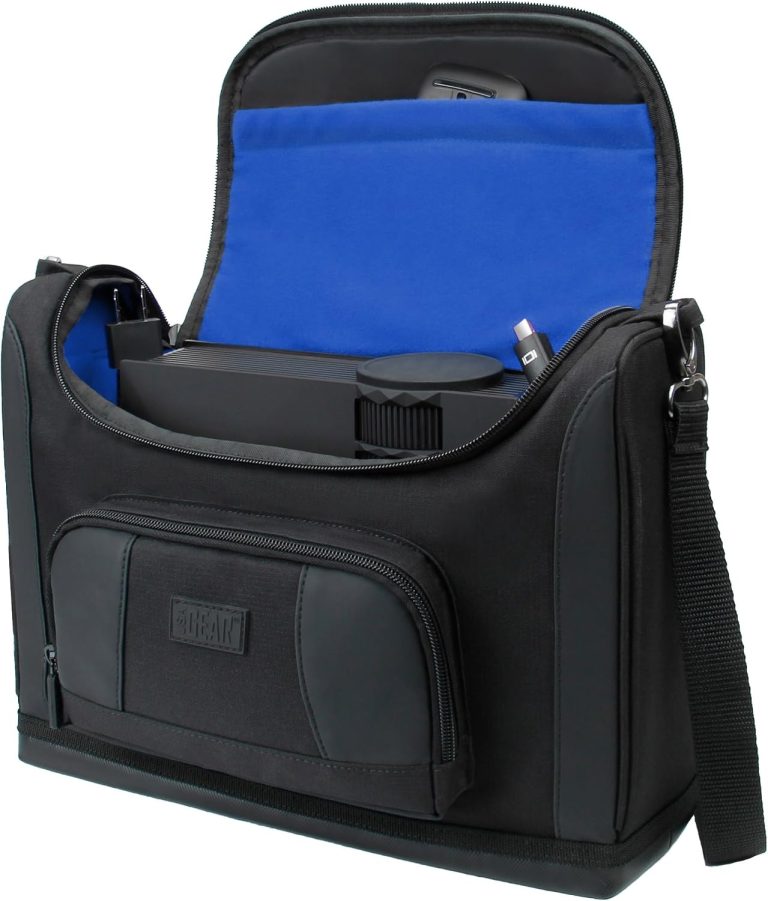
Zippers take a beating. Look for heavy-duty zippers with large pulls. They are easier to grip with cold hands or gloves. A zipper that snags is annoying. Test the zipper action by reading reviews or watching a quick video if you can.
Some bags use velcro straps inside to hold the screen in place. These straps are great. They stop the screen from sliding to the bottom of the bag. This keeps the weight balanced when you sling the bag over your shoulder.
Pockets for Cables and Accessories
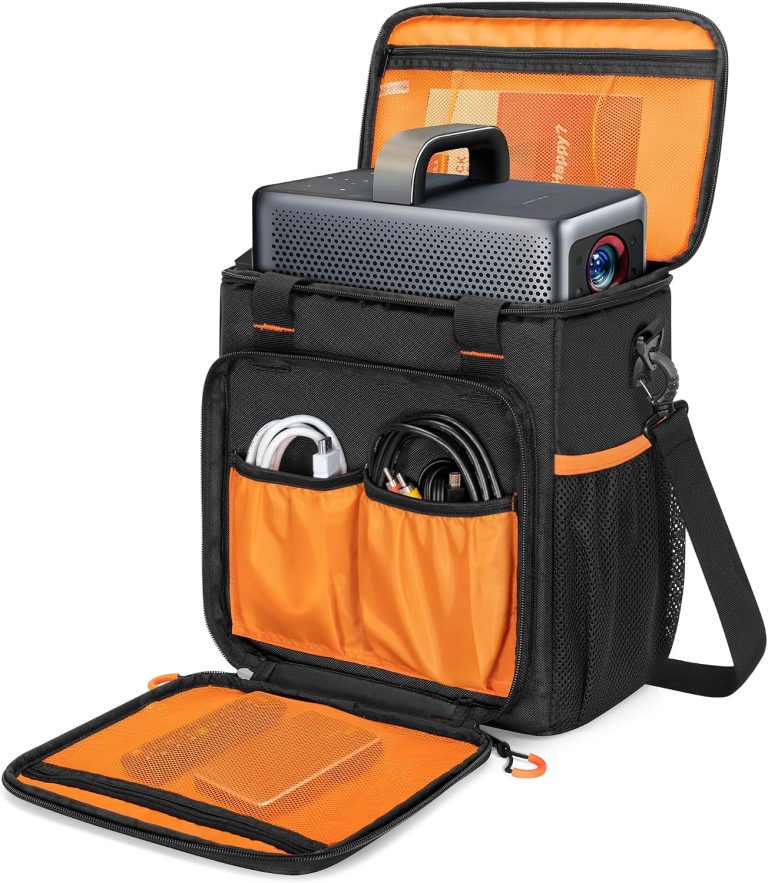
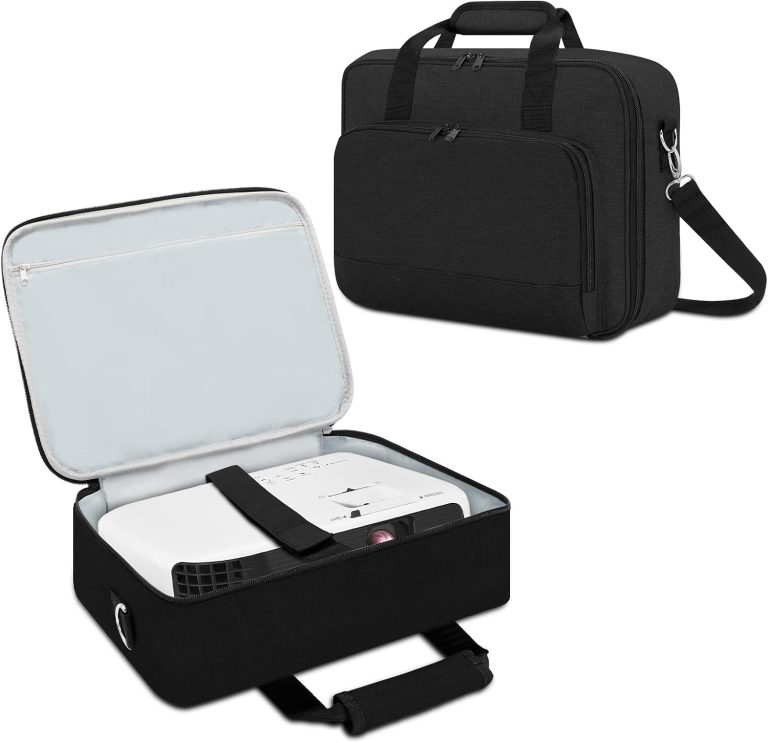
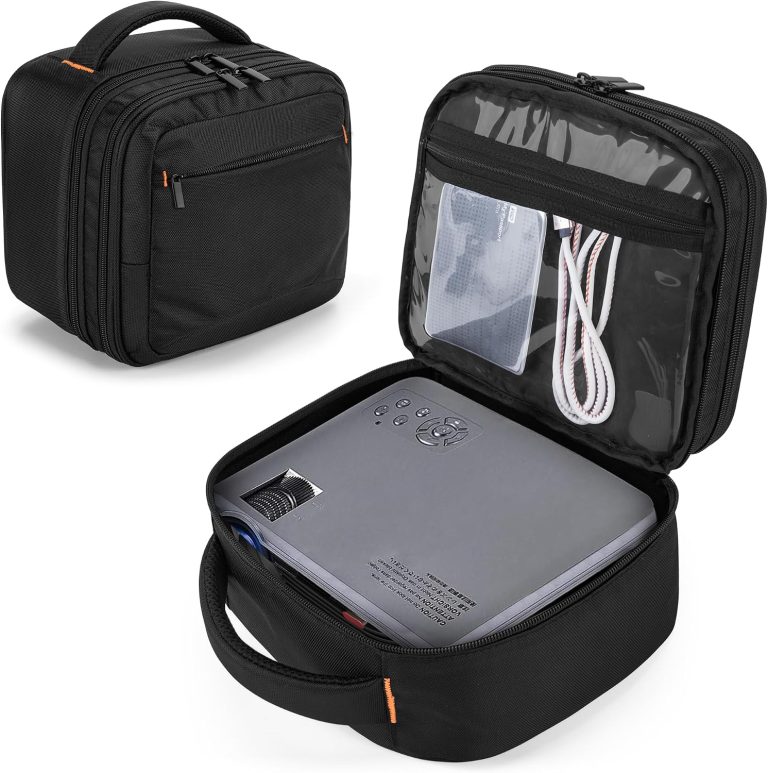
Your projector screen needs more than just a bag. You need the power cord, remote, and mounting brackets. A side pocket or an end pocket keeps these items together. We found that end pockets are better for smaller items like remotes.
Some high-end bags have a separate compartment for the tripod legs. This is a luxury but very handy. It prevents the legs from poking into the main compartment. If you carry a lot of gear, look for a bag with a front zippered pocket for extra storage.
Comparing Different Bag Styles for Various Needs
There is no one-size-fits-all answer. Your choice depends on how you travel. A teacher might prefer a backpack-style bag for hands-free carrying. A road warrior might want a rolling bag with wheels. Let’s break down the common styles.
We found that most people choose between sling bags, backpack straps, and wheeled cases. Sling bags are the lightest and easiest to store. Backpack straps distribute weight evenly on your back. Wheeled cases are best for heavy screens over 20 pounds.
| Bag Style | Best For | Key Drawback |
|---|---|---|
| Sling / Shoulder Bag | Short trips, light screens | Puts all weight on one shoulder |
| Backpack Style | Walking long distances, commuters | Can be bulky to store |
| Wheeled Rolling Case | Heavy screens, airport travel | Heavier empty weight |
Hard Cases vs. Soft Cases
Hard cases offer the most protection. They are usually made of molded plastic or aluminum. They are great for air travel or shipping. But they are heavy and expensive. For a typical home user or presenter, a padded soft case is usually enough.
Soft cases are lighter and easier to stuff in a car. They flex around obstacles. If you drop a soft case, the padding absorbs the impact. Hard cases can crack or dent, but they protect the screen better from crushing forces.
Top Features Checklist for Your Shortlist
Before you make a final decision, run through this quick checklist. We found that checking these five things saves you from buyer’s remorse. Print this list or keep it on your phone while you shop.
- Interior length is at least 2 inches longer than your screen.
- Interior diameter is wider than the roller end caps.
- Padding thickness is 5mm or more on all sides.
- Zipper quality is heavy-duty with a smooth glide.
- Exterior material is water-resistant nylon or polyester.
- Internal straps are present to hold the screen still.
If the bag you like passes all six points, you are in good shape. If it misses one, weigh the pros and cons. Maybe you do not need a shoulder strap if you only carry it from the car to the office.
Budget-Friendly Options That Still Work
You do not need to spend a fortune. We found that good protection starts around $25 to $40. These bags usually have basic padding and a simple zipper. They are perfect for occasional use, like a monthly movie night at a friend’s house.
Avoid the absolute cheapest bags with paper-thin fabric. They might last a season, but they will not survive daily use. Read reviews for phrases like “straps ripped” or “zipper broke.” Those are red flags. Spend a little extra for peace of mind.
Premium Bags and What You Pay For
Premium bags, priced over $70, often include features like reinforced bottoms, padded shoulder straps, and weather-sealed zippers. You are paying for longevity and comfort. If you travel weekly for work, this upgrade is worth it.
Some premium models have an internal frame. This keeps the bag upright when you set it down. It makes loading and unloading easier. We found that this feature is rare but highly praised by frequent travelers in online communities.
Caring for Your Bag and Screen During Storage
Your bag protects the screen, but the bag needs some care too. When you get home, wipe off any dirt or moisture with a damp cloth. Let it air dry completely before storing it. Never store a wet bag in a sealed container.
Keep the bag in a cool, dry place. Avoid leaving it in a hot car for long periods. Extreme heat can warp the plastic zippers and degrade the adhesive on the screen fabric. A closet or shelf at room temperature is ideal.
Extending the Life of Your Projector Screen
Your carry bag is the first step, but not the only step. When you set up the screen, handle the fabric by the edges. The surface is delicate and can crease easily. Many experts say to avoid touching the screen surface with your fingers, as oils leave marks.
If you notice small creases after storage, hang the screen for a few hours before use. Gravity helps pull them out. You can also use a handheld steamer on a low setting from a distance, but test it on a corner first.
Making the Final Call on Your Purchase
You now have all the info you need. Measure your screen, set a budget, and check the material quality. We found that the perfect bag feels like it was made for your specific screen. It should not fight you when you zip it up.
Trust your gut. If a bag looks flimsy in the photos, it probably is. Look for brands that specialize in AV gear or camera equipment. They understand the need for protective padding and secure closures. Your projector screen is an investment. Protect it like one.
Take your time and compare a few options side by side. The right bag is out there. Once you find it, you will wonder how you ever carried your screen without it.
Conclusion
You now know exactly what to look for in a carry bag for your projector screen. Measure your screen first, check the padding, and never settle for a flimsy duffel. A quality bag protects your investment and keeps your screen ready for action.
Remember, the right bag should fit snugly, resist water, and have a heavy-duty zipper. Whether you spend $30 or $100, the features matter more than the price tag. Your screen is fragile at the edges, so treat it with care.
Your next step is simple. Grab a tape measure, write down your screen’s folded length and diameter, and start comparing bags that pass our checklist. Order one that fits your travel style and budget. Your future self will thank you every time you set up without stress.
Frequently Asked Questions
Can I use a golf club bag for my projector screen?
You could, but we do not recommend it. Golf bags lack the internal straps and soft lining your screen needs. The screen can slide around and get scratched or dented. A dedicated projector screen bag is a safer choice.
How do I clean my projector screen carry bag?
Most bags wipe clean with a damp cloth and mild soap. Do not toss it in a washing machine. The agitation can damage the padding and zippers. Let it air dry completely before storing your screen inside.
Is it okay to check my projector screen bag on a flight?
Yes, but you need a hard case or a heavily padded soft case. Airlines toss bags around, so soft cases offer less protection. We found that a hard case is worth the extra weight for air travel. Always check the airline’s size limits first.
How long should a projector screen carry bag last?
With proper care, a quality bag lasts five years or more. Daily use and rough handling will wear it out faster. Check the zippers and seams every few months for signs of wear. Replace the bag when you see fraying or broken zippers.
Can I store my projector screen in the bag long-term?
You can, but make sure the screen is completely dry first. Store the bag in a cool, dry place away from direct sunlight. Heat and humidity can damage both the bag and the screen fabric. Check on it every few months for any moisture buildup.