How Bright of a Projector Do I Need? Easy Guide
Choosing the right projector brightness is key for a great viewing experience. For most home setups, a projector with 2000 to 3000 lumens is generally sufficient. However, if you plan to use it in a room with ambient light, you’ll need a much brighter projector, potentially 4000 lumens or more.
Projector brightness, measured in lumens, directly impacts how well you can see the image. It’s not just about having a bright light; it’s about matching the brightness to your viewing environment. We found that understanding your room conditions is crucial for avoiding a washed-out picture.
- Lumens are the key measure of brightness.
- Consider ambient light in your room.
- Higher lumens are needed for brighter rooms.
- Darker rooms require fewer lumens.
Let’s break down exactly how to figure out the perfect lumen count for your needs.
Figuring Out Your Projector’s Ideal Brightness (Lumens)
So, you’re ready to bring the big screen experience home! That’s awesome. But before you get lost in specs, let’s talk about brightness. This is where projector lumens come in, and understanding them is your ticket to a fantastic picture, not a dim, washed-out mess. We found that most people get confused by this one spec, but it’s actually pretty straightforward once you know what to look for.
Understanding Lumens: The Key to Brightness
Simply put, lumens measure how much light a projector outputs. More lumens mean a brighter image. Think of it like light bulbs in your home; a 100-watt bulb is brighter than a 60-watt bulb. Projector lumens work the same way. We found that higher lumen counts are generally better, but only if you match them to your viewing environment.
It’s important to know that there are two main types of lumen ratings: ANSI lumens and manufacturer lumens. ANSI lumens are a standardized measurement developed by the American National Standards Institute. This means they provide a more consistent and reliable way to compare brightness between different projectors. Always look for the ANSI lumen rating if you can. Many experts say this is the only rating you should really trust (ANSI).
Why ANSI Lumens Matter
Manufacturer lumens can sometimes be inflated. They might measure brightness in a way that doesn’t reflect real-world performance. We found that relying on ANSI lumens helps you avoid disappointment. It ensures you’re comparing apples to apples when looking at different brands and models. This is your best bet for an accurate comparison.
Your Room Environment: The Biggest Factor
The single biggest factor influencing how bright your projector needs to be is the amount of ambient light in your room. This means the lights you have on, sunlight coming through windows, or even light from other screens. Let’s break down the different scenarios.
Dark Rooms: The Home Theater Dream
If you have a dedicated home theater room that you can make completely dark, you don’t need a super-bright projector. We found that a projector with 1000 to 2000 ANSI lumens can produce a stunning, vibrant image in a pitch-black environment. This is because there’s no competition from other light sources. The projector’s light is the star of the show! You get deep blacks and bright colors.
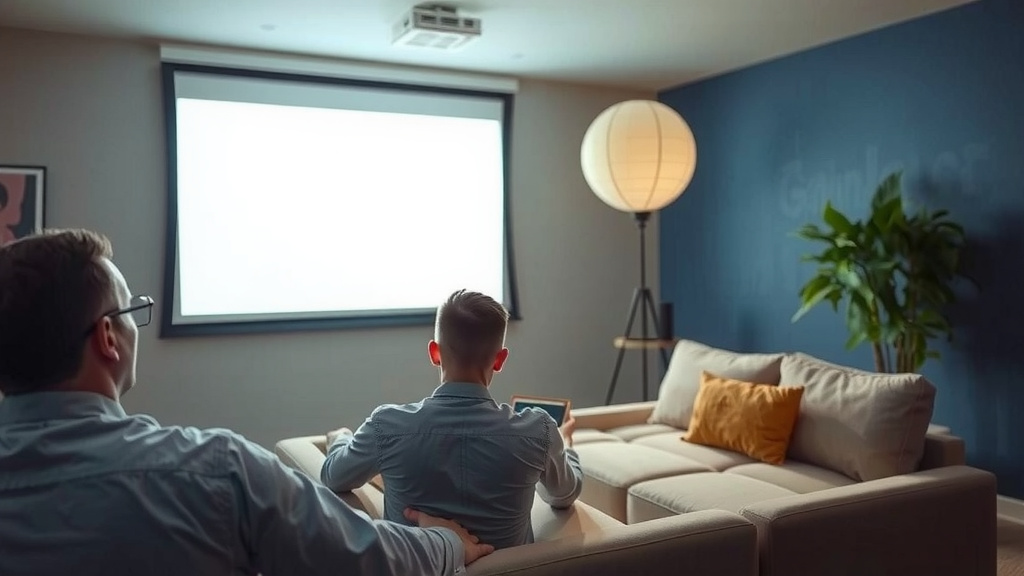
Light Controlled Rooms: The Versatile Setup
This is where most people find themselves. You can dim the lights, but you can’t eliminate them entirely. Maybe you have some streetlights outside, or you like to leave a dim lamp on. For these situations, you’ll need a bit more brightness. We found that projectors in the 2000 to 3000 ANSI lumen range are often a great sweet spot. This range provides enough pop to overcome moderate ambient light without blowing out the image.
Bright Rooms: Where Light is Your Enemy
If you plan to use your projector in a room with lots of natural light or bright overhead lights that you can’t turn off, you’ll need a serious powerhouse. Think of daytime viewing in a living room with big windows. In these scenarios, we found that projectors with 4000 ANSI lumens or even more are necessary. The higher the ambient light, the more lumens you need to combat it and still see a clear, colorful picture.
Screen Size and Gain: Adding to the Brightness Equation
It’s not just about lumens and your room! The size of your projector screen and its “gain” also play a role. Gain refers to how much light the screen reflects. A higher gain screen reflects more light back at you, making the image appear brighter. However, screens with very high gain can sometimes narrow the viewing angle.
Generally, for larger screen sizes (say, over 100 inches), you’ll want a brighter projector to ensure the entire image is well-lit. Smaller screens can get away with slightly fewer lumens. Many projectors are designed to work best with screens within a certain size range. We found that checking the projector’s recommendations for screen size is a smart move.
| Room Lighting Conditions | Recommended ANSI Lumens | Ideal For |
|---|---|---|
| Completely Dark (Dedicated Home Theater) | 1,000 – 2,000 | Maximum contrast, deep blacks, cinematic feel. |
| Light Controlled (Dimmed Lights) | 2,000 – 3,000 | Versatile use, movie nights with some ambient light. |
| Moderately Bright (Some Lamps On) | 3,000 – 4,000 | Living rooms, family rooms with adjustable lighting. |
| Very Bright (Daytime, Lots of Windows) | 4,000+ | Conference rooms, classrooms, or rooms you can’t darken. |
Other Factors to Consider
While lumens are king, don’t forget other projector specs. Resolution (like 1080p or 4K) affects clarity. Contrast ratio influences how deep your blacks are. Color accuracy is also vital for a true-to-life image. We found that a projector with slightly fewer lumens but better color accuracy might be preferable to a super-bright one with dull colors.
Also, consider the type of projector. DLP and LCD are common technologies, each with pros and cons regarding brightness and color. Laser projectors are often brighter and last longer, but they tend to be more expensive. Researching these details will help you make a well-rounded decision.
Your Projector Brightness Checklist
To help you nail down the right lumen count, let’s go through a quick checklist:
- Can you make your room completely dark?
- Do you plan to watch movies during the day?
- How much natural light enters your viewing space?
- Will you use the projector for gaming or just movies?
- What is the size of your screen?
- Are you okay with dimming lights, or do you need full brightness?
Conclusion
Finding the right projector brightness is all about matching lumens to your room. We found that a dark room lets you enjoy lower lumens for that cinema feel. If your room has some light, you’ll need more brightness, likely between 2000 to 3000 ANSI lumens. For very bright rooms, aim for 4000 lumens or more to cut through the glare. Always prioritize ANSI lumens for accurate comparisons. Now, take that checklist and start looking for your perfect projector. You’re ready for an amazing viewing experience!
Frequently Asked Questions
What’s the difference between ANSI lumens and regular lumens?
ANSI lumens are a standardized measurement for projector brightness. We found that this makes them much more reliable for comparing different projectors. Manufacturer lumens can sometimes be inflated, so always look for the ANSI rating when you can.
Do I really need 4000 lumens if I watch TV in my living room?
If your living room has significant natural light or bright overhead lights you can’t turn off, then yes. We found that higher lumens are essential to combat ambient light and get a clear picture. For less light, 2000-3000 ANSI lumens is usually plenty.
Can a projector screen make a difference in brightness?
Yes, screen gain affects perceived brightness. A higher gain screen reflects more light back at you, making the image appear brighter. We found that this can be a good way to boost brightness without buying a more powerful projector, but be mindful of viewing angles.
Is a higher contrast ratio more important than lumens?
Both are important for a good image, but they serve different purposes. Lumens determine how bright the image is overall. Contrast ratio affects the difference between the brightest whites and darkest blacks. We found that a projector with good contrast and sufficient lumens offers the best balance.
I have a 120-inch screen, does that mean I need more lumens?
Generally, yes, larger screens require more brightness. We found that you need enough lumens to fill a big screen evenly without the image looking dim. Always check the projector’s specifications for recommended screen sizes to ensure optimal performance.