How Bright Is a 300 Lumens Projector?
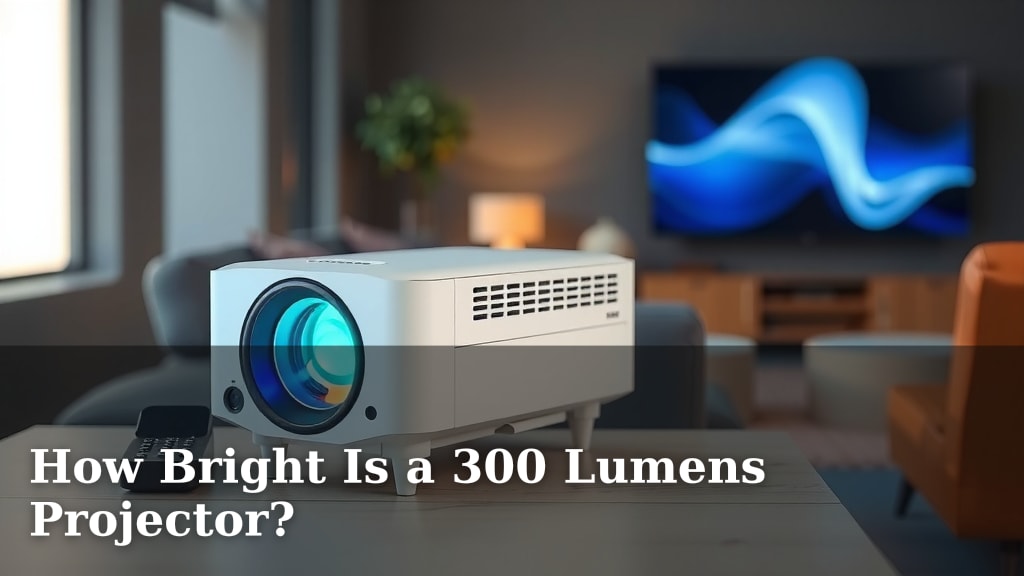
A 300 lumens projector is best suited for dark rooms with minimal ambient light. While it can produce an image, it’s not bright enough for well-lit spaces or daytime viewing. Think of it as a tool for cozy, dim movie nights rather than a boardroom presentation powerhouse. You’ll get a watchable picture, but don’t expect vibrant colors in a bright setting.
When considering projector brightness, lumens are your key metric. A 300-lumen projector falls on the lower end of the brightness scale. This means it relies heavily on controlled lighting conditions to deliver a clear, watchable image. You’ll find this brightness level is common in portable or mini projectors, often designed for casual use rather than professional setups. It’s important to match the projector’s brightness to your viewing environment to avoid disappointment.
- A 300 lumens projector is best in a darkened room.
- It’s not ideal for bright rooms or daytime use.
- Brightness is measured in lumens.
- This lumen count is typical for portable projectors.
- Control your room’s light for the best picture.
So, how bright is a 300 lumens projector, really? Let’s break down what that actually means for your viewing experience and when you might want to use one.
Understanding the Brightness of a 300 Lumens Projector
So, you’re looking at a projector with 300 lumens. What does that actually mean for your movie nights or presentations? Think of lumens as the brightness measurement for projectors. The higher the lumen count, the brighter the image. A 300-lumen projector is on the lower end of this scale. It can produce a picture, but it thrives in very specific conditions. You’ll need to be in a darkened room for the best results.
Many people wonder if 300 lumens is enough. The honest answer is: it depends entirely on your environment. If you’re hoping to watch a movie in your living room with the lights on, this projector might struggle. But if you have a dedicated home theater or a room you can make very dark, it could be perfectly adequate. We’ll break down what this means for you.
Lumens Explained: Your Guide to Projector Brightness
Lumens are the standard unit for measuring the brightness of a light source. For projectors, this is often specified as ANSI lumens. This is a standardized way of measuring brightness, so you know you’re comparing apples to apples. Higher lumens mean a brighter, more vibrant image, especially in less-than-ideal lighting. Lower lumens, like 300, mean you need to control your environment much more carefully.
When we talk about projector brightness, lumens are the star of the show. A 300-lumen projector is not super bright. It’s comparable to the light output of a few very bright LED bulbs. This isn’t enough to overpower ambient light. You can’t just turn it on in a sunny room and expect a clear picture. It’s more like a flashlight beam that needs a dark space to be seen well.
What Does 300 Lumens Look Like in Practice?
Imagine you’re at an outdoor movie night. If it’s twilight, you can see the screen okay. But as it gets darker, the image really pops. A 300-lumen projector behaves in a similar fashion. In a completely dark room, you can get a decent-sized picture. It might be around 50-70 inches diagonally. The colors will be visible, and the picture will be watchable. You might even be impressed with the clarity for its size.
However, introduce even a little bit of light, and things change rapidly. A street light outside, a dim lamp in the corner, or even just the natural light from a window can wash out the image. The colors become dull. Details can get lost. It’s a bit like trying to read a book in a dimly lit cafe – you can do it, but it’s not the most comfortable experience. Many users find that 300 lumens works best for screen sizes under 60 inches in a truly dark environment.
When is a 300 Lumens Projector the Right Choice?
A 300-lumen projector is often found in portable projectors. These are designed for convenience. Think about a spontaneous movie night with friends at someone else’s house. Or perhaps you want to show a slideshow at a family gathering. These devices are lightweight and easy to set up almost anywhere. Their lower brightness is a trade-off for their portability and often lower cost.
Ideal Use Cases for Low-Lumen Projectors
We’ve identified a few scenarios where a 300-lumen projector truly shines (pun intended!).
- Backyard movie nights: As long as you wait until it’s fully dark, these projectors can create a fun, outdoor cinema experience.
- Indoor camping or sleepovers: Projecting cartoons onto a tent ceiling or a bedroom wall can be magical.
- Small, dark rooms: A dedicated, light-controlled basement or media room can be a good fit.
- Presentations in controlled settings: If you’re presenting in a room you can completely darken, like a small conference room at night, it might work.
- Educational use in dim environments: Teachers can use them for supplementary visual aids in classrooms that can be darkened.
Projector Brightness Compared: A Simple Table
To help you visualize where 300 lumens stands, let’s compare it to other common brightness levels. Keep in mind these are general guidelines. Actual performance can vary based on the projector’s technology and contrast ratio.
| Lumens | Recommended Environment | Typical Screen Size (Approx.) | Best For |
|---|---|---|---|
| 100-200 Lumens | Very Dark Room, Small Screens | Up to 40 inches | Personal use, travel, very small spaces |
| 300 Lumens | Dark Room | 40-70 inches | Casual movie nights, portability |
| 500-1000 Lumens | Dimly Lit Room, Controlled Light | 70-100 inches | Home entertainment, small gatherings |
| 2000+ Lumens | Moderately Lit Room, Daylight | 100+ inches | Home theaters, professional presentations, large venues |
Maximizing Your 300 Lumens Projector Experience
Since a 300-lumen projector is sensitive to light, controlling your environment is key. This is the most important factor for getting a watchable image. Think of it as managing your ingredients when cooking. You need the right conditions to bring out the best flavor.
The Art of Darkening Your Room
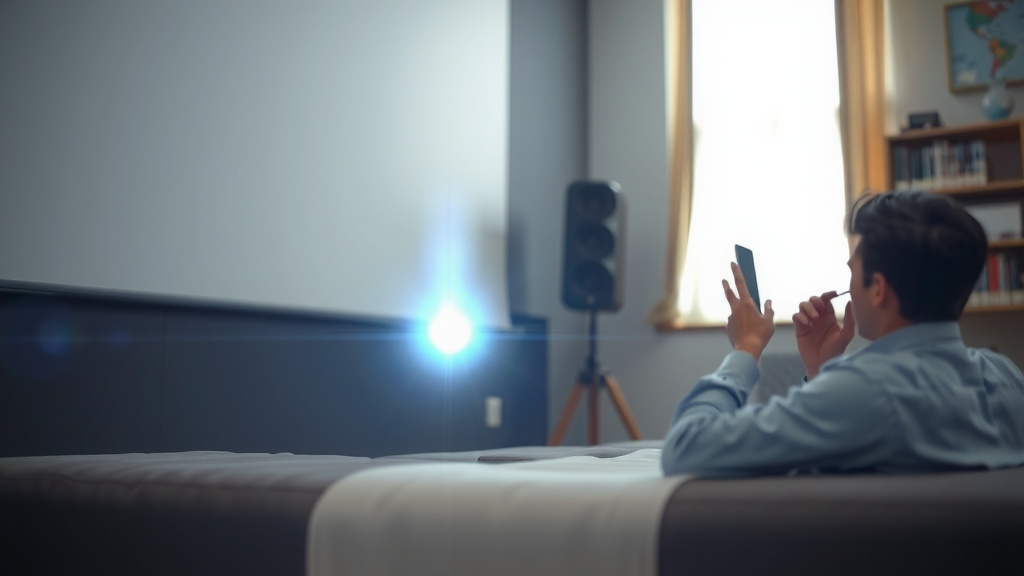
How dark is dark enough? Ideally, you want a room where you can barely see your hand in front of your face. This means blocking out all external light sources. Blackout curtains are your best friend here. They are specifically designed to stop light from entering a room. Make sure they fit snugly against the window frame.
Consider also any light sources within the room itself. Turn off all lamps, overhead lights, and even unplug any standby indicator lights on electronics. Sometimes, the smallest light leak can make a noticeable difference. If you’re using it for a presentation, ask your audience to refrain from using phones or other devices that emit light.
Screen Size and Distance: Finding the Sweet Spot
The size of the image and how far the projector is from the screen also play a role. Projecting a very large image with a low-lumen projector will make the picture dim and washed out. It’s like stretching a thin piece of fabric too far; it loses its opacity.
For 300 lumens, stick to smaller to medium screen sizes, generally between 40 to 70 inches. Keeping the projector relatively close to the screen also helps maintain image intensity. Experimenting with the throw distance (the distance between the projector and the screen) can help you find the best balance between image size and brightness for your space. Many projectors come with zoom lenses that allow you to adjust this without moving the projector itself.
Is 300 Lumens Enough for You? A Quick Checklist
Before you decide if a 300-lumen projector is the right fit, ask yourself these questions:
- Can you reliably make your viewing space completely dark?
- Do you plan to use the projector primarily at night or in the late afternoon/evening?
- Are you okay with smaller screen sizes (under 70 inches)?
- Is portability a major factor for you?
- Is budget a primary concern? (Lower lumens often mean lower cost).
- Are you looking for casual entertainment rather than a high-definition, immersive experience in a bright room?
If you answered “yes” to most of these, a 300-lumen projector could be a surprisingly capable little device for your needs!
Conclusion
You’ve learned that a 300 lumens projector is best suited for controlled environments. It’s not about raw brightness but about smart usage. For the best picture, you’ll need to darken your room significantly. This means embracing blackout curtains and turning off all ambient light. When you do, you can enjoy watchable images for casual movie nights or portable use. If you prioritize portability and a budget-friendly option for dark spaces, this projector type can certainly fit your needs. Your next step is to assess your viewing space honestly and decide if you can create the darkness required for this projector to perform its best.
Frequently Asked Questions
Can I use a 300 lumens projector during the day?
Using a 300 lumens projector during the day is generally not recommended. Even with curtains drawn, natural daylight is usually too bright for this level of lumens. You’ll likely find the image looks washed out and hard to see. It’s best reserved for evening or nighttime viewing.
How big can the screen be with a 300 lumens projector?
For a 300 lumens projector, it’s best to keep your screen size between 40 and 70 inches diagonally. Projecting a larger image will stretch the available light too thin, making the picture dimmer and less impactful. Stick to this range for a clearer, more enjoyable viewing experience.
Is a 300 lumens projector good for gaming?
A 300 lumens projector might be okay for very casual gaming in a completely dark room, especially for older or less graphically demanding games. However, for modern, fast-paced gaming where quick reflexes and vibrant colors are important, you’ll likely want a projector with higher lumens to avoid a dull or laggy-feeling experience.
What’s the difference between ANSI lumens and regular lumens for projectors?
ANSI lumens are a standardized measurement for projector brightness, developed by the American National Standards Institute. This standard ensures you’re comparing brightness levels fairly between different projectors. Other “lumens” measurements might not be as reliable, so always look for ANSI lumens for a more accurate idea of brightness.
Do I need a special screen for a 300 lumens projector?
While not strictly required, a projector screen designed for lower light conditions can help. A screen with a higher gain can reflect more light back towards the viewer, making the image appear brighter. However, the most critical factor remains darkening your room as much as possible for optimal results.