98 Inch TV vs Projector: Which to Choose?
Choosing between a 98-inch TV and a projector depends on your space and viewing habits. For sheer convenience and bright rooms, a 98-inch TV is often the easier choice. Projectors shine for creating a truly cinematic experience, especially in dedicated home theaters or rooms you can darken.
Both options offer massive screen sizes that dwarf typical TVs. You’ll get an immersive viewing experience with either. Think about where you’ll watch most often. Is your room always bathed in sunlight, or can you control the light for movie nights? This is key to your decision.
- 98-inch TV: Best for bright rooms, easy setup, and everyday viewing.
- Projector: Ideal for home theaters, dark rooms, and a true cinema feel.
- Consider ambient light levels carefully.
- Think about your budget for the entire setup (screen, projector, sound).
Let’s break down the pros and cons of each to help you pick the perfect big-screen solution for your home.
Big Screen Showdown: 98-Inch TV vs. Projector for Your Home
So, you’re dreaming of a giant screen for your movies, games, and shows. That’s fantastic! You’ve narrowed it down to two impressive contenders: a massive 98-inch TV or a home theater projector. Both deliver that jaw-dropping, wall-sized experience. But which one is truly the best fit for your life? We’ve looked into what makes each shine. Let’s figure out which path leads to your ultimate home entertainment setup.
The Case for a 98-Inch TV: Brightness and Simplicity
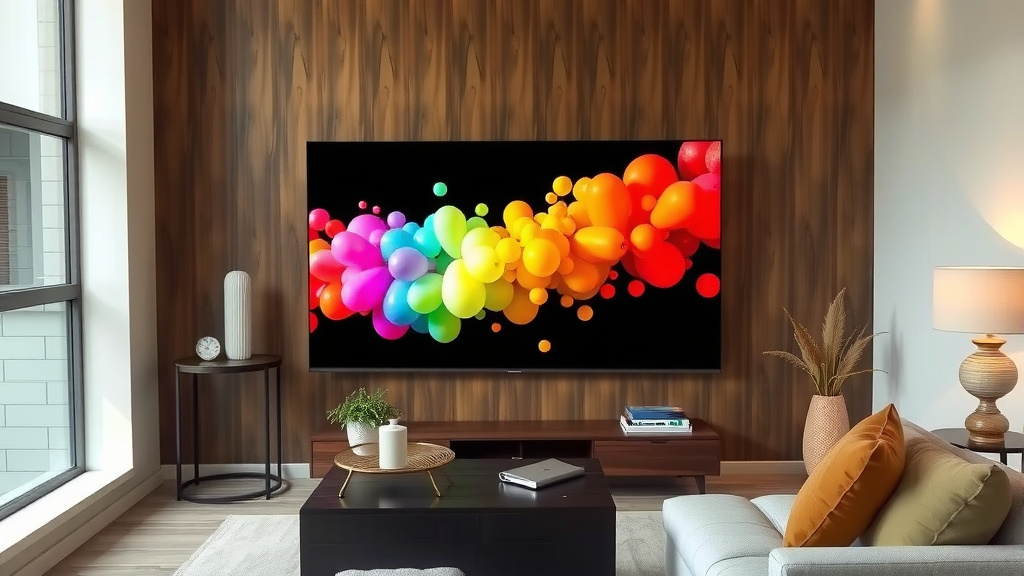
A 98-inch television is a technological marvel. It brings a huge image into your living space with surprising ease. Think of it as the ultimate upgrade to your current TV. It’s designed for everyday use. It handles ambient light like a champ. This makes it a great choice for many homes.
Everyday Viewing, Elevated
You might be wondering, “Can I really watch my favorite shows on a screen this big during the day?” The answer is a resounding yes! 98-inch TVs are built with **powerful backlighting**. This allows them to produce incredibly bright and vibrant images. Even with sunlight streaming through your windows, your picture will remain clear and punchy. This is a huge advantage over projectors.
Setup: Plug and Play Giants
Setting up a 98-inch TV is much like setting up any other TV, just on a grander scale. You’ll likely need a sturdy, large stand or a wall mount. Once it’s physically in place, connecting your devices is straightforward. Think HDMI cables for your streaming devices, game consoles, and soundbars. The interface is familiar. You’re usually just a few clicks away from watching your favorite content.
Built-in Sound: Better Than You Think
While external sound systems always offer an upgrade, many 98-inch TVs come with decent built-in speakers. For casual viewing, these can be perfectly adequate. You won’t necessarily need an immediate soundbar. This simplifies your setup even further. It means you can enjoy that massive screen right out of the box.
The Allure of a Projector: True Cinema Immersion
When people talk about a true “home theater” experience, they’re often picturing a projector. Projectors cast a massive image by reflecting light. This creates a unique viewing quality that many find unmatched. It’s a different kind of magic.
The Cinema Experience at Home
Projectors excel at creating an image that truly envelops you. They can often achieve screen sizes larger than 98 inches, sometimes even 150 inches or more! This is where you get that feeling of being in a movie theater. The contrast ratios and black levels can be exceptional in a darkened room. Research shows that a dark environment is key to a projector’s performance (ISF).
Light Control is Key
Here’s the big caveat: projectors need darkness. If your viewing room is bright, the image can look washed out and dull. This is because the projector’s light output is competing with ambient light. For the best picture quality, you’ll want a room you can make as dark as possible. Think blackout curtains and minimal light sources. This is why projectors are often favored for dedicated home theater rooms or basements.
Beyond the Projector: What Else You’ll Need
Setting up a projector involves more than just the projector itself. You’ll need a dedicated screen. These come in various types, from basic pull-down screens to professionally installed fixed-frame options. You’ll also need to consider audio. Most projectors don’t have robust built-in sound. This means a separate sound system is almost always a must. This adds to the overall cost and complexity of the setup.
| Feature | 98-Inch TV | Projector |
|---|---|---|
| Best for Bright Rooms | Yes | No |
| Maximum Screen Size | Up to 98 inches (standard) | 100+ inches (easily achievable) |
| Setup Simplicity | High | Moderate to High (requires screen & sound) |
| Image Brightness | Very High | Moderate (highly dependent on room darkness) |
| Sound System | Often adequate built-in, upgradeable | Requires separate system |
| Lifespan (Bulb/Panel) | Long (tens of thousands of hours for LED/OLED) | Moderate (lamp-based projectors have ~2,000-5,000 hours for lamps, laser/LED are much longer) |
Considering Your Space and Viewing Habits
Your decision really boils down to where and how you plan to watch. Are you looking for an easy, all-in-one solution for your everyday living room? A 98-inch TV might be your answer. It handles various lighting conditions beautifully. It offers a simpler user experience. Many sources suggest that for general use, a TV is more practical (CNET).
If you envision transforming a specific room into a dedicated cinematic escape, then a projector becomes a strong contender. Imagine movie nights where you can truly control the environment. The light is dim, the screen is vast, and the sound pulls you in. This is where a projector truly shines.
The Cost Factor: Beyond the Screen
It’s essential to look at the total cost. A 98-inch TV will have a higher upfront price for the display itself. However, the overall cost of ownership might be lower because you don’t need as many accessories. A projector might have a lower initial price for the unit, but you must factor in the cost of a screen, a sound system, and potentially installation. Think about your complete entertainment budget.
Maintenance and Lifespan
Modern TVs, especially those with LED or OLED panels, have very long lifespans, often lasting for decades with normal use. Projector lamps, on the other hand, have a limited life. They typically need replacement every few thousand hours, which can add up. Newer laser or LED projectors offer much longer lifespans, but they often come at a higher price point.
Your Big Screen Checklist
To help you finalize your choice, consider these points:
- Ambient Light: Can you make your room dark?
- Budget: What’s the total cost for screen, display, and sound?
- Setup Ease: Do you prefer plug-and-play or a more involved installation?
- Primary Use: Will it be for casual TV, intense gaming, or dedicated movie nights?
- Desired Size: Are you happy with 98 inches, or do you crave something even larger?
- Sound Needs: How important is an immersive audio experience from the start?
Conclusion
Ultimately, your choice between a 98-inch TV and a projector comes down to your specific needs. If you need a bright, simple solution for everyday viewing, a 98-inch TV is likely your best bet. It offers convenience and excellent performance even with lights on. For those who dream of a true cinematic escape and can control ambient light, a projector delivers an unparalleled, immersive experience. We found that considering your room’s lighting and your total budget is key to making the right decision. Take a moment to visualize your ideal viewing setup before you buy.
Frequently Asked Questions
Can a 98-inch TV really be watched in a bright room?
Yes, 98-inch TVs are designed to handle bright rooms. Their powerful backlighting produces vibrant images that can compete with sunlight. You’ll find the picture remains clear and punchy, unlike most projectors in similar conditions.
What’s the typical lifespan of a projector bulb compared to a TV panel?
Traditional projector bulbs usually last between 2,000 to 5,000 hours and need replacement. Modern LED or laser projectors offer much longer lifespans, similar to the tens of thousands of hours you can expect from a TV panel.
Do I need a separate sound system for a 98-inch TV?
While a separate sound system will always enhance your audio experience, many 98-inch TVs come with built-in speakers that are adequate for casual viewing. You might not need an immediate soundbar for basic use.
How much more involved is setting up a projector compared to a TV?
Setting up a projector usually requires more components. You’ll need to install a screen and a separate audio system. This generally makes the installation process more complex than simply placing a TV on a stand or mounting it.
Can a projector achieve a screen size larger than 98 inches?
Absolutely. Projectors excel at creating very large images, often easily exceeding 100 inches, and some can even go up to 150 inches or more. This capability is a major draw for those seeking a true theater-like scale.