98 Inch TV vs Projector: Full Comparison Guide
Deciding between a 98-inch TV and a projector depends on your room and viewing habits. For bright rooms with casual viewing, a 98-inch TV often offers better convenience and a brighter picture. Projectors shine in dedicated dark home theaters, providing a truly cinematic screen size for immersive movie nights.
We understand you’re looking for the best big-screen experience. Choosing between a massive TV and a projector involves weighing factors like room lighting, budget, and the desired viewing experience. Both can deliver stunning visuals, but they excel in different environments. Your choice impacts everything from setup to picture quality.
- 98-inch TVs are great for bright rooms and ease of use.
- Projectors offer huge screens, ideal for dark, dedicated spaces.
- Consider your room’s light levels and your budget carefully.
- Think about how you’ll use the screen most often – casual TV or movie nights?
- Installation and setup differ greatly between the two options.
Let’s break down the 98-inch TV versus projector debate so you can pick the perfect fit for your home entertainment.
“`htmlBig Screen Showdown: 98-Inch TV vs. Projector
You’re dreaming of a massive screen for your living room or home theater. That’s exciting! But which is the ultimate choice for you: a colossal 98-inch TV or a powerful projector? Both can fill your room with stunning visuals. However, they each have unique strengths. We’ve dug into the details to help you decide.
Let’s look at what makes each option stand out. It’s not just about size; it’s about how and where you’ll watch.
Understanding Your Viewing Environment
The biggest factor in your decision is likely your room. Think about how much natural light enters the space. This is a key differentiator between TVs and projectors.
Bright Room Considerations
If your viewing room gets a lot of sunlight, a 98-inch TV is generally your best bet. TVs are built to combat ambient light. They produce their own light, making the picture bright and vibrant even with windows open. You won’t struggle to see details during daytime viewing. This makes them excellent for casual everyday use.
Dark Room Advantages
Projectors, on the other hand, are light emitters too. But they rely on a controlled environment. In a dark or light-controlled room, projectors can create an incredibly immersive experience. They can achieve screen sizes much larger than 98 inches. Think of it like a movie theater at home. For the best results, you’ll want to minimize ambient light. This often means blackout curtains or a dedicated home theater room. Many experts suggest this for optimal cinematic quality (CEDIA).
Picture Quality and Performance
When we talk about picture quality, both 98-inch TVs and projectors can be amazing. However, the technology and how it’s perceived differ.
TVs: Brightness and Contrast
Modern 98-inch TVs offer incredible brightness and deep black levels. Technologies like OLED and QLED provide stunning color accuracy and contrast. You’ll get a crisp, clear image that pops. The brightness means colors stay rich even in a well-lit room. You also get excellent motion handling for fast-paced action.
Projectors: Scale and Immersion
Projectors excel at creating that true cinematic feel. They can project images that dwarf even a 98-inch TV. We’re talking 100, 120, or even 150 inches! The sheer scale is breathtaking for movies and sports. However, picture quality can be more sensitive to your room’s lighting. Darker rooms allow for deeper blacks and more vibrant colors. Some high-end projectors can perform well in moderately lit rooms, but they usually come at a higher price point.
Resolution and Detail
Both 98-inch TVs and projectors are readily available in 4K resolution. This means you’ll get sharp, detailed images from either option. Don’t let size alone fool you; 4K content will look fantastic on both.
Setup, Installation, and Space Requirements
How you set up your display is a significant consideration. This is where convenience and complexity come into play.
TV Installation
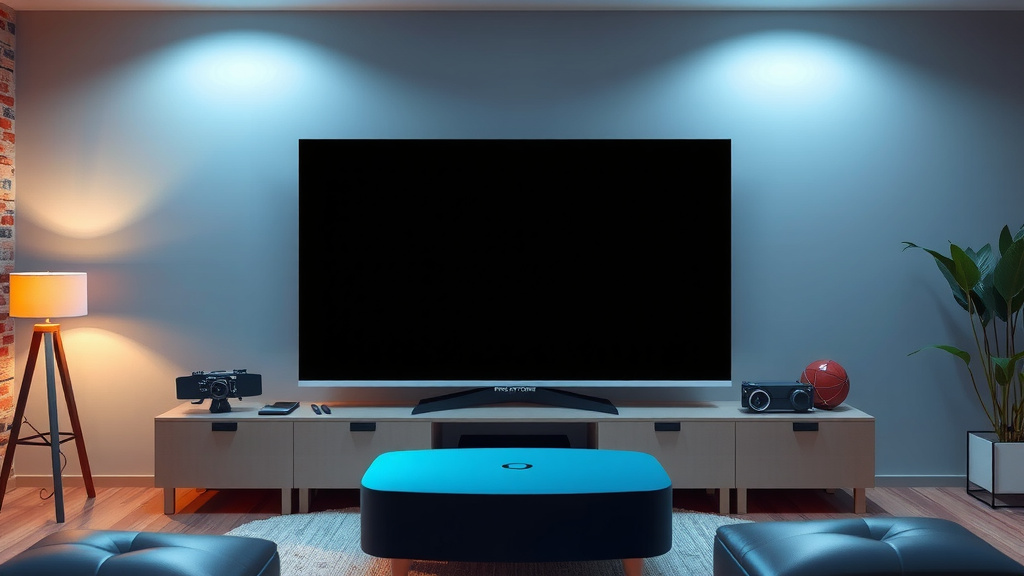
Setting up a 98-inch TV is straightforward, similar to any smaller TV. You’ll need a sturdy stand or wall mount. Be prepared; these TVs are heavy and bulky. You’ll likely need help moving it. Once placed, you plug it in, connect your devices, and you’re good to go. It’s a plug-and-play experience for the most part. The TV takes up a dedicated spot on your wall or furniture.
Projector Installation and Screen
Projector setup is a bit more involved. You’ll need to decide on a mounting location for the projector, often on the ceiling or a shelf. Then, you need a screen. This could be a fixed frame screen, a retractable one, or even a smooth wall. You also need to consider the throw distance – how far the projector needs to be from the screen to achieve your desired image size. Running cables can also be a factor. This often requires more planning than a TV. However, when not in use, the screen can often be retracted, freeing up wall space.
Cost Comparison: What to Expect
Budget is always a major factor. Let’s look at the typical costs involved.
98-Inch TV Pricing
A 98-inch TV is a premium product. You can expect to pay anywhere from $4,000 to $10,000 or more, depending on the brand and features. They offer a lot of screen for the money compared to even larger TVs. However, they are a significant investment.
Projector System Costs
The cost of a projector system can vary widely. A good quality 4K projector might cost between $1,500 and $5,000. Then you need to factor in the screen, which can range from a few hundred to over a thousand dollars. Mounts and extra cabling can add to this. So, a complete projector setup can be comparable to a 98-inch TV, but sometimes you can achieve a larger screen for less if you opt for a less expensive projector and screen.
Durability and Lifespan
How long will your big-screen investment last? Both options have different lifespans.
TV Longevity
Modern TVs are built to last. You can expect a lifespan of 60,000 to 100,000 hours of use. This means if you watch 4 hours a day, your TV could last 40-70 years. They generally don’t require much maintenance.
Projector Lifespan and Maintenance
Projectors use lamps or lasers. Traditional lamps typically last 2,000 to 5,000 hours. This means you’ll need to replace the lamp eventually, which is an added cost. Laser projectors have much longer lifespans, often 20,000 hours or more, similar to TVs. Dust can also build up, requiring occasional cleaning of the projector filters. Many experts recommend regular cleaning for optimal performance (Projector Central).
Making Your Final Choice: A Quick Checklist
Still on the fence? Here’s a simple checklist to guide your decision:
- Room Lighting: Is your room bright or can you make it dark?
- Screen Size Goal: Do you want “just” 98 inches or even bigger?
- Budget: How much are you comfortable spending overall?
- Ease of Use: Do you prefer simple setup or don’t mind a more involved installation?
- Viewing Habits: Is it mostly for casual TV or dedicated movie nights?
- Space: How much dedicated wall space do you have?
Conclusion
So, you’ve weighed the pros and cons of a 98-inch TV versus a projector. For bright rooms and everyday viewing, a 98-inch TV offers simplicity and a brilliant picture. If you dream of a truly cinematic, massive screen and can control your room’s light, a projector system delivers that immersive experience. Consider your space, how you watch content, and your budget. We encourage you to visit a store to see these displays in person if possible. This hands-on experience will help you make the best final choice for your home entertainment setup.
Frequently Asked Questions
Can a projector be as bright as a 98-inch TV?
Generally, no. A 98-inch TV is designed to produce its own light, making it inherently brighter and better suited for well-lit rooms. Projectors rely on reflecting light onto a screen, and while high-end models can be very bright, they perform best in darker environments to achieve comparable contrast and color vibrancy.
Which is easier to set up: a 98-inch TV or a projector?
A 98-inch TV is typically much easier to set up. Once placed and powered on, it’s ready to go. Projectors require more planning, including mounting the projector, setting up a screen, and ensuring the correct throw distance for your desired image size, which can involve more steps and potential adjustments.
How does the cost compare between a 98-inch TV and a projector system?
The costs can be comparable, but they differ in how they add up. A 98-inch TV is a single large purchase. A projector system involves the cost of the projector itself, plus a screen, and potentially mounts and cables. While you might find a less expensive projector and screen combo, a high-end projector system can easily match or exceed the price of a large TV.
What is the lifespan difference between TVs and projectors?
Most modern 98-inch TVs have a long lifespan, often rated for tens of thousands of hours. Traditional lamp-based projectors have shorter lamp lives that require eventual replacement, adding to the ongoing cost. However, newer laser projectors offer lifespans similar to TVs.
Can I use a projector in a room that isn’t completely dark?
Yes, you can, but the picture quality will be affected. If your room has moderate ambient light, you’ll see a less vibrant picture with muted colors and blacks that appear more gray. For the best performance and that true cinematic look, minimizing light in the room is key for projectors.