90 Inch TV vs Projector: Which Is the Better Pick
For a truly cinematic experience at home, a projector often wins when comparing a 90-inch TV vs projector, especially for larger screen sizes and a more immersive feel. While a 90-inch TV is impressive, a projector can deliver screen sizes far beyond that, offering a noticeably bigger picture for movie nights or gaming. Think of it as the difference between a great framed photo and being inside the scene itself.
Choosing between a big TV and a projector really comes down to your space and how you plan to use it. You want something that fits your room and your budget. We’ve looked into what makes each option shine. A large TV is simpler for everyday use, while a projector offers that wow factor, but might need a bit more setup.
TL;DR:- Projectors can create screens much larger than 90 inches.
- TVs are generally easier to set up and use daily.
- Consider your room size and lighting for the best experience.
- Projectors can offer a more immersive, cinema-like feel.
Let’s walk through the differences to help you pick the perfect screen for your home.
Big Screen Entertainment: TV vs. Projector for Your Home
When you’re dreaming of a truly immersive viewing experience, the choice between a large TV and a projector can be a tough one. We’ve looked into what makes each stand out to help you figure out which is the best fit for your living room.
Screen Size: Where the Real Difference Begins
This is often the biggest deciding factor. You’re thinking about a 90-inch TV, which is already quite impressive. But a projector can go much, much bigger. Some projectors can easily create a screen of 100 inches, 120 inches, or even more.
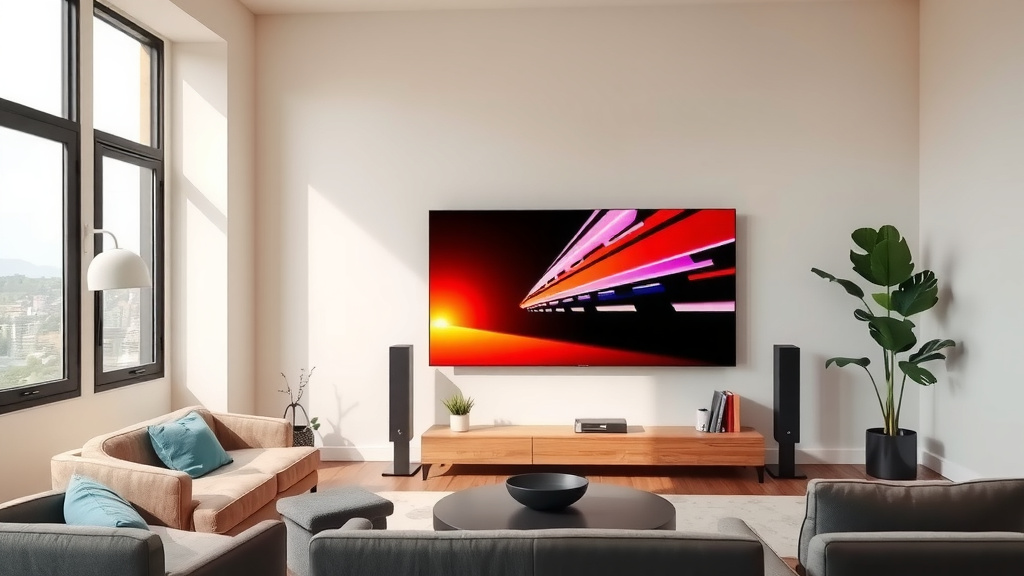
If you’re aiming for that true cinema-like feel, a projector often wins on sheer size. It can transform a plain wall into a massive display. A 90-inch TV offers a fantastic, large picture, but it has its limits. A projector, on the other hand, can truly dominate a space with its scale.
Picture Quality: What to Expect from Each
Both TVs and projectors have come a long way in picture quality. Let’s break down what you can expect.
TVs: Brightness and Contrast
Modern TVs, especially those around 90 inches, offer stunning brightness. This makes them great for well-lit rooms. You’ll get vibrant colors and deep blacks, thanks to advanced technologies like OLED and QLED. The contrast ratio on high-end TVs is generally excellent.
We found that TVs excel in environments with ambient light. You don’t need to darken your room to get a great picture. The consistent performance across different lighting conditions is a major plus for everyday viewing.
Projectors: The Immersive Experience
Projectors are all about creating a huge, immersive image. When you get a projector setup right, the picture can feel like it’s wrapping around you. The experience can be more engaging for movies and games.
However, projectors often require a controlled lighting environment to perform their best. Darker rooms are key for vibrant colors and deep blacks. While high-end projectors have improved brightness, they still typically can’t match a TV in a bright room. Many experts suggest using projectors in dedicated home theaters or rooms where you can easily manage light.
We found that the perceived size of a projected image is unmatched. You can easily achieve screen sizes that a TV simply cannot deliver without costing an astronomical amount.
Setup and Installation: Simplicity vs. Involvement
This is where the two options really diverge. Your preference here will likely depend on how much effort you want to put in.
TVs: Plug and Play
A 90-inch TV is a large appliance, but its setup is generally straightforward. You place it on a stand or mount it on a wall. Connect your devices, and you’re usually good to go. Minimal fuss is the name of the game.
We found that most people can set up a TV with minimal technical knowledge. The user interfaces are intuitive. You don’t need special screens or complex wiring for basic use.
Projectors: A Little More Effort
Setting up a projector involves a bit more thought. You’ll need to consider where to place the projector (ceiling mount, shelf, or table). You also need a suitable surface to project onto—either a dedicated screen or a very smooth, white wall.
Projectors require careful alignment for a rectangular image. This often involves adjusting keystone correction and focus. You might also need to run cables for power and video signals. Many experts suggest a dedicated projector screen for the best results. This adds to the overall cost and installation complexity.
We found that while the initial setup might take longer, the payoff is a truly customizable screen size.
Cost Considerations: What’s Your Budget?
The cost of large-screen entertainment can vary wildly. Let’s look at the financial side.
TVs: Higher Upfront, Lower Long-Term
A 90-inch TV is a significant investment. You’re looking at a price tag that can be several thousand dollars. However, once purchased, operational costs are minimal beyond electricity. There’s no need for a separate screen.
Projectors: Flexibility and Hidden Costs
Projectors themselves can sometimes be less expensive than a comparable-sized TV. However, you need to factor in the cost of a projector screen. This can range from a few hundred dollars for a manual pull-down screen to thousands for an electric, retractable one.
You also need to consider the cost of bulbs or laser light sources, which will eventually need replacement. Many experts note that the total cost of ownership for a projector setup can sometimes exceed that of a large TV, especially if you opt for premium accessories.
Room Environment: Light and Space Matter
The room you plan to use your display in plays a huge role in which option is best for you.
Lighting Conditions
As we touched on, TVs generally perform better in bright, everyday lighting. Their built-in light source is powerful. Projectors, on the other hand, need darkness for optimal performance. If your room gets a lot of natural light and you can’t control it, a projector might be frustrating.
Space and Acoustics
A projector offers flexibility with screen placement. You can project onto a wall that’s far from where the projector sits. This can be ideal for smaller rooms where a 90-inch TV would be too overwhelming.
However, the sound experience is also important. TVs have built-in speakers, which are often adequate for casual viewing. For a truly cinematic feel with either option, you’ll likely want a separate sound system. Many experts suggest that a dedicated home theater room is ideal for projectors, allowing for complete light control and optimized acoustics.
Which is Right for You? A Quick Checklist
To help you decide, consider these points:
- Do you want the largest possible screen? (Projector)
- Do you prefer a simple, plug-and-play setup? (TV)
- Will you be watching in a brightly lit room? (TV)
- Is creating a true home theater feel your top priority? (Projector)
- Are you comfortable with a more involved installation process? (Projector)
- Is your budget flexible for additional accessories like a screen and sound system? (Projector)
| Feature | 90-Inch TV | Projector |
|---|---|---|
| Max Screen Size | Up to 90 inches (or similar) | 100 inches, 120 inches, and much larger |
| Brightness in Lit Rooms | Excellent | Fair to Poor (needs darkness) |
| Setup Simplicity | High | Moderate to High (requires more planning) |
| Initial Cost | High for the TV unit | Moderate for projector, plus screen cost |
| Picture Immersion | Very Good | Exceptional (especially at larger sizes) |
| Longevity/Maintenance | Low (no consumables) | Moderate (bulb/laser replacement) |
Conclusion
Choosing between a 90-inch TV and a projector hinges on your specific viewing habits and room environment. If you prioritize ease of use and excellent performance in brighter spaces, a large TV is your straightforward winner. For that ultimate, cinematic scale and an immersive experience, especially in controlled lighting, a projector offers unparalleled size and wow factor.
Carefully consider your space, budget, and desire for setup involvement. Your next step should be to measure your room and visualize how each option would fit. This will help you make the most informed decision for your home entertainment.
Frequently Asked Questions
Can a projector really create a screen bigger than 90 inches?
Yes, absolutely. While a 90-inch TV is your upper limit for that size, many projectors can easily create screen sizes of 100, 120 inches, or even much larger. This is a key advantage if you’re seeking a truly massive, theater-like viewing experience.
Is a projector more expensive than a 90-inch TV?
Not necessarily. The projector itself might be less expensive than a 90-inch TV, but you must factor in the cost of a dedicated projector screen. Additionally, consider the lifespan of bulbs or laser light sources, which will eventually need replacement, potentially increasing the total cost of ownership.
Which is better for watching sports in a bright living room?
For a bright living room, a 90-inch TV is generally the better choice. TVs offer superior brightness and contrast in environments with ambient light. Projectors perform best in darkened rooms, so they might appear washed out or dim when competing with sunlight or bright lamps.
Do I need a special wall or screen for a projector?
While you can project onto a smooth, white wall, most experts recommend a dedicated projector screen for the best picture quality. Screens are designed to optimize light reflection and provide a consistent, flat surface. This ensures sharper images, better colors, and deeper blacks compared to a standard wall.
Which option provides a more immersive viewing experience?
A projector typically provides a more immersive viewing experience, especially at larger screen sizes. The sheer scale of a projected image can make you feel more a part of the action, similar to being in a movie theater. While a 90-inch TV is large, a projector can extend that feeling much further.