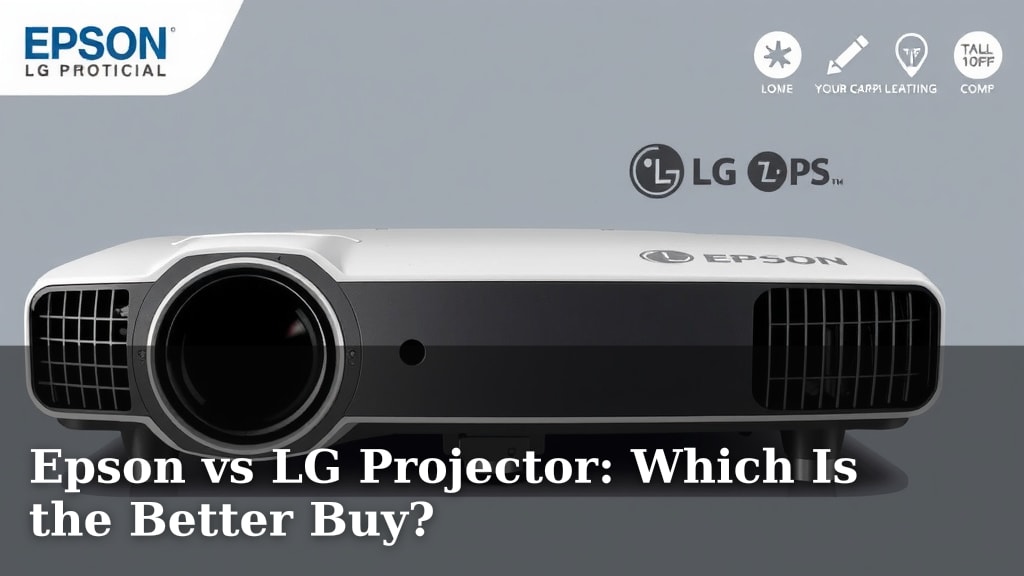
Epson vs LG Projector: Which Is the Better Buy?
Deciding between an Epson and an LG projector? It really depends on what you need most. Generally, Epson projectors often win for bright rooms and those needing excellent color accuracy, while LG shines with its smart features and often a sleeker design. Both brands offer fantastic options, but understanding their strengths helps you pick the right one for your home theater or office.
Choosing a projector means balancing picture quality, ease of use, and price. You might be looking for a projector for movie nights, big presentations, or even gaming. We’ve researched both Epson and LG to help you see which one truly fits your lifestyle and budget. Think about where you’ll use it most and what’s most important to you – brightness, smarts, or something else?
- Epson: Great for bright rooms, excellent color, wide range of models.
- LG: Strong smart features, often good for darker rooms, modern designs.
- Consider: Your room’s light levels and desired smart capabilities.
- Budget: Both brands offer options across different price points.
- Use Case: Movies, gaming, or presentations will influence your choice.
Let’s get into the nitty-gritty of what makes each brand stand out, so you can make the best decision for your setup.
Epson vs. LG Projectors: What’s Your Best Match?
Choosing between Epson and LG projectors feels like a big decision. You want that perfect picture for movie nights or that sharp display for presentations. We’ve looked into both brands to help you figure out which one truly fits your needs. Think of it like picking a car; you need to consider where you’ll drive it, how much you’ll use it, and what features matter most.
Epson and LG are giants in the projector world. They offer a wide range of models. Some are budget-friendly, while others are high-end powerhouses. We’ll break down what makes each brand tick. This way, you can make a confident choice for your home or office.
Understanding Projector Technology: What Matters to You?
Before we dive into Epson and LG specifically, let’s quickly touch on a couple of key things that make projectors different. This will help you evaluate any model you look at.
Brightness and Room Light
This is a big one! Projector brightness is measured in ANSI lumens. More lumens mean a brighter image. If you plan to watch movies in a dedicated dark room, you won’t need as many lumens. But if your living room gets a lot of natural light, you’ll need a brighter projector to combat that ambient light.
Many experts suggest that for a dark room, 2,000 to 3,000 ANSI lumens is often sufficient. For rooms with some light, you might need 3,000 to 4,000 ANSI lumens or even more. Epson often excels here, packing a lot of brightness into their models.
Resolution and Picture Quality
Resolution determines how sharp and detailed your image is. Common resolutions include HD (720p), Full HD (1080p), and 4K UHD. Higher resolutions mean a clearer picture, especially on larger screen sizes. You’ll notice the difference in text and fine details.
Color accuracy is also key. You want colors that look true to life, not washed out or overly saturated. Both brands can deliver great color, but some models might be tuned differently.
Smart Features and Connectivity
What do you want to connect to your projector? Most modern projectors offer HDMI ports for laptops, gaming consoles, and streaming sticks. Some come with built-in smart platforms, like Android TV or their own OS.
These smart features mean you can stream content directly from apps like Netflix or YouTube without needing an external device. LG is well-known for integrating these smart capabilities smoothly into their projectors.
Epson Projectors: Strengths and What to Expect
Epson has a long history in the projector market. They are often lauded for their brightness and color accuracy. If you’re looking for a projector that can perform well even in rooms that aren’t perfectly dark, Epson is usually a strong contender.
Performance in Brighter Environments
We found that many Epson projectors boast higher ANSI lumen counts compared to similarly priced LG models. This makes them a fantastic choice for living rooms or conference rooms where complete darkness is hard to achieve. You’ll likely see a more vibrant and less washed-out image even with some lights on.
Color Reproduction and Detail
Epson’s 3LCD technology is a big part of their appeal. It uses three separate chips for red, green, and blue light. This often results in excellent color brightness and rich, accurate colors. Many reviewers and users comment on how natural the colors look.
This technology also tends to reduce the “rainbow effect” that some single-chip projectors can exhibit. You get smooth color transitions and vibrant images, whether you’re watching a nature documentary or a colorful animation.
Variety of Models and Price Points
Epson offers a huge range of projectors. They have entry-level models perfect for a casual home theater setup. They also have professional-grade projectors for businesses and dedicated home cinemas. This means you can often find an Epson that fits your budget.
From portable mini projectors to high-definition home theater projectors, Epson covers a lot of ground. Their models are generally known for being reliable and offering good performance for the price.
LG Projectors: What Makes Them Stand Out
LG is a powerhouse in consumer electronics, and their projectors often reflect that. They are particularly known for their smart features and sleek, modern designs. If you’re looking for an all-in-one entertainment solution, LG might be your go-to.
Integrated Smart Functionality
This is where LG really shines. Many of their projectors come with built-in webOS, the same smart TV platform found on their televisions. This means you can access streaming apps like Netflix, Hulu, Disney+, and YouTube directly from the projector.
Setting up an LG projector can be incredibly simple if you want to stream content. No need for extra boxes or sticks unless you want to connect something specific like a gaming console. This ease of use is a major selling point for many buyers.
Design and Portability
LG projectors often have a more contemporary and compact design. Some models are incredibly portable, looking more like stylish speakers than traditional projectors. If aesthetics matter to you and you want a device that looks good in your living room, LG often delivers.
Their portable projectors are great for moving from room to room or even taking to a friend’s house for a movie night. The focus on design doesn’t mean they compromise on picture quality, but it’s an aspect that many users appreciate.
Performance in Controlled Lighting
While Epson often leads in raw brightness for varied light conditions, LG projectors can offer fantastic performance, especially in environments where you can control the light. In a darker room, LG projectors can produce incredibly deep blacks and vibrant colors.
Many LG models use DLP technology, which is known for excellent contrast ratios. This means you get those rich darks and bright whites, making movies and games feel more immersive. We found that for dedicated home theater setups, LG is a very compelling choice.
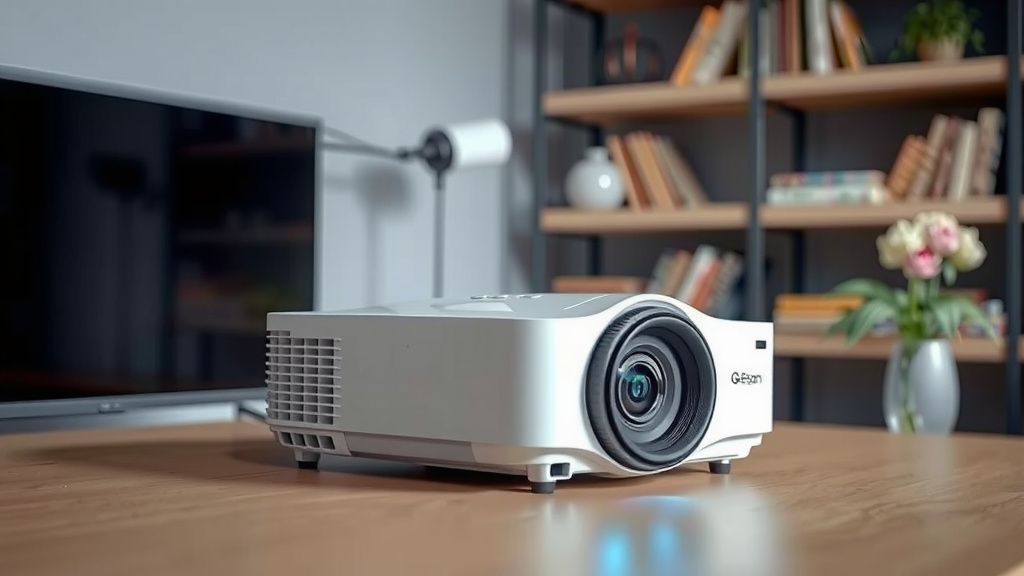
Comparing Key Features: Epson vs. LG at a Glance
Let’s put some of the key differences side-by-side. This might help you pinpoint which brand aligns better with your priorities.
| Feature | Epson | LG |
|---|---|---|
| Brightness (ANSI Lumens) | Often higher, great for rooms with ambient light. | Good, but often better suited for darker rooms. |
| Color Accuracy | Excellent, especially with 3LCD technology. | Very good, vibrant colors. |
| Smart Features | Varies by model; some have basic smarts, others rely on external devices. | Strong built-in smart platforms (like webOS) on many models. |
| Design | More traditional, functional designs. | Often sleek, modern, and sometimes very portable. |
| Technology | Primarily 3LCD. | Primarily DLP. |
| Best Use Case | Bright rooms, presentations, versatile home use. | Dark rooms, smart home integration, stylish setups. |
Making Your Choice: What Should You Prioritize?
So, which brand is the winner? It really comes down to what you need most from your projector.
- If you often watch movies or give presentations in a room that isn’t perfectly dark: Epson’s higher brightness capabilities might be your best bet.
- If you love the convenience of streaming apps without extra devices: LG’s integrated smart platforms offer a fantastic user experience.
- If you value natural, true-to-life colors above all else: Epson’s 3LCD technology is often praised for its color accuracy.
- If you want a projector that looks as good as it performs and is easy to set up: LG’s modern designs and smart features are very appealing.
- If you’re a gamer: Check the input lag for specific models from both brands. Some projectors are better suited for gaming than others.
Ultimately, both Epson and LG produce excellent projectors. You can’t go wrong with either brand if you choose a model that fits your specific needs. Think about your viewing environment, your budget, and the features that will bring you the most enjoyment.
Your Projector Checklist
Before you click “buy,” run through this quick checklist. It should help solidify your decision:
- Room Light: Can you control it? How bright is it typically?
- Primary Use: Movies, gaming, sports, presentations?
- Smart Features: Do you need built-in apps, or will you use a streaming stick?
- Picture Quality: How important are color accuracy and sharpness to you?
- Budget: How much are you comfortable spending?
- Portability: Will you move it around often?
Conclusion
You’ve seen how Epson and LG projectors each bring something special to the table. Epson often excels when you need a brighter picture for rooms with ambient light and demands top-tier color accuracy. LG, on the other hand, shines with its smart home integration and sleek designs, making it a convenient all-in-one entertainment hub, especially in darker viewing spaces. Your perfect projector depends on your specific needs, like room light, desired smart features, and primary use. Take a moment to review your checklist and prioritize what matters most to your setup. Your next step is to compare specific models from each brand that match your top priorities and budget.
Frequently Asked Questions
Which projector brand is better for gaming?
For gaming, you’ll want to look at input lag. Both Epson and LG offer models suitable for gaming, but you need to check the specifications of individual projectors. Some gaming-focused projectors from both brands have very low input lag for responsive gameplay.
Can I get a projector with built-in streaming apps from Epson?
While LG is renowned for its integrated smart platforms like webOS, Epson’s smart capabilities vary greatly by model. Some of their higher-end home theater projectors include smart features, but many entry-level or business models rely on external streaming devices.
Are LG projectors good for dark rooms?
Yes, LG projectors often perform exceptionally well in controlled, dark environments. Many of their models utilize DLP technology, which can deliver excellent contrast ratios, deep blacks, and vibrant colors, making them ideal for a dedicated home theater.
Which brand offers more affordable projector options?
Both Epson and LG offer projectors across a wide range of price points, from budget-friendly to premium. You can find entry-level options from both brands, but it’s always best to compare specific models within your budget to see which offers the best value for your needs.
What is the main difference between Epson’s 3LCD and LG’s DLP technology?
Epson primarily uses 3LCD technology, which employs three chips to project red, green, and blue light separately, often resulting in great color brightness and accuracy with minimal rainbow effect. LG often uses DLP technology, known for producing high contrast ratios and sharp images, particularly strong in darker scenes.