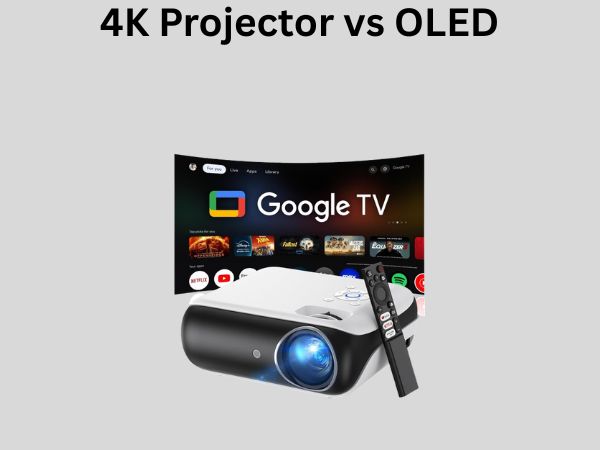
4K Projector vs OLED: Which Display Technology Is Best for Your Home Entertainment?
When you’re standing in the electronics aisle or browsing online for your next big entertainment purchase, you’ve probably found yourself caught between two powerhouse technologies: 4K projectors and OLED displays. It’s like being asked to choose between a concert in a grand stadium versus an intimate performance in your living room. Both offer incredible visual experiences, but they work in fundamentally different ways. Let me walk you through this decision so you can figure out which one truly fits your lifestyle and space.
Understanding 4K Projector Technology
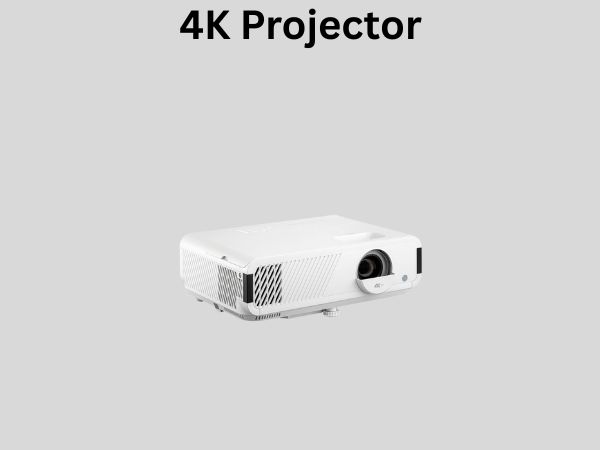
Let’s start with 4K projectors, because they’re the underdogs that are gaining serious traction in home theater circles. A 4K projector works by shooting light through a sophisticated lens system and displaying it onto a screen. The “4K” part means you’re getting a resolution of 3840 by 2160 pixels, which is four times sharper than traditional 1080p projectors.
How 4K Projectors Create Their Magic
Inside a modern 4K projector, you’ll find either DLP (Digital Light Processing), LCD, or LCoS (Liquid Crystal on Silicon) technology. These methods use mirrors, crystals, or liquid crystal panels to manipulate light and create the image you see on your screen. Think of it like a sophisticated light show where millions of tiny switches flip on and off thousands of times per second to paint the picture.
The brightness of a projector is measured in lumens, and here’s where things get interesting. Most quality 4K projectors pump out between 2,000 and 5,000 lumens, which is significantly more than what you’d think necessary. This brightness becomes your superpower in rooms with ambient light.
Native 4K vs Upscaled 4K
Here’s something important that often gets glossed over: not all 4K projectors are created equal. Some projectors are “native 4K,” meaning they actually have 4K resolution sensors. Others use a technique called upscaling to convert lower resolution content into 4K. It’s kind of like enlarging a photograph—you gain size but lose some detail. Native 4K projectors cost more but deliver sharper, more detailed images.
What Makes OLED Displays Special
OLED stands for Organic Light-Emitting Diode, and honestly, it’s one of the most revolutionary display technologies we’ve seen in decades. Unlike projectors that shine light onto a screen, OLED displays generate their own light at the pixel level. Each pixel is essentially a tiny light bulb that you can turn on or off independently.
The Pixel-Level Light Control Advantage
This pixel-level control is game-changing because it means true blacks. When you want a pixel to be black, OLED simply turns it off completely. There’s no light, no glow, just pure darkness. Traditional displays like LCD have a backlight that’s always on to some degree, which means blacks look more like dark gray. OLED’s ability to create perfect blacks gives it an infinite contrast ratio, which is something projectors simply cannot match.
OLED Display Sizes and Varieties
You’ll find OLED technology in several form factors now. OLED TVs are the most common, ranging from 48 inches to 97 inches in some premium models. There are also OLED computer monitors, portable displays, and even OLED projectors are starting to emerge. Each has its own strengths depending on your use case.
Picture Quality Comparison: A Detailed Look
When comparing picture quality between 4K projectors and OLED displays, we need to break this down into specific categories because neither technology dominates every single aspect.
Contrast Ratios and Black Performance
This is where OLED truly shines. The infinite contrast ratio of OLED creates an almost three-dimensional quality to the image. Blacks are genuinely black, which makes bright objects pop even more dramatically. A 4K projector, even an excellent one, will struggle here because the projection system always introduces some light scatter, preventing true blacks. If you watch a lot of movies with dark scenes or enjoy the dramatic impact of high contrast, OLED is your winner.
Resolution and Sharp Details
Both native 4K projectors and OLED TVs offer 4K resolution, so they’re technically equal here. However, the viewing distance matters. Sit 8 feet away from a 55-inch OLED TV and then sit the same distance from a projector screen that’s 100 inches across. The projector delivers a more immersive experience simply because the image takes up more of your visual field. For pure sharpness at your typical viewing distance, they’re competitive.
Color Volume and Vibrancy
Here’s where 4K projectors often get overlooked. Because they’re producing light actively, projectors can achieve higher color brightness and volume, especially with bright, saturated colors. OLED TVs, while having spectacular color accuracy, sometimes struggle with extremely bright colors because individual pixels have limits to how bright they can get. For movies and content mastered for cinema, projectors can deliver that theatrical experience more faithfully.
Brightness and Performance in Different Lighting Conditions
Let’s talk about the elephant in the room: ambient light. This is where these two technologies diverge dramatically.
OLED Performance in Bright Rooms
OLED displays are notoriously sensitive to room lighting. When you have bright sunlight streaming through windows or overhead lights on, OLED TVs struggle because they’re competing with external light sources. The pixels can only get so bright, and reflections on the screen become noticeable. OLED is really designed for controlled, dimmed viewing environments. If you watch television in a bright room during the day, this is a significant limitation.
4K Projectors in Varied Lighting
A 4K projector with 3,000 lumens or more can actually be watched in moderately lit rooms. Not ideal, but possible. The high brightness output means the projector can overcome some ambient light. However, like OLED, projectors truly shine in darkened rooms where they can deliver their full potential without competing with other light sources.
The practical reality? If you have a dedicated home theater room, both work great. If you have a living room that gets daytime use, the projector has an advantage, but neither is perfect in bright conditions.
Color Accuracy and Vibrancy
OLED’s Color Excellence
OLED TVs, particularly from premium manufacturers, have some of the most accurate color reproduction you’ll find in consumer displays. Professional colorists often use OLED monitors because they can trust what they’re seeing. The per-pixel light control means colors remain consistent and accurate across the screen, without color shifting at different angles.
Projector Color Capabilities
Premium 4K projectors can achieve remarkable color accuracy too, especially if you calibrate them properly. Laser-based 4K projectors, in particular, offer broader color gamuts and more consistent color reproduction. The advantage here really depends on the specific models you’re comparing and how well they’ve been calibrated.
Space and Installation Requirements
OLED Television Installation
OLED TVs are remarkably straightforward. You need a wall or stand, a power outlet, and that’s essentially it. They’re self-contained units that work right out of the box. Setup takes maybe 30 minutes including wall mounting. The screen size is limited by the physical dimensions of the TV itself, with 97 inches being about the practical maximum.
4K Projector Installation Complexity
Projectors demand more consideration. You need to think about throw distance (how far the projector sits from the screen), ceiling height, where to mount it, how to hide cables, and ventilation. You’ll also need a projection screen, which is an additional cost and consideration. However, this flexibility means you can create screen sizes from 80 inches to over 150 inches depending on your space.
Room Size Considerations
In smaller rooms under 200 square feet, OLED TVs often make more sense because a projector might be difficult to position properly. In larger rooms or dedicated theater spaces, a projector can create a more immersive, cinema-like environment that OLED simply can’t match in terms of screen size.
Durability and Lifespan Considerations
OLED Lifespan Concerns
This is something potential OLED buyers worry about, and rightfully so. OLED pixels gradually degrade over time, especially when displaying the same bright image continuously. This degradation is measured in hours, and manufacturers estimate OLED TVs will retain about 50% of their brightness after 50,000 to 100,000 hours of use. That sounds like forever until you do the math: that’s roughly 15 to 20 years of 8-hour-per-day viewing. Manufacturers have implemented technologies like pixel shifting to mitigate burn-in, and real-world experience shows OLED TVs are more durable than early skeptics feared.
4K Projector Longevity
Projectors have different lifespan concerns. Lamp-based projectors need bulb replacements every 3,000 to 5,000 hours, which is a recurring cost. Laser projectors last longer, often 20,000 to 30,000 hours, but they’re more expensive upfront. The other mechanical components of a projector can fail, and repairs can be costly.
Cost Analysis and Value
Initial Investment Breakdown
Let’s talk money because this often drives the decision. A quality 55-inch OLED TV typically costs between $1,200 and $2,500. A 4K projector with equivalent performance might run $1,500 to $3,000, but you need to add a screen ($200 to $1,000), potentially installation ($500 to $2,000), and calibration service ($200 to $500). So the total projector setup might end up being $2,400 to $6,500.
However, a projector can create a much larger display than OLED for roughly the same total investment. You could have a 100-inch projector experience for similar money to an 85-inch OLED TV.
Long-Term Cost Considerations
OLED is mostly maintenance-free. Projectors require bulb replacements, air filter cleaning, and potential repairs. These ongoing costs should factor into your decision.
Gaming Performance on Both Platforms
OLED Gaming Advantages
OLED TVs have become gaming powerhouses. They offer incredibly low input lag, high refresh rates (up to 144Hz on some models), and variable refresh rate support. The instant pixel response times mean almost zero motion blur. OLED’s perfect blacks also make dark games like “Elden Ring” or horror titles genuinely more immersive and terrifying. If gaming is your primary use case, modern OLED TVs are phenomenal.
Projector Gaming Experience
Gaming on projectors is possible but less ideal. Input lag can be higher, and many projectors don’t support high refresh rates. However, the massive screen size creates an incredibly immersive gaming environment that some gamers prefer over traditional displays. Newer projectors are improving in this area.
Connectivity and Smart Features
OLED Television Connectivity
OLED TVs come with built-in smart TV platforms, multiple HDMI 2.1 ports, USB connections, and wireless connectivity. They integrate easily with your smartphone, smart home systems, and streaming services. Everything you need is built-in.
Projector Connectivity
Projectors are more barebones. You’ll typically connect via HDMI to an external device like an Apple TV, Roku, or gaming console. This isn’t a disadvantage per se, but it means more devices in your setup and more cables to manage.
Maintenance and Care
OLED Maintenance
OLED requires minimal maintenance. Avoid leaving static images on screen for extended periods. Use the built-in pixel refresh feature periodically. Clean the screen with appropriate materials to avoid scratches. That’s basically it.
Projector Maintenance
Projectors need regular air filter cleaning to prevent dust buildup and overheating. Lamp-based projectors require bulb replacements. The projector lens occasionally needs cleaning. The projection screen should be treated carefully to avoid wrinkles or damage. It’s more involved than OLED care.
Viewing Experience for Different Content Types
Movies and Cinematic Content
For films, especially dark movies and thrillers, OLED’s superior contrast creates an exceptional experience. However, a large-screen projector in a dedicated theater room approaches the theatrical experience more closely. Choose OLED for better black levels and detail; choose a projector for that cinema-like immersion.
Sports and Bright Content
Sports benefit from projector’s higher brightness and color volume. The large screen makes following action across a wide field easier. OLED is excellent too but can struggle with the bright, vivid colors typical of sports broadcasts.
Television Shows and News
Standard content works beautifully on both. OLED’s superior resolution clarity and projectors’ immersive scale both enhance the experience.
Environmental Impact
OLED TVs use less power than projectors, especially laser projectors. A typical OLED TV consumes 100 to 150 watts during normal use, while projectors commonly use 200 to 400 watts. Over years of use, the energy difference adds up. OLED is the more environmentally conscious choice from a power consumption perspective.
Making Your Final Decision
Choose OLED If You Value
- Superior contrast and perfect blacks
- Compact installation and minimal setup
- Lower power consumption
- Gaming performance and responsiveness
- Easy smart TV features and connectivity
- Minimal maintenance requirements
- Watching in naturally lit rooms
Choose a 4K Projector If You Prioritize
- Ultra-large screen sizes (80+ inches)
- Theatrical cinema experience
- Bright room capability
- High color volume and brightness