3LCD vs Laser Projector: Which Projection Tech Is Better?
When you’re shopping for a projector, you’re probably feeling a bit overwhelmed by all the technical jargon and competing claims. Should you go with a 3LCD projector or invest in a laser projector? This question has stumped countless buyers, and for good reason—both technologies have their own unique strengths and weaknesses. In this comprehensive guide, I’m going to walk you through everything you need to know to make an informed decision that actually matches your specific needs.
Understanding the Basics: What Are 3LCD and Laser Projectors?
Before we can compare these two technologies, let’s get clear on what we’re actually talking about. Think of a projector as the middleman between your content and your screen—it takes a small image and magnifies it to fill a much larger space. The way different projectors accomplish this task is where things get interesting.
What Is 3LCD Technology?
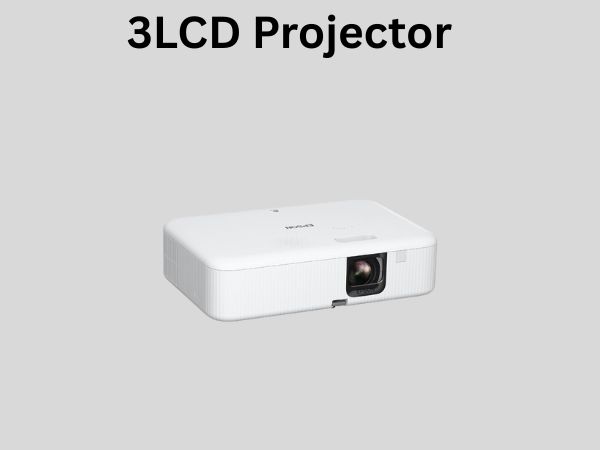
3LCD projectors use a technology that’s been around for quite a while now, and honestly, it’s pretty clever when you understand how it works. Inside these projectors, white light passes through a prism that splits it into three separate beams: red, green, and blue. Each of these colored beams then travels through its own liquid crystal display panel—hence the name 3LCD. This is where the magic happens. Each panel manipulates its specific color information independently, and then all three beams get recombined before hitting your screen.
The beauty of this approach is that all three color channels work simultaneously. Imagine you’re conducting an orchestra with three musicians playing different instruments in harmony—that’s essentially what’s happening inside a 3LCD projector. The result is typically vibrant, bright images with excellent color accuracy when the projector is properly calibrated.
What Is Laser Projection Technology?
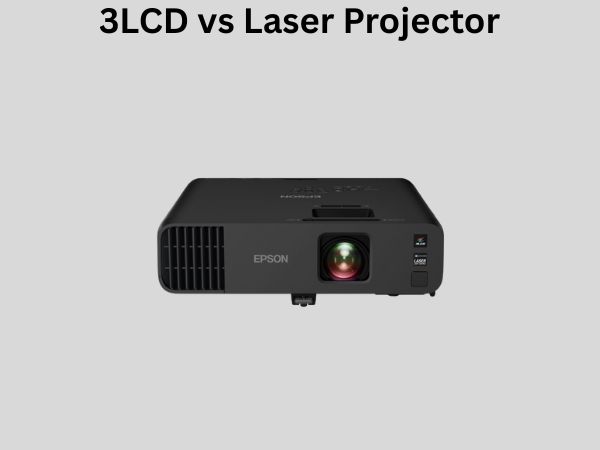
Laser projectors take a fundamentally different approach to creating images. Instead of using traditional lamps or LEDs, these projectors use powerful laser light sources to generate the illumination. Some laser projectors use red, green, and blue lasers directly (RGB laser), while others use a blue laser combined with phosphor wheels to generate other colors.
The laser source is incredibly bright and precise, which means you get a sharp, punchy image with excellent contrast. Laser projectors can maintain consistent brightness and color performance for much longer periods than traditional lamp-based systems. It’s kind of like the difference between a flickering candle and a steady flashlight—lasers just deliver more consistent, reliable light.
Brightness Comparison: How They Stack Up
3LCD Brightness Performance
Modern 3LCD projectors can produce impressively bright images, and many business-grade models deliver brightness levels ranging from 2,500 to 5,000 lumens or even higher. For most office environments and smaller rooms, this brightness is more than adequate. You can comfortably use a 3LCD projector in a moderately lit room without needing to close all the curtains and turn off every light.
The brightness you get from a 3LCD projector is consistent throughout its lifespan, though it will gradually diminish as the lamp ages. This means you can rely on stable, predictable performance from day one until the lamp needs replacement.
Laser Brightness Performance
Here’s where laser projectors really start to show their muscles. Premium laser projectors can achieve brightness levels of 3,000 to 20,000 lumens depending on the model and price point. This extraordinary brightness opens up possibilities that were previously impossible—like projecting in large auditoriums, outdoor venues, or extremely bright conference rooms without any light control.
What’s even more impressive is that laser projectors maintain their brightness consistently over their entire operational lifespan. While a 3LCD lamp gradually dims over thousands of hours, a laser projector will deliver the same punchy brightness whether it’s brand new or has been in use for five years. That’s a significant advantage for mission-critical applications where consistency matters.
Color Quality and Accuracy: Where They Differ
3LCD Color Strengths
One of the traditional strengths of 3LCD technology is its ability to produce natural, accurate colors right out of the box. Because all three color channels are working simultaneously, the projector can deliver smooth color transitions and gradations. This is particularly noticeable when you’re viewing content with complex color blending—like nature documentaries, artistic presentations, or photo slideshows.
Many color-critical professionals, such as graphic designers and photographers, have historically preferred 3LCD projectors because of this color accuracy. The technology naturally lends itself to faithful color reproduction because each color is being processed independently and completely.
Laser Color Considerations
Laser projectors have made tremendous strides in color performance over the past several years. RGB laser projectors, which use separate red, green, and blue lasers, can actually achieve superior color gamut compared to 3LCD—meaning they can display a wider range of colors. This is particularly valuable for professional applications like cinema projection or high-end visualization.
However, some laser projectors use blue laser combined with phosphor wheels, and these models can sometimes exhibit slight color shift or reduced color smoothness compared to pure RGB laser or 3LCD solutions. It’s not a dealbreaker, but it’s worth being aware of, especially if color accuracy is critical for your use case.
Contrast Ratio and Image Quality
How 3LCD Handles Contrast
3LCD projectors typically deliver good contrast ratios, though they can sometimes struggle in completely dark environments compared to laser alternatives. When you’re projecting pure black, the liquid crystal display panels do let a small amount of light pass through, which can affect the deepness of your blacks. In bright environments, however, this limitation is barely noticeable.
The good news is that 3LCD projectors produce excellent mid-tone detail. If you’re watching a movie scene where characters are walking through a dimly lit hallway, you’ll likely see more shadow detail with a 3LCD projector than with some laser alternatives. This can actually be preferable if you’re concerned about losing subtle details in darker portions of your content.
Laser Contrast Advantages
Laser projectors generally excel at producing deep, dark blacks because lasers can be turned on and off with incredible precision. Some high-end laser projectors achieve contrast ratios that are simply stunning—we’re talking 10,000:1 or higher. This means the brightest whites and darkest blacks have a dramatic separation, which creates a sense of depth and visual punch.
For cinematic content, dramatic presentations, or any scenario where you want images that really pop off the screen, laser projectors have a clear advantage. The crisp, high-contrast images they produce are genuinely impressive and can captivate an audience more effectively than the softer contrast you get from 3LCD.
Lamp Life and Maintenance Requirements
3LCD Lamp Considerations
3LCD projectors rely on traditional projection lamps, typically UHP (Ultra High Performance) or similar technology. These lamps have a finite lifespan—usually rated for around 2,000 to 3,000 hours of use, though some newer lamps can last 4,000 to 5,000 hours. After that, performance degrades noticeably and you’ll need to replace the lamp.
The lamp replacement process is relatively straightforward, but it does come with ongoing costs. A replacement lamp can range anywhere from $150 to $400 or more depending on the projector model. If you’re using your projector heavily—say, 8 hours a day in a classroom or conference room—you could be replacing the lamp every few months. This adds up financially over time.
Additionally, 3LCD projectors generate more heat than laser alternatives because lamps are inherently less efficient at converting electricity to light. This means the cooling system has to work harder, which can create more noise in some models.
Laser Maintenance Advantages
This is where laser projectors really shine—literally and figuratively. Laser light sources have virtually unlimited lifespans in practical terms. Most manufacturers rate laser light sources at 20,000+ hours, and many claim they’ll last 30,000 hours or more before requiring replacement. For most users, this means you might never need to replace the light source during your ownership of the projector.
No lamp replacements mean no ongoing consumable costs, which dramatically improves the total cost of ownership for organizations that use projectors regularly. Beyond just the financial savings, you also gain tremendous convenience. You don’t have to worry about scheduling maintenance windows, keeping spare lamps on hand, or dealing with the logistics of lamp replacement.
Laser projectors also run cooler and quieter since they’re more efficient at converting electrical energy to usable light. This is a genuine quality-of-life improvement, especially if you’re presenting in a small conference room where projector noise might be distracting.
Cost Analysis: The Price Factor
3LCD Projector Pricing
One of the most compelling arguments for 3LCD projectors is their accessibility in terms of upfront cost. You can find quality 3LCD projectors for business use starting around $500 to $1,500 for entry-level models. Mid-range professional 3LCD projectors typically range from $2,000 to $8,000, and high-end models can exceed $15,000.
The lower entry price point makes 3LCD an attractive option for small businesses, educational institutions, or individuals setting up a home theater system. When you’re working with a tight budget, the lower initial investment can be a deciding factor. Just remember to factor in the long-term lamp replacement costs when calculating true ownership expenses.
Laser Projector Pricing
Laser projectors represent a more significant investment upfront. Entry-level laser projectors typically start around $3,000 to $5,000, while professional-grade models can easily exceed $15,000, $25,000, or even more for premium cinema-grade projectors. This substantial price difference can be a barrier for many organizations.
However—and this is crucial—when you factor in the elimination of lamp replacement costs over a five or ten-year period, the true cost of ownership can actually become more competitive than you might initially think. An organization that spends $500 every few months replacing lamps might actually come out ahead by choosing a laser projector despite the higher initial cost.
Noise Levels and Operating Environment
3LCD Noise Characteristics
Because 3LCD projectors use traditional lamps and require active cooling to manage the heat those lamps generate, they tend to produce more noise than laser alternatives. Depending on the model and cooling mode, you might hear a noticeable humming or whirring sound during operation. Some projectors have quiet modes that reduce this noise, but it comes at the cost of reduced brightness.
If you’re using a 3LCD projector in a quiet environment like a small meeting room, library, or bedroom, the noise can become distracting. It’s something you’ll want to audition in person if possible, because noise tolerance is subjective.
Laser Noise Performance
Laser projectors operate much more quietly because they don’t need aggressive cooling systems. Many laser projectors are nearly silent during operation, creating a more immersive viewing experience without that background hum. This makes them ideal for presentations, lectures, or home theater use where silence enhances the experience.
Specific Use Cases: Where Each Technology Excels
3LCD for Educational Environments
Schools and universities often favor 3LCD projectors because of the reasonable upfront cost and adequate brightness for classroom environments. The color accuracy is also beneficial for educational content that might include diagrams, charts, or photographs. If a lamp burns out during the school year, the cost and hassle of replacement is manageable compared to projectors in other markets.
Laser for Large Venue Presentations
When you’re presenting to hundreds of people in an auditorium or outdoor venue, laser projectors are typically the better choice. The extreme brightness ensures your content is visible even in challenging lighting conditions, and the reliability means you won’t have lighting failures during critical presentations. The sharp contrast and detail also make content more engaging for large audiences.
3LCD for Color-Critical Work
Graphic designers, photographers, and digital artists often prefer 3LCD projectors for reviewing work because of the excellent color accuracy and smooth color gradations. The natural color rendering of 3LCD technology is hard to beat for color-critical applications.
Laser for Cinema and Entertainment
Movie theaters and entertainment venues increasingly favor laser projection because of the superior contrast, extreme brightness capability, and consistency. The visual impact of laser projection creates a more compelling cinematic experience.
Reliability and Lifespan Considerations
3LCD projectors are proven, established technology with a long track record of reliability. Manufacturers have had decades to perfect the design, and as a result, these projectors are generally quite dependable. However, their reliance on aging lamp technology means that over time, you’ll see gradual brightness loss and eventually lamp failure.
Laser projectors are newer technology, but they’ve demonstrated impressive reliability in real-world deployments. Because there are no consumable lamps to replace, the failure rate is often lower. When something does fail in a laser projector, it’s typically more complex to repair because the technology is more sophisticated. However, the long-term reliability trend is very positive.
Environmental Impact
Energy Consumption
Laser projectors are significantly more energy-efficient than 3LCD projectors. A 3LCD projector might consume 250-400 watts of power, while a comparable laser projector might use only 150-250 watts. Over the lifetime of a projector, this efficiency advantage translates to lower electricity bills and reduced environmental impact.
Waste and Recycling
3LCD projectors generate more electronic waste because you’re regularly replacing lamps, which eventually end up in landfills or recycling centers. Laser projectors eliminate this waste stream almost entirely, making them the greener choice for environmentally conscious organizations.
Making Your Decision: A Practical Framework
Here’s how I recommend approaching this decision. First, identify your primary use case and environment. Are you working in a brightly lit classroom, a dark conference room, or an outdoor venue? Are you concerned primarily with color accuracy, brightness, or cost?
Next, calculate your true cost of ownership. Don’t just look at the sticker price—factor in lamp replacement costs over the period you expect to own the projector. For many organizations using projectors heavily, this calculation changes the decision completely.
Consider your noise tolerance and operating environment. If you work in quiet spaces, laser’s silent operation is valuable. If noise isn’t a concern, this factor becomes irrelevant.
Finally, think about future-proofing your investment. As technology advances, laser projection is becoming increasingly dominant. Choosing laser today means your investment will remain relevant for longer.
Conclusion
So which is better—3LCD or laser projection? The honest answer is that it depends entirely on your specific circumstances, priorities, and constraints. There isn’t a universal winner here; there’s only the right choice for your situation.
3LCD projectors remain an excellent choice if you need affordable upfront cost, excellent color accuracy, and proven reliability. They’re particularly suitable for educational settings, small businesses, and home theater enthusiasts with moderate budgets. The technology is mature, well-understood, and delivers genuine value in the right context.
Laser projectors represent the future of projection technology, and they’re the superior choice if brightness, silence, reliability, and long-term cost of ownership matter most. They’re ideal for large venues, professional presentations, and organizations that run projectors frequently. The higher initial investment is often justified when you consider the elimination of lamp replacement costs and the superior performance characteristics.
The