3LCD Projector vs DLP: Technology Comparison Explained
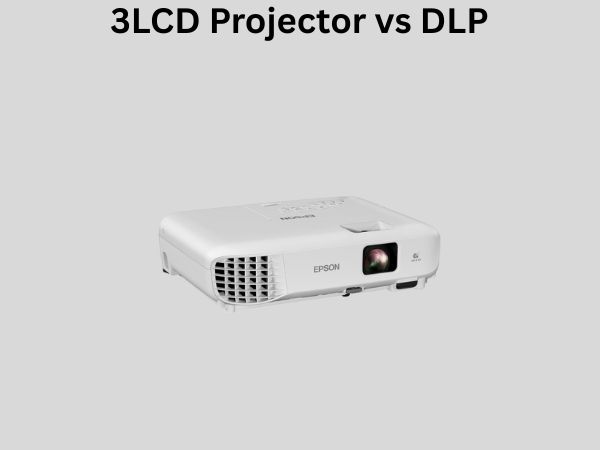
When you’re shopping for a projector, you’ve probably stumbled upon two major technologies that keep popping up: 3LCD and DLP. But what do these acronyms actually mean, and more importantly, which one should you bring home? I’ve spent considerable time researching and comparing these two technologies, and I’m here to break down everything you need to know in a way that actually makes sense.
Think of choosing between 3LCD and DLP like deciding between two different car engines—they both get you where you need to go, but they work in completely different ways and have their own strengths and weaknesses. Let’s dive deep into understanding how these projectors function and what makes each one special.
Understanding the Basics: What Are 3LCD and DLP Projectors?
Before we compare these two technologies head-to-head, we need to understand what we’re actually talking about. The names might sound confusing at first, but once you grasp the fundamentals, everything else falls into place.
What Does 3LCD Stand For?
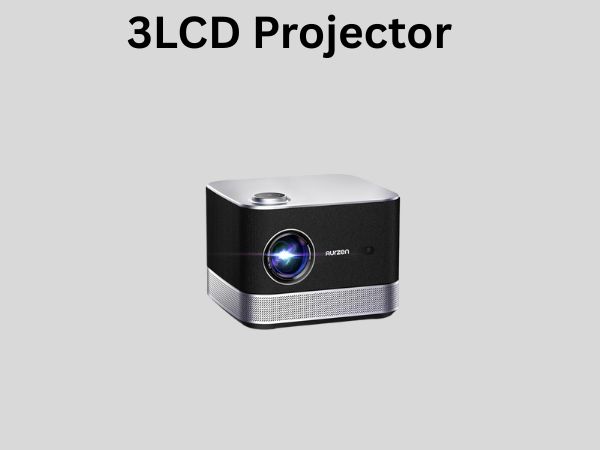
3LCD stands for three-liquid crystal display. Imagine three separate glass panels, each one responsible for a different color: red, blue, and green. These three panels work together in harmony, like an orchestra with each instrument playing its part. The light source (usually a lamp or laser) gets split into three color channels, and each channel is processed independently before being recombined to create the final image you see on your screen.
This technology was developed by Epson and remains their flagship projection technology. It’s been refined over decades, making it incredibly reliable and well-established in both consumer and professional markets.
What Does DLP Stand For?
DLP stands for digital light processing. Instead of using three separate panels, DLP relies on something called a Digital Micromirror Device (DMD). Imagine a tiny chip covered with thousands of microscopic mirrors—we’re talking about mirrors so small that they’re measured in micrometers. These mirrors flip incredibly fast, directing light either toward the screen or away from it, creating the image you see.
Texas Instruments invented this technology, and it’s become the standard in cinema projectors and many home entertainment systems. The speed at which these mirrors move is absolutely mind-boggling—we’re talking millions of times per second.
How 3LCD Technology Actually Works
The Light Path Journey
Let me walk you through exactly what happens when you turn on a 3LCD projector. First, a bright light source generates white light. This light travels to a special prism called a dichroic mirror array. Think of this as a traffic cop that directs different colors down different roads.
The dichroic mirror splits the white light into three separate beams: red, blue, and green. Each beam then travels to its own liquid crystal display panel. These panels are essentially incredibly sophisticated shutters that can control how much light passes through at each pixel. The LCD panels work similarly to your laptop screen or smartphone—they have millions of tiny pixels that can be controlled individually.
After the light has been processed by each panel, it recombines through another prism system and shoots through the projector lens onto your screen. The entire process happens so quickly that your eye perceives it as a continuous, smooth image.
Key Advantages of 3LCD Technology
- Exceptional color accuracy and brightness since all three colors are being projected simultaneously
- No rainbow effect (which I’ll explain later when we talk about DLP)
- Excellent for text and detailed graphics because of the panel structure
- Generally more affordable than DLP projectors in certain price ranges
- Better for bright room environments
How DLP Technology Actually Works
The Micromirror Magic
Now let’s explore how DLP creates images using its tiny mirror chip. The Digital Micromirror Device is essentially a computer chip covered with around 2 million microscopic mirrors (depending on the model). Each mirror represents one pixel in your image.
Here’s where it gets really clever: when a mirror is switched on, it reflects light toward the lens and screen. When it’s switched off, it deflects light away from the screen. This happens at incredible speeds—thousands of times per second for each mirror.
To create colors, DLP uses one of two methods. Older DLP projectors use a color wheel that rotates rapidly, sequentially displaying red, green, and blue light. Newer models use three separate DLP chips (one for each color), similar to how 3LCD uses three panels. This newer approach is called 3-chip DLP.
Key Advantages of DLP Technology
- Incredibly sharp and detailed images due to the pixel structure
- Excellent contrast ratios and deep blacks
- More compact and portable than many 3LCD projectors
- Lower maintenance costs since there are no filters to replace
- Superior for movies and cinema-quality content
Head-to-Head Comparison: Image Quality
Brightness and Light Output
When it comes to brightness, 3LCD projectors typically have the upper hand. Because all three colors are projected simultaneously, 3LCD projectors can achieve higher brightness levels than single-chip DLP projectors. If you’re planning to use your projector in a room that gets natural light, a 3LCD projector will generally serve you better.
That said, high-end DLP projectors—especially those with 3-chip configurations—can deliver impressive brightness too. It’s not that DLP is inherently dimmer; it’s just that in the consumer market, 3LCD tends to push the brightness envelope a bit further.
Color Accuracy and Vibrancy
This is where things get interesting. 3LCD projectors excel at producing accurate, vibrant colors because they’re handling all three color channels simultaneously. There’s no degradation of color as you move across the image, and you get consistent color from edge to edge.
DLP projectors, particularly single-chip models with color wheels, can sometimes exhibit a slight color shift in certain areas. However, this is a minor issue for most users, and many people never notice it. The color quality of modern DLP projectors is genuinely impressive.
The Infamous Rainbow Effect
Here’s something you’ve probably heard about: the rainbow effect in DLP projectors. This occurs with single-chip DLP projectors using a color wheel. Sometimes, when you move your eyes or notice fast-moving objects, you might see red, green, and blue colors separating momentarily. It’s like catching a glimpse of the color wheel’s rotation.
Not everyone sees the rainbow effect, and many people who own DLP projectors never notice it. But if you’re sensitive to it, it can be annoying. The good news? 3LCD doesn’t have this issue at all, and neither do 3-chip DLP projectors.
Contrast and Black Levels
DLP projectors generally produce superior contrast ratios and deeper black levels. This is because of how the micromirror technology works—when those mirrors are turned off, they direct light completely away from the screen, resulting in truly dark blacks.
3LCD projectors achieve good contrast, but there’s always a tiny amount of light leak because light passes through the LCD panels themselves. It’s like the difference between closing a door completely versus leaving it slightly ajar. For movie watching and dark room viewing, DLP’s superior black levels make a noticeable difference.
Text and Detail Rendering
If you’re going to be using your projector for presentations, spreadsheets, or detailed graphics, 3LCD projectors have a slight advantage. The LCD panel structure makes them excellent at rendering sharp text and detailed information. The pixels line up in a neat grid, which helps with clarity.
DLP projectors also render text well, especially newer models, but some users report that 3LCD handles fine details with a bit more precision. For business presentations, this might be an important consideration.
Maintenance and Longevity Comparison
Filter Maintenance in 3LCD
3LCD projectors require regular filter maintenance. That bright light source generates heat, and to prevent overheating, these projectors use air filters that need cleaning or replacement. Depending on how heavily you use your projector, you might need to replace filters every few hundred to thousand hours of use.
This isn’t a huge hassle, but it’s an ongoing maintenance requirement. Think of it like changing the oil in your car—necessary for keeping everything running smoothly, but it requires attention.
DLP’s Maintenance Advantage
DLP projectors generally have lower maintenance requirements. Since they don’t rely on light passing through filters in the same way, the filter maintenance is minimal. This can save you money over the projector’s lifetime and reduces the hassle factor.
However, DLP projectors still have lamp or laser light sources that eventually need replacement, just like 3LCD units. Neither technology eliminates the need for eventual bulb replacement.
Noise Level Considerations
3LCD projectors can be noisier than DLP projectors because of their cooling fan requirements. The light source generates significant heat, requiring active cooling. This fan noise can be noticeable, especially in quiet environments.
DLP projectors tend to run quieter, making them better suited for quiet viewing environments like home theaters. If noise is a concern for you, DLP generally wins this round.
Price Comparison and Value Proposition
Entry-Level Pricing
In the budget category, 3LCD projectors often offer better value. You can find capable 3LCD projectors at lower price points than comparable DLP units. If you’re watching your budget closely, this matters.
Mid-Range and Premium Markets
As you move up the price ladder, DLP projectors become increasingly competitive. High-end DLP projectors, especially 3-chip models, command premium prices but deliver cinema-quality performance that justifies the cost.
The price difference often comes down to specific features, brightness levels, and whether you’re getting single-chip or 3-chip technology. It’s not necessarily that one technology is more expensive overall; rather, the pricing depends on the specific model and its features.
Best Use Cases for 3LCD Projectors
- Business presentations and corporate training
- Classroom and educational settings
- Bright room environments where high brightness is necessary
- Applications requiring excellent text clarity
- Budget-conscious buyers seeking good overall performance
- Users sensitive to the rainbow effect
Best Use Cases for DLP Projectors
- Home theater and movie viewing
- Gaming in dark room environments
- Professional cinema installations
- Situations where minimal maintenance is preferred
- Quiet operating environment requirements
- Applications where superior black levels matter
Laser and LED Light Sources
Before we wrap up, I should mention that both 3LCD and DLP technologies are evolving. Traditional lamp-based projectors are being challenged by laser and LED light sources.
3LCD projectors increasingly use laser or LED light sources instead of traditional lamps. Similarly, DLP projectors are adopting these newer technologies. These light sources offer longer lifespans, better color stability, and improved efficiency. If you’re shopping for a new projector, you’ll want to consider what type of light source the model uses, regardless of whether it’s 3LCD or DLP.
Making Your Final Decision
So which technology should you choose? Here’s the honest truth: both are excellent. The best choice depends entirely on your specific needs and priorities.
Choose 3LCD if you need high brightness, excellent color accuracy, plan to use it in varied lighting conditions, or are budget-conscious. Choose DLP if you’re building a home theater, want superior blacks and contrast, prefer low maintenance, or need quiet operation. Neither choice is wrong—they’re just different tools for different jobs.
Conclusion
The debate between 3LCD and DLP projectors has been ongoing for years, and honestly, both technologies have proven their worth in the marketplace. 3LCD excels at brightness, color accuracy, and text rendering, making it ideal for diverse applications from business to education. DLP counters with superior contrast, quieter operation, and lower maintenance requirements, making it the choice for dedicated home theater enthusiasts.
Rather than viewing this as a competition where one technology emerges victorious, I prefer to see it as two different approaches that each serve their purpose admirably. Your final decision should be based on your specific use case, room environment, budget, and priorities. Visit a showroom if possible, see both technologies in action, and imagine how they’ll fit into your life. That hands-on experience often proves more valuable than any specification sheet or comparison article. Whatever you choose, you’re getting proven, reliable technology that will deliver years of enjoyment.
Frequently Asked Questions
Can I use a 3LCD projector for home theater movies?
Absolutely! While DLP projectors are often associated with home theater, 3LCD projectors work wonderfully for movie watching. The main difference is that DLP typically offers deeper blacks, while 3LCD offers brighter images with excellent color. For movie watching in a dedicated dark room, DLP has a slight edge, but many home theater enthusiasts are perfectly happy with high-quality 3LCD projectors. Your personal preference and the specific model matter more than the technology type itself.
Will I definitely see the rainbow effect with a DLP projector?
No, you won’t necessarily see it. The rainbow effect primarily affects single-chip DLP projectors with color wheels, and even then, not everyone perceives it. Many DLP projector owners never notice it at all. People with fast eye movements or those who specifically look for it are more likely to spot it. Additionally, 3-chip DLP projectors eliminate this issue entirely, and newer DLP technology continues to minimize it.
Which technology lasts longer?
Both 3LCD and DLP projectors have comparable lifespans when properly maintained. The longevity depends more on the light source (lamp, laser, or LED) and overall build quality than on the core technology. Modern projectors, whether 3LCD or DLP, typically last thousands of hours. With proper maintenance and care, you can expect 5-10 years or more of reliable service from either technology.
Are 3LCD or DLP projectors better for outdoor use?
3LCD projectors generally perform better outdoors because they typically offer higher brightness levels, which is crucial for competing with ambient light. However, both technologies can work outdoors if you choose a sufficiently bright model. For outdoor movie nights in your backyard, you’ll want to prioritize brightness above all else, which usually means looking at high-lumen 3LCD or high-end DLP projectors.
What about energy consumption—which is more efficient?
Modern 3LCD and DLP projectors have comparable energy efficiency, though it varies by specific model and light source. Projectors with laser or LED light sources are generally more efficient than those with traditional lamps, regardless of whether they’re 3LCD or DLP. When shopping, check the power consumption specifications for the specific models you’re considering rather than assuming one technology is inherently more efficient than the other.
“`