3D TV vs Projector: Which One Should You Buy?
Are you standing in your living room wondering whether to invest in a cutting-edge 3D television or take the plunge with a home projector system? You’re not alone. This decision has puzzled countless home entertainment enthusiasts, and honestly, there’s no one-size-fits-all answer. Let me walk you through everything you need to know to make an informed choice that actually fits your lifestyle and budget.
Understanding the Core Differences
Before we dive deep into the specifics, let’s establish what we’re really comparing here. A 3D TV is a traditional television set that displays three-dimensional content through special glasses or glasses-free technology. A projector, on the other hand, is a device that beams images onto a screen or wall, creating a much larger viewing experience. Think of it like comparing a restaurant meal you eat at home versus the same meal served at a massive dining hall—the content might be similar, but the experience feels completely different.
What Makes 3D TVs Unique?
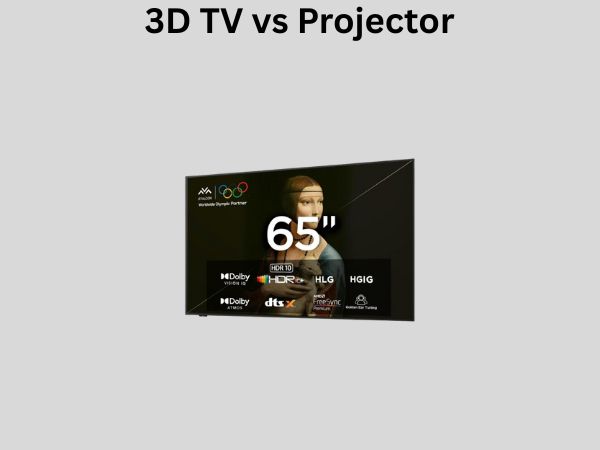
3D televisions revolutionized how we watch content by adding depth perception to our viewing experience. When you watch a 3D movie or sports event on a compatible TV, you’re seeing multiple layers of imagery that create the illusion of objects coming toward you or receding into the distance. This technology has evolved significantly over the past decade, and modern 3D TVs offer much better image quality than their earlier counterparts.
The Projector Experience Explained
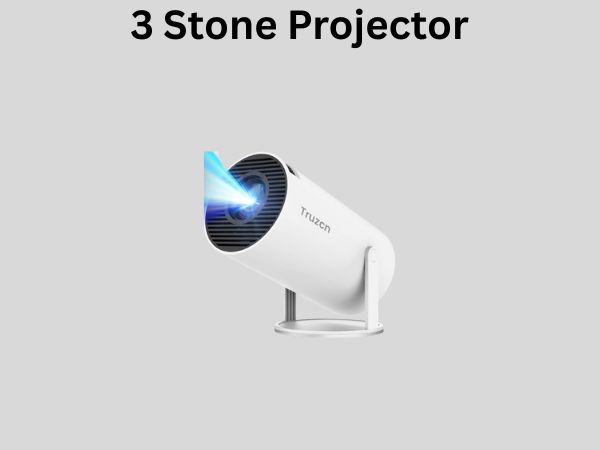
Projectors work on a completely different principle. Instead of displaying images on a confined screen, they project light onto a much larger surface, typically a wall or dedicated projection screen. This creates a cinema-like atmosphere in your own home. The beauty of projectors lies in their ability to transform any room into an entertainment venue, and they’re incredibly popular among movie enthusiasts and gamers who want that immersive, larger-than-life experience.
Picture Quality and Image Performance
3D TV Image Quality
Modern 3D TVs deliver exceptional picture quality, thanks to advancements in LED, QLED, and OLED technologies. The color accuracy, contrast ratios, and brightness levels you get from today’s premium televisions are genuinely impressive. When you’re watching standard 2D content—which let’s be honest, is most of what we watch—a high-end TV will absolutely blow your mind with its clarity and vibrancy.
The 3D aspect adds another layer of enjoyment for compatible content. Sports broadcasts, nature documentaries, and blockbuster movies filmed in 3D look absolutely stunning on these screens. However, and this is important, not all content is available in 3D format. You’ll be limited to specific movies, TV shows, and sports events that were originally shot or converted to 3D.
Projector Image Quality
Here’s where projectors play a different game entirely. The quality of your projected image depends heavily on several factors: the projector’s lumens output, resolution, contrast ratio, and most importantly, the quality of your projection screen and the darkness of your room. A premium projector in a properly set up dark room can deliver cinema-quality images that honestly rival what you’d see in a commercial movie theater.
The larger screen size inherently creates a more immersive viewing experience. When you’re sitting in your home theater with a 120-inch projected image, the scale and impact are genuinely different from watching the same content on an 85-inch TV. Your peripheral vision gets engaged, and you feel more connected to what’s happening on screen.
Screen Size and Viewing Space Considerations
TV Size Limitations
Even the largest consumer televisions max out around 98 inches diagonally. Most homes have 3D TVs ranging from 55 to 75 inches. While these sizes are absolutely comfortable for most living rooms, there’s a physical limit to how big a TV you can realistically install in your space. You also need to consider viewing distance—sitting too close to a large TV causes eye strain, and sitting too far reduces the impact of the viewing experience.
Projector Flexibility
Projectors offer remarkable flexibility in terms of screen size. Want a 100-inch screen? You’ve got it. Prefer 150 inches? Absolutely possible. You can adjust the image size based on your distance from the wall and your room’s architecture. This adaptability makes projectors ideal for people who have dedicated theater rooms or want maximum viewing impact without the constraints of a fixed television frame.
Cost Analysis: Initial Investment and Long-Term Expenses
3D TV Pricing
A quality 3D-capable TV requires a significant upfront investment. You’re looking at anywhere from $800 to $3,000 or more for a premium model with excellent picture quality and 3D functionality. The good news? Once you’ve made that purchase, your ongoing costs are minimal. You might need to buy 3D glasses if they don’t come included, and eventually you’ll replace the TV itself, but the day-to-day operating costs are virtually zero.
Projector System Investment
Here’s where projector costs become more nuanced. The projector itself might cost anywhere from $500 for a basic model to $5,000 or more for a premium cinema projector. But that’s just the beginning. You’ll need a quality projection screen ($300 to $2,000), proper mounting hardware, potentially room darkening solutions, and an audio system to match the visual experience. Your total system investment could easily exceed what you’d spend on a high-end TV.
Additionally, projectors have consumable components. The bulbs or light sources degrade over time and need replacement, which can cost $100 to $500 depending on the projector model. If you use your projector frequently, you might replace the bulb every 2,000 to 5,000 hours of use, which translates to real ongoing expenses.
Content Availability and Compatibility
3D Content Landscape
Let’s be frank about this: 3D content has lost momentum in recent years. While streaming services like Netflix and Amazon Prime originally offered some 3D content, that library has shrunk significantly. Blu-ray discs still offer 3D movies, and some sports events are broadcast in 3D, but the golden era of widespread 3D entertainment has largely passed. If your main goal is watching 3D content, the available options have become limited.
Projector Content Flexibility
Projectors, on the other hand, can display virtually any content source without limitation. Whether you’re streaming from Netflix, watching cable television, playing video games, or projecting your computer screen for presentations, projectors handle it all seamlessly. Some premium projectors even offer native 3D support if that’s important to you, giving you the best of both worlds.
Installation and Space Requirements
TV Installation Simplicity
Installing a 3D TV is straightforward. You mount it on a wall or place it on a stand, connect your cables, and you’re essentially ready to go. Setup takes an hour or two, and there’s minimal complexity involved. This plug-and-play approach appeals to people who don’t want to spend time on technical installation.
Projector Installation Complexity
Projector installation is more involved. You need to determine the optimal projection distance, mount the projector securely, set up your projection screen, calibrate the image alignment, and possibly install blackout curtains or blinds to control ambient light. If you’re renting your home or prefer flexibility, projector installation might feel like a commitment that requires permanent modifications to your space.
Viewing Comfort and Eye Health
3D TV Glasses and Eye Strain
Here’s something people don’t always discuss openly: watching 3D content with glasses can cause eye fatigue for some viewers. The glasses add weight to your face, can feel uncomfortable during extended viewing sessions, and some people experience headaches or dizziness from the 3D effect. Additionally, if anyone in your household wants to watch with you, everyone needs their own pair of 3D glasses, which can get expensive and cumbersome.
Projector Viewing Comfort
Projectors eliminate the glasses requirement for standard viewing (unless you specifically want 3D). The larger screen size and cinema-like environment can actually be more comfortable for extended viewing sessions. Your eyes aren’t focused on a confined bright rectangle; instead, they’re experiencing a more natural, expansive visual field similar to watching a real movie in a theater.
Audio System Integration
TV Audio Limitations
Even premium televisions have inherent audio limitations. The thin profile that makes modern TVs so aesthetically appealing limits speaker placement and size. While some high-end models offer better sound than others, most people upgrade with an external soundbar or surround system to truly complement their visual experience.
Projector Audio Opportunities
Projector-based home theaters practically demand a quality audio system, which means you have the opportunity—and incentive—to build a proper surround sound setup. Many people investing in projectors already plan for dedicated audio systems, whether that’s a soundbar, a 5.1 surround setup, or a full Dolby Atmos configuration. The result is a more immersive, complete entertainment experience.
Gaming Performance and Response Time
3D TV Gaming
Modern 3D TVs offer excellent gaming performance. Input lag is minimal on quality models, refresh rates are high, and response times are quick. If you’re a serious gamer, a high-end TV provides the responsiveness you need for competitive play. Some older 3D TVs did have input lag issues, but contemporary models have solved these problems.
Projector Gaming Considerations
Projectors can face challenges in gaming scenarios. Input lag can be higher than TVs, brightness might not be optimal in rooms with any ambient light, and the larger screen size, while immersive, means slight input delays become more noticeable. That said, for casual gaming and story-driven games, projectors create an incredibly engaging experience. For competitive esports, a TV is generally the better choice.
Brightness and Room Environment
3D TV Brightness Advantages
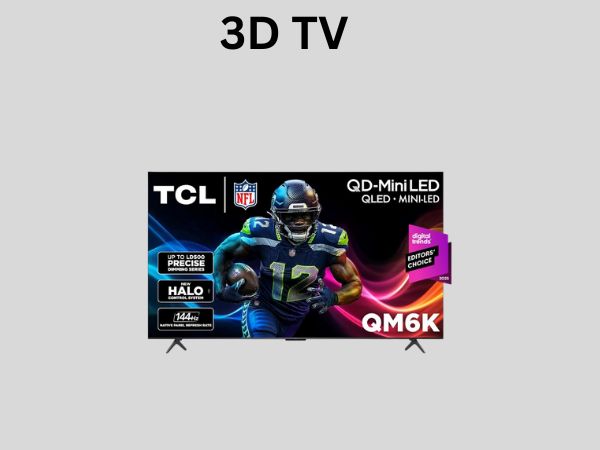
Televisions, especially modern QLED and Mini-LED models, produce exceptional brightness levels. This means they work well in rooms with windows, ambient light, and general daytime viewing. You don’t need to blackout your room to enjoy your TV, making it ideal for living rooms that serve multiple purposes.
Projector Light Sensitivity
Here’s a critical factor many people overlook: projectors require controlled lighting conditions to truly shine. In a bright room, a projector’s image becomes washed out and underwhelming. You need to dim the lights or completely darken the room to see the projected image properly. This requirement limits when and how you can use a projector and necessitates either blackout curtains or a dedicated theater room.
Maintenance and Durability
TV Maintenance Requirements
TVs require minimal maintenance beyond occasional screen cleaning and ensuring proper ventilation. Modern TVs are built to last 7 to 10 years or longer with normal use. The main degradation factor is the LED backlighting gradually losing brightness over many years of use.
Projector Maintenance Demands
Projectors require more active maintenance. You need to keep the lens clean, monitor bulb hours, replace filters, and eventually replace the bulb itself. The cooling system needs to function properly, and dust accumulation can affect performance. While not overly burdensome, projectors definitely demand more attention than televisions.
Real-World Usage Patterns
When a 3D TV Makes More Sense
A 3D TV is your best choice if you:
- Watch content in various lighting conditions throughout the day
- Have a multi-purpose living room that isn’t dedicated to entertainment
- Play competitive video games regularly
- Want a low-maintenance, plug-and-play solution
- Have limited space for installation equipment
- Prefer not to wear glasses while watching
- Want minimal ongoing operational costs
When a Projector Is the Better Option
A projector serves you better if you:
- Have a dedicated home theater room or can darken your viewing space
- Crave that cinema-like, large-screen experience
- Watch primarily in the evenings or at night
- Have a larger room where a projector can display a genuinely large image
- Are willing to invest in a proper audio system
- Want maximum flexibility in screen size
- Prioritize immersion and impact over convenience
The Hybrid Approach
Can You Have Both?
Here’s something worth considering: you don’t necessarily have to choose. Some enthusiasts maintain both a TV for everyday viewing and a projector for dedicated movie nights. This approach lets you enjoy the convenience and brightness control of a TV for daily use while still experiencing the cinematic impact of a projector when you want that special movie night experience. It requires more space and investment, but it’s increasingly popular among serious home entertainment fans.
Future Technology Trends
Where 3D TV Technology Is Heading
3D TV technology has largely plateaued. The industry has shifted focus toward 8K resolution, better HDR implementation, and improved AI upscaling. While 3D capabilities might persist in some premium models, don’t expect significant innovations in this area. The market has spoken, and 3D isn’t the future of television.
Emerging Projector Technologies
Projectors are experiencing a renaissance with laser light sources replacing traditional bulbs, brightness improvements, and compact form factors. Portable and short-throw projectors are becoming increasingly popular, making projection more accessible. Mini LED and other advanced technologies are pushing image quality higher than ever before.
Conclusion
So, which should you buy: a 3D TV or a projector? The honest answer is that it depends entirely on your lifestyle, space, budget, and entertainment priorities. A 3D TV offers convenience, bright image quality, low maintenance, and excellent performance in any lighting condition. It’s perfect for the average household that uses their display for a variety of purposes throughout the day.
A projector, conversely, delivers an immersive, cinematic experience that no television can quite replicate. It transforms movie watching into an event, creates a theater-like atmosphere, and offers unmatched screen size flexibility. However, it requires a dedicated space, controlled lighting, and more initial investment and ongoing maintenance.
Before making your purchase, honestly assess your viewing habits, your room conditions, your budget constraints, and what type of experience matters most to you. Visit a showroom if possible and experience both technologies firsthand. Talk to friends who own projectors about their real-world experience. Read reviews from people with similar usage patterns to yours. This isn’t a decision to rush, but when you choose the right option for your specific situation, you’ll enjoy years of entertainment satisfaction.
Frequently Asked Questions
Is 3D TV technology dead, and will manufacturers continue supporting it?
3D TV technology is no longer mainstream, and manufacturers have largely abandoned it as a core feature. Major companies like Sony and LG discontinued 3D TV production years ago. While some high-end models might still include 3D capability, it’s a bonus feature rather than a selling point. If