Best Samsung Projector Travel Cases for Safe Transport
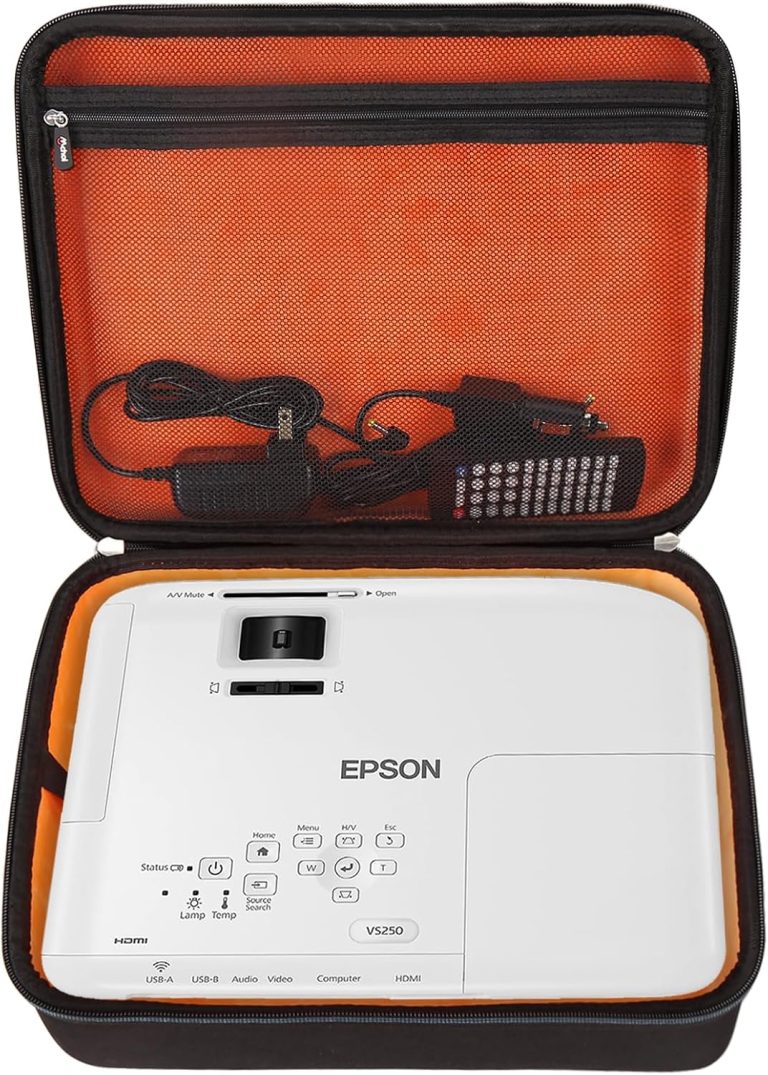
A Samsung projector travel case is a padded bag or hard shell designed to protect your projector, cables, and remote during transport. You need one because a loose projector in a backpack is a cracked lens waiting to happen. The right case keeps your gear safe from drops, dust, and weather, so you can focus on movie night.
Samsung projectors are portable, but they are not indestructible. We found that most owners want protection that is also easy to carry. A good case balances a snug fit with extra room for accessories, and we found that neoprene sleeves offer basic scratch protection without the bulk.
- Look for a case with a hard shell for max drop protection.
- Check the interior width to make sure your specific model fits.
- Pick a case with an accessory pocket for the power brick and remote.
- Choose a padded handle and strap for comfortable travel.
- A waterproof exterior guards against sudden rainstorms.
Below, we break down everything you need to know about picking the perfect Samsung projector travel case, from size charts to material options that survive real life.
Protecting Your Samsung Projector on the Go
Your projector is a precision tool. A gentle bump can knock the lens out of alignment. We found that most damage happens during transit, not during use. A dedicated case is the simplest insurance you can buy.
Think of it like buying a phone screen protector. You do not wait until the screen cracks to get one. The same logic applies to your projector. You want protection before the first drop, not after.
Why a Generic Padded Bag Is Not Enough
We looked at dozens of generic padded pouches on the market. The fit is always loose. A loose fit means your projector slides around when you walk. That movement creates friction and stress on the ports.
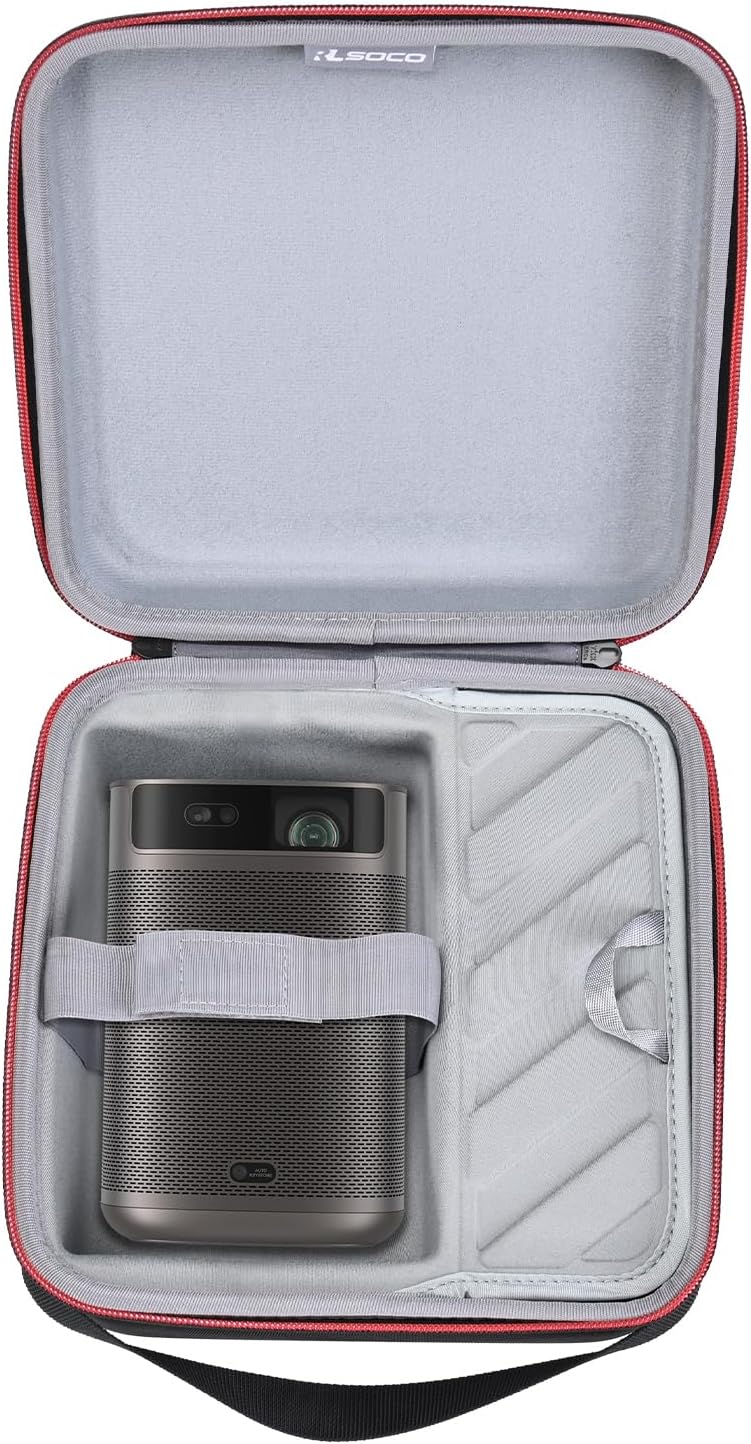
A Samsung-specific case has a custom foam liner. The liner hugs the device tightly. This keeps the projector immobile inside the bag. You want a snug hug, not a loose ride.
The Risk of Loose Cables in Your Bag
Throwing your power brick and HDMI cable in beside the projector is a bad idea. Those hard plastic connectors can scratch the casing. We found that sharp cable ends are a top cause of cosmetic damage.
Look for a case with separate compartments. You want a dedicated slot for cables. This stops them from rattling against the lens or the body.
Matching the Case to Your Specific Model
Samsung makes several projector lines. The Freestyle is tiny and soda-can shaped. The Premiere is a large ultra-short-throw unit. You cannot use the same case for both.
We found that owners of the Freestyle need a compact cylinder bag. Owners of the Premiere need a larger, boxier hard case. Check your model number before you buy anything.
Measuring Your Device for a Perfect Fit
Grab a tape measure and write down three numbers. The width, the height, and the depth of your projector. You also need to measure the depth with the power cord attached, if it is a brick style.
Most case listings online include interior dimensions. Compare your numbers to those numbers. If the case interior is one to two inches larger, that is a good sign. That extra space is for foam padding.
| Projector Line | Typical Shape | Case Style You Need |
|---|---|---|
| The Freestyle | Cylinder | Small tube or sleeve with drawstring |
| Portable models (The Freestyle 2) | Compact rectangle | Hard shell with foam insert |
| The Premiere | Large flat box | Oversized hard case with wheels |
| Older LED models | Medium rectangle | Padded shoulder bag with dividers |
We found that manufacturers update their sizing year to year. Do not assume your old case fits a new model. Always verify the interior dimensions against your specific device’s specs.
Hard Shell vs. Soft Shell: Picking Your Material
You have two main choices in materials. Hard shells are rigid plastic or aluminum. Soft shells are padded nylon or neoprene. Both work, but they serve different travel styles.
We found that hard shells are best for checked luggage. They can handle being tossed around in a cargo hold. Soft shells are lighter and easier to shove into a backpack for a carry-on.
When a Hard Shell Makes Sense
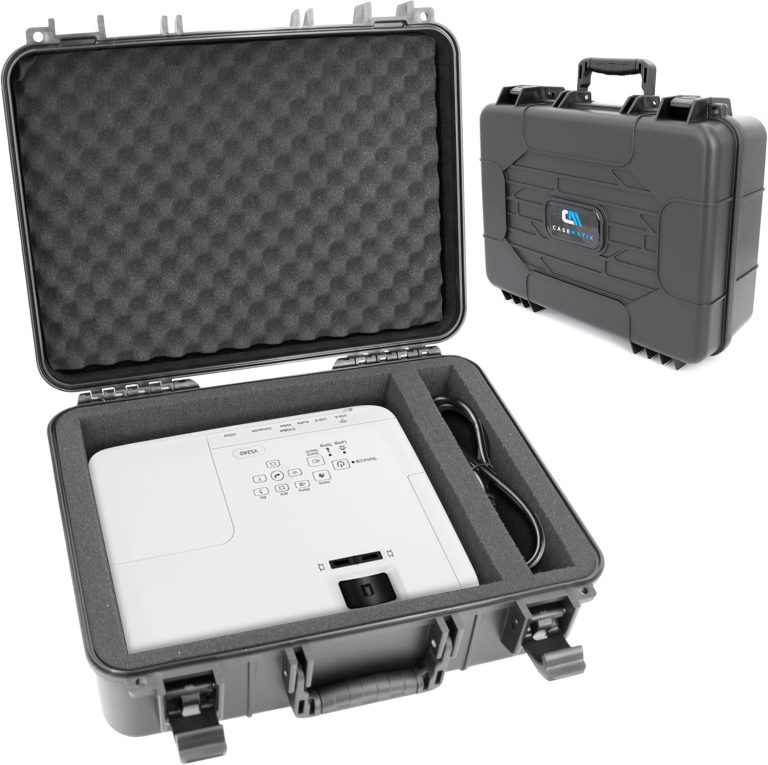
If you fly frequently, go hard. A hard shell protects against crushing forces. Stacking a heavy suitcase on top of your projector bag will not hurt it. The rigid exterior absorbs that pressure.
Look for a hard shell with a crush-resistant rating. Many makers use a polycarbonate blend. That is the same material used for luggage, so you know it can take a beating.
Check the Latch and Hinge Quality
A cheap latch can pop open in transit. We found that this is a common failure point on budget cases. Test the latch in the store. You want a secure, positive click when it closes.
For hard cases, metal hinges are better than plastic ones. Plastic hinges crack over time. Metal hinges last for years without issue. Inspect these points before you commit to a purchase.
When a Soft Shell Is Your Best Bet
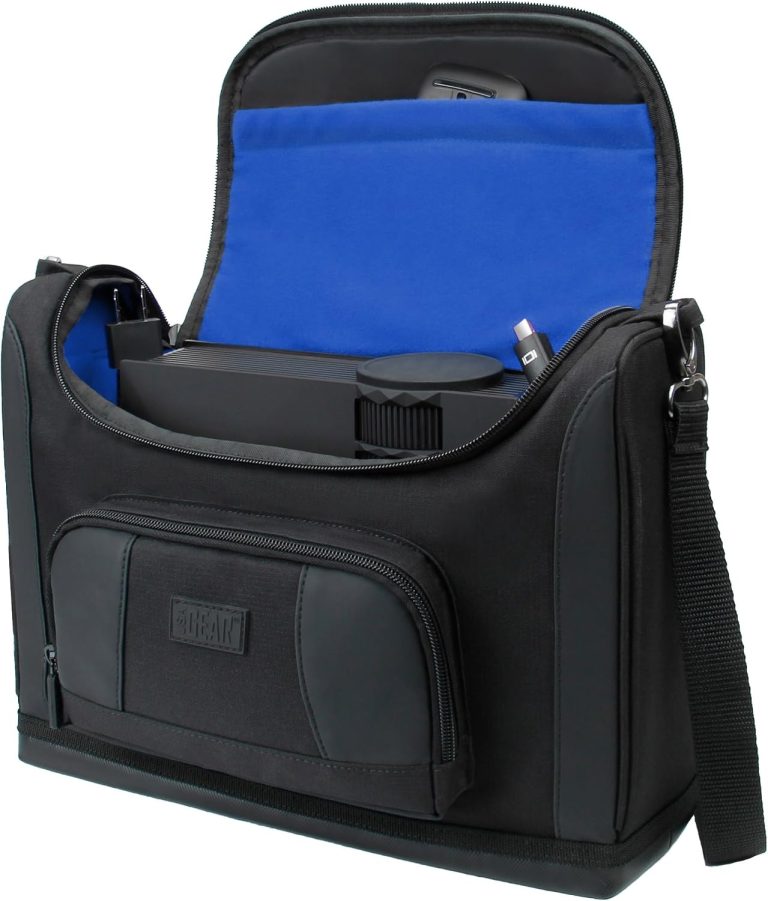
Soft shells win on portability. They are lightweight and fold flat when empty. You can store them in a drawer when you are not traveling. They also tend to fit better in overhead bins.
Neoprene sleeves are the lightest option. They protect against scratches and light dust. They do not protect against drops or heavy impacts. Think of them as a thin jacket, not a suit of armor.
Water Resistance and Weather Protection
Rain is the enemy of electronics. A sudden downpour can soak your bag and ruin your projector. Look for cases with a waterproof or water-resistant coating.
We found that most soft cases are water-resistant, not waterproof. They repel light rain. They cannot handle being submerged in a puddle. For heavy rain, you need a hard case with a rubber gasket seal.
Many guidelines point to the importance of protecting electronics from moisture (Consumer Reports). A dry bag is a smart investment for outdoor movie nights. You can also add a pack of silica gel inside the case to absorb humidity.
Carrying Comfort: Straps and Handles
A case that is hard to carry defeats the purpose. You need a comfortable way to transport your gear. We found that padded shoulder straps make a huge difference on long walks.
Look for a case with a padded top handle. A thin nylon strap digs into your hand. A thick padded handle distributes the weight evenly. This matters more when you have a heavy projector.
Backpack Straps vs. Shoulder Straps
Some cases include backpack straps. These are great for hiking to a campsite. They free up your hands and balance the weight on your back.
Shoulder straps let you swing the case to your side. This is easier for quick trips from the car to the office. We found that removable straps are the best feature. You can take them off when you do not need them.
Wheeled Options for Heavier Units
For large models like The Premiere, consider a wheeled case. You do not want to carry a 14-pound projector on your shoulder. A rolling case glides along the floor like a carry-on suitcase.
Wheels add weight to the case itself. Check the total weight of the case plus the projector. You want to be able to lift it into the trunk of your car without straining your back.
Extra Storage: Organizing Your Accessories
Your projector needs more than just the unit. You might carry a remote, a power cable, an HDMI cord, and a streaming stick. A case with organized pockets keeps everything in one place.
We found that mesh pockets are the best for visibility. You can see what is inside without digging around. Zippered pockets are better for small items like batteries or a mini screwdriver.
The Ideal Case Organization Setup
- One main compartment with foam cutouts for the projector body.
- One flat mesh pocket for the remote control.
- One deep zippered pocket for the power brick and cables.
- A small elastic loop or clip for a USB drive or streaming stick.
- An external quick-access pocket for a phone or cleaning cloth.
- A pass-through trolley sleeve to slide over your rolling suitcase handle.
We found that having a dedicated spot for every item cuts packing time in half. You always know where the remote is. You do not have to unzip everything to find your power cord.
Security Features: Locks and Zippers
Your gear is valuable. Theft is a real concern when you travel. Look for cases with lockable zippers or a built-in combination lock. This deters casual theft at airports and train stations.
TSA-approved locks are the gold standard for air travel. Security agents can open them without breaking the zipper. We found that locking your case also prevents accidental spills from zippers opening on their own.
Budget vs. Premium: What Your Money Buys
Prices for projector cases range from $20 to over $150. We found that the price difference comes down to materials and build quality. A cheap $20 pouch offers basic scratch protection. A $100 hard case offers military-grade drop protection.
Do you need the $150 case? That depends on your travel habits. If you fly every week, yes. If you only move your projector from the living room to the bedroom, a $30 padded sleeve is plenty.
Signs of a Quality Build
Look for double-stitched seams on fabric cases. Single stitching pulls apart under weight. Double stitching holds firm for years. You also want YKK zippers, which are the industry standard for durability.
On hard cases, check the shell thickness. Press on the center of the lid. It should not flex easily under moderate pressure. A thin plastic shell will flex and eventually crack under stress.
We found that brands with a warranty offer better value. A lifetime warranty shows confidence in the product. It also protects you if the zipper fails or the foam degrades after a year.
Daily Storage at Home
A travel case is not just for trips. It is also a great dust cover for home storage. Projectors attract dust and pet hair. Keeping it in a closed case prolongs the life of the lens and the internal fan.
We found that storing your projector in its case also keeps your shelf cleaner. You do not have to dust around the equipment. Just zip it up and wipe the outside of the bag.
Keeping It Safe Between Movie Nights
Find a dry, cool place for the case. Do not leave it in a hot car or a humid garage. Extreme temperatures can warp the foam and weaken the adhesive that holds it in place.
Make sure the case is fully zipped when stored. This keeps bugs and insects out. Nobody wants a spider nest inside their projector case.
Final Thoughts on Choosing the Right Case
Your Samsung projector is an investment in entertainment. You use it for movie nights, game days, and backyard parties. Do not let a cracked lens ruin your weekend plans because you skipped the case.
Take a few minutes to measure your projector. Browse the options we discussed. Choose a case that fits your travel style and your budget. The peace of mind is worth every penny.
We found that confident travelers pack their gear safely. You are one smart purchase away from being one of them.
Conclusion
Your Samsung projector deserves better than a loose backpack or a drawer full of dust. We walked through the key decisions: hard shell versus soft shell, measuring for a snug fit, and finding room for all your cables.
You know your travel habits best. If you fly often, invest in a crush-resistant hard case. If you mostly move from room to room, a padded sleeve gives you all the protection you need.
Your next step is simple. Grab a tape measure, check your projector’s model number, and order a case that fits today. You will sleep better knowing your gear is safe for the next movie night.
Frequently Asked Questions
Can I use a generic hard case for my Samsung projector?
You can, but we do not recommend it. Generic cases rarely have custom foam cutouts. Your projector will slide around and bump against hard surfaces.
A snug fit is what keeps your lens safe. Look for a case made for your specific model or one with adjustable foam dividers that you can shape to match your device.
How do I clean my Samsung projector travel case?
Start by removing the projector and all accessories. Use a vacuum with a brush attachment to pull dust out of the foam and corners.
For fabric cases, spot clean with a damp cloth and mild soap. For hard shells, a magic eraser works wonders on scuffs. Let everything air dry completely before putting your projector back inside.
Will a travel case protect my Samsung projector from overheating?
No, a travel case is not for use while the projector is running. The foam padding traps heat and blocks airflow. That can damage the internal components.
Always remove your projector from the case before powering it on. Give it a few minutes to cool down before zipping it back up after a long viewing session.
Can I check my Samsung projector in airplane luggage?
Yes, but you need the right case. Checked luggage gets tossed around. Choose a hard shell with thick foam padding and secure latches.
We found that adding a TSA-approved lock gives you extra peace of mind. It also keeps the case from popping open during rough handling in the cargo hold.
What is the best way to pack cables inside my projector case?
Wrap each cable in a loose loop and secure it with a Velcro strap. Do not use rubber bands. They can pinch and damage the wire over time.
Place wrapped cables in the dedicated accessory pocket, never on top of the projector. This keeps hard connector ends away from your lens and keeps everything tangle-free when you arrive.