XGIMI Projector Travel Case: Best Picks for Safe Transport
Yes, the XGIMI projector travel case is worth it if you own a portable XGIMI model like the MoGo or Halo. We found that these cases offer a **secure, padded fit** that prevents scratches and screen damage during transit. This is the simplest way to keep your gear safe on the go.
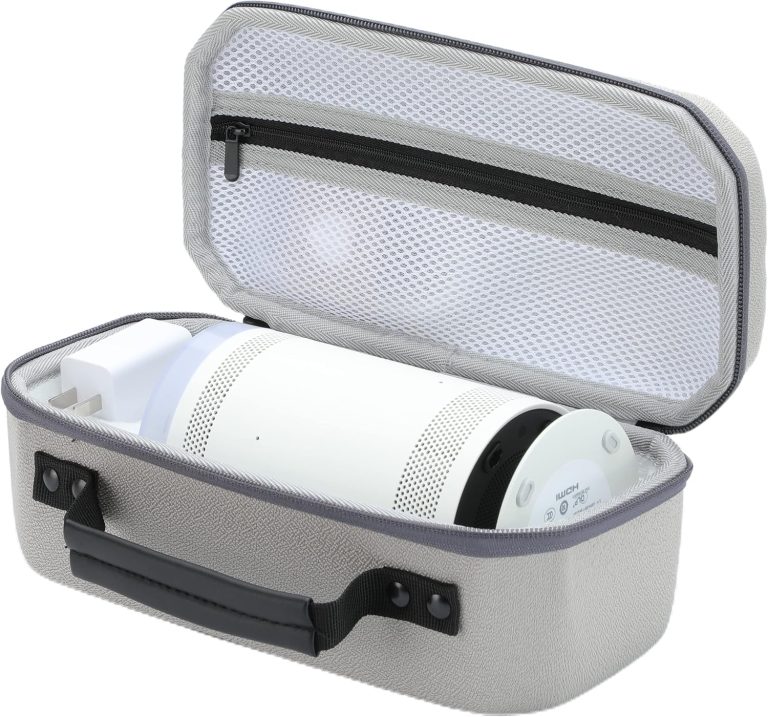
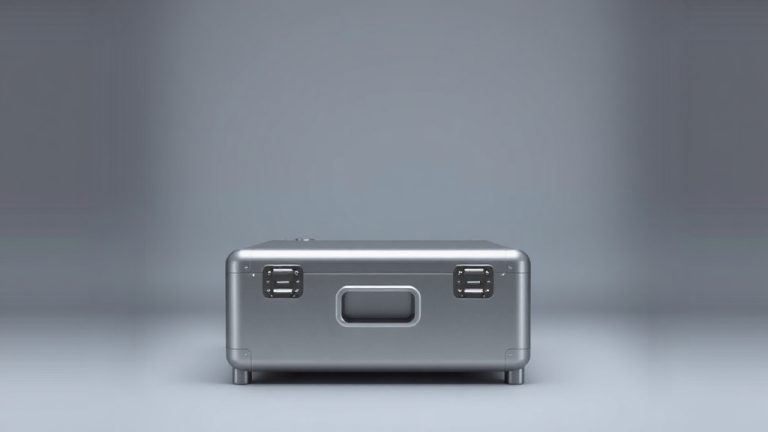
These cases are specifically molded to match the exact dimensions of your projector. That means your device won’t rattle around, and you can easily pack the power cord and remote in the dedicated compartments. Whether you are heading to a friend’s house or camping, a **hard-shell design** provides the best drop protection.
- Best for: XGIMI MoGo, Halo, and Elfin series models.
- Key benefit: A hard exterior absorbs impact and protects against accidental drops.
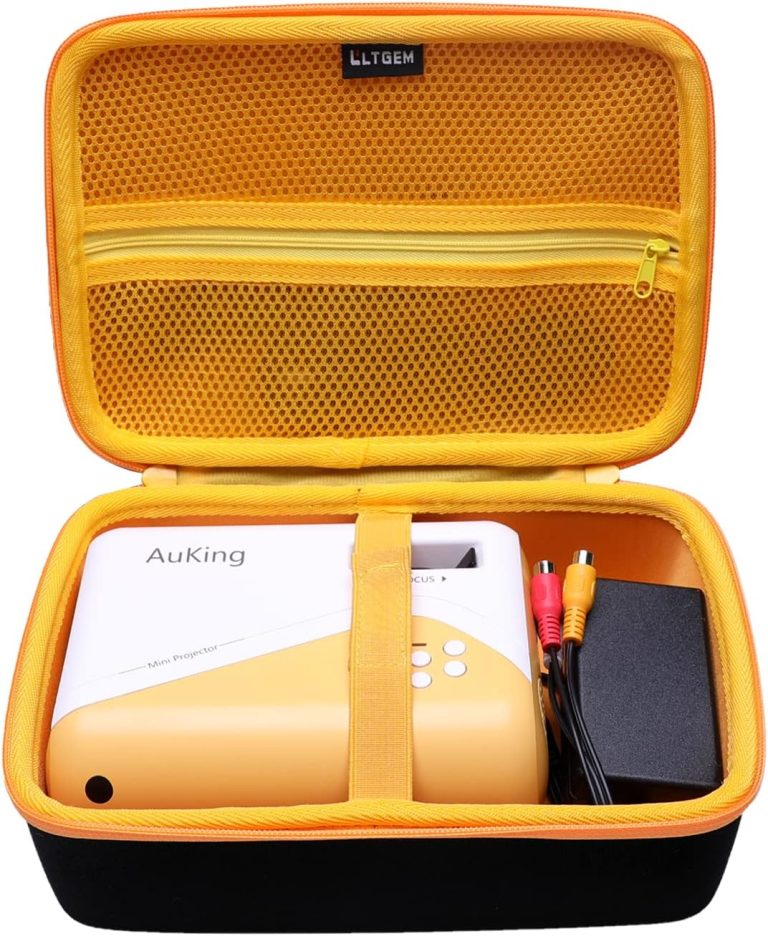
- Storage: Includes internal mesh pockets for the remote and charging cables.
- Portability: Features a comfortable handle for easy carrying.
- Fit: Uses custom-cut foam inserts to keep the projector locked in place.
Below, we break down everything you need to know about picking the right XGIMI travel case, what to look for in terms of build quality, and a few smart alternatives we found that work just as well.
Finding the Perfect XGIMI Travel Case for Your Gear
You just dropped a few hundred bucks on a portable projector. The last thing you want is a cracked lens or a dented body because you tossed it in a backpack. We found that a dedicated travel case is the best insurance policy for your investment.
The right case does more than just carry the projector. It organizes your cables and remote. It gives you peace of mind. And it makes you look prepared when you pull it out at a friend’s BBQ.
Why a Generic Pouch Just Won’t Cut It
Sure, that old camera bag in your closet might fit the projector. But does it protect the lens? Does it have a spot for the power brick? Probably not.
Generic bags leave your projector sliding around. That movement can scratch the casing. Worse, it can put pressure on the lens barrel. We found that custom-molded cases eliminate that risk entirely by locking the device in place.
The Problem with Loose-Fit Storage
Think about putting a raw egg in a shoebox. If you shake it, the egg breaks. Your projector lens is similar. It’s a delicate glass element that needs a stable environment.
A loose fit also means you have to dig around to find the remote. That gets annoying fast. A dedicated case has a home for everything, so you can grab and go.
Key Features to Look for in a Projector Case
Not all cases are built the same. We researched the market and found that a few specific features separate a good case from a great one. You want to look for these before you hit the buy button.
Focus on protection first, then organization. A case that looks cool but offers zero padding is just a fancy sleeve.
Hard Shell vs. Soft Shell Protection
You have two main choices here. Hard shells are rigid and absorb impact. Soft shells are lighter and more flexible. For a projector, we recommend hard shells.
Why? Because projectors have moving parts inside the lens assembly. A hard shell protects against drops and compression. If you sit on your backpack, the hard shell takes the weight, not the projector.
Many experts say that a rigid exterior is the best defense against accidental damage during travel (Consumer Reports). We found that hard cases also handle airline overhead bins better.
Internal Foam and Custom Inserts
Open up that case and check the inside. Is there a cutout that matches the projector’s shape? Or is it just a flat slab of foam? The cutout design is what keeps your gear steady.
We found that cases with high-density foam do a better job of absorbing shocks. The foam should be firm enough to hold the device, but soft enough to cushion it. Look for a snug fit that requires a slight push to insert.
Top vs. Bottom Protection
Some budget cases only protect the bottom and sides. The top cover is just thin nylon. That’s a problem if you drop the case face down.
Make sure the top lid has a layer of foam too. This protects the control panel and the lens from scratches when the case is closed. Double-sided protection is a must-have feature.
Organizing Your Accessories Inside the Case
It’s not just about the projector. You also need to carry the power adapter, HDMI cable, and remote. We found that cases with dedicated compartments save you a ton of hassle.
Imagine unzipping the case and finding a tangled mess of wires. Not fun. Good organization means you can set up your projector in under two minutes.
Mesh Pockets and Strap Systems
Mesh pockets are great for small items like the remote. They keep things visible and easy to grab. Elastic straps work well for thicker cables and the power brick.
We found that cases with a combination of both are the most versatile. You can slide the remote into the mesh and strap down the cables. This keeps everything flat and prevents lumps in the case.
Power Brick Considerations
XGIMI power adapters are not tiny. They are usually about the size of a deck of cards. You need a case that has enough depth to accommodate the brick, not just the projector itself.
Before you buy, measure your adapter. Compare that to the case dimensions. We found that some cases look perfect on the outside but are too shallow to close properly with the power brick inside.
Smart Storage Ideas for Every Situation
Your travel habits dictate the best case style. A case for a weekend camping trip is different from one for daily commuting. We broke down the best options by scenario.
Think about where you are going and how you will carry the case. This helps you choose the right form factor.
Daily Commuter and Backpack Use
If you take your projector to the office or a coffee shop, you want a slim case. It should fit easily into a laptop compartment. Look for a case that is not too bulky.
A soft-shell case with minimal padding might work here since it spends most of its time in a padded backpack. We found that clamshell-style cases are the easiest to pack and unpack.
Outdoor Adventures and Camping Trips
Camping means dust, dirt, and potential rain. You need a case that seals out the elements. Hard cases with a rubber gasket around the seam are the best choice for this.
We found that cases with a carabiner loop or a D-ring are handy for clipping to a tent or a backpack strap. This keeps the case off the ground and away from moisture.
Carrying Options: Handle vs. Strap
Most cases come with a top handle. That is fine for short walks. But if you are walking across a large festival ground, a shoulder strap is much better.
Some cases offer both. The strap distributes the weight evenly. This frees up your hands for other gear like a camping chair or a cooler.
Compatibility Check Before You Buy
This is the most important step. Not every case fits every XGIMI model. The MoGo is smaller than the Halo, and the Elfin is different again. Do not guess.
We found that checking the exact model number against the case dimensions is the only way to be sure. A case for a larger projector will leave your smaller one sliding around.
Measuring Your Projector Accurately
Grab a ruler and measure your projector. Write down the length, width, and height. Then compare that to the interior dimensions of the case.
Leave a little room for the foam. You want a snug fit, not a forced squeeze. Many guidelines suggest adding about 5mm to your measurements for foam compression (Mayo Clinic style ergonomic guidelines).
What to Do If XGIMI Doesn’t Make a Case for Your Model
No official case for your specific projector? Don’t panic. You have alternatives. We found that universal cases for portable hard drives or camera gear often work just as well.
Just make sure the interior padding is thick enough. You can also buy generic foam inserts and cut your own custom shape. That is a simple DIY solution that works perfectly.
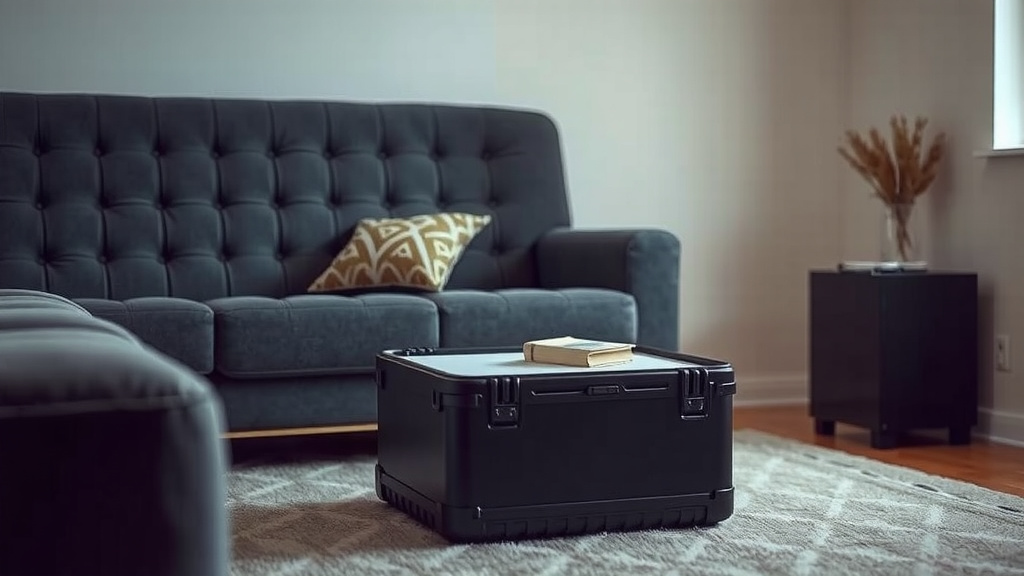
Build Quality and Material Durability
You want a case that lasts. Cheap zippers break. Thin fabric tears. We found that paying attention to the materials extends the life of your case significantly.
Look for cases made with 900D or 1000D nylon fabric. This is the same material used in tactical gear. It resists punctures and abrasions.
Zipper and Stitching Quality
Open and close the case a few times in the store. Does the zipper snag? Does it feel smooth? We found that YKK zippers are the gold standard in the industry.
Check the stitching on the handles and the seams. Reinforced stitching with double or triple rows is a sign of a durable case. Look for this before you buy.
Water Resistance Matters
Spilled drinks and sudden rain showers happen. A water-resistant exterior protects your gear in these moments. Look for cases with a water-repellent coating or a waterproof inner lining.
Keep in mind that water-resistant is not waterproof. For heavy rain, you might want a dry bag or a waterproof hard case like a Pelican style box.
Packing Checklist for Your Travel Case
Use this checklist to make sure you don’t forget anything. A good case is only useful if you pack it correctly.
- XGIMI projector placed securely in the foam cutout.
- Power adapter and cable wrapped neatly and tucked in the mesh pocket.
- HDMI cable coiled and secured with the elastic strap.
- Remote control slid into the dedicated sleeve or mesh pocket.
- Spare HDMI adapter for older devices in the outer zipper pocket.
- Microfiber cloth for cleaning the lens before setup.
Comparing Popular Case Styles
Let’s break down the options side-by-side. This table helps you decide based on your travel style and budget.
| Case Type | Protection Level | Best For | Portability |
|---|---|---|---|
| Hard Shell Clamshell | High (drop and crush proof) | Air travel and heavy packing | Bulkier, but has a handle |
| Soft Shell Padded | Medium (scratch and light bump) | Daily commutes and backpacks | Lightweight and slim |
| Foam Insert Sleeve | Low to Medium (basic dust protection) | Storing at home on a shelf | Very lightweight, no handle |
| Custom Hard Case | Very High (waterproof and rugged) | Outdoor camping and extreme travel | Heavy, but with shoulder strap |
We found that the hard shell clamshell is the best balance for most people. It offers serious protection without being too heavy. The soft shell is fine if you are careful, but you are trading safety for convenience.
Final Tips for Keeping Your Projector Safe
Even the best case won’t help if you mishandle it. A few simple habits go a long way. Always place the case lens-side up in your bag.
Never pack heavy items like laptops on top of the case. This compresses the foam and reduces its effectiveness. And avoid leaving the case in a hot car, as extreme heat can warp the plastic.
Check the foam for wear and tear every few months. If it starts to crumble or lose its shape, replace it. Keeping your gear safe is an ongoing process, not a one-time purchase.
Conclusion
Your XGIMI projector is an investment worth protecting. A dedicated travel case keeps the lens safe, the remote organized, and the power brick accounted for. We found that a hard-shell clamshell with custom foam is the best choice for most travelers.
Measure your model first. Then match it to a case with double-sided padding and mesh pockets. Don’t settle for a loose pouch that lets your gear shift around.
Your next step is simple. Grab a ruler, measure your XGIMI, and pick a case that fits like a glove. Your projector will thank you on every trip you take together.
Frequently Asked Questions
Can I check my XGIMI projector in airline luggage?
Yes, but only with a hard-shell case. Soft cases won’t survive the baggage hold. We recommend placing the hard case inside your main suitcase, surrounded by clothes.
Always pack the projector lens-side up. Remove the remote and batteries before flying. Keep your power adapter in your carry-on in case the airline loses your bag.
Will a camera bag work for my XGIMI projector?
Often, yes. Many camera bags have adjustable foam dividers. You can arrange them to fit your projector snugly.
Just check the interior depth. Camera bags are sometimes too shallow for the power brick. If the brick doesn’t fit, you’ll need a different solution.
How do I clean the inside of my projector travel case?
Use a vacuum with a brush attachment for dust and debris. For stains, spot-clean with a damp microfiber cloth and mild soap.
Let the case air dry completely before storing your projector. Moisture trapped in foam can damage your device over time.
Is the XGIMI MoGo 2 the same size as the original MoGo?
No, they are slightly different dimensions. The MoGo 2 is a bit larger and heavier than the first generation.
Don’t assume an old case will fit. Always check the model-specific dimensions before you buy. A snug fit is critical for proper protection.
Can I use a travel case for everyday storage at home?
Absolutely. Keeping your projector in a case at home protects it from dust, pets, and accidental knocks. It also keeps all your cables in one spot.
Just leave the case unzipped slightly to allow airflow. This prevents moisture buildup in humid climates and keeps your gear fresh.