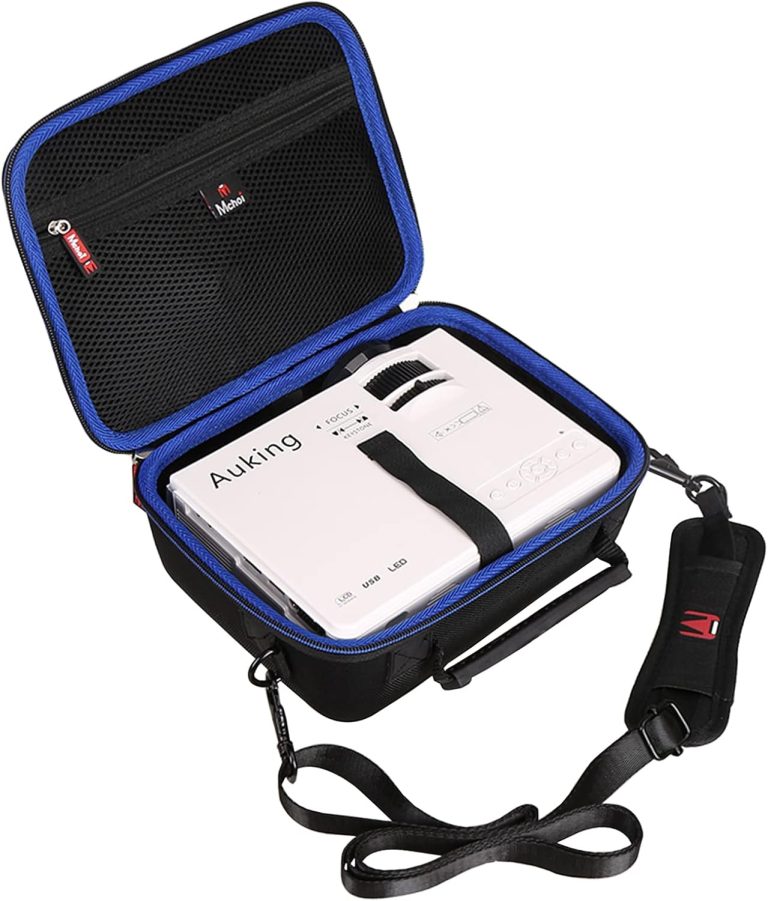
The Ultimate Guide to Choosing a Projector Travel Case
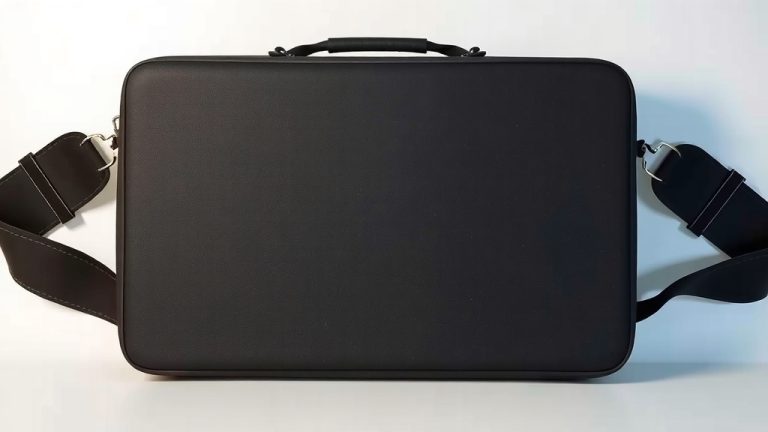
Yes, a projector travel case is essential if you want to keep your equipment safe, especially if you travel with any type of expensive projector. We found that a good case protects your investment from the bumps, drops, and dust that are common on the road. A quality case is not just a luxury; it is the smartest way to protect your projector from damage.
Choosing the right case depends on your specific projector model and how you travel. Whether you need a soft padded bag for casual use or a hard shell case for checked airline luggage, there are many options available. We have researched the key features, like foam padding and weather resistance, so you can pick the perfect fit for your gear.
- Hard cases offer the best protection against heavy impacts and crushing forces during travel.
- Soft padded bags are lighter, more affordable, and easier to store, making them great for short trips.
- Custom foam inserts provide a precise fit for your specific projector model, locking it into place.
- Look for strong zippers and handles to ensure the case itself can withstand frequent handling.
- Measure your projector and its accessories to find a case that fits without being overly bulky.
Below, we break down the best types of projector travel cases on the market today. Let’s walk through the details so you can pick the one that fits your needs and your budget. For a closer look at one popular option, check out our USA Gear Mini Projector Case review.
Protecting Your Projector While You Travel
You packed your projector for a big client meeting. You get to the airport, and the baggage handler tosses your bag like a football. That sinking feeling hits you. We found that a solid projector travel case prevents this anxiety.
A case absorbs shock and keeps dust and moisture out. It keeps your expensive gear safe. Think of it like a seatbelt for your electronics. You do not need it until you really need it, and then it is a lifesaver.
Hard Cases vs. Soft Bags: What Is the Real Difference?
The first big choice is hard versus soft. Each has a clear job. Your travel style should dictate your pick.
Hard cases are like small armored tanks. They protect against crushing force and heavy drops. Soft bags are like a heavy winter coat. They offer padding and warmth, but not hard armor.
We found that frequent flyers often prefer hard cases for checked luggage. Casual users with short commutes usually like soft bags for their lightweight feel.
Hard Shell Cases for Maximum Protection
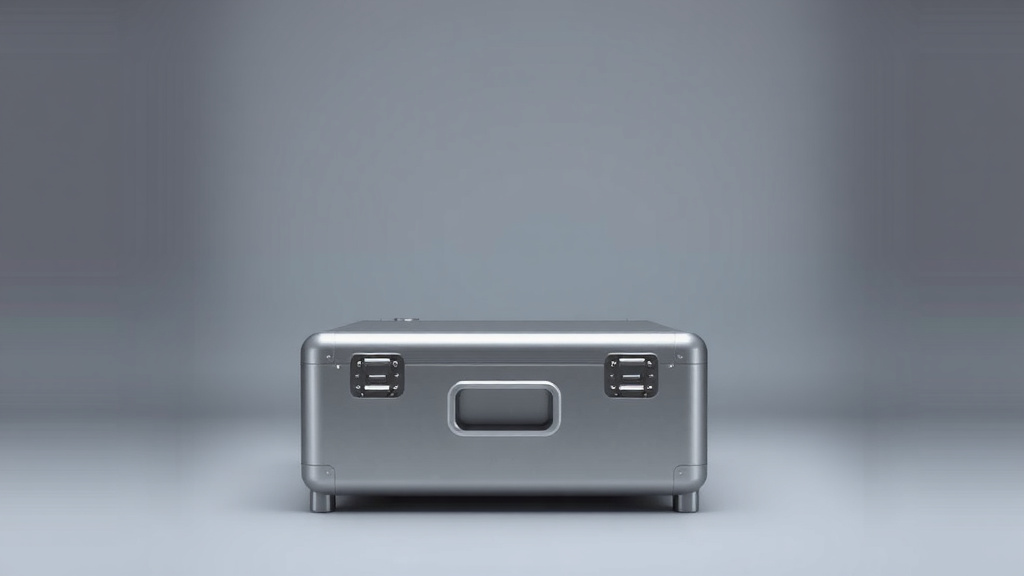
If you check your projector with airline baggage, go hard. These cases typically use ABS plastic or aluminum. They resist impacts that would crack a soft bag.
Many hard cases feature a pressure valve. This balances air pressure during flights. That keeps the case from warping at high altitudes.
Water resistance is another big plus. A sudden rainstorm on the tarmac will not soak your gear. Research and found that most hard cases meet military-grade drop standards, which is the gold standard for protection (Consumer Reports).
Soft Padded Bags for Everyday Portability
Soft bags are perfect for a projector you carry yourself. They are lighter and easier to stuff in an overhead bin. You can usually slide them into a larger backpack.
These bags use thick foam padding. They protect against scratches and minor bumps. They are not built for crushing force, so avoid checking them.
We found that soft bags work best for teachers, traveling salespeople, and anyone moving between rooms. They offer a good balance of protection and convenience.
Finding the Right Size for Your Projector
Size matters more than you might think. A loose projector bounces around inside a big case. That movement causes damage over time. A case that is too small simply will not fit.
You need to measure your projector first. Get the exact width, height, and depth. Also, measure the lens and any attached cables. Add about an inch of clearance for foam padding.
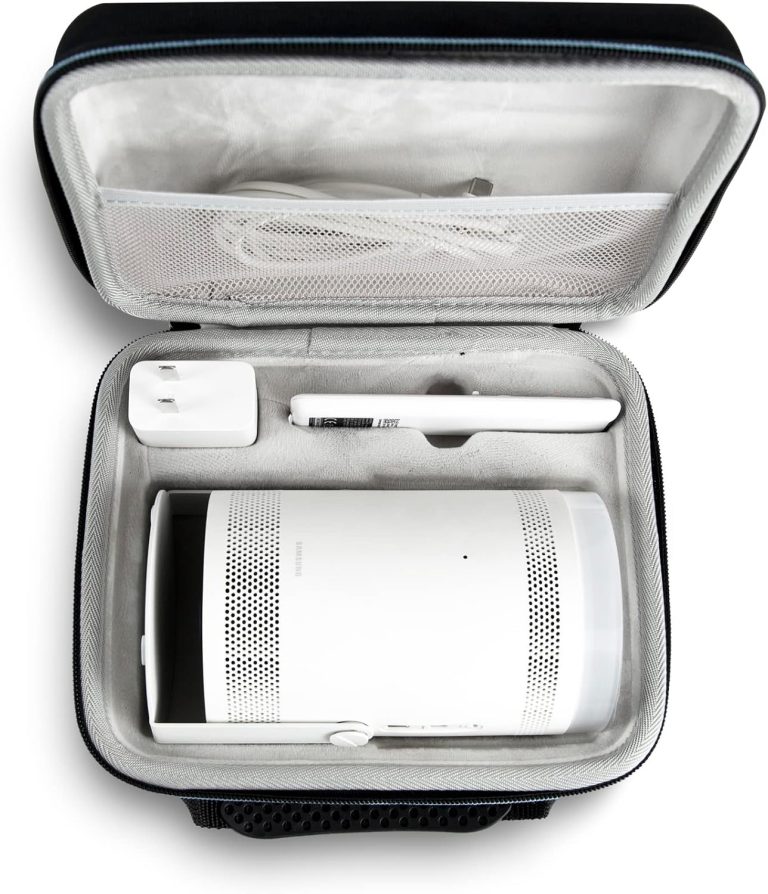
Many cases come with adjustable foam. You can pluck or cut the foam to match your device. This creates a custom cradle that locks your projector in place.
Measuring Your Projector and Accessories
Do not forget the remote, power cord, and HDMI cables. These accessories need a home too. Some cases have dedicated mesh pockets for small items.
We recommend measuring everything you plan to carry. Add the projector size plus the accessories. Then look for a case that fits that combined volume.
A case with extra room is fine for cables. Just make sure the projector itself stays snug. Foam inserts are the best way to achieve this custom fit.
Custom Foam Inserts: The Gold Standard
Custom foam is a game-changer for security. Pre-cut foam holds your exact model like a glove. It prevents any movement during transit.
There are two main types of foam. Pluck foam has pre-scored cubes you pull out. It is easy to shape but less dense. Layered foam uses different densities for a precise fit.
Many experts say that custom foam reduces shock by a significant margin (Safeopedia). It isolates your projector from hard surfaces. This is the best way to protect a high-end unit.
Key Features to Look For in a Quality Case
Not all cases are created equal. You want specific features that improve durability. Look for these details before you buy.
Strong zippers are critical. A cheap zipper fails at the worst time. Look for heavy-duty zippers with reinforced stitching. Metal zippers are usually more durable than plastic ones.
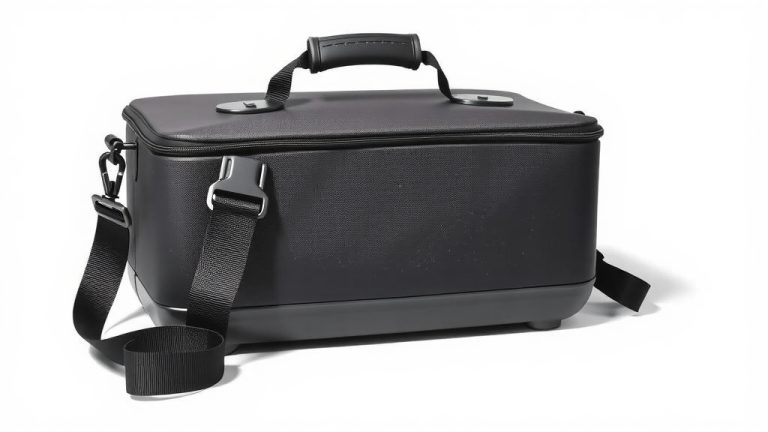
Handles matter too. A comfortable, padded handle makes carrying easier. A shoulder strap adds versatility. Wheels are great for heavy projectors in airports.
Weather Resistance and Seals
Moisture is a silent killer for electronics. A good case needs a weather-resistant seal. Rubber gaskets around the lid keep water out.
We found that cases with an IP67 rating are fully dustproof and waterproof. They can handle being submerged briefly. That is overkill for most people, but good to know.
At minimum, look for a case that repels light rain. A simple splash-proof exterior protects against accidental spills. Check the seal regularly for wear and tear.
Locking Mechanisms and Security
Travel means your gear passes through many hands. A locking case adds peace of mind. Most hard cases have built-in hasps for padlocks.
Use TSA-approved locks for air travel. This allows security to inspect without breaking your lock. It prevents theft and keeps your equipment safe.
Some soft bags have lockable zippers. They are not as secure as hard cases but deter casual theft. A visible lock is often enough to stop a would-be thief.
Matching the Case to Your Travel Style
Your travel routine determines the best case. A road warrior needs something different than a weekend presenter. Be honest about how you actually travel.
Frequent flyers who check bags need a hard case. It can handle the rough treatment of airline baggage systems. Casual users who drive to local gigs can use a soft bag.
We found that a hybrid approach works well. Use a hard case for shipping and a soft bag for daily carry. This gives you flexibility without sacrificing safety.
Airline Travel and Carry-On Rules
Carry-on size limits are strict. Most airlines allow bags up to 22 x 14 x 9 inches. Measure your case with the projector inside.
If your case exceeds these limits, you must check it. That means you need a hard case with maximum protection. Soft bags are not suitable for checked luggage.
Many guidelines point to hard cases as the only safe option for checked projectors (Transportation Security Administration). They survive the baggage carousel and rough handling.
Local Commutes and Daily Use
For short trips, weight matters more than armor. A soft padded bag is much lighter. It is easier to carry across a campus or office building.
Look for a bag with a trolley sleeve. This slides over your rolling suitcase handle. It makes airport navigation much easier.
We found that backpacks with dedicated projector compartments are great for daily commuters. They distribute weight evenly and free up your hands.
Comparing Popular Case Types Side by Side
Here is a quick comparison table to help you decide. It breaks down the main options by key criteria.
| Feature | Hard Shell Case | Soft Padded Bag | Backpack Style |
|---|---|---|---|
| Impact Protection | Excellent | Good | Fair |
| Weight | Heavy | Light | Medium |
| Water Resistance | High | Low | Low |
| Best For | Checked luggage | Local trips | Daily commutes |
| Price Range | Higher | Lower | Medium |
This table shows the trade-offs clearly. Hard cases win on safety but lose on weight. Soft bags are lighter but less protective.
Your Pre-Travel Checklist
Before you zip up your case, run through this quick list. It takes two minutes and saves you headaches later.
- Check the foam fit. Shake the case gently. The projector should not move at all.
- Inspect the zippers. Run them all the way around. Look for snags or broken teeth.
- Secure all cables. Wrap cords and place them in separate pockets to avoid tangling.
- Test the locks. Make sure they close properly and you have the keys.
- Verify the seal. Check the rubber gasket for cracks or gaps.
- Label your case. Add your name and contact info in case it gets lost.
This checklist covers the essentials. It keeps your gear ready for the road.
Budget Considerations and Long-Term Value
Price is a real factor for most people. Cheap cases exist, but they often fail fast. A broken case means a broken projector.
We found that a mid-range hard case offers the best value. It costs more upfront but lasts for years. Compare that to buying a new projector every time you travel.
Consider the cost of your projector. If it is over $500, a $100 case is a smart investment. It protects your asset from expensive damage.
Some brands offer a limited warranty on their cases. That shows confidence in their product. It also protects you against manufacturing defects.
Real-World Tips for Packing Your Projector
Packing is about more than just closing the lid. How you place the projector matters. Always store it lens-side up if possible.
This position reduces stress on the lens mount. It also prevents the internal lamp from shifting. Many experts recommend this orientation for transport (Projector Central).
Remove the lens cap and store it separately. This prevents pressure on the lens. Use a soft cloth around the lens for extra cushioning.
Keep the projector away from extreme heat. A hot car trunk can damage the internal components. Store the case in a cool, shaded area when not in use.
Conclusion
Your projector is a serious investment, and the right travel case is the simplest way to protect it. We walked you through hard cases for maximum armor, soft bags for daily portability, and custom foam for a locked-in fit. You now know to check for strong zippers, weather seals, and proper sizing before you buy.
Don’t overthink this decision. Measure your gear, match the case to how you actually travel, and pick a quality option that fits your budget. If you fly often, get a hard case with TSA locks. If you drive locally, a padded soft bag will serve you well. Grab a case that makes you feel confident, and get your projector on the road without the worry.
Frequently Asked Questions
Can I use a regular backpack for my projector?
A regular backpack offers minimal padding and no weather protection. It is risky for any projector, even for short trips. A dedicated padded case or a backpack with a projector compartment is a much safer choice.
How do I clean my projector travel case?
Wipe the exterior with a damp cloth and mild soap. Avoid harsh chemicals that can damage the shell or fabric. For foam inserts, use a vacuum with a brush attachment to remove dust and debris.
Is it safe to ship a projector in a hard case?
Yes, a hard case is the best option for shipping. Make sure the projector fits snugly in custom foam. Add extra bubble wrap inside if there is any movement. Use a shipping label on the outside and remove old stickers to avoid delays.
Do I need a case if my projector has a built-in carrying handle?
A built-in handle is convenient, but it does not protect the lens or body from bumps. You should still use a padded case or bag. The handle helps you grab it quickly, but the case keeps it safe from scratches and drops.
What is the average lifespan of a quality projector case?
Research and found that a well-made hard case can last over ten years with proper care. Soft bags typically last three to five years, depending on how often you use them. Check zippers and seals regularly to get the most life out of your case.