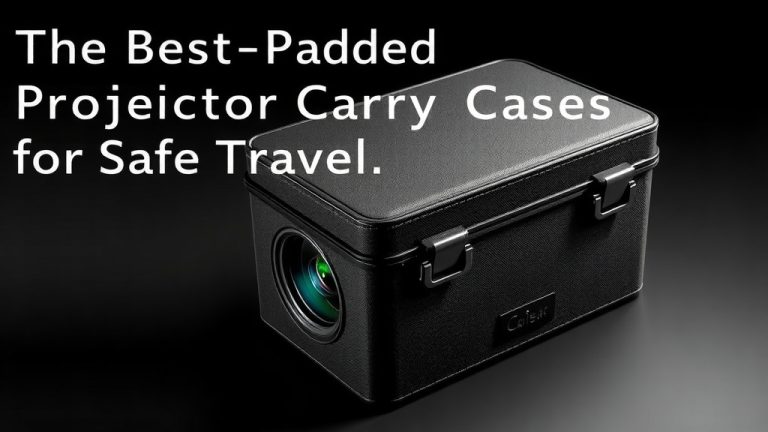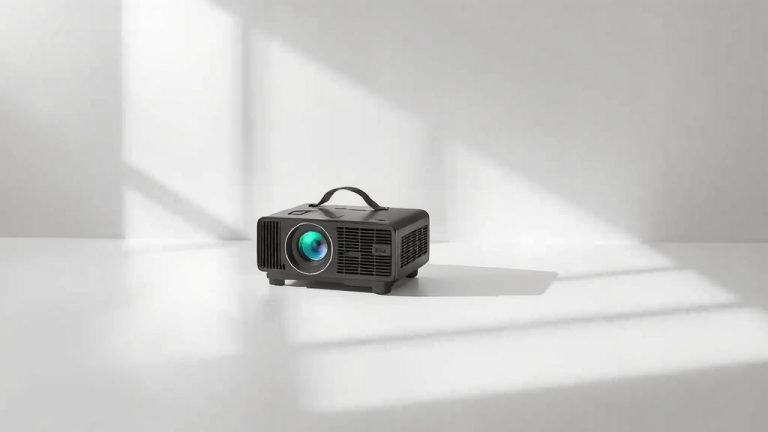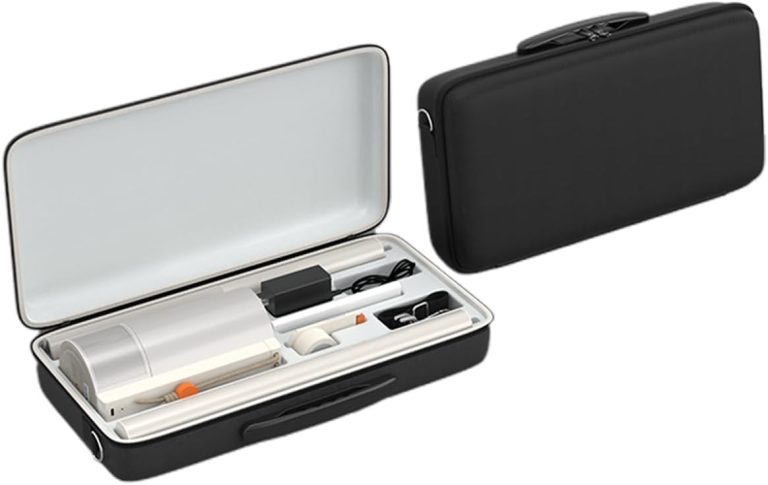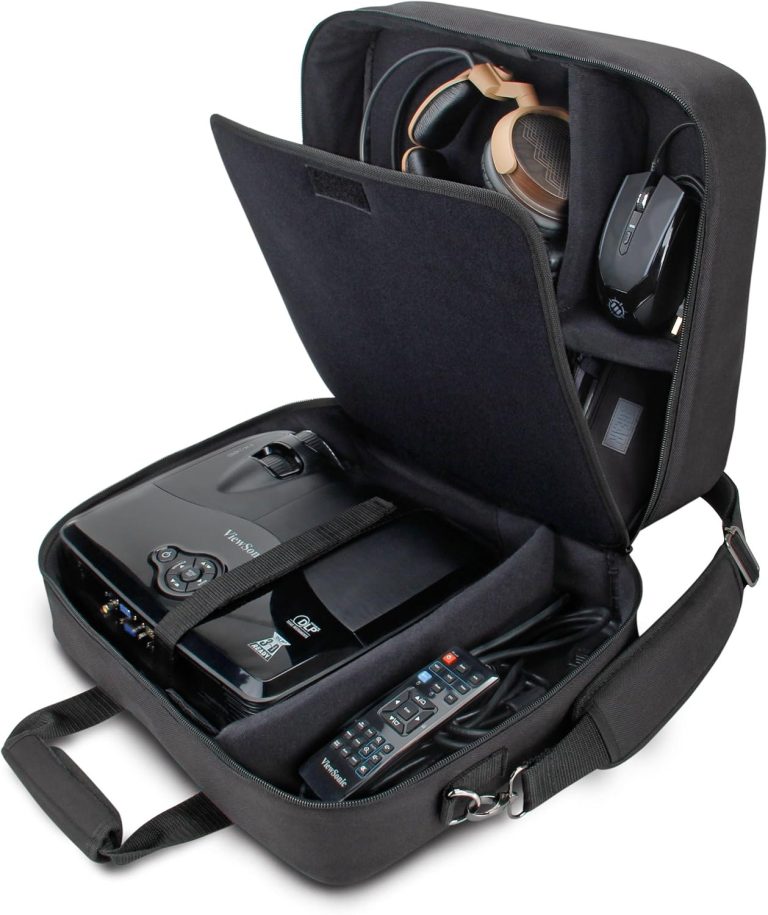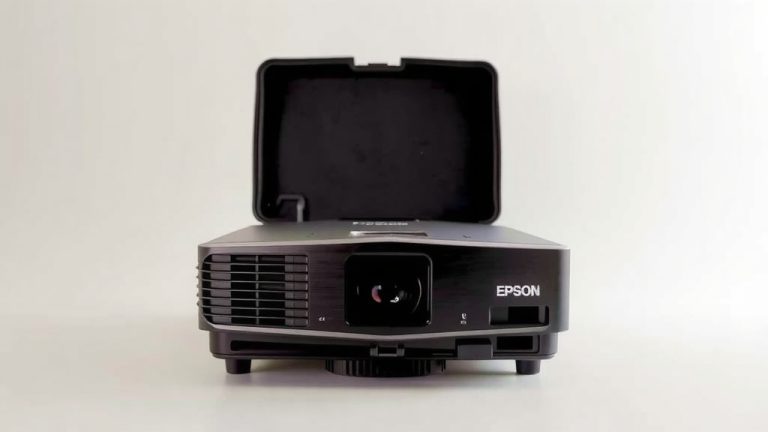
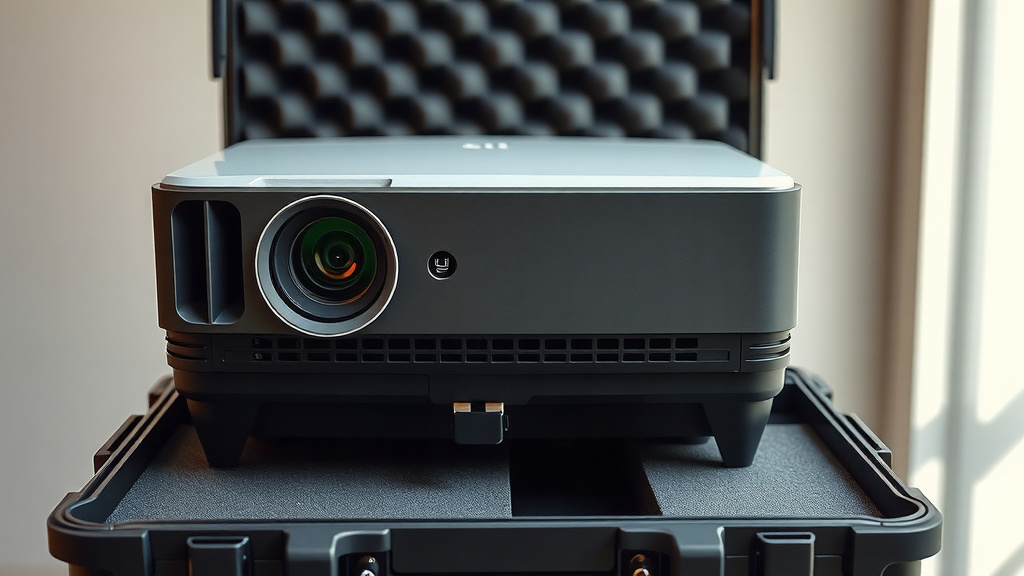
Best Projector Carry Cases with Foam Padding
Yes, a projector carry case with foam padding is absolutely worth it if you travel with your projector or just want to keep it safe at home. The foam padding is the key feature because it cradles your device and absorbs bumps, so your expensive gear doesn’t get knocked out of alignment or scratched up.
We found that a good padded case does more than just hold your projector. It also gives you a dedicated spot for cables, remotes, and spare bulbs, which means you won’t leave anything behind. Whether you’re a business presenter, a teacher, or someone who loves backyard movie nights, this simple purchase can save you from costly repairs and a whole lot of frustration.
- Foam padding protects against drops, bumps, and scratches.
- It keeps your projector’s lens and internal parts aligned and safe.
- Most cases have extra pockets for cords, remotes, and accessories.
- Hard-shell cases offer the best protection for checked luggage.
- Soft-shell cases are lighter and easier for daily commutes.
Below, we break down everything you need to know about choosing the right projector carry case with foam padding, plus what to look for so you get the perfect fit for your gear.
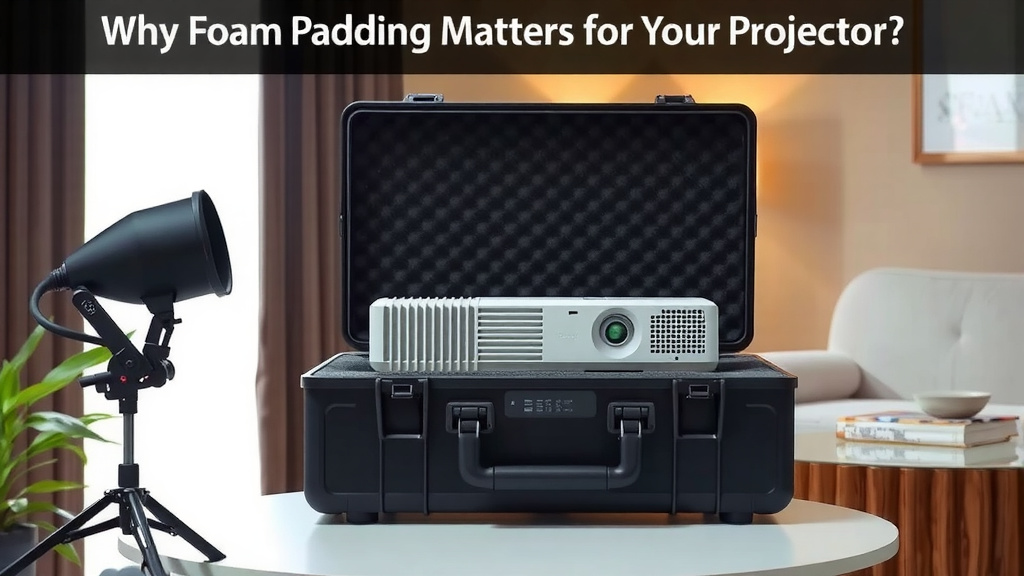
Why Foam Padding Matters for Your Projector
You might think any bag will do. We found that’s a costly mistake. Projectors have sensitive parts inside, and the lens is especially fragile.
Foam padding acts like a protective hug for your device. It holds the projector in place so it doesn’t slide around. It also absorbs shock if you drop the case or bump into a doorframe.
What Happens Without Proper Padding
Think about what happens when you toss a loose projector into a backpack. Every step you take, it bounces. That constant movement can knock the internal components out of alignment.
Even a small misalignment can make your picture look blurry or off-color. And fixing that isn’t cheap. Many repair shops charge more than the cost of a good case.
The Science Behind Foam Protection
Foam works by spreading the force of an impact over a larger area. This is similar to how airbags work in cars. The padding slows down the movement of your projector during a bump.
Research on protective packaging shows that foam layers can reduce peak impact forces dramatically (National Institutes of Health). That means less stress on your projector’s delicate parts.
Choosing the Right Type of Padded Case
Not all foam cases are created equal. You need to match the case to how you travel. We found there are two main categories that fit most people’s needs.
Your choice comes down to one question: how rough will the trip be? Answer that honestly, and you’ll pick the right one.
Hard-Shell Cases for Maximum Protection
Hard cases have a rigid outer shell with thick foam inside. They are the best choice if you check your bag at the airport. They also work well for shipping your projector.
We found that hard cases are the go-to for professionals who travel weekly. They offer the strongest defense against crushing and heavy impacts. Many models are also water-resistant, which adds another layer of safety.
Custom Foam vs. Pick-and-Pull Foam
Some hard cases come with custom-cut foam. These have a precise cutout that matches your exact projector model. The fit is perfect, and the projector barely moves.
Other cases have pick-and-pull foam. You pull out small cubes to create your own shape. This is flexible if you own multiple projectors or want extra space for accessories.
Soft-Shell Cases for Everyday Use
Soft cases are lighter and easier to carry. They have a padded interior but flexible walls. These are great for commuting to the office or moving between meeting rooms.
We found that soft cases are perfect for short trips where you control the handling. They won’t survive being thrown around a cargo hold, but they handle daily commutes with ease.
Key Features to Look For in a Padded Case
You want more than just foam. The best cases have thoughtful design details. We looked at dozens of options and found these features matter most.
Pay attention to the little things. A missing pocket or a weak zipper can ruin an otherwise great case.
- Interior dividers that keep the projector separate from cables
- Water-resistant material to protect against rain and spills
- Reinforced stitching at stress points for longer life
- Padded shoulder strap for comfortable carrying
- Lockable zippers for security during travel
- Ventilation to let heat escape after use
Measuring Your Projector for the Perfect Fit
Don’t guess the size. Grab a tape measure and check your projector’s dimensions. You need the length, width, and height.
We found that many people buy cases that are too big. A loose fit means the projector slides around inside. That defeats the purpose of the foam padding.
Accounting for Accessories
Measure your power cord and HDMI cables too. They take up more space than you might think. Add a few inches to your measurements if you plan to store accessories inside.
A good rule of thumb is to leave about one inch of foam on every side of your projector. That provides enough cushion without making the case bulky.
Padded Cases for Different Projector Types
Projectors come in all shapes and sizes. The case you need depends on what you own. We broke down the most common types to help you narrow your search.
| Projector Type | Recommended Case Style | Why It Works |
|---|---|---|
| Mini/Portable | Soft-shell pouch | Lightweight and easy to toss in a bag |
| Home Theater | Hard-shell with custom foam | Protects expensive optics and lenses |
| Business/Conference | Hard-shell with wheels | Easier to transport through airports |
| Outdoor/Backyard | Soft-shell with extra pockets | Room for extension cords and speakers |
Mini and Portable Projectors
These small devices are easy to damage because they’re so compact. Their tiny lenses are exposed to scratches. A small padded pouch is often enough.
We found that most mini projectors fit into cases meant for small cameras or drones. Just check the dimensions before you buy. For a closer look at one popular option, our USA Gear mini projector case review covers fit and features.
Large Home Theater Projectors
Big projectors are heavy and have larger lenses. They need serious protection. A hard case with custom-cut foam is the safest bet.
These projectors are often mounted on ceilings, but if you move yours for movie nights, invest in a proper case. Your back and your projector will thank you.
How to Pack Your Projector Case Correctly
Even the best case won’t help if you pack it wrong. We found that proper packing technique matters just as much as the case itself. Follow these steps every time.
Take your time. Rushing this process can lead to damage that no foam can prevent.
Step-by-Step Packing Guide
Start with the projector itself. Make sure it’s cool before you pack it. Hot lenses can fog up or crack when exposed to cooler air.
Place the projector lens-down in the foam cutout. This positions the heaviest part of the device at the bottom. It also protects the lens from dust and debris.
Securing Cables and Remotes
Wrap cables loosely and place them in the side pockets. Never wrap them tightly around the projector. This puts pressure on the casing.
Use the small accessory pockets for remotes, batteries, and spare bulbs. Keep these items away from the main compartment to avoid scratching the projector.
Budget Considerations for Padded Cases
You don’t need to spend a fortune. We found good padded cases at every price point. The key is knowing where to save and where to spend.
Cheap cases often use thin foam that compresses over time. They might protect against scratches but not against drops. Consider how much your projector cost before you skimp.
What You Get at Different Price Points
Entry-level cases cost around $20 to $40. These typically have basic foam padding and a soft outer shell. They’re fine for occasional use around the house.
Mid-range cases run $50 to $100. These usually have denser foam and better zippers. We found this is the sweet spot for most people.
Premium cases can cost $150 or more. You get custom foam, water-tight seals, and military-grade materials. These are worth it if you travel constantly or ship your projector.
Maintenance Tips for Your Padded Case
Your case needs care too. With proper maintenance, a good case can last for years. We found that simple habits make a big difference.
Clean your case regularly to prevent dust from getting into the foam. Dust can scratch your projector over time.
Cleaning and Storage
Use a damp cloth to wipe down the exterior of the case. For the foam interior, use a vacuum with a brush attachment. Avoid soaking the foam with water.
Store the case with the foam in place. This prevents the foam from losing its shape. Keep it in a cool, dry place away from direct sunlight.
When to Replace Your Case
Inspect your case every few months. Check the zippers, seams, and foam. If the foam has become compressed or crumbly, it’s time for a new case.
Research on foam degradation shows that all foams break down over time, especially with heat exposure (Consumer Product Safety Commission). Replacing worn foam keeps your projector safe.
Making the Final Decision
You now know what to look for. Take a few minutes to measure your projector and think about how you travel. This little bit of homework will save you money and stress later.
We found that people who buy the right case never regret it. It gives you peace of mind, whether you’re heading to a client meeting or setting up movie night in the backyard.
Your projector is an investment. A padded case protects that investment for years to come. And that’s a pretty smart trade for the cost of a good case.
Conclusion
Your projector is a big investment, and a foam-padded carry case is the cheapest insurance you can buy. We walked you through why foam matters, how to pick between hard and soft shells, and what features are worth your money. The right case keeps your lens safe, your accessories organized, and your peace of mind intact.
So grab a tape measure, check your projector’s dimensions, and think about your typical travel routine. Order a case that fits snugly with about an inch of foam on all sides. You’ll be glad you did the next time you bump a doorframe or toss your bag into the trunk.
Frequently Asked Questions
Can I use a camera bag for my projector?
Yes, you can, as long as the interior dimensions fit your projector snugly. Camera bags have good foam padding and adjustable dividers, which work well for mini and portable projectors. Just make sure there’s enough room for cables without pressing against the device.
How much foam padding do I really need around my projector?
We recommend at least one inch of foam on every side of your projector. That thickness absorbs typical bumps and drops without making the case too bulky. Anything thinner might only protect against scratches, not real impacts.
Will a padded case protect my projector from airport baggage handling?
Only a hard-shell case with thick foam will survive checked luggage. Soft cases won’t hold up against the tossing and stacking that happens in cargo holds. If you’re checking your projector, always choose a hard case with custom or pick-and-pull foam.
Should I leave my projector in the case after using it?
No, you should let your projector cool down completely before zipping it up. Trapped heat can damage the bulb and internal components over time. Once it’s cool, you can store it in the case to keep dust off the lens.
Can I put my projector case in a regular backpack or suitcase?
Absolutely, as long as the case fits and you pack it carefully. A padded case adds a layer of protection even when it’s inside another bag. Just avoid stacking heavy items on top of the case during travel.