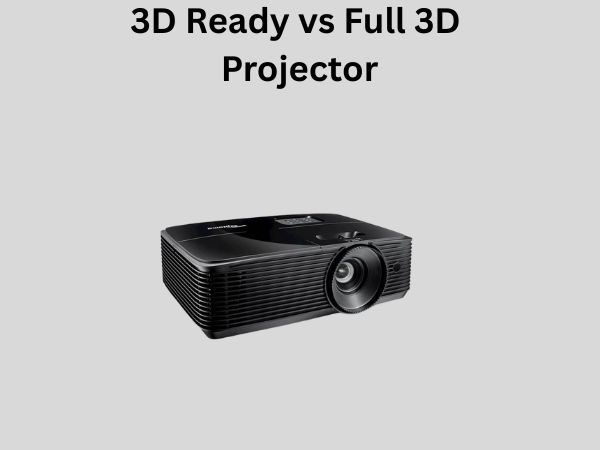
80 Inch TV vs Projector: Full Comparison Guide
Choosing between an 80-inch TV and a projector for your home theater depends on your space and budget. Generally, a large TV offers convenience and better performance in bright rooms, while a projector provides a truly cinematic, scalable screen for dedicated dark spaces.
Think of it like this: your TV is your everyday reliable sedan, always ready to go. Your projector is more like a sports car for special occasions, delivering a thrilling experience when conditions are just right. We’ve researched both options to help you decide which is best for your movie nights and gaming sessions.
- Screen Size: Projectors win for truly massive screens (100+ inches).
- Brightness: TVs perform much better in well-lit rooms.
- Installation: TVs are plug-and-play; projectors need careful setup and a screen.
- Cost: Entry-level TVs might be cheaper, but ultra-large TVs are pricier than comparable projector setups.
- Lifespan: TV panels last longer than projector bulbs (though laser projectors are improving).
Let’s break down the 80-inch TV versus projector showdown so you can pick the perfect screen for your home.
TVs vs. Projectors: Which Big Screen Is Right For Your Home?
Deciding between a big TV and a projector means thinking about how you’ll use your entertainment space. You want the best picture and experience. We’ve looked at the pros and cons of each. This guide will help you choose wisely.
Screen Size and Immersion
This is often the biggest deciding factor. A TV offers a large, fixed screen. A projector, however, can go much, much bigger.
The TV Experience
An 80-inch TV is already massive. It fills a significant portion of your wall. This size is great for most living rooms. It provides an immersive experience without being overwhelming. You get a bright, clear image right out of the box.
The Projector’s Cinematic Scale
Projectors truly shine when you want a screen larger than life. You can easily achieve 100, 120, or even 150 inches. This is the closest you’ll get to a movie theater feel at home. The image wraps around you. It’s fantastic for action movies and video games. You’ll need more space for this scale, though.
Brightness and Room Environment
How much light is in your room? This matters a lot. TVs handle ambient light better than projectors.
TVs in Bright Rooms
Modern TVs have excellent brightness levels. They can cut through sunlight or room lighting. This makes them ideal for living rooms with windows. You won’t have to close every blind. The picture remains vibrant and easy to see. Many experts suggest a TV for daytime viewing (Rtings.com).
Projectors and Dark Rooms
Projectors need a dark environment to perform their best. Ambient light washes out the image. It makes colors look dull and blacks look gray. For a projector, you’ll likely need blackout curtains or a dedicated, light-controlled room. This is where projectors truly excel—in darkness, they create incredible contrast and deep blacks.
Setup and Installation Hassles
Setting up your screen is different for each. One is much simpler than the other.
TV: Plug and Play Power
An 80-inch TV is basically plug and play. You mount it or set it on a stand. Then you plug in your devices. It’s straightforward. Even large TVs are designed for easy setup. You’re usually up and running in under an hour.
Projector: More Involved Process
Projectors require more planning. You need to consider placement. The projector must be the correct distance from the screen. It needs to be level. You also need a screen. This could be a fixed frame screen, a pull-down, or even a painted wall. This adds to the complexity and cost. Professional installation might be an option for some.
Cost Considerations
Let’s talk money. Which one gives you more bang for your buck?
Initial Purchase Price
Entry-level projectors can be cheaper than a large 80-inch TV. However, you need to factor in the screen cost. A good projector screen can add hundreds of dollars. You might also need a sound system. A 4K projector can easily cost more than a comparable TV. Many sources suggest an 80-inch TV offers better value for size if you don’t need 100+ inches (CNET).
Long-Term Investment
TV panels have a long lifespan. They can last 100,000 hours or more. Projector bulbs, on the other hand, have a limited lifespan. They typically need replacement after 2,000-5,000 hours. This is an ongoing cost. However, laser projectors are changing this. They can last 20,000 hours or more, similar to TVs.
Image Quality: A Deeper Dive
Beyond size, how does the picture actually look?
Contrast and Black Levels
In a dark room, projectors can offer superior contrast. They can produce deeper blacks than most TVs. This leads to a more dramatic image. However, high-end TVs are closing the gap. Some OLED TVs have perfect blacks. Most LED TVs struggle to achieve the same depth.
Color Accuracy and HDR
Both TVs and projectors can offer excellent color accuracy and High Dynamic Range (HDR). It depends heavily on the specific model. A premium TV will likely have better HDR performance than a budget projector. Always check reviews for the specific models you’re considering. Many reviewers note that top-tier TVs excel in bright room HDR (TechRadar).
Sound Experience
Don’t forget audio! It’s half the experience.
TVs Built-In Sound
Most TVs have speakers built-in. The sound quality is usually adequate for casual viewing. It’s rarely mind-blowing. For a truly immersive experience, you’ll want to add a soundbar or a full surround sound system with either a TV or a projector.
Projectors and External Audio
Projectors themselves do not have speakers. You absolutely need an external sound system. This could be a soundbar or a dedicated home theater receiver and speaker setup. This is an additional cost and setup step.
Key Features to Consider Checklist
Before you make your final choice, run through this quick checklist:
- Room Lighting: How bright is your viewing space?
- Desired Screen Size: Do you dream of 150 inches or is 80 enough?
- Budget: Include screen and sound system costs for projectors.
- Installation Comfort: Are you up for mounting and calibration?
- Usage: Will you watch mostly in the day or at night?
- Longevity: Are you okay with bulb replacements or seeking long-life laser?
So, Which Is Better For You?
If you want a simple, convenient solution that performs well in a typical living room, even with lights on, an 80-inch TV is likely your best bet. It’s an all-in-one package that delivers a fantastic viewing experience for most people.
If you crave that massive, cinematic screen and have a dedicated space you can control the light in, a projector offers an unparalleled sense of immersion. Just be prepared for the extra setup and potential ongoing costs.
Conclusion
Deciding between an 80-inch TV and a projector comes down to your specific needs and viewing environment. For most living rooms, especially those with ambient light, a large TV offers superior ease of use and consistent picture quality. You get a bright, vibrant image without much fuss. If you’re aiming for a true cinematic experience and have a dedicated, dark room, a projector can deliver that massive, immersive screen you’ve always wanted. Just remember to factor in the extra setup, screen, and sound system costs. We encourage you to assess your room and budget honestly to make the best choice for your home theater dreams.
Frequently Asked Questions
Can a projector really be cheaper than an 80-inch TV?
An entry-level projector might have a lower upfront cost than a premium 80-inch TV. However, you must also budget for a projector screen, which can add hundreds of dollars. When comparing 4K models or higher-end options, projectors often become more expensive than a comparable-sized TV.
Which option is better for gaming?
For gaming, especially in rooms with some light, an 80-inch TV is generally better due to its brightness and typically lower input lag. Projectors can offer a more immersive experience with their larger screen size, but they require a very dark room and can sometimes have higher input lag, which is less ideal for fast-paced games.
Do I need a special screen for a projector?
Yes, you absolutely need a projector screen for the best picture quality. While you *can* project onto a wall, a dedicated screen is designed to reflect light optimally, providing better brightness, contrast, and color accuracy. The type of screen (fixed, pull-down, etc.) will depend on your room and setup.
How long will a projector bulb last compared to a TV panel?
Traditional projector bulbs typically last between 2,000 to 5,000 hours, requiring replacement. TV panels, on the other hand, can last 60,000 to 100,000 hours or more. Newer laser projectors are closing this gap, offering lifespans comparable to TVs.
Is an 80-inch TV large enough for a home theater feel?
An 80-inch TV provides a very large and immersive display for most living rooms, offering a fantastic movie-watching experience. However, for a truly cinematic scale that mimics a commercial theater, projectors can easily achieve screen sizes of 100 inches and much larger, providing a more enveloping visual experience.