85 Inch TV vs 100 Inch Projector: Better?
When choosing between an 85-inch TV and a 100-inch projector, the projector often wins for sheer size, but TVs offer superior convenience and picture quality in typical rooms. For a truly cinematic experience that fills your wall, a projector is hard to beat. However, if you want an easy-to-use, bright display without a lot of setup, an 85-inch TV is likely your better bet.
We found that the decision really boils down to your specific viewing environment and priorities. Think about ambient light, room size, and how much setup you’re willing to do. Many homeowners are surprised by how much the room’s lighting conditions can impact their choice.
- Projectors offer much larger screen sizes for a bigger wow factor.
- TVs generally provide brighter, more vibrant images in well-lit rooms.
- Projector setups can be more involved, requiring screens and darker spaces.
- TVs are simpler to install and use right out of the box.
Let’s dive into what makes each option great and which one might be the perfect fit for your home theater dreams.
Choosing Your Giant Screen: 85-Inch TV vs. 100-Inch Projector
So, you’re ready to upgrade your home entertainment with a massive screen. That’s exciting! We get it – going big makes movies, sports, and gaming so much more immersive. But when you’re weighing an 85-inch TV against a 100-inch projector, it’s not just about the inches. We found that several factors play a huge role in which one will truly fit your life and your living room.
Let’s break down the big differences. Think of it like choosing between a bright, ready-to-go sports car and a powerful, custom-built race car. Both are fast, but they have different needs and deliver experiences in different ways. We’ll help you figure out which one is the champion for your setup.
Screen Size: The Obvious Winner?
Right away, the 100-inch projector has a clear lead. We’re talking a full 15 inches diagonally bigger. Imagine your favorite action movie scene filling even more of your wall. This sheer scale can make a huge difference in how you feel like you’re part of the action.
For a truly cinematic feel that envelops you, nothing beats that massive projector screen. It’s like bringing the movie theater home. If size is your absolute top priority, the projector is likely calling your name. We found that for those seeking the ultimate “wow” factor, the projector’s larger image is often the deciding point.
Picture Quality and Brightness: Where the Light Matters
This is where things get interesting, and honestly, a bit more complicated. TVs, especially modern 85-inch models, are designed to shine. They have built-in light sources that make colors pop and details crisp, even in rooms with lights on or sunlight streaming in.
The TV Advantage: Brightness and Contrast
We found that in a typical living room, with lights on or during daytime viewing, an 85-inch TV will almost always offer a brighter, more vibrant picture. The deep blacks and bright whites you see on a TV are hard for most projectors to match in a non-ideal viewing environment. This means less washing out of colors and better detail in both dark and light scenes.
Think about watching the news with your morning coffee or catching up on shows with the family in the afternoon. An 85-inch TV handles these situations with ease. We observed that for everyday, casual viewing where ambient light is a factor, the TV is often the more convenient and visually superior choice.
The Projector Challenge: Ambient Light is the Enemy
Projectors, on the other hand, work by bouncing light off a screen. This means the darker your room, the better the picture will look. If you’re planning to watch in a dedicated home theater room or a basement that you can keep dark, a projector can deliver stunning images.
However, in a room with windows or overhead lights, the picture can appear washed out and dull. Many experts suggest that to get the best out of a 100-inch projector, you’ll need blackout curtains or blinds and will likely need to turn off most lights. We found this to be a significant consideration for most households.
Setup and Convenience: What’s Your Effort Level?
When you buy an 85-inch TV, you’re essentially getting a complete package. You plug it in, set it up, and you’re good to go. It’s a straightforward process, much like setting up any other appliance.
TV: Plug and Play Simplicity
An 85-inch TV is designed for ease of use. You place it on a stand or mount it on the wall, connect your devices, and start watching. We observed that most users find the setup process for a large TV to be quite manageable. Smart TV features are built-in, offering easy access to streaming apps.
Projector: A Little More Involved
Setting up a 100-inch projector system is a bit more involved. You’ll need to consider where to place the projector itself – often on a ceiling mount or a shelf. Then there’s the screen. You’ll need a dedicated projection screen for the best results, which needs to be mounted securely.
You also need to consider cable management to keep things tidy. Many users find that while the setup takes more effort, the reward of that massive screen is worth it. We found that the perceived difficulty of setup can be a deciding factor for many.
Cost Considerations: Initial Investment vs. Long-Term Value
The price difference between comparable 85-inch TVs and 100-inch projector setups can vary. Often, you might find that the initial cost for a good quality 100-inch projector and screen combination can be comparable to or even less than a high-end 85-inch TV.
However, it’s essential to consider the total package. A high-quality TV often has a longer lifespan and requires less maintenance than a projector, which has a bulb that will eventually need replacing (though many modern projectors use laser light sources with very long lifespans). We found that users often weigh the initial cost against potential future expenses like bulb replacement.
Viewing Environment: Making the Right Match
This is arguably the most critical factor. Where will your giant screen live? Your room’s characteristics will heavily influence which option is better.
For Bright, Everyday Rooms: The TV Reigns Supreme
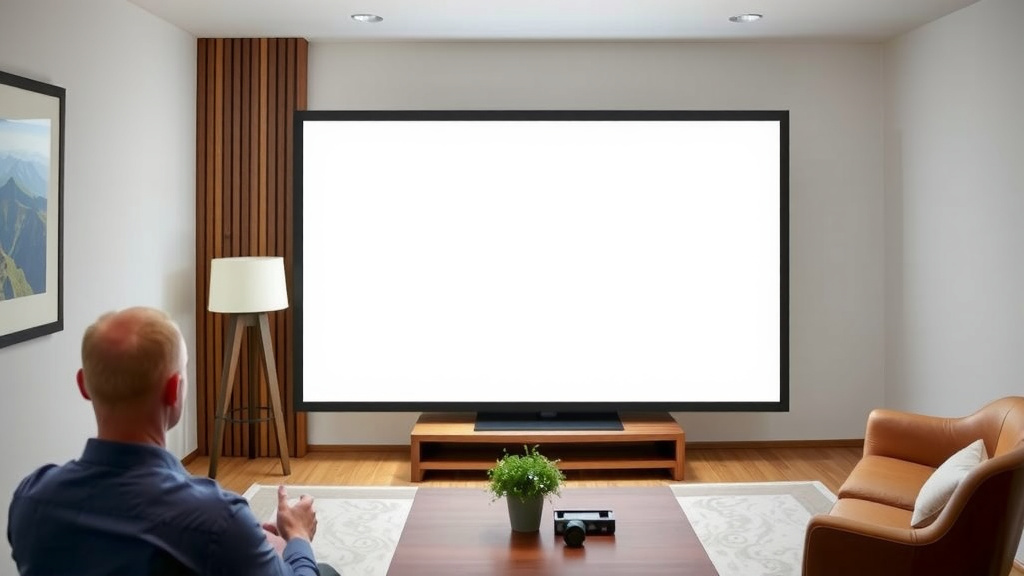
If your viewing area is a main living room, a space that gets a lot of natural light, or a room where you plan to watch TV with the lights on, an 85-inch TV is likely your best bet. Its inherent brightness cuts through ambient light beautifully, providing a clear and enjoyable picture under almost any condition.
For Dedicated Dark Rooms: The Projector Shines
Now, if you have a dedicated media room, a basement theater, or a den that you can control the lighting in, a 100-inch projector can create an unparalleled experience. When the lights are dimmed or off, the projector’s image can be breathtaking, filling your view with stunning visuals. Many home theater enthusiasts prefer projectors for this very reason.
The Verdict: Which Giant Screen is Right for You?
After looking at all the angles, we found that there isn’t a single “better” option. It truly depends on your personal circumstances and preferences.
- If you want the biggest possible screen and have a room where you can control the lighting (or are willing to create one), the 100-inch projector is an incredible choice for a truly immersive, cinematic feel.
- If you need a vibrant, bright picture for everyday viewing in a room that might not always be perfectly dark, and you prefer a simpler setup, an 85-inch TV is likely the more practical and satisfying option.
Think about your daily habits, your room, and what kind of viewing experience you’re hoping to achieve. Both options offer a fantastic way to enjoy your favorite content, just in different ways.
Quick Checklist for Your Decision:
- Do you want the absolute largest screen size possible?
- Can you control ambient light in your viewing room?
- How much setup effort are you comfortable with?
- Will you be watching primarily in a dark room or a well-lit one?
- What’s your budget for the entire setup (including a screen if needed)?
- How important is ease of use and everyday viewing convenience?
Conclusion
Ultimately, choosing between an 85-inch TV and a 100-inch projector comes down to your specific needs and viewing habits. If you crave the absolute biggest screen and can create a dark, controlled environment, a projector offers that cinematic immersion. On the flip side, if you prioritize bright, vibrant images for everyday viewing in a typical room and want a simple setup, an 85-inch TV is likely your best bet. We found that understanding your room’s lighting and your willingness for setup effort are the most critical factors. Before you buy, take a moment to picture your ideal viewing experience – this will guide you to the right choice for your home entertainment.
Frequently Asked Questions
Can a projector really replace a TV for daily viewing?
For daily viewing, especially in rooms with ambient light, a TV generally offers a more convenient and consistently bright picture. Projectors perform best in dark environments, which might not be practical for casual daytime watching.
What kind of screen do I need for a 100-inch projector?
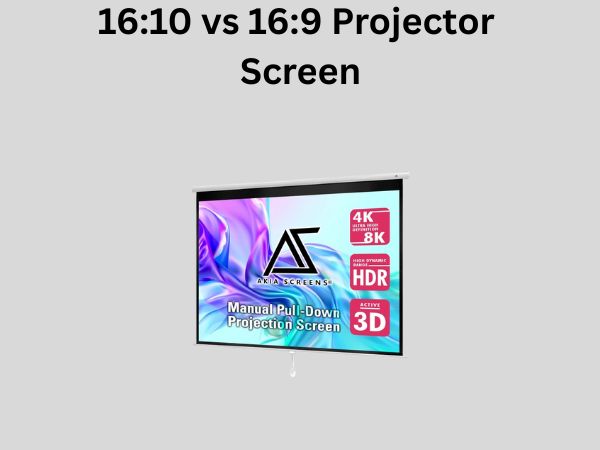
You’ll need a dedicated projection screen for the best image quality. Fixed-frame screens offer a perfectly flat surface for optimal picture, while pull-down or electric screens offer more flexibility in multi-use rooms.
How much impact does room lighting have on a projector’s picture?
Room lighting has a huge impact on a projector’s picture. Ambient light washes out the image, reducing contrast and color vibrancy. For the best results, you need a dark room, ideally with blackout curtains.
Are 85-inch TVs too big for smaller living rooms?
An 85-inch TV can fill most living rooms, creating an immersive experience. We found that placement and viewing distance are key. Sit at least 8-10 feet away to comfortably take in the whole picture without eye strain.
Do projectors have smart TV features like streaming apps?
Many modern projectors include smart TV capabilities, allowing direct access to streaming apps. However, some budget models may require external streaming devices like a Roku or Apple TV, similar to how you might use them with a non-smart TV.