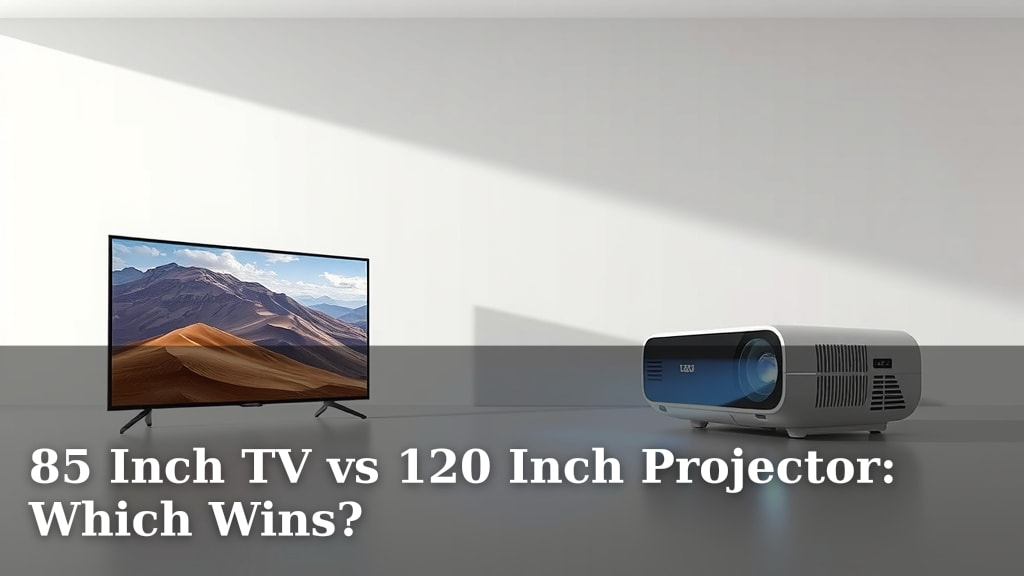
85 Inch TV vs 120 Inch Projector: Which Wins?
When comparing an 85-inch TV versus a 120-inch projector, the projector generally wins for sheer screen size and cinematic feel, especially if you’re aiming for that truly immersive theater experience at home. While TVs offer convenience and superior brightness in well-lit rooms, a projector can deliver a screen that dwarfs even the largest TVs, creating a much more impactful visual display for movies and gaming.
Choosing between a big TV and a projector involves more than just diagonal inches. We found that room conditions and your viewing habits play a huge role in which option will truly satisfy your home entertainment needs. Consider factors like ambient light, the size of your viewing space, and how often you’ll be using the system for casual viewing versus dedicated movie nights.
- Screen Size: Projectors win for huge screens (100+ inches).
- Brightness: TVs are better in bright rooms.
- Setup: TVs are plug-and-play; projectors need more setup.
- Cost: Large TVs are expensive; projectors can be cost-effective for size.
- Immersion: Projectors offer a more cinematic, theater-like feel.
Let’s dive into the details to help you decide which giant display option is the right fit for your home.
“`htmlGiant Screens at Home: TV vs. Projector Showdown
When you’re dreaming of a massive home theater experience, the choice between an 85-inch TV and a 120-inch projector can feel like picking between two titans. We know the allure of a huge screen. It’s what turns movie night into an event. Let’s break down what each option brings to your living room.
The Size Difference: Seeing is Believing
The most obvious difference is the sheer size. A 120-inch projector screen offers a diagonal measurement that dwarfs an 85-inch TV. We’re talking about a difference of 35 inches! This translates to a significantly larger viewing area. Think about movie theater seats – that’s the kind of immersion a 120-inch screen can bring.
Projector’s Big Advantage
A 120-inch screen covers about 105 inches by 60 inches. That’s a huge amount of real estate for your eyes to take in. This scale is perfect for making you feel like you’re right in the middle of the action. It’s an **unmatched level of visual scale** for your home.
TV’s Familiar Footprint
An 85-inch TV, while massive by most standards, is still considerably smaller. It typically measures around 74 inches by 42 inches. It fits into most living rooms without dominating the space. You get a **big picture**, but not quite the “wall of screen” feeling.
Light Matters: Where and When You Watch
The environment where you’ll be watching is a **critical factor**. Ambient light can dramatically affect the viewing experience for both TVs and projectors, but in different ways. We found that understanding your room’s lighting is key.
Projectors and Darkness
Projectors perform best in darkened rooms. Think of a movie theater – it’s dark for a reason! Any light in the room will wash out the projected image, making colors look dull and blacks appear grayish. For a 120-inch projector, you’ll want a room you can control the light in, like a dedicated media room or a living room with blackout curtains. Many experts suggest that for optimal performance, the room should be as dark as possible (Home Theater Magazine).
TVs and Ambient Light
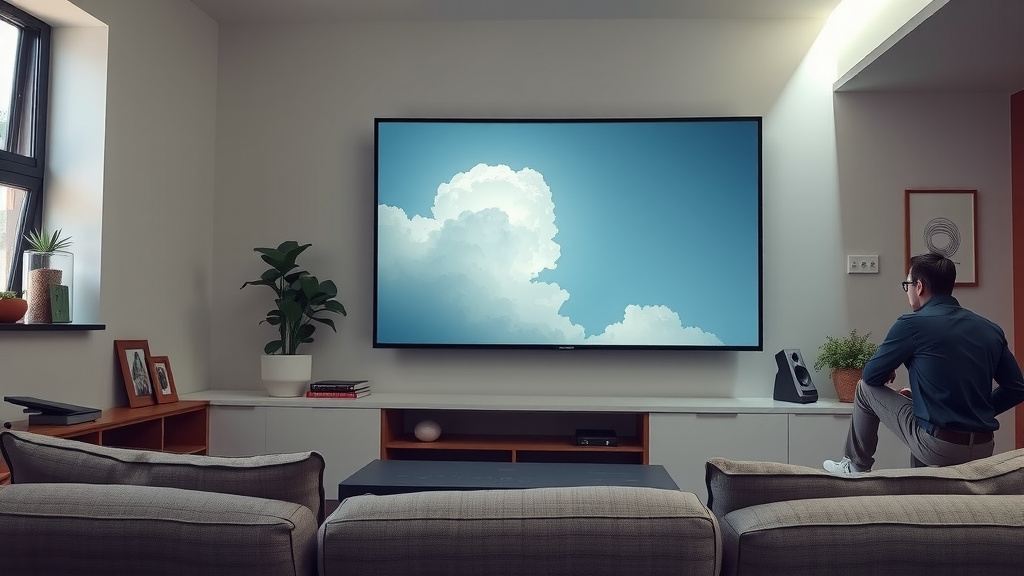
Modern 85-inch TVs are incredibly bright. They can power through ambient light much better than projectors. If your viewing space is a bright, sunlit living room, an 85-inch TV will likely offer a more satisfying picture. You won’t have to struggle to see the details. The TV’s **superior brightness** means you can watch during the day or in rooms with windows.
Setup and Installation: Getting Started
How much effort do you want to put into setting up your giant display? This is where the two options diverge quite a bit. We found that ease of use is a big consideration for many people.
The TV’s Plug-and-Play Simplicity
An 85-inch TV is relatively straightforward. You place it on a stand or mount it on the wall, plug it in, and you’re pretty much ready to go. Smart TV features are built-in, making it easy to access streaming services. It’s a **familiar and fuss-free process** for most users.
The Projector’s More Involved Approach
Setting up a projector involves a few more steps. You’ll need to mount the projector (either on the ceiling or a shelf), ensure it’s aligned correctly with the screen, and often, install a separate screen. This can involve more planning and effort. Some projectors also require a dedicated audio system for the full cinematic effect. We found that the initial setup might take a weekend afternoon.
Picture Quality: Beyond Size
While size is a huge draw, picture quality itself is what you’ll be enjoying every time you watch. Both technologies have come a long way, but they still have differences.
Brightness and Contrast
As mentioned, TVs excel in brightness. They can produce vibrant colors and deep blacks even in a lit room. Projectors, especially in a dark room, can offer incredible contrast ratios and rich colors. However, achieving that perfect picture with a projector requires careful calibration and the right screen material. Many technical guides recommend specific screen types for different ambient light conditions (Projector Central).
Resolution and Detail
Both an 85-inch TV and a 120-inch projector can offer stunning 4K resolution. At 120 inches, the pixels on a 4K projector can become more visible up close than on an 85-inch TV. This means you might need to sit a bit further back to fully appreciate the sharpness on the projector. For an 85-inch TV, the pixel density is higher, offering a very crisp image even when you’re relatively close.
Cost Considerations: Big Screens on a Budget?
When you think about “big screen,” you might imagine a price tag that makes your eyes water. The cost breakdown is interesting.
The High Price of Large TVs
Buying an 85-inch 4K TV is a significant investment. Prices can range from $2,000 to $5,000 or more, depending on the brand and features. You’re paying a premium for that size in a self-contained unit. It’s a **substantial purchase** for your entertainment setup.
Projectors as a Size-Conscious Option
For the same screen real estate, a projector system can often be more cost-effective. You can find good quality 4K projectors for $1,000 to $3,000. Add a screen (which can range from a few hundred to over a thousand dollars), and you might still come in **cheaper than a comparable-sized TV**. This makes the projector an attractive option for those prioritizing maximum screen size per dollar.
Durability and Lifespan: Long-Term Viewing
How long will your giant display last? This is an important question for any major purchase.
TVs: Built to Last
Modern LED TVs have a long lifespan, often rated for 60,000 to 100,000 hours of use. They are generally very reliable and require no regular maintenance beyond keeping them clean. You can expect your 85-inch TV to provide **years of consistent viewing**.
Projectors: Lamp and Laser Life
Projectors have components that need eventual replacement. Traditional lamps typically last 2,000 to 5,000 hours and can cost a few hundred dollars to replace. Newer laser projectors have a much longer lifespan, often 20,000 to 30,000 hours, and don’t require lamp changes. However, they can be more expensive upfront. You need to factor in potential **future costs** for projectors.
What’s Your Viewing Style?
Ultimately, the best choice depends on how you plan to use your giant screen. We’ve found that considering your habits makes the decision clearer.
Movie Buffs and Gamers
If you dream of a true cinematic experience and love gaming on the biggest screen possible, a 120-inch projector in a controlled lighting environment is probably your winner. The **immersive scale** is hard to beat for watching epic films or getting lost in a video game world.
Casual Viewers and Bright Rooms
For those who enjoy a mix of TV shows, news, sports, and movies, and who often watch in a room with natural light, an 85-inch TV is likely the more practical and enjoyable choice. It offers **convenience and consistent performance** regardless of the time of day.
Quick Checklist: Your Big Screen Decision
To help you finalize your choice, consider these points:
- Do you have a room where you can control light effectively?
- How important is the absolute largest screen size possible?
- Will you be watching mostly during the day or at night?
- What’s your budget for the display and any necessary accessories?
- How much effort are you willing to put into setup and maintenance?
- Do you prefer a simple, all-in-one solution or a more customizable system?
Conclusion
You’ve seen how an 85-inch TV and a 120-inch projector offer distinct advantages. The projector wins for raw screen size and that coveted cinematic immersion, especially in dark rooms. Your 85-inch TV shines with superior brightness in well-lit spaces and offers a simpler setup. We found that your viewing habits and room conditions are the biggest deciding factors. Carefully consider your space and how you watch. Your next step is to measure your room and envision your perfect movie night or gaming session. This will help you make the final call.
Frequently Asked Questions
Can I use a projector in a room with windows?
Yes, but it’s not ideal. A projector’s image can look washed out in bright rooms. You’ll get the best picture quality by controlling the ambient light. Blackout curtains or blinds are highly recommended for daytime viewing with a projector.
How much further back do I need to sit for a 120-inch projector compared to an 85-inch TV?
You’ll generally want to sit a bit further back for a 120-inch projector to avoid seeing individual pixels. A common recommendation is to sit about 1.5 to 2 times the screen’s width away. For an 85-inch TV, you can typically sit closer.
Do I need a separate sound system for a projector setup?
While many projectors have built-in speakers, they are usually not powerful enough for an immersive experience. We recommend pairing your projector with a dedicated soundbar or surround sound system for the best audio quality.
Are laser projectors better than lamp projectors for home use?
Laser projectors generally offer a longer lifespan and consistent brightness without needing lamp replacements. They are often more expensive upfront but can be more cost-effective and convenient in the long run compared to lamp-based projectors.
Which option is better for gaming: an 85-inch TV or a 120-inch projector?
For gaming, both can be excellent, but it depends on your priorities. A projector offers a massive, immersive screen that can make games feel more epic. However, TVs often have lower input lag and better performance in bright rooms, which might be preferable for competitive gamers.