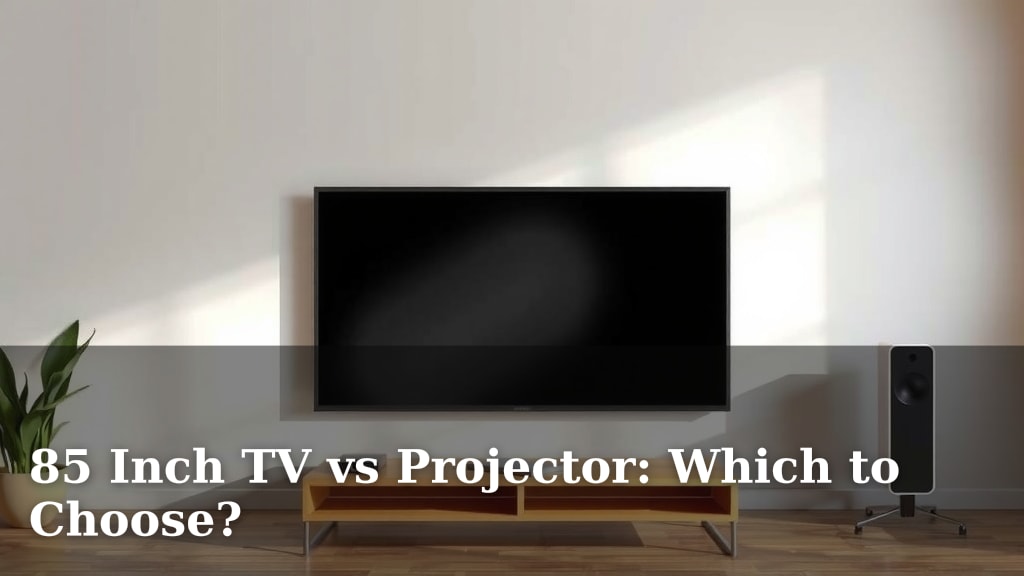
85 Inch TV vs Projector: Which to Choose?
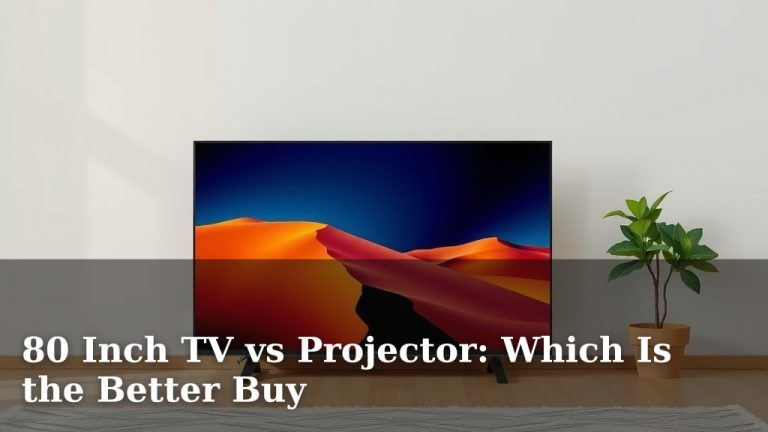
Choosing between an 85-inch TV and a projector for your home theater depends on your room size and how you plan to use it. For most living rooms, an 85-inch TV offers a bright, convenient, and superior viewing experience for everyday watching. Projectors shine in dedicated dark rooms for a true cinema feel, but require more setup and controlled lighting.
While a big TV is generally easier to live with day-to-day, a projector can create an unparalleled cinematic immersion. Many experts note that the best choice often comes down to a balance of picture quality, ease of use, and the environment where you’ll be watching. We’ve researched both options to help you decide.
- 85-inch TVs are great for general viewing in most rooms.
- Projectors offer a cinema-like experience, best in dark rooms.
- Consider your room size and ambient light carefully.
- TVs are generally simpler to set up and use daily.
- Projectors can provide a larger screen but need more planning.
Let’s break down the pros and cons of each to help you make the best choice for your home.
“`htmlBig Screen Entertainment: TV or Projector for Your Home?
Deciding between a massive 85-inch TV and a projector setup can feel like a tough choice. Both promise a bigger, bolder viewing experience. We’ve looked into what makes each one tick. Let’s figure out which fits your life best. The main difference often comes down to your room’s environment and your viewing habits.
Setting Up Your Home Theater: Key Considerations
Ambient Light: The Silent Killer (or Friend)
This is perhaps the biggest factor. Think about your living room. Does it get a lot of natural light during the day? Are you planning to watch movies when the sun is still up? If so, an 85-inch TV will generally perform much better. TVs use their own light source, making them bright and vibrant even in well-lit spaces. Projectors, on the other hand, need darkness to shine. They reflect light off a screen, so any ambient light washes out the image. You’ll get a dull, lifeless picture if you try to use a projector in a bright room. For projectors to truly impress, a dedicated, dark room is ideal. This might mean a basement home theater or a room you can completely black out.
Room Size and Viewing Distance
While both options offer large screen sizes, the ideal viewing distance differs. For an 85-inch TV, you’ll want to sit roughly 8.5 to 17 feet away. This distance lets you take in the whole picture without straining your eyes. Projectors, especially those designed for larger screen sizes, can create images that are 100 inches, 120 inches, or even bigger. The recommended viewing distance for a projected image is often about 1.5 to 2.5 times the screen’s diagonal measurement. So, for a 120-inch projected image, you might sit about 15 to 25 feet away. This means projectors can create a truly immersive experience, but you need enough space to accommodate that distance. If you have a smaller room, a huge TV might be more practical.
Installation and Setup Complexity
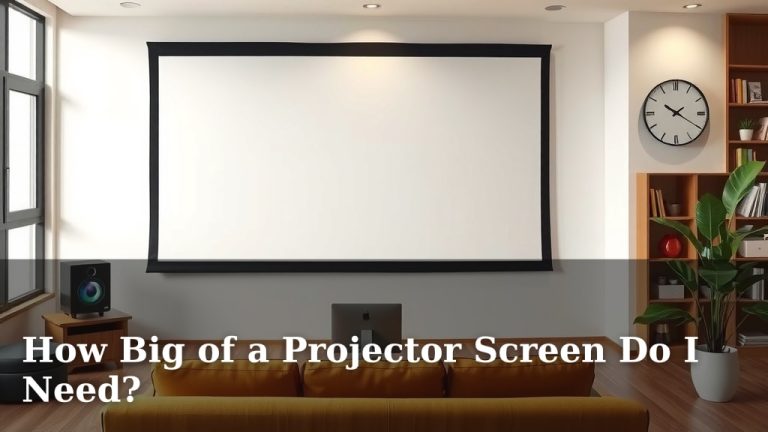
When it comes to ease of use, 85-inch TVs are the clear winner. You unbox it, plug it in, and you’re mostly good to go. Smart TV features mean you can access streaming apps directly. Soundbars can easily be connected for better audio. Setting up a projector system can be more involved. You’ll need to mount the projector, either on the ceiling or a shelf, and align it perfectly with the screen. You’ll also need a screen, which might be a fixed frame or a pull-down model. Then there’s the audio system; projectors themselves don’t have built-in speakers. So, you’ll need separate speakers and possibly an AV receiver. This setup requires more planning and potentially professional help.
Picture Quality: What to Expect
Brightness and Contrast
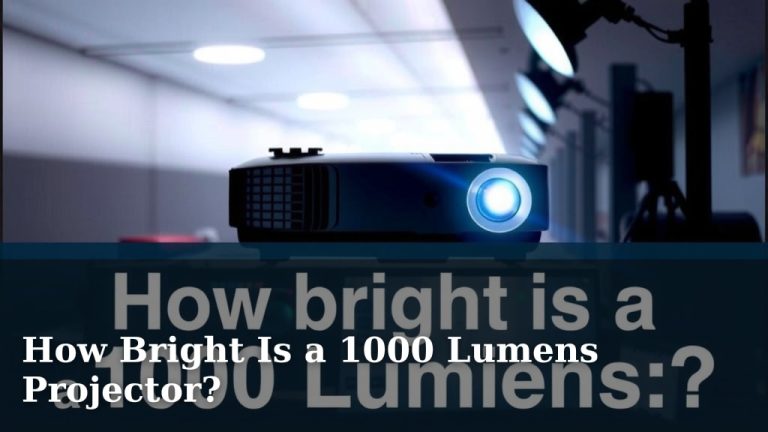
As mentioned, TVs excel in brightness. An 85-inch TV can easily output 1000 nits of brightness or more. This allows for stunning HDR performance with vibrant colors and deep blacks. Projectors, on average, produce fewer nits of brightness. High-end projectors can reach 3000-4000 lumens, which is their equivalent measure of brightness, but this is still less than most modern TVs. In a dark room, this can be plenty, but contrast ratios are key. Projectors often struggle with true black levels compared to OLED or QLED TVs. You might notice a slight gray or washed-out look in dark scenes. However, advancements in laser projectors are closing this gap.
Color Accuracy and Resolution
Both high-end TVs and good projectors can offer excellent color accuracy and sharp resolutions like 4K or even 8K. The quality of the panel or chip used in the device matters most. Many experts agree that for vibrant, true-to-life colors, especially in mixed lighting, a good 85-inch TV will often have the edge. Projectors, when paired with a high-quality screen and in a perfectly controlled environment, can produce breathtakingly large images with fantastic color. However, you’re more likely to encounter issues like the “rainbow effect” (brief flashes of color) with some projector types, though this is less common with newer DLP and LCoS technologies.
Cost and Value: The Bottom Line
Initial Investment
Let’s talk money. Buying an 85-inch TV is a significant investment. Prices can range from $1,500 to $5,000 or more, depending on the brand and features. A decent 4K projector might cost between $1,000 and $3,000. However, remember that a projector setup often requires additional costs. You’ll need a screen (which can be $200 to $1,000+), a sound system, and potentially mounting hardware. So, while the initial projector price might seem lower, the total cost of ownership can often equal or exceed that of a large TV. The bulb in a projector also has a lifespan, typically lasting 2,000 to 5,000 hours, and will eventually need replacing, adding to long-term costs. TVs don’t have this consumable part.
Longevity and Maintenance
As we touched on, TVs generally require less maintenance. They are solid-state devices with fewer moving parts. Projectors have bulbs or laser light sources that have a finite lifespan. While laser projectors last much longer than traditional lamp-based ones, they still degrade over time. Dust can also be an issue for projectors, requiring occasional cleaning of filters and lenses to maintain optimal performance. For convenience and longevity with minimal fuss, a TV is usually the simpler choice.
Who Should Choose an 85-Inch TV?
An 85-inch TV is probably your best bet if:
- Your viewing space is a regular living room with ambient light.
- You want a simple setup and plug-and-play convenience.
- You primarily watch TV shows, news, or sports during the day.
- You value a bright, high-contrast image for HDR content.
- You don’t want to deal with extensive setup or ongoing maintenance.
Who Should Choose a Projector?
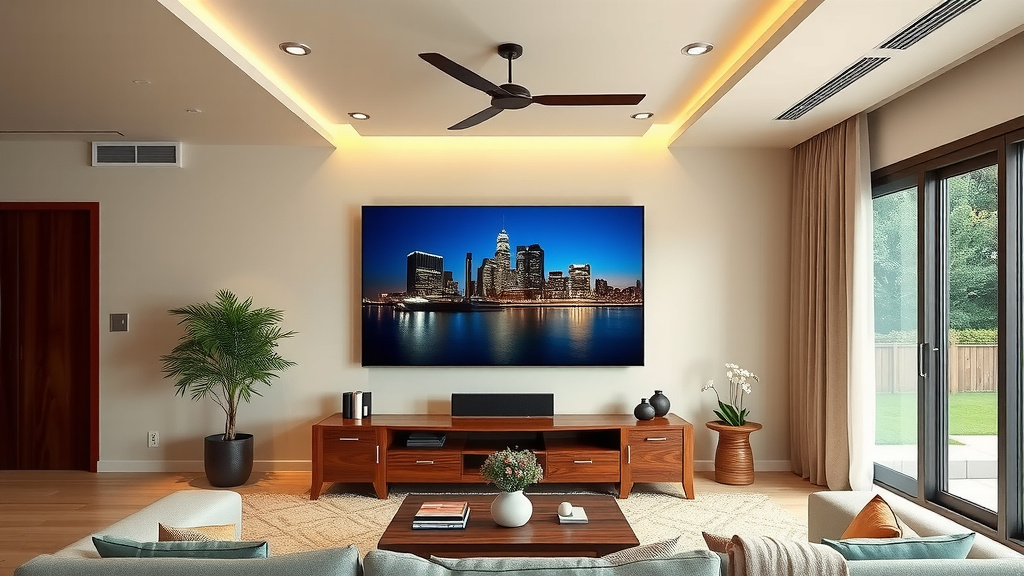
A projector system might be perfect for you if:
- You have a dedicated home theater room or a space you can make completely dark.
- You dream of a truly cinematic screen size that goes beyond 100 inches.
- You enjoy a more immersive, cinema-like viewing experience for movies.
- You don’t mind a more complex installation and setup process.
- You have the space for a proper viewing distance.
Quick Comparison Table
| Feature | 85-Inch TV | Projector System |
|---|---|---|
| Best For | Well-lit rooms, daily viewing, ease of use | Dark rooms, cinematic movie nights, large screen enthusiasts |
| Screen Size | Fixed at 85 inches | Variable, can be 100+ inches |
| Ambient Light Impact | Minimal impact, stays bright | Significant impact, washes out image |
| Setup | Simple, plug-and-play | Complex, requires mounting, screen, sound |
| Picture Brightness | Very High | Moderate to High (depends on model and room darkness) |
| Total Cost (typical) | Moderate to High | Moderate to High (includes screen, sound, etc.) |
| Maintenance | Low | Moderate (bulb/laser life, cleaning) |
Your Home Theater Checklist
Before you decide, ask yourself these quick questions:
- How much natural light does your primary viewing room get?
- What is the maximum screen size you realistically want?
- How much effort are you willing to put into setup and maintenance?
- What is your total budget, including accessories like screens or sound systems?
- Will you be watching mostly movies or also sports and TV shows?
- Do you have enough space for the recommended viewing distance?
Conclusion
Deciding between an 85-inch TV and a projector ultimately hinges on your viewing environment and lifestyle. If your space is a typical living room with natural light, an 85-inch TV offers superior brightness and convenience. For a dedicated cinema-like experience in a light-controlled room, a projector can deliver unparalleled immersion and massive screen sizes. We found that TVs are simpler for daily use and maintenance, while projectors require more setup but offer that true big-screen magic. Carefully consider your room’s lighting, available space, and how much effort you’re willing to invest in setup. Your next step is to visualize your ideal viewing scenario in your home and choose the option that best fits your needs.
Frequently Asked Questions
Can a projector work in a room with some light?
While projectors perform best in darkness, some newer models with higher brightness (lumens) can offer a decent viewing experience in rooms with moderate ambient light. You might still notice some washout compared to a TV, but it’s often usable for casual viewing if you can’t achieve total darkness.
Is an 85-inch TV too big for a small room?
For an 85-inch TV, the recommended viewing distance is about 8.5 to 17 feet. If your room is smaller than that, an 85-inch TV might feel overwhelming, and you may strain your eyes. Consider a slightly smaller TV or a projector for very compact spaces.
What are the ongoing costs for a projector?
Beyond the initial purchase of the projector, screen, and sound system, you’ll need to budget for eventual bulb replacement (for lamp-based projectors) or potential maintenance. Laser projectors have longer lifespans but will also degrade over many years.
Do projectors have built-in speakers?
Most projectors do not come with integrated speakers, or if they do, they are typically very basic. You will almost always need to factor in the cost and setup of a separate sound system, such as soundbars or a full surround sound setup, for an immersive audio experience.
Which option is better for gaming?
For gaming, an 85-inch TV often has an edge due to lower input lag and better response times, especially in well-lit rooms. However, high-end projectors designed for gaming can also offer an incredibly immersive experience with large screen sizes, provided your room is dark enough.