Cheap vs Expensive Projector Screen: Better?
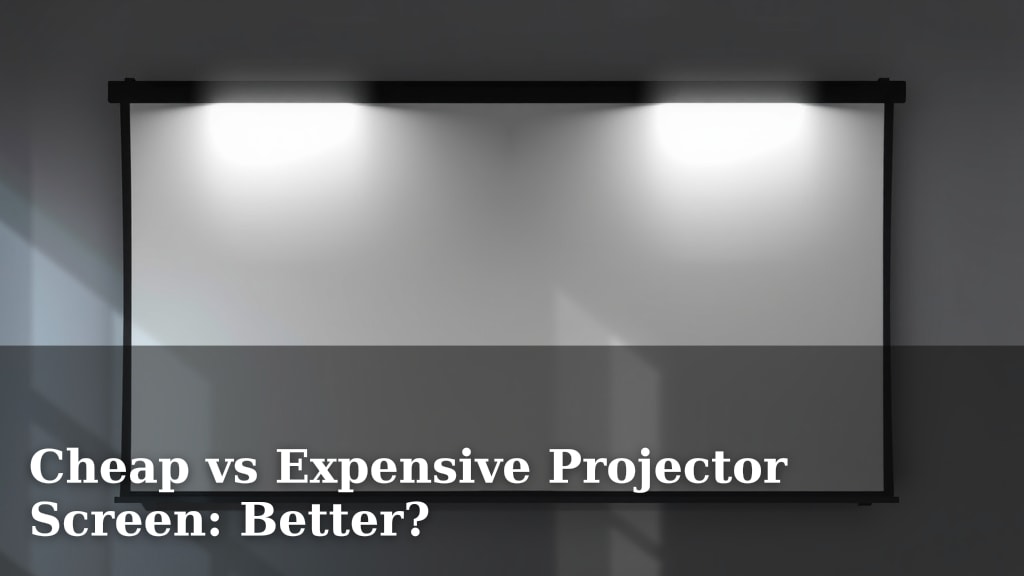
When deciding between a cheap vs. expensive projector screen, the better choice depends on your priorities, but often, a mid-range screen offers the best balance of quality and price. You don’t always need to break the bank to get a great viewing experience, but going too cheap can really hurt your picture.
We’ve found that while a super budget screen might seem tempting, it can lead to visible flaws like uneven surfaces or poor reflectivity. On the flip side, the most expensive options often add features you might not need, like motorized mechanisms, unless your setup demands it. The sweet spot usually lies in screens that focus on material quality and a smooth, consistent surface for optimal image projection.
- A mid-range projector screen often hits the sweet spot for quality and cost.
- Super cheap screens can suffer from bad picture quality.
- Very expensive screens might have features you don’t really need.
- Material and surface smoothness are key factors for any screen.
- Consider your budget and how much you value picture perfection.
Let’s break down what makes a projector screen worth your money, and where you might be able to save a little without sacrificing your movie nights.
Projector Screen Costs: When Is More Money Better?
So, you’re ready to upgrade your home theater setup with a projector screen. That’s exciting! But as you start shopping, you’ll notice a huge price range. Some screens cost less than a good dinner, while others rival the price of a small car. Where does your money actually go? We found that the price difference usually boils down to a few key areas: **material quality**, **build construction**, and **extra features**.
The Material Matters Most
Think of the screen material as the canvas for your movie. A good canvas makes the art pop. A bad one makes it look muddy. Cheaper screens often use basic vinyl. This material can cause a few problems. It might not lay perfectly flat, leading to wavy lines. It can also have a grainy texture. This texture can make your picture look less sharp and a bit dull.
More expensive screens use advanced materials. These are designed to be perfectly smooth. They also have special coatings. These coatings help with reflectivity. That means they bounce projector light back to your eyes more efficiently. This results in brighter whites and deeper blacks. We found that screens with a matte white finish are usually a safe bet for most rooms. They diffuse light evenly. This helps avoid hot spots.
Gain and Viewing Angles
Screen material also affects “gain.” Gain is a measure of how much light the screen reflects. A gain of 1.0 means it reflects light evenly. Higher gain screens make the picture brighter. But, they can sometimes narrow your viewing angles. This means people sitting off to the side might see a dimmer picture. Lower gain screens offer wider viewing angles. We found that for most home use, a gain between 0.8 and 1.2 is ideal.
Durability and Lifespan
Higher-quality screen materials are generally more durable. They resist damage better over time. Cheaper vinyl can yellow or crack. This can happen with prolonged exposure to light or heat. A well-made screen, even without fancy coatings, should last for many years. You want a screen that stays smooth and white throughout its life. We found that investing a bit more in material means your screen will look better for longer.
Construction and Frame: More Than Just Looks
How the screen is built is just as important as the material. A flimsy frame can cause the screen to sag. This creates those annoying wrinkles. It ruins the flat surface needed for a great image. Many budget screens come in simple, sometimes flimsy, frames. They might use thin aluminum or plastic.
Higher-end screens often feature more robust frames. Think thicker aluminum or even sturdy steel. These frames are designed to provide tension. This tension keeps the screen material perfectly flat. Many also include adjustable tensioning systems. This allows you to fine-tune the flatness yourself. We found that a well-tensioned screen is crucial for a sharp, distortion-free image. This is especially true for larger screen sizes.
Fixed vs. Retractable Screens
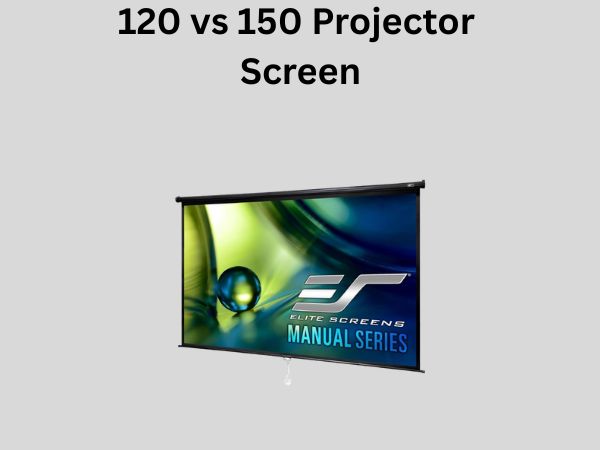
The type of frame also determines if the screen is fixed or retractable. Fixed screens are permanently mounted on a sturdy frame. They offer the best possible flatness. They are often seen in dedicated home theater rooms. Retractable screens roll up into a housing. They can be manual or motorized. Motorized screens are definitely on the pricier side. They offer convenience.
While motorized screens are cool, they add complexity and cost. The motor and retraction mechanism can sometimes introduce slight screen ripples. We found that for ultimate picture quality, a well-tensioned fixed frame screen is often superior. However, if you need to hide the screen when not in use, a manual or motorized retractable screen is your best bet.
The Role of Extra Features
This is where prices can really jump. What kind of extras are you paying for?
Motorized Mechanisms
As mentioned, motorized screens offer convenience. You can lower and raise them with a remote. This is great if you have a multi-purpose room. But, the motor adds significant cost. We found that the reliability of these motors can vary. Cheaper motorized units might be noisier or prone to failure over time.
Acoustically Transparent Materials
For the ultimate home theater experience, some people want speakers behind the screen. Acoustically transparent screens have tiny perforations. These let sound pass through. This creates a more immersive experience. We found these screens are typically much more expensive. They require very specialized materials and manufacturing. They also need careful consideration of projector brightness, as the perforations can slightly reduce it.
Ambient Light Rejecting (ALR) Technology
ALR screens are designed to combat room light. They have special coatings that reflect projector light towards the viewer. They also absorb light from other sources. This makes the image pop even in rooms that aren’t perfectly dark. We found that ALR technology is one of the biggest price drivers. It can be very effective. But, you need to ensure your projector is bright enough to overcome the screen’s light-absorbing properties.
Finding Your Screen Sweet Spot: Price vs. Performance
So, where does this leave you? Do you need the most expensive screen out there?
Probably not, unless you have very specific needs like an acoustically transparent screen or extreme ambient light issues. For most people, a **mid-range projector screen** offers the best balance. You’ll get good quality material that lays flat. You’ll have a decent frame that provides adequate tension. These screens focus on the essentials: a smooth, white surface that reflects your projector’s image accurately.
Going too cheap, however, can be a false economy. If the screen is wavy, grainy, or poorly built, your expensive projector’s image will suffer. You might end up frustrated and needing to buy a better screen sooner than you thought. We found that screens in the $150-$400 range often hit a great sweet spot for quality and affordability.
Here’s a quick guide to help you decide:
| Price Range | Typical Quality | Best For |
|---|---|---|
| Under $100 | Basic vinyl, may warp easily. | Temporary setups, very casual use. |
| $100 – $250 | Decent matte white material, basic frame. Good value. | Most home users, small to medium rooms. |
| $250 – $600 | High-quality material, better frame tensioning. Excellent performance. | Enthusiasts, dedicated dark rooms, larger spaces. |
| $600+ | Advanced features (ALR, acoustically transparent), motorized. | Specific needs, high ambient light, ultimate setups. |
Your Checklist for Choosing Wisely
Before you click “buy,” consider these points:
- Room light: How dark can you make your viewing space?
- Projector brightness: Is your projector powerful enough for the screen size and room?
- Screen size: Larger screens need better tensioning.
- Mounting options: Wall mount, ceiling mount, or portable tripod?
- Budget: What can you realistically afford for good quality?
- Picture perfection: How critical is a flawless image to your enjoyment?
Conclusion
Choosing between a cheap and an expensive projector screen isn’t about buying the most luxurious option. It’s about finding the right balance for your setup and budget. We’ve seen that while super-budget screens can compromise picture quality with uneven surfaces and poor reflectivity, the most costly ones might include features you simply don’t need. For most movie lovers, a mid-range screen offers the best performance for the money, delivering a smooth, flat surface and good light reflection. Your best next step is to honestly assess your room’s lighting, your projector’s capabilities, and how much image perfection truly matters to you before making your final decision.
Frequently Asked Questions
Will a cheap projector screen actually ruin my movie night?
A very cheap screen can definitely impact your viewing experience. If the material is wavy or has a grainy texture, your projector’s sharp image can appear distorted or dull. We’ve found that investing a little more usually prevents these common issues.
Is a fixed frame screen always better than a retractable one?
Fixed frame screens generally offer superior flatness because the material is permanently tensioned. However, retractable screens offer convenience, especially in multi-use rooms. For pure image quality, fixed frames often win, but a well-built retractable screen can still be excellent.
Do I really need an ALR screen if my room isn’t perfectly dark?
Ambient Light Rejecting (ALR) screens are fantastic for rooms with some light. They work by reflecting projector light towards you while absorbing room light. If you can’t make your room completely dark, an ALR screen can make a big difference, though they do come at a higher price point.
What does “gain” mean on a projector screen, and do I need high gain?
Gain measures how brightly a screen reflects light. A gain of 1.0 is neutral. Higher gain screens make your picture brighter but can narrow viewing angles. For most home setups, a gain between 0.8 and 1.2 provides a good balance of brightness and wide viewing angles.
How much should I expect to spend on a good quality projector screen?
You can find decent screens for around $100-$250, which are great for most home users. For superior material and frame construction, screens in the $250-$600 range often provide excellent performance. Screens above $600 typically include advanced features like ALR or acoustic transparency.