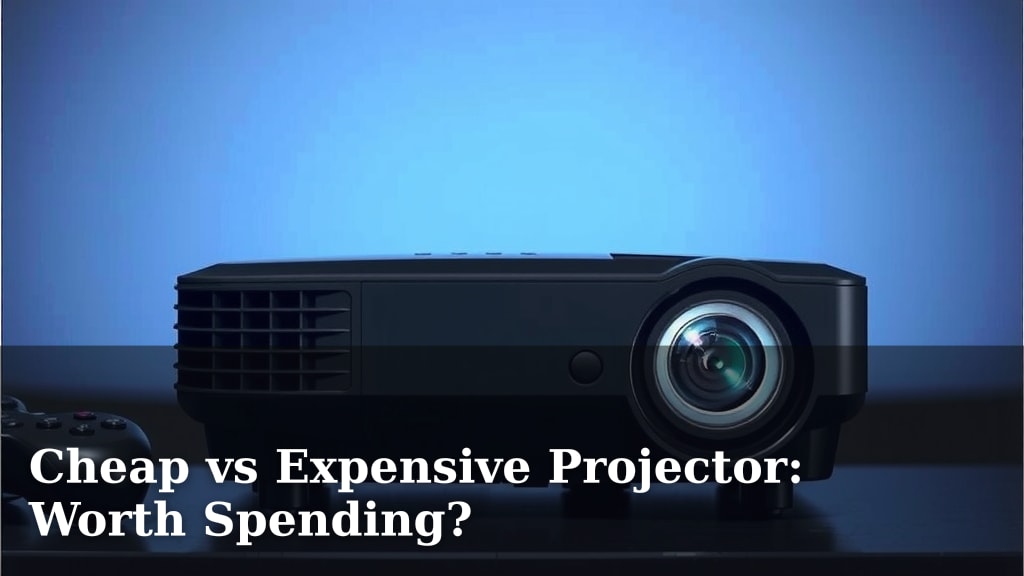
Cheap vs Expensive Projector: Worth Spending?
Choosing between a cheap vs expensive projector can feel like a gamble, but the answer to whether it’s worth spending more is usually yes, if you know what you’re getting. Higher-priced projectors often deliver sharper images and better brightness, making a big difference for your home theater experience.
We found that while budget projectors can be fun for casual use, they often sacrifice key features. You might get a dimmer picture or colors that aren’t quite right. Investing a bit more generally means a more immersive viewing and a projector that lasts longer.
- Cheap projectors are okay for occasional use.
- Expensive projectors offer much better image quality.
- Brightness and color accuracy are key differences.
- Consider your viewing habits when deciding.
- You often get what you pay for with projectors.
Let’s dive into the specifics and help you figure out if that pricier projector is truly the right choice for your setup.
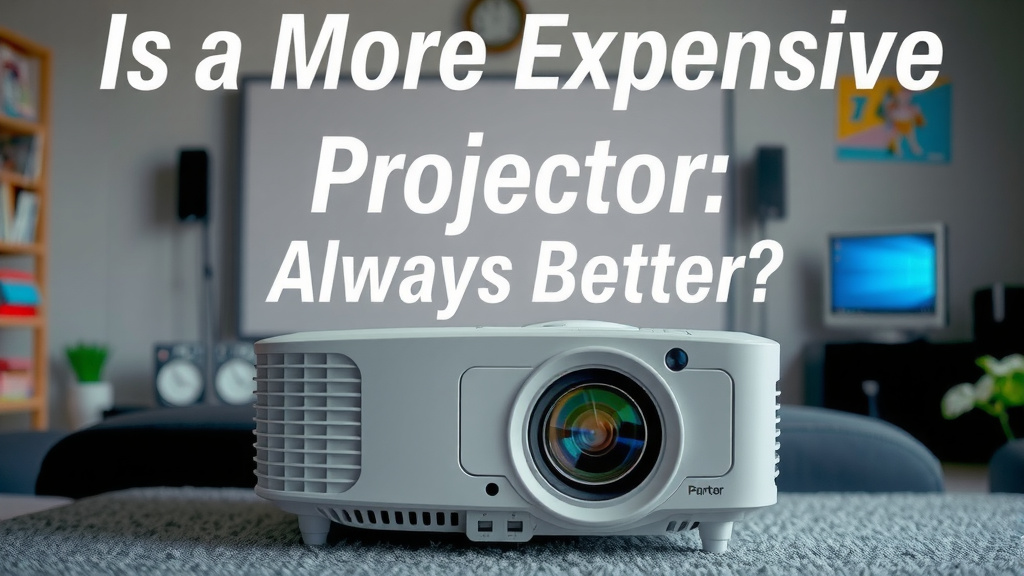
Is a More Expensive Projector Always Better?
When you’re looking at projectors, the price tags can swing wildly. You might see something that costs less than a decent dinner, and then, just a few clicks away, a model that costs as much as a used car. So, is it really worth digging deeper into your wallet for that pricier projector? We’ve researched this, and the short answer is: often, yes. But it’s not a simple “more money equals more movie magic” equation. Your specific needs are the real deciding factor.
Understanding the Core Differences: Cheap vs. Premium Projectors
Let’s break down what you’re actually getting for your money. The differences aren’t just about brand names or fancy features. They boil down to the core technology and how that translates into your viewing experience. Think of it like buying shoes: a cheap pair might cover your feet, but a good pair will feel amazing and last for miles.
Brightness: Seeing Clearly in Any Room
One of the biggest distinctions you’ll find is brightness. Projector brightness is measured in lumens. Cheaper projectors often have lower lumen counts. This means they struggle in rooms with ambient light. You might need to watch your movie in complete darkness. This can be a real bummer if you want to watch a matinee or have some lights on.
More expensive projectors usually boast much higher lumen outputs. This allows them to produce a bright, clear image even when there’s some light in the room. We found that for a truly immersive home theater experience, especially if your room isn’t a perfect light-controlled cave, higher lumens are essential. Many experts suggest at least 2000 ANSI lumens for good performance in a moderately lit room (HomeTheaterReview).
Resolution and Image Sharpness: The Detail Matters
Resolution refers to the number of pixels on the screen. More pixels mean a sharper, more detailed image. You’ll commonly see projectors advertised with resolutions like 720p (HD) or 1080p (Full HD). Higher-end models will offer 4K resolution, which has four times the pixels of 1080p.
While a cheap projector might claim a high resolution, the actual sharpness can be lacking. Sometimes, they use “upscaling” technology, which is like trying to stretch a small photo to fit a large canvas – it can look a bit blurry. We found that projectors with native 1080p or 4K resolution deliver a noticeably sharper and more engaging picture. This is especially true for watching fast-action movies or playing video games where every detail counts.
Color Accuracy and Contrast: Bringing the Picture to Life
Ever watched a movie where the colors look dull, washed out, or just plain wrong? That’s often a sign of poor color accuracy and contrast. Cheaper projectors might not be able to reproduce the full spectrum of colors as intended by the filmmaker. Contrast ratio is also key; it’s the difference between the darkest blacks and the brightest whites. A good contrast ratio makes the image pop.
Expensive projectors invest more in their color processing chips and lens quality. This results in vibrant, true-to-life colors and deep, rich blacks. We found that for an authentic cinematic experience, especially with visually stunning films, the difference in color accuracy and contrast is dramatic. It’s the difference between looking at a picture and feeling like you’re *in* the picture.
Contrast Ratio: The Depth of Your Image
Contrast ratio dictates how well a projector can display dark and bright scenes. A higher contrast ratio means deeper blacks and brighter whites, leading to a more three-dimensional image. Budget projectors often have lower contrast ratios, which can make dark scenes look murky or grey.
Premium projectors typically offer significantly better contrast ratios. This allows them to show subtle details in shadows and highlights, making the image more impactful. Many sources suggest aiming for a contrast ratio of at least 10,000:1 for a satisfying home theater experience (TechRadar).
Lifespan and Maintenance: Long-Term Value
Projector lamps don’t last forever. Cheaper projectors might use lamps with shorter lifespans. This means you’ll have to replace them more frequently, adding to the overall cost of ownership. Plus, replacing a lamp can be a hassle.
Higher-end projectors often use LED or laser light sources, which have much longer lifespans – think tens of thousands of hours, compared to a few thousand for traditional lamps. This means fewer replacements and less downtime. We found that this long-term reliability is a major benefit of investing in a more premium model. It’s peace of mind for years of movie nights.
What Can You Expect from Each Price Point?
It’s helpful to set realistic expectations based on what you’re willing to spend. Think of it as a spectrum, not just two boxes.
Budget Projectors ($100-$300): Casual Fun
These are great for occasional use or if you’re new to the projector world. They’re often portable and easy to set up. However, you’ll likely be sacrificing brightness and sharpness. Color accuracy might be a bit off, and you’ll definitely need a very dark room. They’re fun for backyard movie nights or a quick gaming session, but don’t expect them to replace your TV for critical viewing.
Mid-Range Projectors ($500-$1500): A Solid Upgrade
Here, you start to see real improvements. You’ll get better brightness, sharper 1080p resolution, and more accurate colors. These projectors are often a good balance of price and performance. They can handle moderately lit rooms and offer a much more enjoyable viewing experience for movies and sports.
High-End Projectors ($1500+): The Home Theater Dream
This is where you find the top-tier performance. Expect stunning 4K resolution, incredible brightness, fantastic color accuracy, and deep contrast ratios. These projectors are designed for dedicated home theaters and offer the most immersive, cinematic experience. They often come with advanced features and longer-lasting light sources like lasers.
Key Features to Consider for Your Budget
No matter your budget, keep these in mind:
- Lumens: How bright is it? Crucial for room conditions.
- Resolution: Native 1080p or 4K for sharpness.
- Contrast Ratio: For depth and detail in dark scenes.
- Color Accuracy: For vibrant, true-to-life images.
- Lamp/Light Source Lifespan: For long-term value and less maintenance.
- Connectivity: Ensure it has the ports you need (HDMI, etc.).
Is the Investment Worth It for You?
So, to circle back, is spending more on a projector worth it? If you’re looking for a true home theater experience, want to watch movies in a room that isn’t perfectly dark, or value sharp, vibrant images, then yes, investing more will likely bring you a much better product. You’re paying for better optics, brighter lamps or LEDs, and superior image processing.
If you just need something for occasional use, like a kid’s sleepover or a casual outdoor movie night, a budget projector might suffice. However, we found that many people who start with a cheap projector often find themselves wanting an upgrade sooner rather than later. It’s often wiser to buy the best projector you can afford upfront if you plan to use it regularly.
| Feature | Budget Projector | Mid-Range Projector | High-End Projector |
|---|---|---|---|
| Brightness (Lumens) | Low (under 1000) | Moderate (1500-2500) | High (2500+) |
| Resolution | Often native 720p, may claim 1080p upscaled | Native 1080p | Native 4K |
| Color Accuracy | Basic, can be washed out | Good, vibrant colors | Excellent, cinematic quality |
| Contrast Ratio | Low (under 2000:1) | Good (5,000:1 – 15,000:1) | Excellent (15,000:1+) |
| Lamp Lifespan | Shorter (1,000-3,000 hours) | Longer (3,000-5,000 hours for lamps, 20,000+ for LED/Laser) | Very Long (20,000+ hours for LED/Laser) |
| Best For | Occasional use, dark rooms | Family movie nights, general entertainment | Dedicated home theaters, critical viewing |
Your Viewing Habits Are Key
To help you decide, ask yourself a few questions:
- How often will you use the projector?
- What will you be watching (movies, TV, sports, gaming)?
- What kind of room will it be in (lots of windows, basement cave)?
- How important are the absolute best picture quality and colors to you?
If you answered “frequently,” “all of the above,” “light-filled room,” and “very important,” then leaning towards a more expensive projector is likely your best bet. If your answers are more like “occasionally,” “kid cartoons,” “dark basement,” and “good enough is fine,” a budget option might work for you. We found that aligning your purchase with your actual usage patterns prevents disappointment.
Conclusion
Ultimately, deciding between a cheap and expensive projector comes down to your personal viewing habits and expectations. While budget models offer a fun entry point, you’ll likely find yourself limited by brightness and sharpness. If you’re aiming for a truly immersive home theater experience, enjoy movies with vibrant colors, or plan to watch in rooms that aren’t perfectly dark, investing more is almost always the way to go. We found that a mid-range or high-end projector offers a superior picture that enhances everything you watch. Think about how you’ll use it most, and choose the projector that best fits your lifestyle and budget for the best long-term satisfaction.
Frequently Asked Questions
Will a cheap projector work in a bright room?
Generally, no. Cheap projectors are much dimmer and require a very dark room for the image to be visible and clear. Trying to use one with ambient light will likely result in a washed-out and disappointing picture.
How much brighter do expensive projectors get?
Expensive projectors typically offer significantly higher brightness, measured in ANSI lumens. While budget models might be under 1000 lumens, mid-range and high-end units often range from 1500 to over 2500 lumens, allowing for enjoyable viewing even with some room lights on.
Is 4K resolution really that noticeable on a projector?
Yes, if the projector has native 4K resolution. The increased pixel count offers a much sharper, more detailed, and immersive image compared to 1080p. You’ll see finer textures and clearer visuals, especially on larger screen sizes.
Can a budget projector’s lamp be replaced easily?
While many budget projectors use replaceable lamps, the process can sometimes be finicky. More importantly, the lifespan of these lamps is often shorter, meaning you’ll need to factor in replacement costs and effort sooner than with LED or laser projectors.
What’s the biggest benefit of paying more for a projector?
The biggest benefits are usually superior image quality, including much better brightness, sharper resolution, more accurate colors, and deeper contrast. You also often get longer-lasting light sources and more durable build quality, leading to a better viewing experience over many years.