Big Screen TV vs Projector: Which to Choose?
Deciding between a big screen TV and a projector depends on your space, budget, and viewing habits. For vibrant, everyday viewing in well-lit rooms, a large TV often wins. If you crave a true cinematic experience with a massive screen size in a darker room, a projector might be your champion. We found that neither is universally “better”; the right choice is highly personal.
The comparison isn’t just about size. We looked at factors like picture quality, setup ease, and ambient light performance. Many experts agree that while TVs offer convenience and brightness, projectors provide an unparalleled sense of immersion. Think about your room’s layout and how you plan to use your new home theater.
TL;DR:
- Big TVs are great for bright rooms and daily use.
- Projectors excel at creating massive, cinematic images in dark spaces.
- Consider your room size, lighting, and budget.
- TVs are simpler to set up and maintain.
- Projectors offer larger screen sizes for the price.
Let’s dive into the details to help you make the perfect choice for your home.
Big Screen TV vs. Projector: Making the Right Choice for Your Home
Deciding between a large television and a projector is a big step for your home theater setup. We’ve researched the key differences to help you make an informed decision. It really boils down to your specific needs and how you plan to use the display.
Screen Size and Immersion: The Projector’s Edge
Projectors are the undisputed champions when it comes to sheer screen size. You can easily achieve a 100-inch, 120-inch, or even larger image with a projector. This creates an incredibly immersive viewing experience. Think of it like being at the movies. The picture fills your field of vision. Many users report feeling more engaged with the content when watching on a massive projected screen. This is especially true for films and sports.
Achieving a Giant Screen
With a TV, you’re limited by what manufacturers can produce and what can realistically fit in a room. While 85-inch and even 100-inch TVs exist, they are incredibly expensive. A projector can give you a much larger screen for a fraction of the cost. For example, a 120-inch screen is achievable with a mid-range projector and a screen, which is often less than a comparable-sized TV. This makes projectors a very attractive option for those who want that truly cinema-like feel.
Picture Quality and Brightness: Where TVs Shine
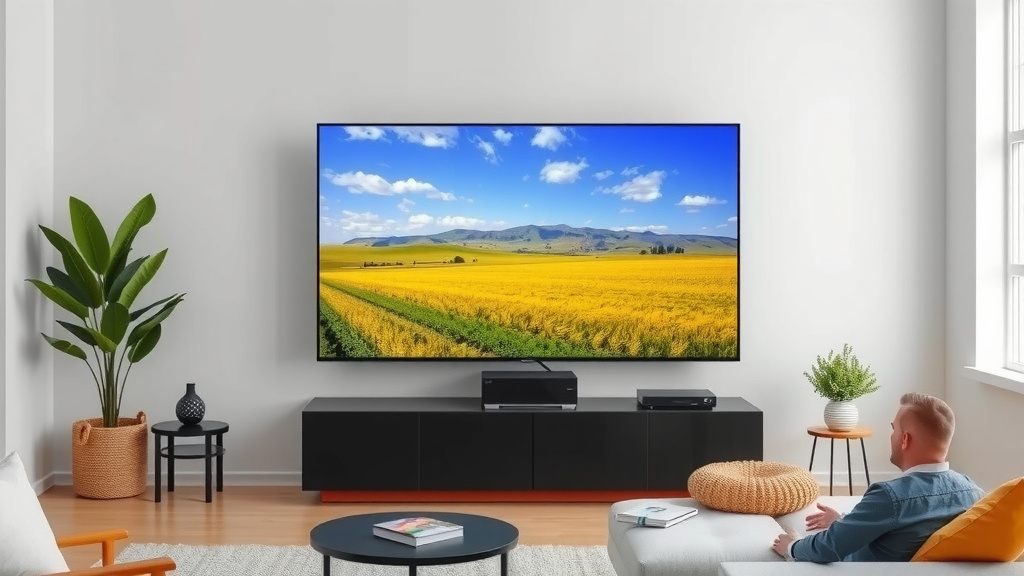
Televisions, especially modern LED and OLED models, offer exceptional picture quality. They boast vibrant colors, deep blacks, and excellent contrast ratios. This is particularly noticeable in well-lit rooms. A TV’s built-in brightness means you don’t need to control your ambient light. You can watch your favorite shows or sports during the day without issue. Many experts find that TVs provide a more consistent and bright picture, which is great for everyday viewing.
Ambient Light Considerations
This is where projectors can struggle. Projectors need a darkened room to deliver their best performance. Any light in the room, from windows or even lamps, can wash out the image. This reduces contrast and color vibrancy. If your viewing space is naturally bright, or you can’t easily control the lighting, a TV is likely the better choice. We found that even with high-lumen projectors, ambient light remains a significant factor.
Modern TV Technology
Today’s TVs use advanced technologies like Quantum Dot, OLED, and HDR (High Dynamic Range). These enhance colors and contrast, making images pop. They offer a consistently stunning visual experience. For casual viewing, sports, and gaming, the immediate impact of a TV’s brightness and clarity is hard to beat. This makes them ideal for living rooms or other areas where light control is difficult.
Projector Brightness and Contrast
While projectors have improved significantly, achieving the same level of black levels and contrast as a high-end TV can be challenging, especially in a non-dedicated theater room. However, for those who can create a dark environment, the large image size often makes up for any minor differences in contrast. The key is managing the light in your viewing space. A good projector screen also plays a vital role in maximizing image quality.
Setup and Convenience: The TV’s Advantage
When it comes to setup, TVs are generally much simpler. You unbox it, mount it or place it on a stand, plug it in, and you’re usually good to go. Smart TV features are built-in, providing access to streaming apps with minimal fuss. We found that most users can get a TV up and running in under an hour. They are designed for ease of use and plug-and-play functionality.
Projector Installation Nuances
Setting up a projector involves a bit more thought. You need to consider where to place the projector – ceiling mount, shelf, or table. You also need to think about the projector screen and its placement. Furthermore, you’ll need to connect your sources (cable box, streaming device, game console) to the projector. This might involve running longer cables. While not overly difficult, it requires more planning than setting up a TV. Many users find the extra effort worthwhile for the resulting screen size.
Cost Considerations: Value for Money
The cost comparison between TVs and projectors can be tricky and depends heavily on desired screen size. For smaller to medium screen sizes (say, 55 to 75 inches), TVs are typically more affordable. However, as you aim for truly large screens (100 inches and up), projectors offer significantly more bang for your buck. You can get a projector capable of a 120-inch image for the price of a much smaller, high-quality TV. This makes the projector a compelling choice for a dedicated home theater experience on a budget.
Budgeting for Your Setup
When budgeting for a projector, remember to factor in the cost of a projector screen, mounting hardware, and potentially longer cables. A good screen can cost a few hundred dollars, while a TV’s “screen” is integrated. For a TV, your main costs will be the TV itself, a stand or mount, and possibly a soundbar if you want better audio. We’ve seen many setups where the total cost for a large projected image is still less than a similarly sized TV.
Lifespan and Maintenance: A Quick Look
Modern TVs are built to last, often with lifespans exceeding 10 years with normal use. They require virtually no maintenance beyond occasional dusting. Projectors, on the other hand, have consumable parts, most notably the lamp. Projector lamps have a limited number of hours they can operate before needing replacement, typically ranging from 2,000 to 15,000 hours depending on the type of lamp and projector model. This adds to the long-term cost of ownership.
Lamp vs. LED/Laser Projectors
Traditional lamp-based projectors will eventually require a lamp replacement. However, newer LED and laser projectors offer much longer lifespans, often lasting 20,000 hours or more, comparable to the lifespan of a TV. If you’re considering a projector, looking into LED or laser models can significantly reduce maintenance concerns and long-term costs. This makes them a more comparable option to TVs in terms of longevity and upkeep.
Your Viewing Habits Checklist
To help you decide, ask yourself these questions:
- How much ambient light is usually in the room where you’ll watch?
- What is the maximum screen size you realistically want?
- What is your total budget, including screen and accessories?
- How important is ease of setup and immediate use to you?
- Will you be using the display primarily for movies, sports, or general TV viewing?
- Do you want a dedicated home theater feel or an all-purpose display?
Conclusion
You’ve weighed the pros and cons, and now it’s time to decide. For bright rooms and everyday convenience, a big-screen TV offers stellar performance with minimal fuss. If your dream is a truly massive, cinematic display and you can control the lighting, a projector delivers unparalleled immersion. We found that the best choice depends on your personal viewing habits and room environment. Take a moment to review your space and budget, and you’ll confidently pick the perfect display for your home entertainment needs.
Frequently Asked Questions
Can I use a projector in a room with windows?
Yes, but it’s not ideal. Projectors perform best in darkened rooms because ambient light washes out the image, reducing contrast and color vibrancy. If you can’t control the light from windows, especially during the day, a TV will likely provide a better viewing experience.
How much do projector screens cost?
Projector screen costs vary widely. You can find basic manual pull-down screens for a few hundred dollars. Motorized screens and high-quality fixed-frame screens can cost much more, sometimes reaching over $1,000. The screen is an important part of the projector setup, so budget accordingly.
Are LED or laser projectors better than lamp-based ones?
Yes, generally. LED and laser projectors offer longer lifespans, typically 20,000 hours or more, meaning you won’t need to replace a lamp. They also tend to maintain brightness and color accuracy for longer compared to traditional lamp projectors, which need lamp replacements every few thousand hours.
How difficult is it to set up a projector compared to a TV?
Setting up a TV is usually simpler: unbox, connect power and sources, and go. Projectors require more planning, including deciding on mounting location, screen placement, and potentially running longer cables. While not overly difficult, it involves more steps than a typical TV setup.
Which option offers a larger screen for the money?
When aiming for screen sizes of 100 inches and above, projectors offer more screen size for your budget. While a 100-inch TV is extremely expensive, a projector capable of producing a 120-inch image can often be purchased for a fraction of that cost, making it a great value for large-scale viewing.