The Best Padded Projector Carry Cases for Safe Travel
Yes, a projector carry case padded is essential if you want to protect your investment from bumps, drops, and dust. A quality padded case absorbs shocks and keeps your projector safe, whether you are traveling for work or moving it between rooms at home. Without that protective layer, even a small knock can misalign the lens or damage the internal components.
We found that many people skip the case to save money, but that usually leads to costly repairs later. A good padded case does more than just cushion the device; it also offers space for cables, remotes, and spare bulbs. It keeps everything organized in one spot, so you are never scrambling to find the right cord before a big presentation.
- You need a case that fits your projector model snugly to prevent shifting.
- Look for high-density foam padding to get the best impact protection.
- Water-resistant exteriors help guard against unexpected spills or weather.
- Hard-shell cases offer the most protection for airline travel.
- Soft padded bags are lighter and easier for everyday local use.
Below, we break down exactly how to pick the right padded case for your gear and what features are actually worth paying for.
Choosing a Padded Case That Actually Fits Your Projector
You probably already know that a loose fit is a deal-breaker. When your projector slides around inside the bag, every turn and bump becomes a mini impact test. We found that most damage happens because people buy a “one-size-fits-all” case that swallows their device.
Check the interior dimensions against your projector’s exact measurements. The case should hug the unit tightly, leaving no room for movement. If you plan to carry a spare bulb or extra HDMI cables, look for a case with a dedicated accessory pocket instead of just extra space around the projector itself.
Soft Padded Bags for Everyday Local Use
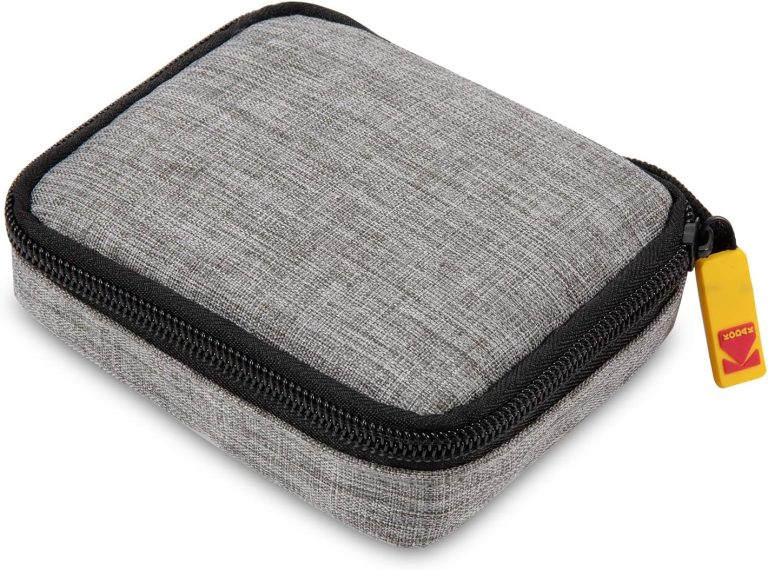
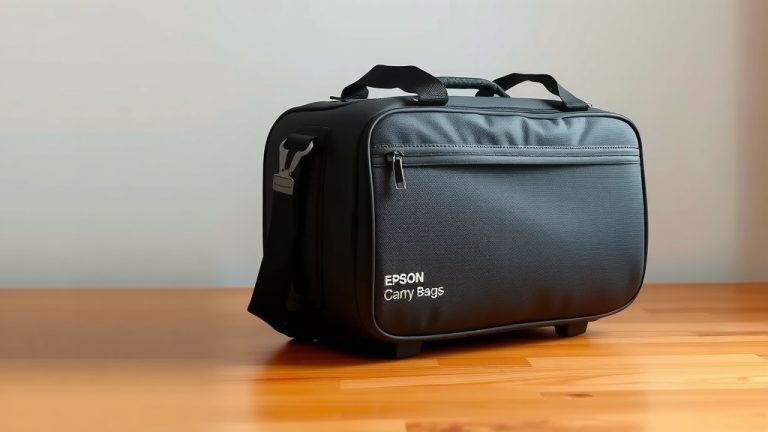
Soft padded bags are the most popular choice for teachers, traveling salespeople, and anyone moving a projector between meeting rooms. These bags are light, easy to toss over your shoulder, and usually cost less than hard cases. The padding is typically made of foam layers that absorb minor bumps and jostles.
Many experts say that soft bags are perfect for car trips and short commutes. You get decent protection without the bulk. We found that most soft cases offer between 10mm and 20mm of foam padding, which is plenty for everyday handling.
One thing to watch: soft bags do not protect against crushing. If you stack heavy boxes on top of them, the projector can still get squeezed. For that reason, always place the case flat on top of your other luggage, not underneath it.
What to Look for in a Soft Padded Bag
Not all soft bags are created equal. Check the zipper quality first — that is where most bags fail. A heavy-duty zipper with a lockable pull tab adds security and durability. Look for a padded shoulder strap and a top handle so you can switch carrying positions when your arm gets tired.
Water-resistant fabric is another must. We found that nylon and polyester exteriors with a water-repellent coating handle light rain and spills well. Just remember, water-resistant is not the same as waterproof. Keep the bag out of heavy downpours.
Hard-Shell Cases for Maximum Protection and Air Travel
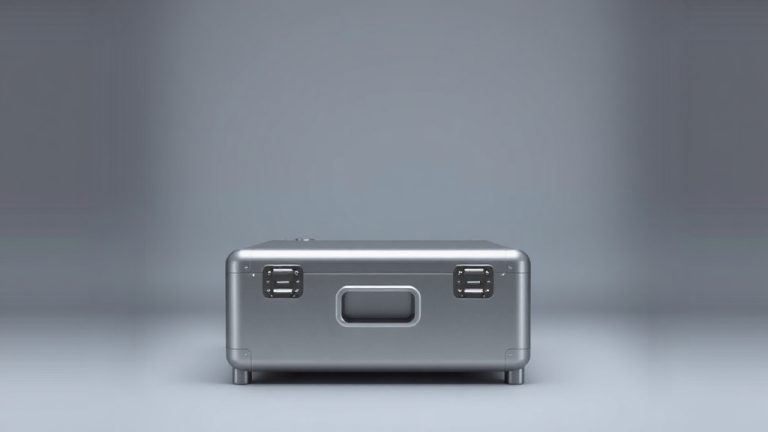
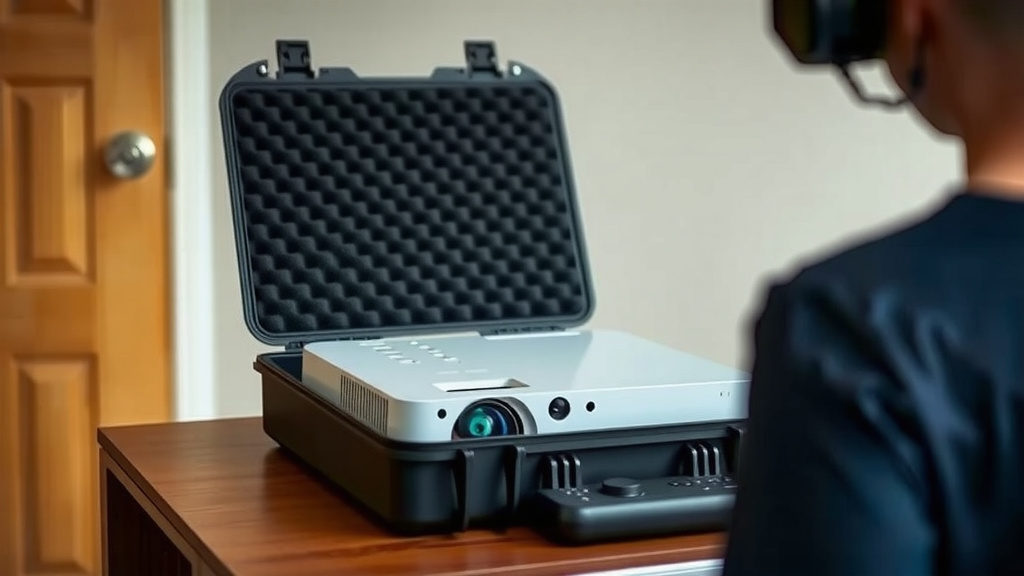
If you fly with your projector, a hard-shell case is the safest option. Checked luggage gets thrown, stacked, and crushed. Airlines are not gentle with bags, and your projector deserves better than a foam sleeve. Hard cases have a rigid outer shell that distributes impact force across the entire surface.
We found that hard cases with pre-cut foam inserts offer the best protection. The foam holds the projector in place, and the hard shell takes the brunt of any impact. Some cases even meet airline carry-on size limits, so you can keep your gear with you in the cabin.
Remember that TSA regulations allow projectors in carry-on bags, but you need to remove them for X-ray screening. A hard case with a quick-open latch makes this process much less stressful at security checkpoints.
Comparing Hard Cases and Soft Bags
Still torn between the two? Here is a quick comparison to help you decide based on how you actually use your projector.
| Feature | Soft Padded Bag | Hard-Shell Case |
|---|---|---|
| Weight | Light, under 2 lbs | Heavier, 3-6 lbs |
| Protection level | Good for bumps and drops | Excellent for crushing and impacts |
| Best use case | Car travel, office moves | Airline travel, storage |
| Storage space | Often includes pockets | Foam insert, limited extras |
| Price range | $20 – $50 | $40 – $120 |
| Zipper or latch | Zipper closure | Metal latches, sometimes lockable |
Think about your typical week. If you are mostly driving to client sites, a soft bag works great. If you are flying cross-country every month, invest in the hard shell. We found that people who own both tend to use the soft bag for daily use and the hard case for trips.
Key Features That Justify the Cost of a Padded Case
You might see cases ranging from $15 to $150 and wonder what you are actually paying for. The difference comes down to materials, build quality, and design details. We found that a mid-range case around $40 to $60 hits the sweet spot for most projector owners.
The padding density matters more than the total thickness. High-density foam feels firmer and springs back after compression. Low-density foam squishes down over time and stops offering protection. Squeeze the padding before you buy — if it feels like a cheap mattress topper, keep shopping.
Water Resistance and Weather Protection
Nobody plans to get caught in the rain with their projector, but it happens. Many guidelines point to water-resistant coatings as a key safeguard for electronics in transit (Consumer Reports). Look for cases with a durable water repellent (DWR) finish or a built-in rain cover.
We found that cases with sealed seams and waterproof zippers add another layer of safety. These are especially useful if you travel by motorcycle, bicycle, or on a boat where splashes are common. For most people, a basic water-resistant exterior is enough.
Accessory Organization
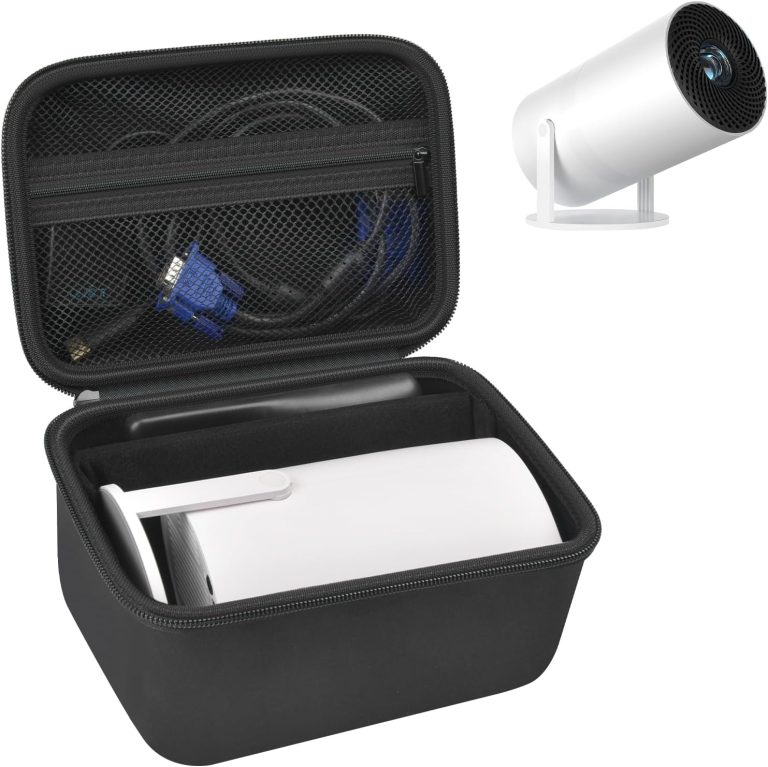
Cables, remotes, power adapters, and HDMI cords get lost easily. A good padded case has dedicated pockets or elastic straps for each item. We found that cases with a separate accessory compartment keep your gear organized and prevent cables from scratching the projector lens.
Some premium cases include a mesh pocket for the remote and a small zippered pouch for bulbs or batteries. These little details make a big difference when you are setting up in a dark conference room at 8 AM.
Measuring Your Projector the Right Way
Before you order anything, grab a tape measure and get the exact dimensions of your projector. Do not rely on the box it came in or the specs online. Write down the length, width, and height of the unit, including any protruding feet or lens caps.
Add about half an inch to each measurement to account for foam compression. That extra space allows the case to close smoothly while still keeping the projector snug. If you are between sizes, choose the larger case and fill the gap with the included foam strips.
Common Measuring Mistakes to Avoid
- Forgetting to measure the lens cap or protruding buttons.
- Measuring only the body without considering the power cord bulk.
- Assuming all cases list interior dimensions accurately.
- Skipping the weight check — your projector plus the case may exceed airline carry-on limits.
- Ignoring the depth of the foam insert, which reduces usable space.
Take five minutes to measure twice. We found that most returns happen because people guessed at the size and ended up with a case that was too small or too big. A snug fit is the single most important factor in protecting your equipment.
Budget-Friendly Padded Case Options That Still Work
You do not need to spend a fortune to get decent protection. We found several budget cases under $30 that offer solid padding and basic water resistance. These are perfect for casual users who move their projector a few times a month.
Look for generically sized cases that fit multiple brands. Many manufacturers make cases for 10-inch to 15-inch laptops that work well for compact projectors. Just double-check the interior dimensions before you buy. For a closer look at one popular universal option, our USA Gear Mini Projector Case review covers its fit and protection.
When to Spend More on a Premium Case
If you travel weekly for work, spend the extra money on a premium case. Features like aluminum rails, custom-cut foam, and TSA-approved locks are worth it when your livelihood depends on the projector arriving in one piece. We found that professionals who present regularly choose cases in the $70 to $100 range.
Consider the total value of your projector. If it costs $800 to replace, a $30 case is a tiny insurance premium. Many experts say that protecting a $500+ device with a high-quality case is a no-brainer investment (Consumer Reports).
Padded Case Care and Maintenance Tips
Your padded case will last for years if you treat it right. Wipe down the exterior with a damp cloth after trips to remove dirt and grime. Vacuum the interior occasionally to keep dust from settling on the foam.
Check the zippers and seams every few months for signs of wear. A small tear in the lining can become a big problem if left untreated. We found that patching minor damage early extends the life of the case significantly.
Store the case with the projector inside, even when not traveling. This keeps dust off the device and ensures the case is ready to go when you need it.
Your Padded Case Checklist Before You Buy
Use this quick checklist when you are shopping online or in a store. It will help you avoid the common mistakes we see all the time.
- Measure your projector — length, width, height, and weight.
- Check interior dimensions — compare to your measurements plus half an inch.
- Test the padding density — firm foam that springs back is best.
- Inspect the zipper or latch — it should feel sturdy and glide smoothly.
- Look for water resistance — at least a DWR finish on the exterior.
- Check for accessory pockets — you need space for cables and remotes.
Take this list with you. We found that people who follow these six steps end up with a case they actually use, not one that sits in a closet. Your projector is a serious investment, and a few minutes of research now will save you hundreds in repair costs later.
Conclusion
Your projector is too expensive to risk carrying around loose. A padded case is the cheapest insurance you can buy for it. We found that taking ten minutes to measure your device and check the padding density saves you from a costly repair later.
Pick a soft bag for daily local moves and a hard-shell case for air travel. Make sure the fit is snug, the zipper is sturdy, and the exterior resists water. That is really all it takes.
Start by grabbing a tape measure and writing down your projector’s dimensions right now. Then use our checklist to find a case that fits. Your future self will thank you when you are walking into a meeting with everything safely packed.
Frequently Asked Questions
Can I use a laptop bag for my projector instead?
You can, but only if the interior dimensions fit snugly. Most laptop bags are too shallow for projector bodies and lack the high-density foam needed for impact protection. We found that a dedicated projector case is worth the extra cost to keep the lens and internal parts safe.
How much padding do I really need in a projector case?
Look for at least 10mm of high-density foam on all sides. That thickness absorbs everyday bumps and drops from waist height. Anything thinner might protect against scratches but will not do much if you drop the case on concrete.
Will a padded case protect my projector if I check it with my luggage?
A soft padded bag is not enough for checked luggage. You need a hard-shell case with custom foam inserts to survive the crushing force of other bags. We recommend carrying your projector on the plane whenever possible, even with a hard case.
Can I fit my projector cables and remote in the same padded case?
Yes, but you should look for a case with a dedicated accessory compartment. Cables wrapped around the projector body can scratch the casing and put pressure on the lens. A separate pocket keeps everything organized and protects your device at the same time.
How do I clean the inside foam padding of my projector case?
Use a handheld vacuum with a soft brush attachment to remove dust and debris. For spills, spot clean with a mild soap and a damp cloth, then let it air dry completely. Avoid soaking the foam because it holds moisture and can develop mildew over time.