How to Pick the Best Epson Projector Travel Case
Yes, you need an Epson projector travel case if you move your projector between rooms, offices, or job sites. A proper case protects your investment from bumps, dust, and moisture. We found that a quality travel case is the simplest way to keep your projector working flawlessly for years.
Your Epson projector is a precision piece of tech. It has a delicate lens, sensitive internal components, and a bulb that can break with a hard knock. A travel case isn’t just a bag; it’s your portable protection plan. We looked at the options so you can pick the right fit, whether you need a hard shell, a soft padded bag, or a custom-fit case.
- Hard cases offer the best protection for air travel and heavy-duty transport.
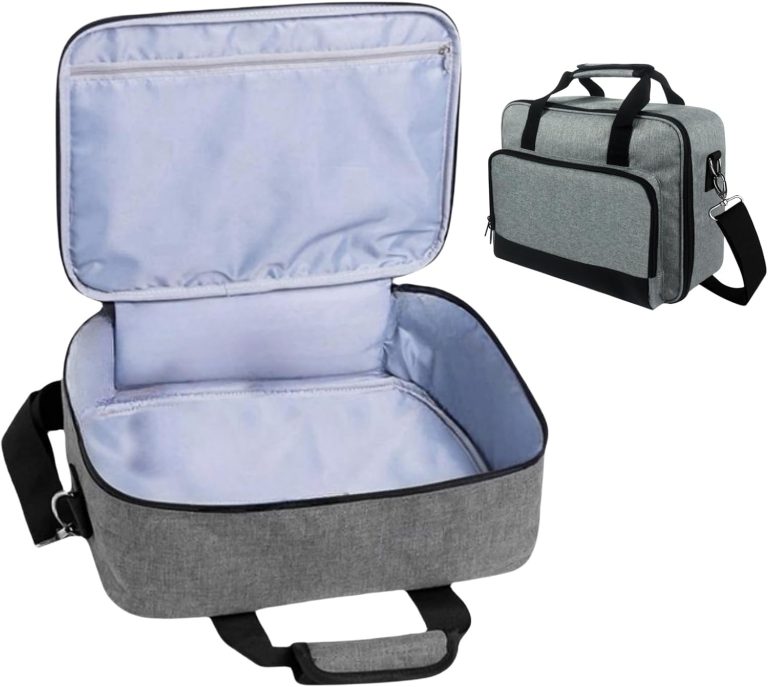
- Soft padded bags are lighter, more affordable, and perfect for everyday commutes.
- Custom-fit cases from Epson or third parties provide the safest, most secure fit.
- Universal cases work well if you have multiple projectors or extra accessories to carry.
- Always measure your projector (including the lens) before buying to guarantee the right size.
Below, we break down the best types of cases, what to look for, and how to choose the perfect one for your specific Epson model. Let’s get your projector packed up and ready to roll.
Choosing the Right Travel Case for Your Epson Projector
Before you buy anything, you need to figure out how you plan to use the case. We found that most people fall into one of three groups: the daily commuter, the frequent flyer, or the careful storer. Your habits dictate the level of protection you need.
Think of it like choosing a phone case. If you drop your phone a lot, you get a rugged, thick case. If you just want to avoid scratches, a slim sleeve works fine. Projectors work the same way. Match the case to your lifestyle, not just the price tag.
Daily Commutes and Office Moves
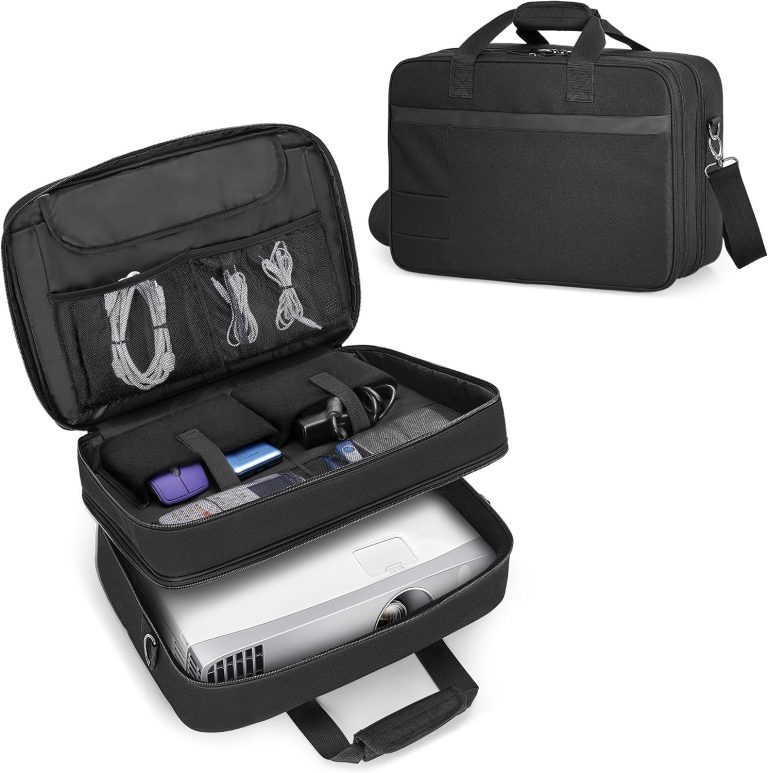
If you are moving your projector from a home office to a conference room a few times a week, a soft padded bag is likely your best bet. These bags are lightweight and easy to sling over your shoulder. They offer enough cushioning to handle minor bumps in the hallway or car trunk.
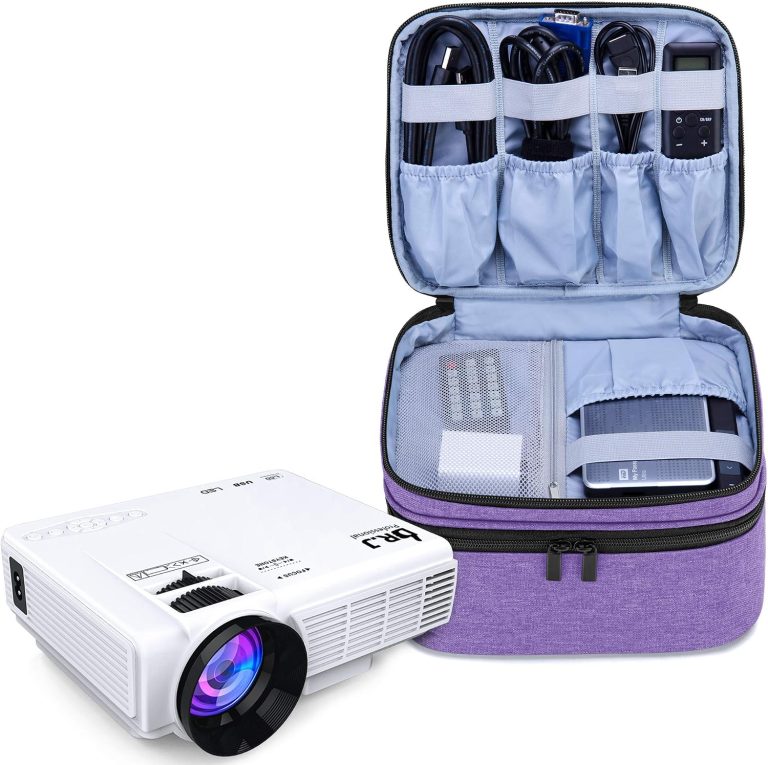
We found that soft bags also have extra pockets. These are perfect for storing your power cable, HDMI cords, and remote. Keeping everything in one place means you won’t forget a cable at home. That alone is worth the investment.
Air Travel and Heavy-Duty Hauling
Checking a projector as luggage is risky. Baggage handlers are not gentle, and a soft bag won’t protect your lens from a hard drop. For air travel, a hard-shell case is the only way to go. These cases absorb impact and keep pressure off the delicate internals.
Many experts say that hard cases with foam inserts are the safest option for shipping and flying (Travel + Leisure). The foam cradles the projector and prevents it from shifting during transit. You want a case that fits snugly, with no room for the unit to rattle around.
Pelican and Similar Hard Cases
You have probably seen these rugged cases in movies or on job sites. Brands like Pelican build cases that are virtually indestructible. They are waterproof, dustproof, and crushproof. If you are a contractor or an AV professional, this is the level of security you need. For extra security on job sites, our guide to choosing a lockable projector case covers the key features.
Yes, these cases are heavier and more expensive. But consider the cost of replacing a projector. A high-end projector can cost over a thousand dollars. A quality hard case is a fraction of that price. It is insurance for your gear.
Size Matters: Matching the Case to Your Epson Model
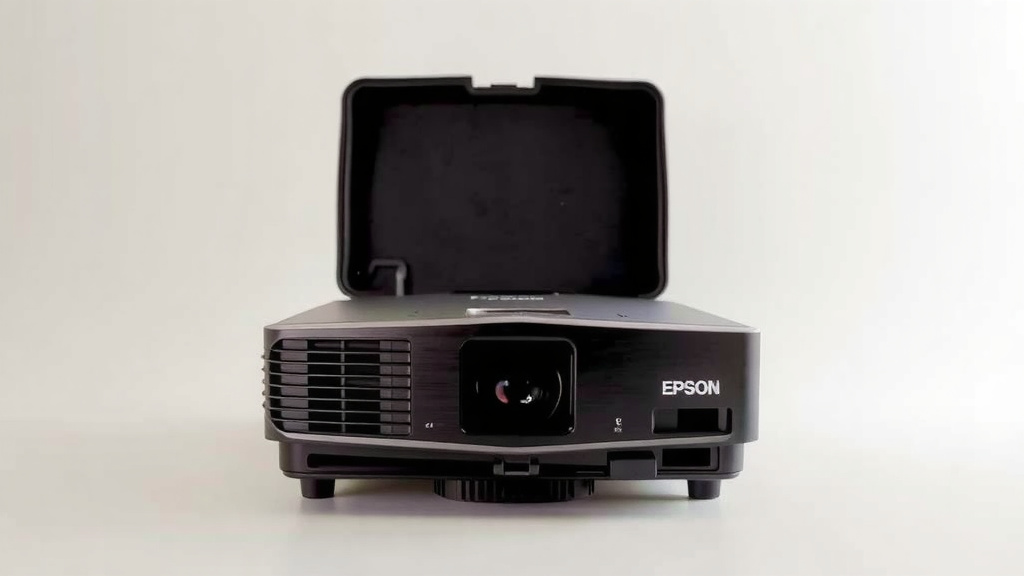
Epson makes a wide range of projectors. You have tiny portable models like the Epson EF-100, and you have large, heavy home theater units. You cannot buy a one-size-fits-all case and expect a perfect fit. You need to measure your specific device.
Grab a tape measure and get three numbers: width, depth, and height. Include the lens and any protruding feet in your measurements. Write these down. You will need them when you compare case specs online.
Custom-Fit Cases from Epson
For many popular models, Epson sells a custom case designed specifically for that projector. These cases are molded to the exact shape of the unit. The fit is perfect, with no wasted space and maximum protection.
We found that these custom cases are often the safest choice. They hold the projector firmly in place. The foam or molded inserts leave no room for movement. If Epson makes one for your model, it is usually the top recommendation.
Universal Cases and Third-Party Options
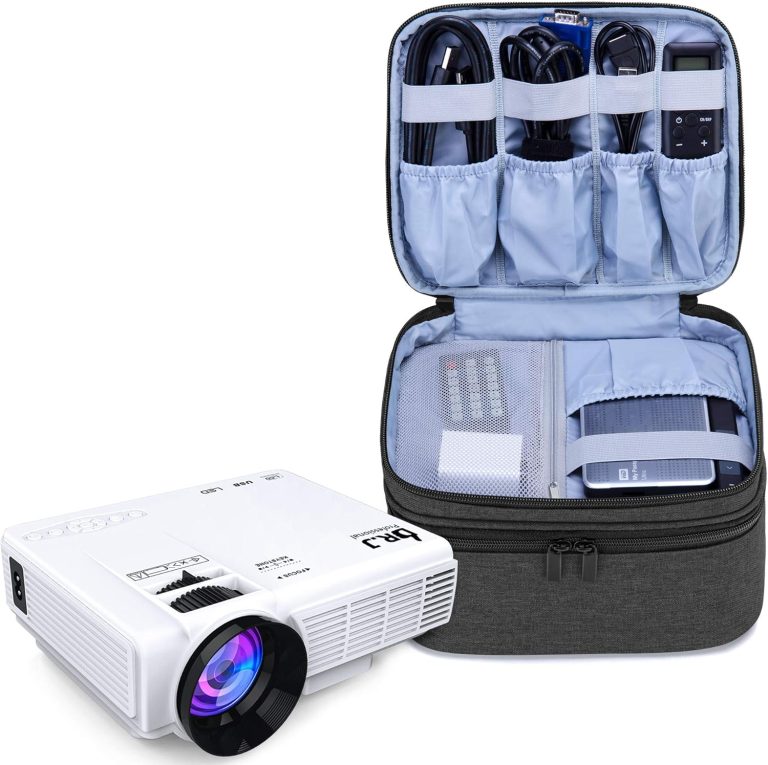
If you have multiple projectors or a less common model, a universal case might be the way to go. These cases have adjustable foam or dividers. You can configure the interior to fit your specific gear, including cables and accessories.
Third-party brands like Case Club and Monoprice offer great options. They often cost less than the official Epson case. Just make sure to read the reviews and check the interior dimensions carefully. A case that is too big is almost as bad as one that is too small.
Key Features to Look for in a Projector Case
Not all cases are created equal. We looked at dozens of options and found that a few features make a big difference in daily use. Pay attention to the materials, the zippers, and the internal padding.
You want a case that will last for years, not just a few months. Cheap zippers break. Thin fabric tears. Spend a little more upfront to avoid frustration later.
- Rigid padding: At least 10mm of foam on all sides, not just the bottom.
- Water-resistant exterior: Protects against rain or spills in transit.
- Heavy-duty zippers: Metal zippers are far more durable than plastic ones.
- Interior straps or dividers: Keep the projector from sliding around.
- Ventilation: Let the projector cool down before you pack it up.
- Carry handles and shoulder strap: Make transport easier on your back.
The Importance of Interior Straps
A loose projector inside a case is a recipe for disaster. Every time you set the bag down, the projector bounces against the sides. Over time, this can loosen internal components. Many experts say that a snug fit is more important than the outer shell thickness.
Look for cases with adjustable straps or hook-and-loop fasteners. These hold the projector steady. You should be able to shake the case gently without hearing the projector move inside. That is the standard you want.
Handles and Wheels: Ergonomics Matter
If you are carrying a heavy projector, a single thin handle will cut into your hand. Look for a case with a padded top handle and a detachable shoulder strap. For larger projectors, consider a case with wheels and a telescoping handle.
Think about the distance you will carry the case. From your car to the office is easy. From a parking garage to a convention center is not. Rolling cases save your back and make the trip much easier.
Packing Your Projector Safely Inside the Case
Having a good case is only half the battle. How you pack the projector matters just as much. Follow a simple routine to keep your gear safe and ready to go.
First, always let the projector cool down completely before packing. Hot bulbs are fragile. Packing a hot projector can lead to bulb failure or even cracks. Give it at least 30 minutes after use.
Step-by-Step Packing Routine
Start by disconnecting all cables. Roll them up loosely and place them in the outer pockets. Do not stuff them on top of the projector. The weight and pressure of cables can scratch the lens.
Next, wrap the lens cap if you have one. If not, use a soft microfiber cloth. Place the projector into the case with the lens facing the padded bottom or side. This protects the most delicate part of the unit.
Finally, close the zippers carefully. Make sure no cables are sticking out. A pinched cable can damage the connector and the zipper. Take your time and do it right.
Comparing Case Types: Which One Is Best for You?
To help you decide, we put together a quick comparison table. It covers the main differences between the common case types. Use this as a starting point, then check the specific dimensions for your model.
| Case Type | Best For | Protection Level | Weight | Price Range |
|---|---|---|---|---|
| Soft Padded Bag | Daily commutes, home use | Basic to Moderate | Light | Low |
| Hard Shell Case | Air travel, job sites | High to Maximum | Heavy | Medium to High |
| Custom-Fit Case | Specific Epson models | High | Medium | Medium |
| Universal Case | Multiple projectors | Moderate to High | Medium | Medium |
We found that most home users are happy with a soft padded bag. It is affordable and does the job. Professionals who travel frequently should invest in a hard shell case. The extra cost is worth the peace of mind.
Measuring Your Epson Projector Correctly
Getting the right size is the most common problem we see. People guess the size and end up with a case that is too small. Then they have to return it and start over. Avoid that hassle by measuring correctly the first time.
Use a hard ruler or a tape measure. Do not use a fabric sewing tape, as it can stretch. Measure the projector in inches and write down the numbers. Round up to the nearest half-inch to be safe.
Include the Feet and Protrusions
Many projectors have adjustable feet on the bottom. These feet stick out a little. If you do not include them in your height measurement, the projector might not fit. Measure from the very top of the unit to the very bottom of the feet.
Also, check the front and back. The lens and connection ports stick out. Measure the total depth, not just the body of the projector. It is better to have a case that is slightly too big than one that is too small.
Leave Room for Accessories
Do you need to carry the power cord? What about an HDMI cable or a remote? If so, you need a case with extra space. Look at the total interior dimensions of the case, not just the projector’s dimensions.
We found that a case with a separate accessory pocket is the most practical. It keeps cables away from the projector and makes packing easier. A little extra space is a good thing.
Protecting Your Projector from Heat and Dust
Dust is the silent killer of projectors. It clogs the air filters and blocks the vents. Over time, this causes the projector to overheat and shut down. A good case seals out dust when the projector is not in use.
Moisture is another concern. A sudden rainstorm can soak a soft bag. Always look for a case with a water-resistant or waterproof exterior. This is especially important if you travel outdoors or in unpredictable weather.
Climate Considerations
If you live in a humid climate, consider a case with a sealed interior. Some hard cases have a pressure equalization valve. This prevents moisture from building up inside. Many guidelines point to storing electronics in a dry, cool place (Consumer Reports).
For everyday use, just remember to zip the case closed when you are done. Do not leave the projector sitting out on a desk collecting dust. Put it away properly, and it will last longer.
Extending the Life of Your Epson Projector with a Good Case
Your projector is an investment. A good case protects that investment. We found that projectors stored in proper cases have fewer failures and require less maintenance. It is a simple way to save money in the long run.
Consider the cost of a case versus the cost of a repair. A cracked lens can cost hundreds of dollars to fix. A broken bulb is also expensive. The case is a one-time purchase that prevents these issues.
Keep Your Case in Good Shape
Do not neglect the case itself. Check the zippers and straps regularly. Clean out any dirt or debris from the inside. A clean case protects better than a dirty one.
If a zipper starts to stick, fix it before it breaks completely. A little bit of maintenance goes a long way. Treat your case well, and it will protect your projector for years.
Final Thoughts on Picking the Perfect Case
Start with your budget and your travel habits. If you are on a tight budget, a soft bag is a solid choice. If you travel by plane frequently, prioritize a hard shell case. Do not compromise on protection for the sake of a few dollars.
Remember to measure your projector before you order. Write down the dimensions and compare them to the case specs. If you are between sizes, go with the larger option. It is always better to have a little extra room than no room at all.
Choose a case from a reputable brand. Check reviews and see what other users say. We found that cases with strong customer ratings are usually a safe bet. Your Epson projector deserves a
Conclusion
Your Epson projector deserves better than a cardboard box or a loose backpack. We walked through the main case types, from lightweight soft bags to rugged hard shells. You now know to measure your unit first and always leave room for cables and accessories.
Take a few minutes to grab a tape measure and check your projector’s width, depth, and height. Then match those numbers to a case that fits your travel habits. If you fly often, go hard shell. If you just move between rooms, a padded bag works great.
Pick a quality case from a trusted brand, pack your projector cool and snug, and you are set. Your gear will stay safe, clean, and ready for years of reliable use.
Frequently Asked Questions
Can I use a regular laptop bag for my Epson projector?
You can in a pinch, but we do not recommend it. Laptop bags lack the thick padding and rigid structure projectors need. A hard knock can crack the lens or damage internal parts. A proper projector case is worth the small investment.
How do I know if my projector is cool enough to pack?
Wait at least 30 minutes after turning it off. The bulb gets extremely hot during use. Packing a warm projector can cause the bulb to shatter. When the case feels cool to the touch on the outside, it is safe to zip up.
Do I need to remove the lens cap before storing my projector?
Keep the lens cap on for storage and travel. It protects the glass from scratches and dust. If you lost the original cap, use a clean microfiber cloth. Just make sure nothing presses hard against the lens inside the case.
Are hard cases worth the extra money for occasional travel?
Only if you fly or ship your projector. For occasional car trips, a quality soft bag offers plenty of protection. We found that hard cases matter most when baggage handlers or delivery services are involved. Match the case to your real risk level.
Can I fit accessories like HDMI cables in the same case?
Yes, but only if the case has a separate pocket or compartment. Loose cables stacked on top of the projector can scratch the casing. We recommend a case with a dedicated accessory pouch. That keeps everything organized and safe.