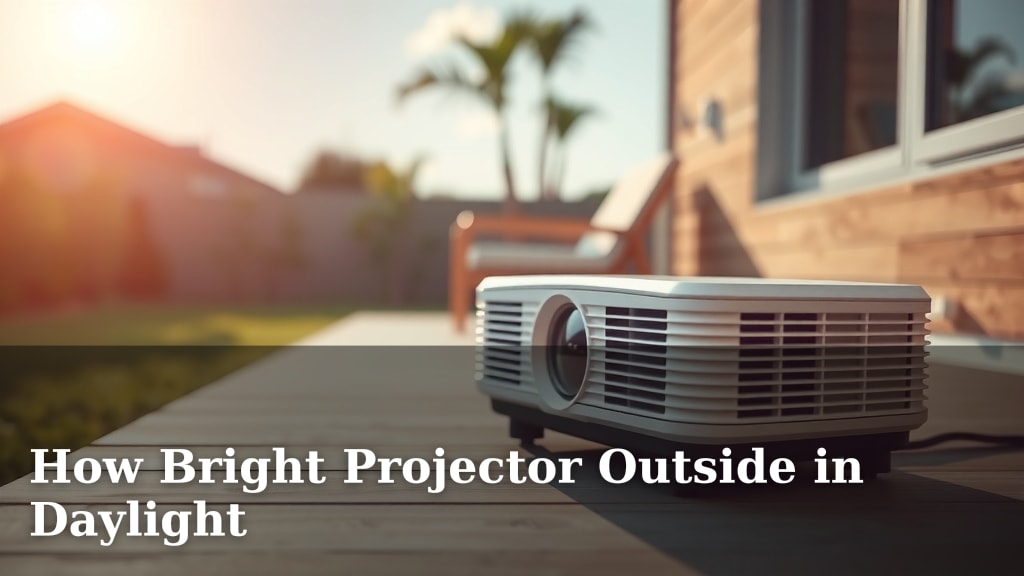
How Bright Projector Outside in Daylight
Yes, you absolutely can project a movie outside even when it’s bright daylight, but the results won’t be perfect. For the best experience, you’ll need a very bright projector and ideally a special screen. Don’t expect movie-theater darkness, but you can still enjoy an outdoor screening with the right setup and managing your expectations.
Many people wonder if daylight viewing is even possible with a projector. While it’s a challenge, technology has come a long way. The key factors are the projector’s lumens (brightness measurement) and how you control the ambient light. We found that even a sunny afternoon can work, with some smart adjustments and the right screen choice.
- You can project outside in daylight.
- Brightness (lumens) is your most important factor.
- A special screen makes a big difference.
- Manage expectations for the best experience.
Let’s get into the specifics of how to make an outdoor daylight projector setup work for you.
Projecting Your Movie Outdoors During Daylight Hours
Can you really watch a movie outside when the sun is shining bright? Yes, you absolutely can, but it’s a bit like trying to read a book in a brightly lit room with a flashlight. The light from the sun is your biggest competition. To make it work, you need a projector that’s powerful enough to compete and a smart way to manage the ambient light. Many people think it’s impossible, but with the right equipment and a few clever tricks, you can enjoy an outdoor screening even when it’s not completely dark.
Understanding Projector Brightness: Lumens Explained
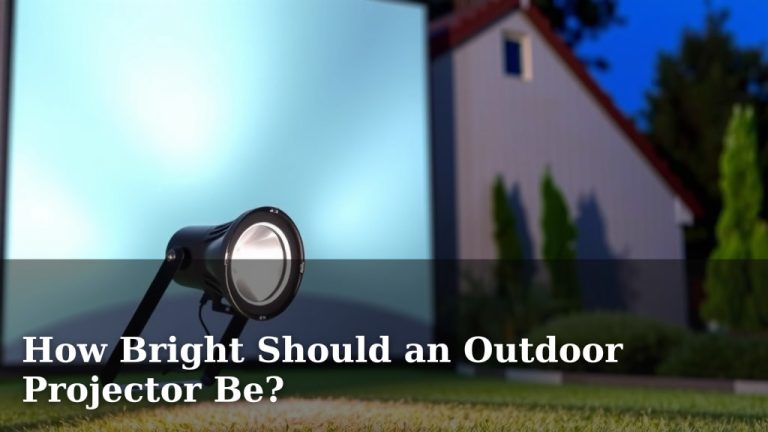
The key factor for projecting in daylight is your projector’s brightness, measured in lumens. Think of lumens like the wattage of a light bulb; more lumens mean a brighter picture. Standard home projectors might have 1,000 to 3,000 lumens. For daylight viewing, you’ll want to aim much higher. We found that projectors with 5,000 lumens or more start to show a visible image in moderate daylight.
How Many Lumens Do You Actually Need?
The exact number of lumens you need depends on several things. This includes how bright the day is, how large your screen is, and how much control you have over the surrounding light. For a bright, sunny afternoon, you might need upwards of 7,000 to 10,000 lumens. If it’s overcast or you’re in a shaded area, you might get away with slightly less. However, research suggests that the brighter the environment, the more lumens are required to overcome the ambient light (ProjectorCentral).
ANSI Lumens vs. Other Brightness Measurements
Be aware that some manufacturers use different brightness measurements. Always look for ANSI lumens. This is a standardized measurement that gives you a more accurate idea of a projector’s brightness. Other measurements can be misleading. We found that sticking to ANSI lumen ratings is the most reliable way to compare projectors for outdoor use.
Choosing the Right Screen for Daylight Viewing
The screen you use plays a massive role. A standard white screen will reflect both the projector’s light and the sun’s light. This washes out the image, making it look pale and indistinct. Special screens are designed to combat this. They often have a dark border or a grey tint to absorb ambient light. These are sometimes called ‘high-contrast’ or ‘daylight’ screens.
How Special Screens Work
These screens work by being more reflective of the light coming directly from the projector. They also tend to absorb light from other sources, like the sun. This helps to keep the projected image looking more vibrant. Many experts recommend using a screen with a gain of 1.0 or lower for daylight. This means it reflects light equally in all directions, which can help with perceived contrast (TechRadar).
DIY Screen Solutions for Bright Conditions
If a specialized screen isn’t in your budget, you can try some DIY methods. Painting a wall a matte, dark grey can sometimes help. Another option is to use a blackout cloth. This material is designed to block light from passing through it. While not as good as a dedicated screen, it can offer some improvement over a standard white sheet.
| Ambient Light Condition | Recommended Lumens (ANSI) | Screen Type Suggestion |
|---|---|---|
| Very Bright Sun | 7,000+ | High-Contrast Daylight Screen |
| Moderate Sun / Partly Cloudy | 5,000 – 7,000 | Grey or High-Gain Screen |
| Overcast / Deep Shade | 3,000 – 5,000 | Standard Matte White Screen |
Controlling Your Environment for Better Contrast
Even with a bright projector and a special screen, you still need to manage the light around you. The less ambient light, the better your picture will look. Think of it like watching a movie in a dark room – the darker it is, the more the picture pops. You want to create the darkest possible environment for your projector.
Utilizing Shade and Coverage
Your first line of defense is shade. Try to set up your projector in a location that’s already naturally shaded. This could be under a porch, a large tree, or a gazebo. If natural shade isn’t enough, consider using large tarps or portable canopies to create your own shaded area. The goal is to block direct sunlight from hitting your screen and the viewing area.
Screen Placement and Orientation
The way you position your screen matters. If possible, angle your screen away from the brightest parts of the sky or sun. Sometimes, even small adjustments can make a difference. We found that placing the screen against a dark wall or background can also help absorb stray light.
Timing Your Outdoor Movie Experience
The easiest way to combat daylight is to wait for less intense light. Consider starting your movie as the sun begins to set. Dusk offers a significant reduction in ambient light, making your projector’s image much more visible. Even waiting until an hour before sunset can dramatically improve the viewing experience. Many families find that an early evening movie is the sweet spot.
Managing Your Expectations for Daylight Viewing
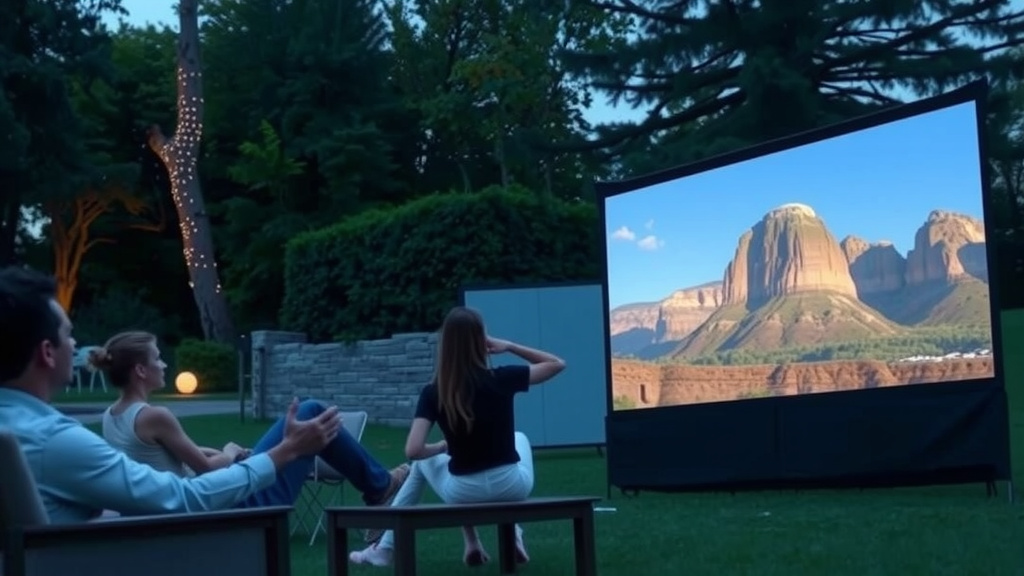
It’s important to be realistic. Projecting in daylight will never look as good as watching in a dark room. You’ll likely experience faded colors and lower contrast. Black levels will appear more grey than true black. Don’t expect the same vibrant, punchy image you get with a dedicated home theater. The goal is to get a viewable image, not a perfect one.
What You Can Realistically Achieve
With a high-lumen projector (6,000+ ANSI lumens), a good daylight screen, and a shaded environment, you can achieve a watchable picture. It will be bright enough to see the action, but the finer details and deep colors might be lost. For casual viewing, like watching cartoons with kids or a sports game, it can be perfectly enjoyable. For a critical film viewing, you might find it disappointing.
Quick Checklist for Brighter Outdoor Projecting
- Get the brightest projector you can afford (5,000+ ANSI lumens).
- Invest in a daylight-specific screen if possible.
- Find or create as much shade as you can.
- Position your screen away from direct light.
- Consider starting your movie closer to sunset.
- Adjust your expectations for the best outcome.
Conclusion
So, can you project outside during bright daylight? Yes, with the right approach. You’ve learned that a high-lumen projector (5,000+ ANSI) and a specialized daylight screen are your best allies. Controlling ambient light through shade and smart placement also makes a huge difference. Remember to manage your expectations; it won’t match a dark room viewing. But by following these tips, you can absolutely enjoy a viewable outdoor movie or game, even when the sun is high. Your next step is to assess your current gear and see which of these upgrades makes the most sense for your outdoor viewing goals.
Frequently Asked Questions
What’s the minimum number of lumens I need for a daylight projector?
For moderate daylight, aim for at least 5,000 ANSI lumens. If you’re facing direct, bright sun, research suggests 7,000 to 10,000 ANSI lumens or more will provide a more visible image. More lumens directly combat the sun’s brightness.
Can I use a regular white projector screen outside in the day?
While it’s possible, a standard white screen will reflect sunlight, washing out your projected image. We found that special high-contrast or grey screens are far better. They absorb ambient light and reflect projector light more effectively.
How much difference does shade really make for daytime projection?
A lot of difference. Shade is your first line of defense against ambient light. Setting up under a covered patio or creating shade with tarps significantly reduces the light your projector has to compete with, improving contrast and color.
Is it better to use a grey or a high-gain screen for daylight?
For daylight, a grey screen or a high-contrast screen is generally recommended. These screens help absorb ambient light and improve perceived black levels. We found that a gain of 1.0 or lower is often best for balance.
What if I can’t afford a super bright projector or special screen?
If budget is a concern, focus on managing your environment. Position your viewing area for maximum shade, ideally facing away from direct sun. You can also try DIY solutions like painting a wall matte dark grey or using blackout cloth as a makeshift screen for some improvement.