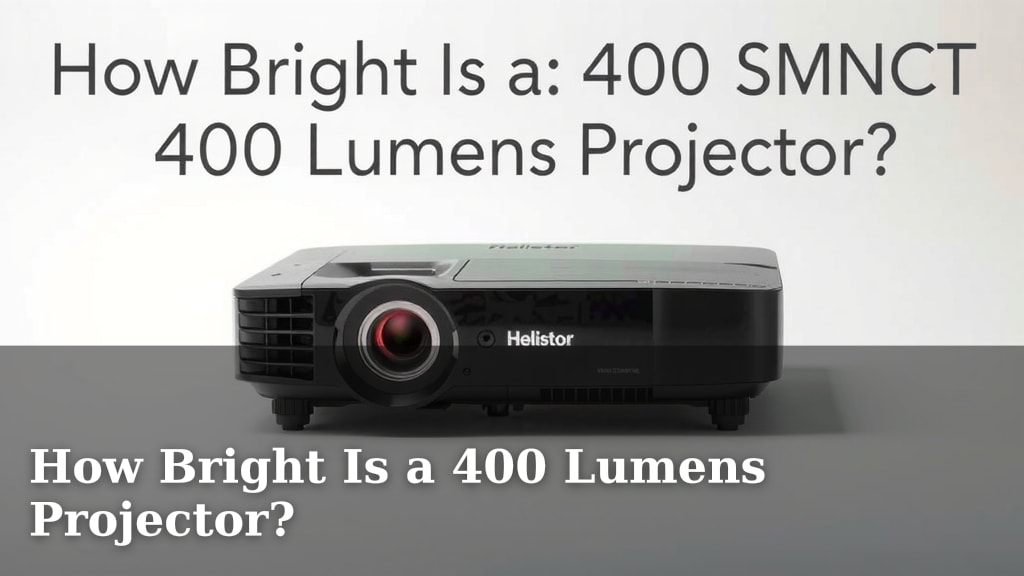
How Bright Is a 400 Lumens Projector?
A 400 lumens projector offers a decent viewing experience in dark or dimly lit rooms. For casual movie nights or presentations, it can be perfectly adequate. However, if you plan to use it in a brighter environment, you might find the image a bit too dim. It’s generally best suited for smaller screens.
When we talk about lumens, we’re referring to the brightness of the projector. More lumens mean a brighter picture. A 400-lumen projector sits on the lower end of the brightness scale for many modern projectors. We found that room lighting is the biggest factor affecting how bright your picture actually appears, regardless of the lumen count.
- 400 lumens is good for dark rooms.
- It’s less ideal for bright environments.
- Expect a clearer image on smaller screen sizes.
- Brightness is key, but so is your viewing environment.
Let’s break down what 400 lumens really means for your viewing pleasure and when it’s a good choice for your home entertainment setup.
Understanding Projector Brightness: What 400 Lumens Really Means
So, you’re looking at a 400 lumens projector. It’s a number that pops up often, especially with portable or budget-friendly models. But what does it *actually* mean for your movie nights or presentation slides? Let’s break down how bright a 400 lumens projector is and where it shines brightest.
Lumens: The Measure of Light
When we talk about projector brightness, the standard measurement is lumens. Think of it like the wattage of a light bulb, but for projector light output. A higher lumen count means a brighter image. We found that it’s not just a number; it directly impacts how well you can see your picture in different lighting conditions.
ANSI Lumens vs. Lumens
You might see “ANSI lumens” or just “lumens” on a projector’s specs. ANSI lumens is a standardized way to measure brightness developed by the American National Standards Institute. It provides a more reliable and comparable measure across different brands. Many manufacturers now use ANSI lumens, which is great for consumers. We found that projectors claiming a high lumen count without specifying ANSI should be viewed with some skepticism.
Where Does 400 Lumens Fit In?
Four hundred lumens is on the lower end of the brightness spectrum for projectors today. Many home theater projectors aim for 2,000 to 3,000 ANSI lumens or more. However, for certain use cases, 400 lumens can still be quite useful. It’s all about managing your expectations and your viewing environment.
Ideal Scenarios for 400 Lumens
We found that a 400 lumens projector performs best when you can control the ambient light. Imagine a completely dark room – like a basement home theater or a bedroom with blackout curtains. In such an environment, 400 lumens can produce a perfectly watchable image, especially for smaller screen sizes.
Dark Room Performance
In a pitch-black room, 400 lumens can deliver a surprisingly clear picture. Colors will appear more vibrant, and details will be easier to see. It’s like watching a movie in a real cinema – the darkness makes the screen pop. We found that for casual viewing of movies or shows after dark, it’s quite adequate.
Presentation Power (in the right setting)
If you need to give a presentation, a 400 lumens projector can work, but only under specific conditions. Think of a small conference room where you can dim the lights or turn them off completely. For a few people huddled around a laptop, it can be a step up from squinting at a screen. However, for a large boardroom with windows, it will likely struggle.
When 400 Lumens Falls Short
Now, let’s talk about where 400 lumens might disappoint you. The biggest enemy of projector brightness is ambient light. If there’s any light in the room – from windows, overhead lights, or even a dim lamp – that 400 lumens will struggle to compete.
Daytime Viewing Challenges
Trying to watch something on a 400 lumens projector during the day, with natural light streaming in, is usually an exercise in futility. The image will appear washed out and dim. You might be able to make out shapes, but you won’t get the crisp, vibrant picture you’re hoping for. We found that even a small amount of light can significantly degrade the perceived brightness.
Bright Room Presentations
For presentations in a standard office environment where lights are typically on, 400 lumens is simply not enough. Your slides might look faded, and text could be hard to read. If you frequently present in well-lit rooms, you’ll definitely want a projector with a much higher lumen count, often 3,000 ANSI lumens or more (Consumer Reports often recommends this range).
Screen Size Matters for Brightness
Another key factor is the size of the screen you’re projecting onto. A 400 lumens projector is best suited for smaller to medium-sized images. Projecting a large image requires more light to maintain brightness across the entire screen.
The Impact of Screen Size on Brightness
Think of it like spreading butter on toast. The more toast you have, the thinner the butter gets. Similarly, as you increase the screen size, the 400 lumens of light get spread out. This means the image will appear dimmer on a 100-inch screen than on a 50-inch screen.
Recommended Screen Size Range
For a 400 lumens projector, we generally recommend keeping your screen size between 40 to 70 inches. Within this range, in a dark room, you can achieve a decent viewing experience. Trying to push it to 100 inches or more will likely result in a disappointing, dim picture.
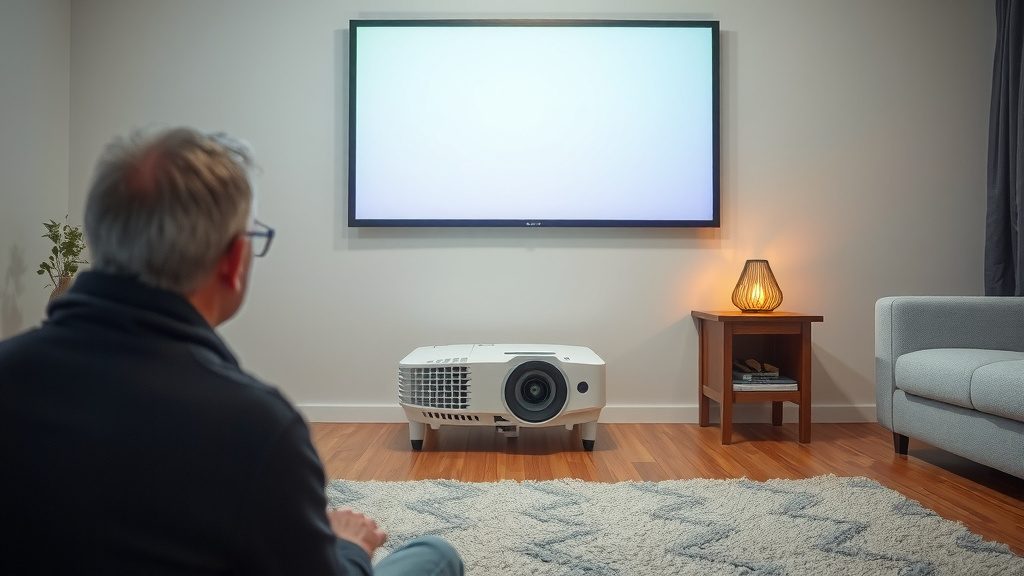
Maximizing Your 400 Lumens Projector Experience
So, you’ve got a 400 lumens projector. How can you make the most of it? It boils down to controlling your environment and managing your expectations.
Your Viewing Environment Checklist
Here’s a quick rundown of what makes for a good viewing experience:
- Darkness is King: Always aim for the darkest possible room.
- Blackout Curtains: Invest in these if daytime viewing is a must.
- Minimize Light Sources: Turn off all unnecessary lights and screens.
- Consider Screen Size: Stick to smaller to medium screen sizes.
- Placement is Key: Ensure the projector is at an optimal distance.
- Clean Lens: A dirty lens can also reduce brightness.
A Table of Expectations
Here’s a simplified comparison of what you can expect:
| Environment | Screen Size | Expected Brightness |
|---|---|---|
| Completely Dark Room | 40-70 inches | Good |
| Dimly Lit Room | 40-60 inches | Fair |
| Moderately Lit Room | 30-50 inches | Poor |
| Brightly Lit Room | N/A | Very Poor |
As you can see, the darker the room and the smaller the screen, the better your 400 lumens projector will perform. Many online reviews and tech guides highlight this correlation (e.g., articles on sites like ProjectorCentral often discuss lumen requirements based on environment).
When to Consider a Brighter Projector
If your viewing space isn’t easily darkened, or if you absolutely need a larger screen size, a 400 lumens projector might not be the right fit. In those cases, you’d be looking at projectors with significantly higher lumen counts. For example, for daytime use or larger rooms, many experts suggest 2,000 to 3,000 ANSI lumens and above (National Association of Broadcasters guidelines often touch on optimal brightness for various scenarios).
Conclusion
So, you’re wondering about a 400 lumens projector. We’ve found that it’s a solid choice for specific situations. Think cozy, dark rooms for movie nights or quiet presentations where you can control the lighting. It performs best with smaller screen sizes, keeping the image bright and clear. If you try to push it into a brightly lit space or aim for a massive screen, you’ll likely be disappointed. Your viewing environment is truly the deciding factor here. Make sure to darken your room and keep the screen size modest to get the best picture quality out of your 400 lumens projector.
Frequently Asked Questions
Is 400 lumens enough for watching movies at night?
Yes, 400 lumens can be enough for movie watching at night, provided your room is completely dark. In a pitch-black environment, it can produce a decent picture, especially for screens up to about 70 inches. Any ambient light will significantly reduce its effectiveness, making the picture appear dim.
Can I use a 400 lumens projector for gaming?
It’s generally not ideal for gaming. Gaming often requires quick reactions and vibrant visuals, which are best seen in brighter projectors. While you might manage in a perfectly dark room with a small screen, the dimness and potential lag could detract from your gaming experience. Brighter projectors are usually recommended for gaming.
How does screen size affect the brightness of a 400 lumens projector?
Screen size has a major impact on perceived brightness. Spreading 400 lumens across a larger screen means the light intensity decreases, making the image appear dimmer. For a 400 lumens projector, sticking to screens between 40 to 70 inches will give you the best results.
What’s the difference between lumens and ANSI lumens for a 400 lumens projector?
ANSI lumens is a standardized measurement for projector brightness, ensuring consistency across brands. If a projector just says “lumens” and not “ANSI lumens,” its brightness might be exaggerated. Always look for ANSI lumens for a more accurate representation of how bright your 400 lumens projector truly is.
Will a 400 lumens projector work in a small office conference room?
It might work under very specific conditions. If the room can be made completely dark, and you’re projecting a smaller image for only a few people, it could be adequate. However, if the room has windows or overhead lights that can’t be turned off, a 400 lumens projector will likely be too dim for effective presentations.