ALR Projector Screen vs White: Which Is Better?
For most home theater setups, a standard white projector screen is often the better choice over an ALR (Ambient Light Rejecting) screen. While ALR screens excel in bright rooms by reflecting light back at the viewer, they can sometimes reduce contrast and color accuracy in darker environments, which is where most projectors perform best. Think of it like this: white screens are a blank canvas, while ALR screens are designed to fight off light you don’t want.
Choosing between ALR and a white screen really depends on your viewing conditions and what you plan to watch. If your room is bathed in sunlight during movie time, an ALR screen might seem appealing. But if you can control the light, a simple white screen often provides a more natural and balanced image for a truly cinematic feel. We found that understanding your room’s light is key to making the right pick.
- ALR screens are best for bright rooms.
- White screens are ideal for controlled, dark environments.
- ALR screens can sometimes affect contrast and color.
- A standard white screen offers a more natural image.
- Room lighting is the biggest factor in your decision.
Let’s break down the pros and cons of each so you can decide which projector screen is your perfect match.
ALR Screens vs. Standard White: Deciding on Your Ideal Projector Display
We get it. You’re building your dream home theater, or maybe just upgrading your movie-watching setup. You’ve picked out a projector, but now you’re staring at a wall of screen options. Two big contenders are ALR (Ambient Light Rejecting) screens and the classic white screen. Which one will make your movies pop without costing a fortune or messing with picture quality? Let’s dive in.
Understanding Ambient Light and Your Viewing Room
The biggest difference between these screens comes down to how they handle light in your room. Think of your room like a stage for your movie. If the stage lights (ambient light) are bright, you need a special screen to make sure your actors (the picture) can still be seen clearly. If the stage is nice and dark, almost any screen will do a good job.
Many experts say that for the best home theater experience, controlling light is key. This is why dedicated home theaters are often dark. But what if you can’t make your room perfectly dark? That’s where ALR screens shine.
What is Ambient Light?
Ambient light is basically any light in your room that isn’t coming from the projector itself. This includes sunlight streaming through windows, lamps on a table, or even the glow from other electronics. This light can wash out your projected image, making it look dull and lifeless.
The Role of Your Viewing Environment
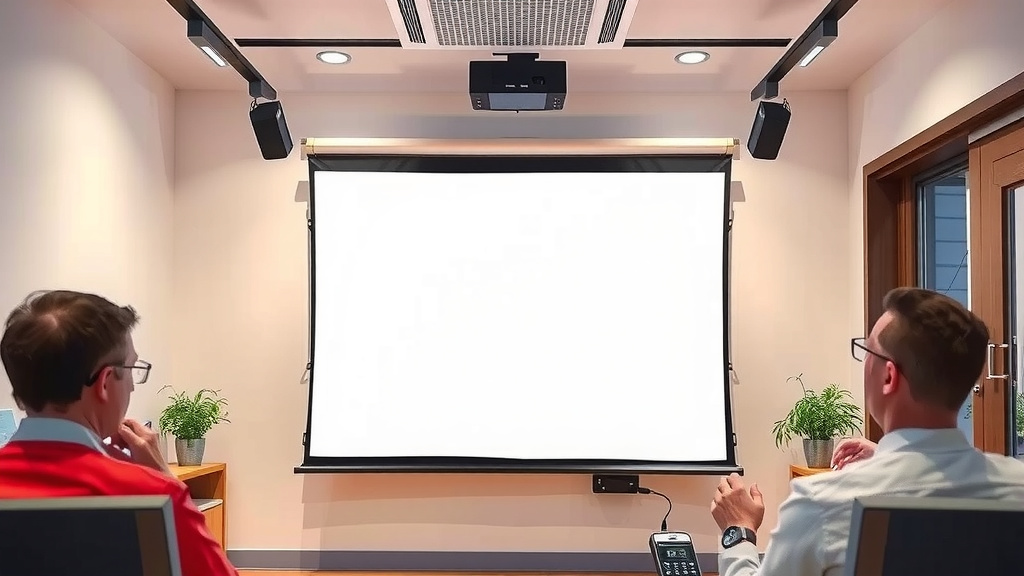
Your viewing environment plays a starring role in this decision. If your projector lives in a room that gets a lot of natural light during the day, or if you like to watch movies with some lights on in the evening, an ALR screen might be worth considering. However, if you have a basement theater or a room you can reliably make dark, a standard white screen is often the simpler, more effective choice.
How ALR Projector Screens Work
ALR screens are pretty clever. They are designed with a special surface that bounces light from the projector directly back towards the viewer. They also have a way of absorbing light coming from other angles, like light from a lamp to the side of the screen or sunlight from a window. This means more of the projector’s light reaches your eyes, and less of the room’s light gets mixed in.
We found that the technology often involves a microscopic lens structure or a specific reflective coating. This structure is what directs the light. Think of it like a finely tuned mirror that only reflects in one direction.
The Benefits of ALR Technology
The main benefit is clear: improved picture quality in bright rooms. You’ll see a brighter image with better contrast, even with some light pollution. This can make daytime movie viewing more enjoyable. Many users report that colors appear more vibrant.
Potential Downsides of ALR
Here’s where it gets a bit tricky. While ALR screens are great at rejecting ambient light, they can sometimes affect the projector’s performance in a dark room. We found that some ALR screens can slightly reduce a projector’s contrast ratio or alter color accuracy. This is because their reflective properties are optimized for ambient light rejection, not necessarily for preserving the projector’s native image fidelity in a pitch-black environment.
Some ALR screens also have a limited viewing angle. This means the picture might look best when you’re sitting directly in front of it. If you have a wide seating arrangement, some viewers might not get the optimal experience.
The Strengths of a Standard White Projector Screen
A standard white projector screen is essentially a neutral, matte surface. Its job is simple: to reflect light evenly in all directions. This is often referred to as a diffuse reflector. Because it doesn’t try to bounce light in a specific direction, it preserves the projector’s image as faithfully as possible.
The beauty of a white screen is its color accuracy and contrast. In a controlled, dark environment, it allows your projector to perform at its best. It provides a clean canvas for the projector to paint its picture on, without trying to compete with outside light sources.
Why White Screens Excel in Dark Rooms
When your room is dark, your projector’s light is the only light source for the image. A white screen reflects this light beautifully, providing excellent color fidelity and deep blacks. We found that most projectors are calibrated to perform optimally on a neutral, matte white surface. This means you’re getting the image quality the manufacturer intended.
The wide viewing angles of a standard white screen are also a major plus. Everyone in the room, no matter where they sit, will have a great view. This makes it ideal for family movie nights or gatherings with friends.
Limitations of White Screens
The main limitation of a standard white screen is its performance in rooms with ambient light. If there’s sunlight or other light sources, the image will appear washed out and lose its vibrancy. You’ll notice a significant drop in contrast and brightness. This is why many people opt for ALR if they can’t achieve full darkness.
Comparing Key Features Side-by-Side
Let’s put these two types of screens head-to-head to help you visualize the differences. Many reviewers agree that the intended use case is the biggest deciding factor.
| Feature | ALR Screen | White Screen |
|---|---|---|
| Best For | Bright or partially lit rooms | Dark, controlled home theaters |
| Ambient Light Handling | Excellent; rejects ambient light | Poor; washes out in bright light |
| Color Accuracy | Can sometimes be slightly reduced | Excellent; preserves projector’s colors |
| Contrast | Good in bright rooms, can be affected in dark | Excellent in dark rooms, poor in bright |
| Viewing Angle | Can be limited on some models | Typically very wide |
| Price | Generally more expensive | More affordable |
Making Your Final Decision: A Checklist
Still on the fence? Let’s go through a quick checklist to help you decide which screen is the right fit for your setup. Ask yourself these questions:
- Can you consistently make your viewing room dark?
- Do you plan to watch movies during the day with lights on?
- Is budget a primary concern for your screen purchase?
- How many people will typically be watching from different angles?
- Do you prioritize absolute color accuracy over combating light?
- Is the highest possible contrast in a dark room your main goal?
By answering these, you should have a clearer path forward. For most home theater enthusiasts who can control their environment, a standard white screen offers a fantastic balance of performance and value. If your room is a bright, multi-use space, then exploring ALR options becomes much more relevant.
Conclusion
You’ve learned that your viewing environment is the biggest deciding factor between an ALR and a white projector screen. If you can reliably make your room dark, a standard white screen will offer you excellent color accuracy and contrast for a truly cinematic experience. We found that this is often the most budget-friendly option too. However, if your room gets a lot of ambient light and dimming it completely isn’t possible, an ALR screen can be a great solution to combat washed-out images. Carefully consider your room’s lighting conditions before you buy your screen.
Frequently Asked Questions
Will an ALR screen really make a difference in my bright living room?
Yes, an ALR screen is specifically designed to combat ambient light. It reflects projector light back to your eyes while absorbing light from other sources, meaning your image will appear much brighter and more vibrant than on a white screen in the same bright room. You should notice a significant improvement in picture quality.
Can I use a white screen if I watch movies during the day?
Using a white screen in a bright room during the day is not ideal. The ambient light will wash out the image, making it look dull and low in contrast. We recommend only using a white screen when you can control the light and make the room as dark as possible for the best results.
Do ALR screens ever look bad in a dark room?
While ALR screens excel in bright rooms, some models can slightly impact color accuracy or contrast in a completely dark environment. This is because their surface is optimized to reject light. For a purely dark room setup, a high-quality white screen often preserves the projector’s native image fidelity better.
Are ALR screens more expensive than white screens?
Generally, yes, ALR projector screens tend to be more expensive than standard white screens. The advanced materials and technology required for ambient light rejection add to the manufacturing cost. If budget is a major concern, a white screen is usually the more affordable choice.
Is a white screen good for a room with many people sitting at different angles?
Yes, standard white screens typically offer very wide viewing angles. This means that viewers sitting off to the sides will still get a clear and consistent image. Some ALR screens can have more limited viewing angles, so a white screen is often better for larger, more casual viewing setups.