Benefits of Projector vs TV: Which Is Better?
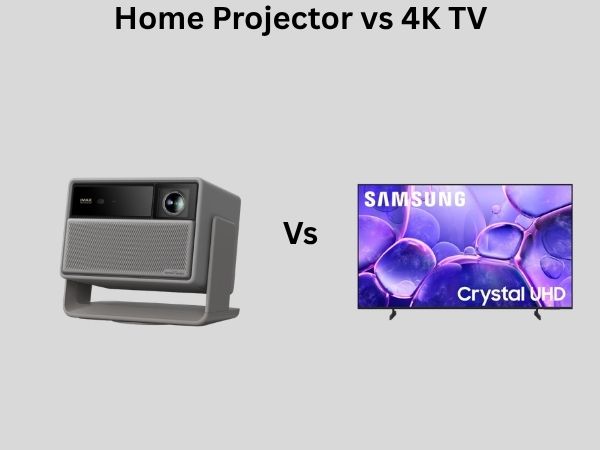
So, you’re wondering if a projector or a TV is the better choice for your home? It really depends on your priorities and space. For that truly cinematic feel and larger-than-life images, a projector often wins. But if you want simple setup and bright rooms, a TV might be your best bet. We’ve looked at the pros and cons for both.
Choosing between a projector and a TV isn’t a one-size-fits-all decision. We found that both have distinct advantages for different situations. Think about your room’s lighting conditions and how much screen size truly matters to you. Your entertainment setup could look very different depending on which you pick.
- Projectors offer huge screens and a cinematic vibe.
- TVs are easier to set up and work better in bright rooms.
- Consider your room size and lighting.
- Think about budget and desired screen size.
- Both can be great for movies, gaming, and more!
Let’s dive into the specifics and help you decide which screen hero will win the battle for your living room.
“`htmlProjector vs. TV: Deciding Your Home Entertainment Match
When you’re deciding between a projector and a TV, think about the big picture. Both can deliver fantastic entertainment, but they do it in very different ways. We’ve found that your room’s environment and your desired viewing experience play a huge role.
The Case for the Projector: Big Screen Magic
If you dream of a movie theater experience right in your home, a projector might be your hero. They excel at creating massive images that can truly immerse you in whatever you’re watching.
Unmatched Screen Size Potential
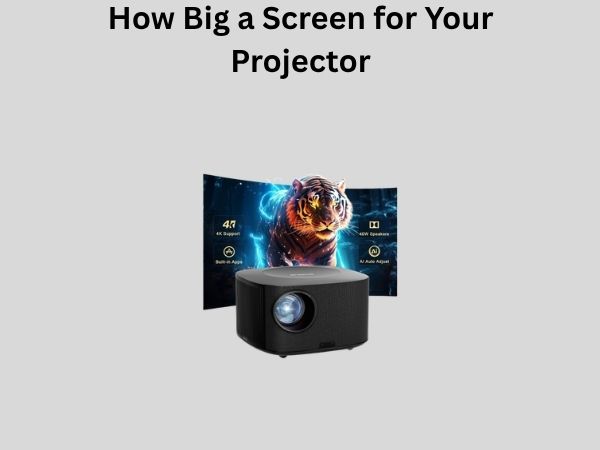
The biggest draw of a projector is its ability to project an image that is significantly larger than any TV. We’re talking 100 inches, 120 inches, or even more! This size difference is what really sets projectors apart for that cinematic feel. It’s like having your own private cinema.
The Immersive Experience
That giant screen size naturally leads to a more immersive viewing experience. When the image fills your field of vision, you can feel more connected to the action on screen. Many movie buffs and gamers consider this the ultimate way to watch.
When Projectors Shine (Literally)
Projectors are best in environments where you can control the light. Think of a dedicated home theater room, or a living room where you can easily darken the space with blackout curtains. They perform best in low-light conditions. We found that the darker the room, the more vibrant and clear the projected image becomes.
Considerations for Projector Owners
While projectors offer that wow factor, there are a few things to keep in mind. You’ll need a suitable wall or a projector screen to display the image. You also need space to mount or place the projector itself, and it needs to be positioned correctly for the best picture. Setup can sometimes be a bit more involved than with a TV.
The Strengths of a Television: Simplicity and Brightness
Televisions are the familiar workhorses of home entertainment. They’ve evolved dramatically, offering incredible picture quality and ease of use that makes them a popular choice for many households.
Effortless Setup and Use
One of the biggest advantages of a TV is its simplicity. You plug it in, connect your devices, and you’re usually good to go. There’s no complicated alignment or distance calculations needed. Many experts point to this plug-and-play nature as a major benefit for the average consumer.
Superior Performance in Bright Rooms
Unlike projectors, TVs don’t struggle with ambient light. Their inherent brightness means you can enjoy your favorite shows and movies even in a well-lit room during the day. If your living space gets a lot of natural sunlight, a TV is often the more practical option.
Built-in Smart Features and Sound
Most modern TVs come equipped with built-in smart features like streaming apps and Wi-Fi connectivity. They also have integrated speakers, providing decent audio right out of the box. While a dedicated sound system is always an upgrade, you won’t be left without sound immediately.
Durability and Longevity
Televisions are generally quite durable and built for everyday use. They don’t require special bulbs that need replacing like many projectors do. This can translate to a longer lifespan with less ongoing maintenance. We found that for many, this reliability is a key deciding factor.
Key Differences at a Glance
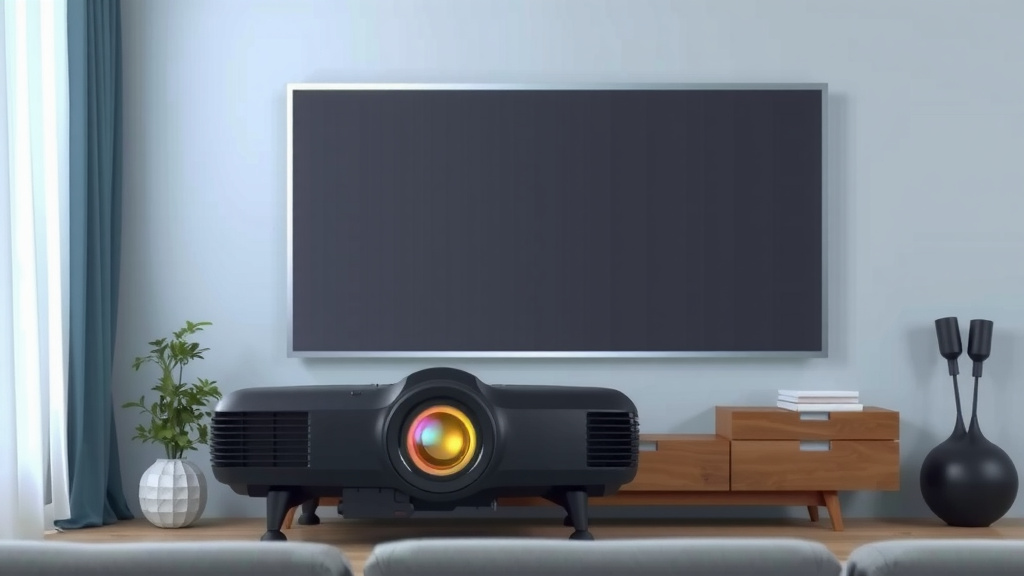
To help you visualize, let’s break down some of the core differences:
| Feature | Projector | TV |
|---|---|---|
| Screen Size | Virtually unlimited (100″+ easily) | Limited by physical size of the screen |
| Brightness in Dark Rooms | Excellent (best performance) | Good to excellent |
| Brightness in Bright Rooms | Poor (needs very dark room) | Excellent (handles ambient light well) |
| Setup Complexity | Moderate to high (positioning, screen) | Low (plug and play) |
| Portability | Can be portable, but requires setup | Generally not portable |
| Picture Quality (Detail/Contrast) | Can be excellent, but highly dependent on light and screen | Consistently excellent |
| Lifespan/Maintenance | Bulb replacement may be needed | Generally long-lasting, no consumables |
Making Your Final Choice: A Quick Checklist
To help solidify your decision, consider these points:
- Do you want a cinematic, giant screen?
- Can you easily darken your viewing room?
- Is simple plug-and-play setup a top priority?
- Do you watch content mostly in a brightly lit space?
- What is your budget for the display and any necessary accessories?
- How much space do you have for the display and viewing equipment?
Conclusion
Deciding between a projector and a TV comes down to your unique living situation. For that epic movie night feel and a screen that truly dominates, a projector is hard to beat, provided you can control the room’s light. If you prioritize effortless setup and consistent performance in brighter spaces, a TV remains a reliable champion. Carefully consider your room’s lighting, your desired screen size, and your tolerance for setup complexity. Your perfect home entertainment experience awaits, so make the choice that best fits your lifestyle and enjoyment!
Frequently Asked Questions
Can I use a projector in a living room with windows?
You can, but it’s not ideal. Projectors perform best in darkened rooms. If your living room has a lot of natural light, you’ll likely need blackout curtains or blinds to get a clear, vibrant image. Otherwise, a TV might be a more practical choice for a brightly lit space.
How big of a screen can a projector really make?
Projectors offer incredible flexibility with screen size. We’ve found you can easily achieve images of 100 inches or more, creating that true cinematic feel. The maximum size depends on the projector’s capabilities and the distance from the wall or screen.
Do projectors require special screens?
While you can project onto a plain white wall, a dedicated projector screen is recommended for the best picture quality. Screens are designed to provide a smoother surface and better light reflection, enhancing contrast and color accuracy.
What about sound quality for projectors and TVs?
Most TVs come with built-in speakers that offer decent sound for casual viewing. Projectors often have minimal built-in audio, so you’ll usually need to connect external speakers or a soundbar for an immersive experience. We found this to be a key difference for home theater enthusiasts.
Which option is generally more budget-friendly?
For a comparable screen size, TVs are often more affordable upfront, especially in smaller sizes. However, if you’re looking for a very large screen (over 80 inches), a projector might offer a more cost-effective way to achieve that size compared to a similarly sized TV.