Big Screen Showdown: Is a Home Projector Better Than a Standard TV?
Have you ever sat in a movie theater and felt that overwhelming sense of immersion as the massive screen filled your entire field of vision? That’s the dream many of us try to recreate at home, but the question remains: should you invest in a home projector or stick with a traditional television? This isn’t a simple yes-or-no answer, and honestly, the choice depends on your lifestyle, budget, and what matters most to you when you’re settling in for your favorite show or movie.
Let me walk you through everything you need to know about this modern home entertainment dilemma. We’ll explore the pros and cons of both options, help you understand the technology behind each, and ultimately guide you toward making the right decision for your unique situation.
Understanding the Basic Differences Between Projectors and TVs
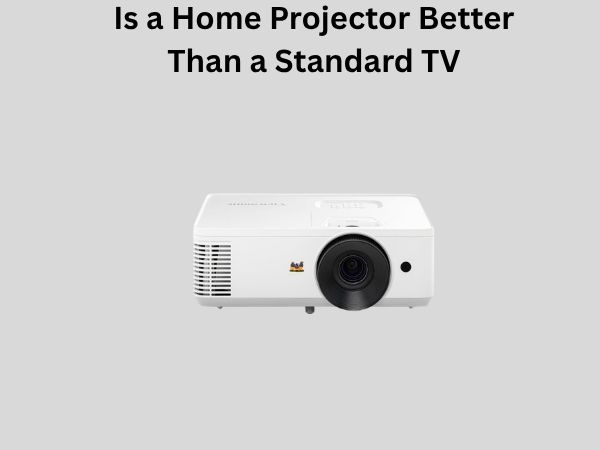
Before we dive into the nitty-gritty details, let’s establish what we’re actually comparing here. A television is a self-contained display device that uses a screen to show images directly to your eyes. It’s straightforward, familiar, and something you’ve probably owned your entire life. A home projector, on the other hand, works more like a cinema projector—it beams light onto a surface, typically a blank wall or a dedicated projection screen, creating an image through that reflected light.
Think of it this way: a TV is like reading a book, where the information is presented directly to you. A projector is more like watching a presentation on a large lecture hall screen—the image is created through projection technology and displayed on an external surface.
How Each Technology Works
Modern TVs use LED, QLED, or OLED technology to produce images. Each pixel is individually lit (in the case of OLED) or backlit by an array of LEDs, allowing for precise color and brightness control. This is why TVs can look incredibly sharp and vibrant, even in bright rooms.
Home projectors, meanwhile, use one of three main technologies: DLP (Digital Light Processing), 3LCD, or laser-based systems. They take a single light source, manipulate it through various optical components, and project it onto your wall. The quality and brightness vary significantly depending on the technology used and the projector’s lumen rating.
The Picture Quality Comparison: Which Looks Better?
Television Picture Quality in 2024
Modern televisions have reached an impressive level of picture quality. High-end 4K TVs with HDR support, quantum dot technology, and local dimming can produce images that are absolutely stunning. The colors are rich, the blacks are deep (especially on OLED models), and the detail is extraordinary. You’re getting a bright, crisp image that looks fantastic even in well-lit rooms.
Premium TVs also excel at refresh rates, making them ideal for gaming and sports. A 120Hz display can make motion look buttery smooth, and if you’re into competitive gaming, this matters tremendously.
Home Projector Picture Quality Strengths
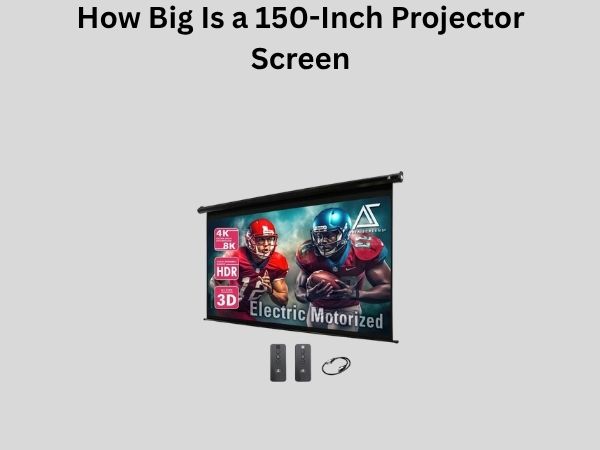
Here’s where projectors shine—literally and figuratively. When you’re watching in a dark room, a quality projector can create an image size that simply can’t be matched by a TV without spending an absolute fortune. A 100-inch or even 150-inch screen is entirely achievable with a projector, and this size creates an immersive experience that’s genuinely different from watching a TV.
That immersion factor is significant. Your eyes fill with the image, your peripheral vision is occupied by content, and you feel transported into whatever you’re watching. This is the magic that keeps people coming back to movie theaters, and a good projector can replicate that feeling at home.
- High-quality projectors offer excellent contrast ratios and color accuracy
- Laser projectors provide incredible brightness and longevity
- The large image size creates a genuinely cinematic experience
- Black levels can rival many TV models when using a quality projection screen
The Picture Quality Verdict
In bright rooms and for everyday viewing, a modern TV wins. The brightness, clarity, and ability to perform in well-lit environments give TVs a significant edge. However, if you have a dark viewing room and prioritize the cinematic experience, a quality projector can actually deliver superior immersion and a viewing experience that feels genuinely different from television.
Size and Screen Real Estate: Going Big or Staying Reasonable
This is perhaps the most obvious difference between these two technologies, yet it’s also the most impactful on your viewing experience. Television sizes have grown over the years—you can now buy a 85-inch TV relatively easily—but there’s a natural limit to how large a TV can be before it becomes impractical for most living rooms.
TV Size Limitations
Most people find that anything larger than 85 inches becomes difficult to watch in a typical living room because you’re sitting too close to the screen. Your eyes can’t comfortably track the entire image, and you end up moving your head around rather than just your eyes. Additionally, physically fitting a massive TV into your space presents real challenges. These things are heavy, they require substantial wall space or a sturdy stand, and they’re not exactly subtle pieces of furniture.
Projector Size Flexibility
Projectors completely change this equation. You can project a 120-inch image in the same space where a 65-inch TV would fit. You can even go larger if your room layout allows for it. A projector mounted on your ceiling uses minimal floor space, and a blank wall is far more flexible than accommodating a massive television.
This size advantage is revolutionary for people who want that theater experience at home. It’s the primary reason many cinema enthusiasts make the switch to projectors, despite the additional complexity.
Cost Analysis: Initial Investment and Long-Term Expenses
Television Pricing Breakdown
You can buy a perfectly respectable 55-inch 4K TV for around $400-600. A high-quality 65-inch model might run you $800-1200. Premium OLED televisions with all the bells and whistles can exceed $2000, but these represent the upper end of the market. The important thing is that you have budget options at every price point.
Maintenance costs are minimal. You might replace batteries in your remote, but that’s about it. No bulbs to replace, no filters to clean. Your TV will likely last 7-10 years with normal use, and you’ll pay virtually nothing for upkeep.
Projector Pricing and Hidden Costs
Quality home projectors start around $500-800 for entry-level models, but if you want something genuinely good, you’re looking at $1200-3000 or more. High-end laser projectors can cost $5000 to $15000. This is a significant initial investment.
But wait—there’s more to the projector equation. You’ll also need:
- A projection screen (quality screens run $300-1500)
- Professional installation if you want ceiling mounting ($500-2000)
- Bulb replacements every 3000-5000 hours of use ($150-400 per bulb)
- Potential cooling system or ventilation upgrades
- Sound system, since projectors typically have poor built-in audio
Cost-Per-Hour Calculation
If you use your TV for 3-4 hours daily, your cost per viewing hour is incredibly low. If you use a projector the same amount, you’ll burn through bulbs faster and incur replacement costs regularly. However, if you use your projector less frequently—say for movie nights and special occasions—your cost per hour might actually be lower because bulbs last longer.
Brightness and Room Lighting: The Environmental Factor
TVs Dominate in Bright Environments
One of the most significant practical differences is how these technologies perform in bright rooms. TVs are bright devices—even budget models produce 300-500 nits of brightness. Premium TVs can exceed 1000 nits, making them visible even in rooms with significant ambient light or direct sunlight.
This matters in real life. If you watch TV during the day with windows letting in natural light, or if your family leaves lights on during evening viewing, a TV handles this beautifully. A projector? Not so much.
Projectors Require Darkness
Projectors typically produce 1500-3000 lumens (brightness units), which sounds impressive until you realize that ambient light completely washes out the image. You need a genuinely dark room to use a projector effectively. This means blackout curtains, careful lighting control, and frankly, a viewing habit that revolves around dimming the room when you want to watch.
Some high-brightness laser projectors (3000+ lumens) can work in moderately lit rooms, but they’re significantly more expensive. For most projectors, darkness is non-negotiable.
Contrast and Black Levels: Where Does Each Shine?
OLED Television Excellence
High-end OLED televisions produce perfect blacks because each pixel can turn completely off independently. This creates infinite contrast ratio—the difference between the brightest whites and the darkest blacks is limitless. When you’re watching a scene with a starfield or dark elements against bright backgrounds, an OLED TV looks absolutely phenomenal.
This is one area where premium TVs genuinely beat most projectors at their own game.
Projector Contrast Capabilities
Good projectors have strong contrast ratios, typically ranging from 5000:1 to 30000:1 or higher depending on the model and technology. A quality projection screen with high contrast rating enhances this further. In a dark room, a projector’s contrast can actually rival or exceed what you see on a TV because the surrounding room darkness creates the ultimate black level.
Gaming and Sports: Responsiveness and Refresh Rates
Why Gamers Prefer TVs
If you’re serious about gaming, TVs have a decisive advantage. Modern TVs support 120Hz refresh rates, variable refresh rates (VRR), and minimal input lag. The difference between 60Hz and 120Hz is immediately noticeable when you’re playing fast-paced games—motion looks smoother, aiming is more responsive, and the overall experience is superior.
Sports also benefit tremendously from high refresh rates. A 120Hz TV makes fast-moving action like soccer, basketball, or hockey look buttery smooth and natural.
Projector Gaming Challenges
Most projectors operate at 60Hz, and many don’t support VRR. Input lag can be higher than TVs, making them less ideal for competitive gaming. You’re looking at specialized gaming projectors to get closer to TV performance, and these are expensive.
For casual gaming and single-player experiences, a projector is fine. For competitive multiplayer or fast-paced action, a TV is the better choice.
Convenience and Ease of Use in Daily Life
TVs Are Effortless
Turn on your TV, and you’re watching. No setup required, no room preparation, no waiting for it to warm up. You can turn on a TV in a bright room and enjoy content immediately. This convenience factor is huge for households where multiple people watch TV at different times with different lighting preferences.
Projectors Require Preparation
Using a projector means darkening your room, turning on the projector, waiting 30-60 seconds for it to fully illuminate, adjusting focus or position if needed, and then settling in. If you want to switch to something else—like playing console games—you might need to adjust room lighting or projector settings again.
This preparation ritual is fine for planned movie nights or special viewing events. It’s less ideal if you want to quickly turn something on while making dinner or during irregular family activities.
Installation and Setup: Physical Considerations
Television Installation
Hanging a TV on a wall is straightforward. Hire a professional for $100-200, or do it yourself if you’re comfortable with wall mounting. The only real consideration is cable management and making sure you have an appropriate entertainment center or wall space.
Projector Installation Complexity
Projectors can be mounted on ceilings, shelves, or placed on stands. Ceiling mounting typically requires professional installation. You need to run cables, possibly upgrade your room’s electrical setup, install a projection screen or prepare a blank wall, and ensure ventilation for the projector’s cooling system.
Additionally, projector placement needs to match your room’s dimensions. The projector’s throw ratio (the distance it needs to be from the screen to project a certain size image) must align with your available space. This makes projectors less flexible for rooms with specific layouts or constraints.
Maintenance and Durability Over Time
TV Maintenance
TVs are incredibly low-maintenance. Dust the screen occasionally, manage cables, and you’re done. They’re designed to run continuously if needed, though it’s still best practice to power them off when not in use. A quality TV should last 7-10 years without any maintenance issues.
Projector Maintenance Requirements
Projectors are more demanding. You need to:
- Clean or replace air filters regularly to prevent overheating
- Replace bulbs every 3000-5000 hours (or more frequently for high-use situations)
- Monitor lamp hours and plan for replacements
- Ensure adequate ventilation to prevent thermal issues
- Maintain projection screen condition and cleanliness
- Potentially recalibrate focus or alignment periodically
This ongoing maintenance is manageable if you’re prepared for it, but it’s definitely more involved than TV ownership.
Audio Considerations: Sound Quality Matters
Television Audio Performance
Modern TVs have surprisingly decent built-in speakers. Budget models have 10-20W of speaker power, while premium TVs might have 40W or more with multiple drivers for better sound distribution. You won’t get theater-quality audio from a TV speaker, but you can watch most content comfortably without an external sound system.
Projector Audio Limitations
Projectors typically have 5-10W of built-in speakers, which is generally insufficient for enjoyable viewing. The projector’s size and design don’t allow for meaningful audio, and the sound coming from above your seating area isn’t ideal for an immersive experience anyway.
If you’re buying a projector, you’re essentially committing to a separate audio system—whether that’s a soundbar, surround sound setup, or high-end home theater system. This adds significant cost and complexity to your projector investment.
Ideal Use Cases: When to Choose Each
Choose a TV If You:
- Want to watch content at various times with different room lighting conditions
- Enjoy gaming, especially competitive titles or sports
- Prefer minimal setup and maximum convenience
- Have limited budget for the complete setup
- Watch TV casually throughout the day
- Value durability and low maintenance
- Don’t have a dedicated dark viewing room
- Want excellent picture quality without additional equipment
Choose a Projector If You:
- Have a dedicated dark room or are willing to invest in black