How to Choose a Projector Carry Case With Handle
Yes, a projector carry case with handle is the simplest way to protect your gear, especially if you move it between rooms or take it on the road. That built-in handle means you can grab it and go without hunting for a separate bag, and it keeps your projector safe from bumps, dust, and scratches. We found that choosing the right case comes down to three things: exact fit, padding quality, and handle durability.
Your projector is a big investment, so you want a case that feels like armor without weighing you down. Whether you’re a teacher, a business traveler, or someone who hosts backyard movie nights, a good case keeps your device working like new. From hard-shell options for airline travel to soft padded sleeves for daily commutes, there are plenty of choices to match your routine. Our roundup of the best projector bags compares top models for travel and daily use.
- Measure your projector first — a snug fit beats a loose one every time.
- Hard cases win for travel and storage; soft cases are lighter for quick trips.
- Look for thick padding (at least 10mm) to protect against drops.
- Check the handle stitching — reinforced handles last much longer.
- Think about extras like cable pockets and shoulder straps for more convenience.
Below, we walk you through the exact features to look for, the best materials for different uses, and a few simple tips to make sure your projector stays safe for years. Let’s get your gear sorted.
Finding the Right Projector Carry Case for Your Gear
You want a case that fits like a glove, not a garbage bag. We found that measuring your projector before you shop saves you from the dreaded “floaty case” problem. A snug fit keeps your device from sliding around and knocking against hard corners during transit.
Beyond size, think about how you actually move your projector. Are you rolling it through an airport? Tossing it in the backseat? Carrying it down a school hallway? Each routine calls for a different level of protection.
Hard Shell vs. Soft Shell Cases
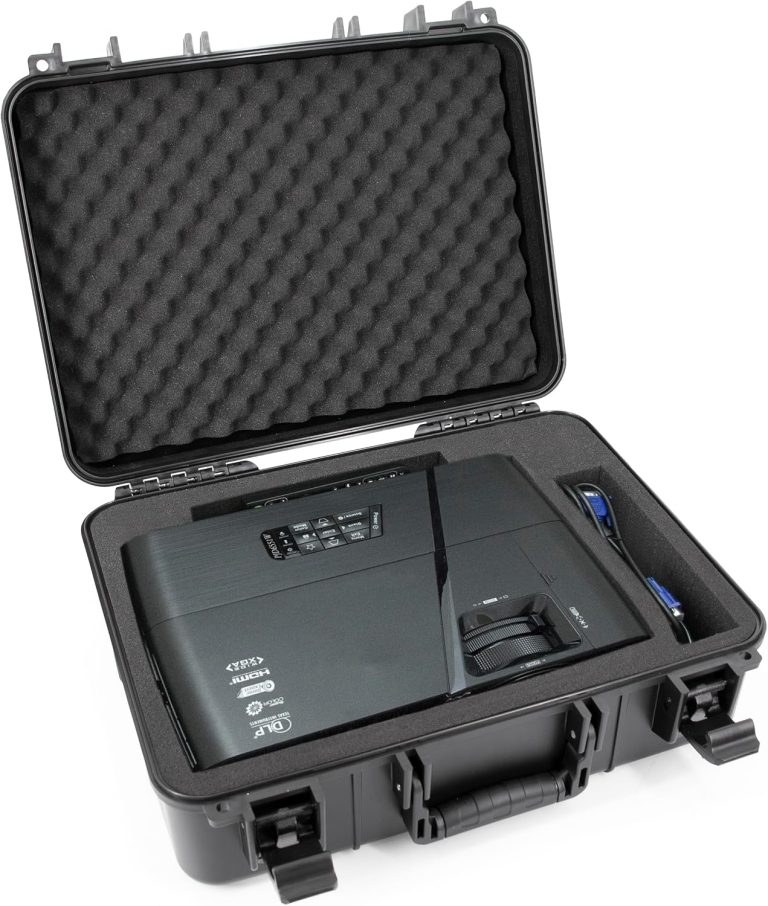
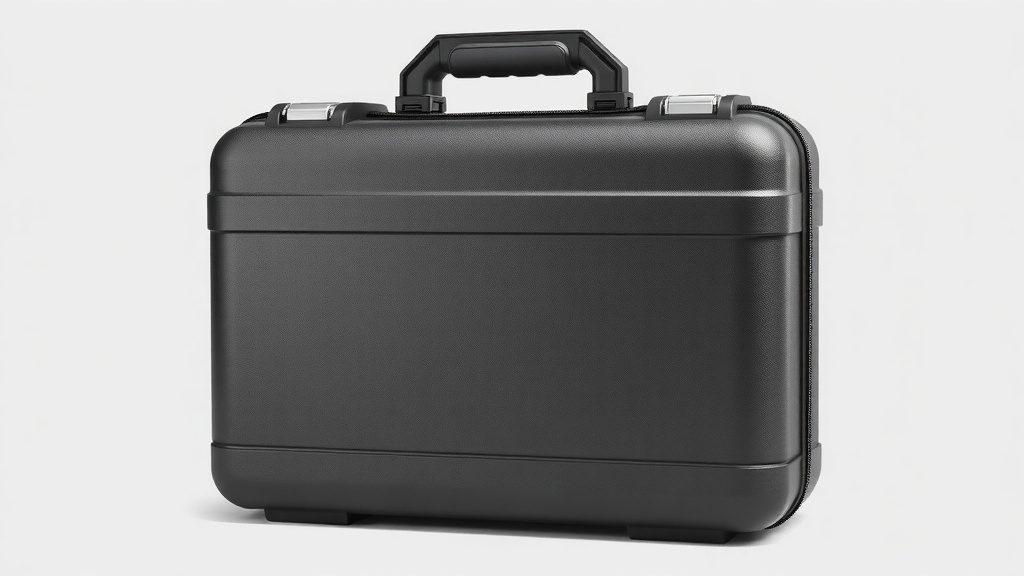
Hard cases offer the best defense against serious impacts. They are rigid on the outside, usually made from ABS plastic or aluminum. If your projector travels in checked luggage or gets stacked under other gear, a hard case is your best friend.
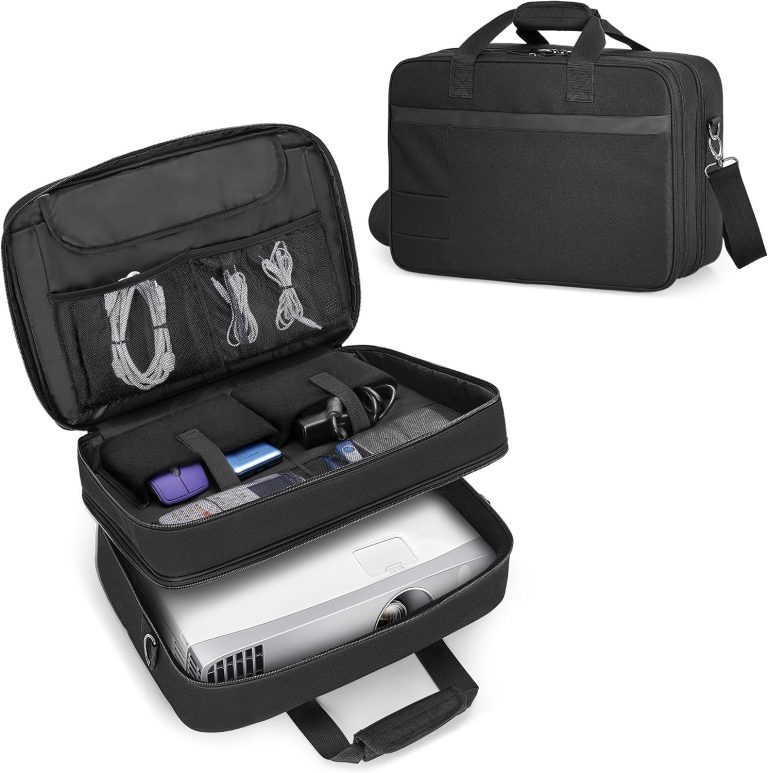
Soft cases are lighter and easier to stuff into tight spaces. They rely on thick foam padding to absorb shocks. Many experts say soft cases are perfect for daily commutes where you control the handling the whole time.
We found that many people keep both types at home. One for big trips and one for quick moves between rooms.
When You Need a Hard Case
Choose a hard case if you fly often. Checked baggage goes through rough conveyor systems. A hard shell with latches protects against drops and crushing weight from other bags. If security is a concern, our guide to choosing a lockable projector case covers the options.
Hard cases also win for long-term storage. They keep dust and moisture out better than fabric options. If you store your projector in a garage or basement, hard shells are the safer choice.
When a Soft Case Makes More Sense
Soft cases shine for everyday use. You can toss them over your shoulder and keep your hands free for coffee and keys. They are also easier to squeeze into overhead bins on small regional planes.
For teachers who move between classrooms, a soft case with a shoulder strap feels much lighter at the end of the day. You get enough padding for bumps without the bulk of a rigid shell.
Key Features to Check Before You Buy
Not all projector carry cases are created equal. We broke down the features that actually matter for long-term protection and daily convenience. Focus on these basics, and you will not end up with a paperweight that just looks like a bag.
Padding Thickness and Material Quality
Look for at least 10mm of foam padding on all sides. Some cheaper cases use thin foam that crushes down to almost nothing after a few weeks. High-density EVA foam holds its shape and absorbs impact much better.
Check the interior lining too. A soft, non-scratch material like velour or microfiber prevents surface scratches on your lens and body. You do not want a rough interior that rubs off the finish over time.
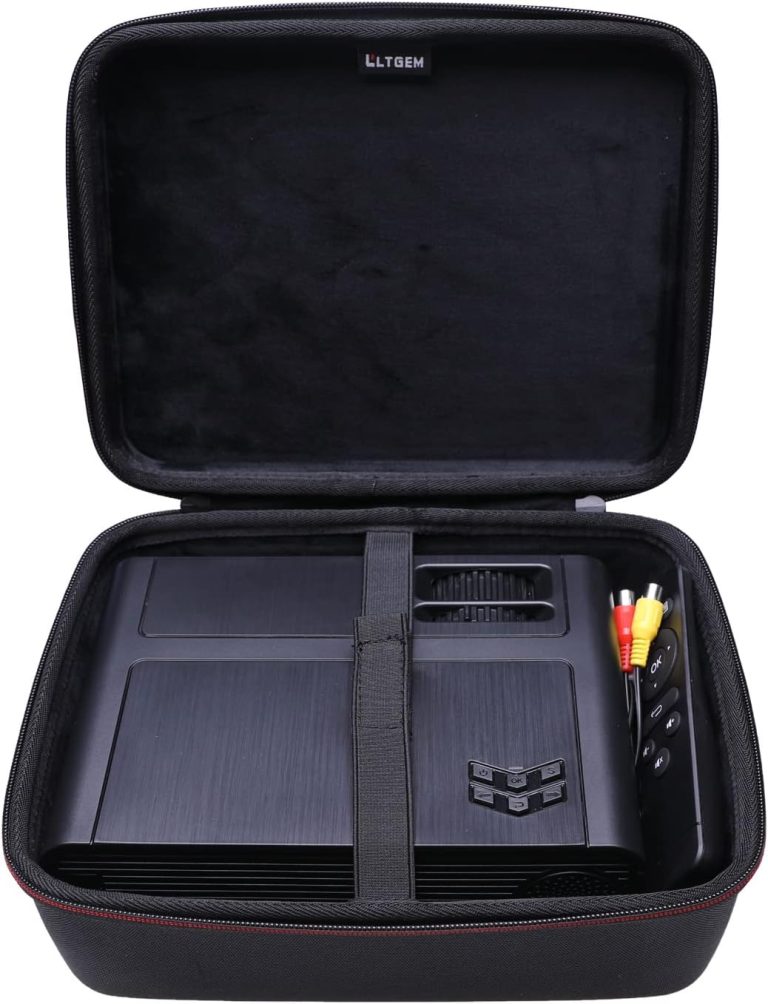
We found that cases with padded dividers are worth the extra few dollars. They keep cables and remotes from pressing against the projector body.
Handle Design and Stitching Quality
The handle is the most stressed part of any carry case. Look for reinforced stitching and thick webbing material. Double-stitched seams with bar tacking at stress points last much longer than single rows of thread.
Test the handle comfort before you commit. A padded handle with a rubber grip feels better when you are walking long distances with a heavier projector. Thin nylon straps dig into your palm after a few minutes.
Many guidelines point to metal rivets or reinforced anchor points as signs of a durable handle (Consumer Reports). These small details make a big difference in the long run.
Matching the Case to Your Projector Model
Your projector’s weight and dimensions drive the decision more than anything else. A compact pico projector needs a tiny pouch, while a large home theater unit demands a rolling cart case. Know your specs before you start browsing.
Compact and Pico Projectors
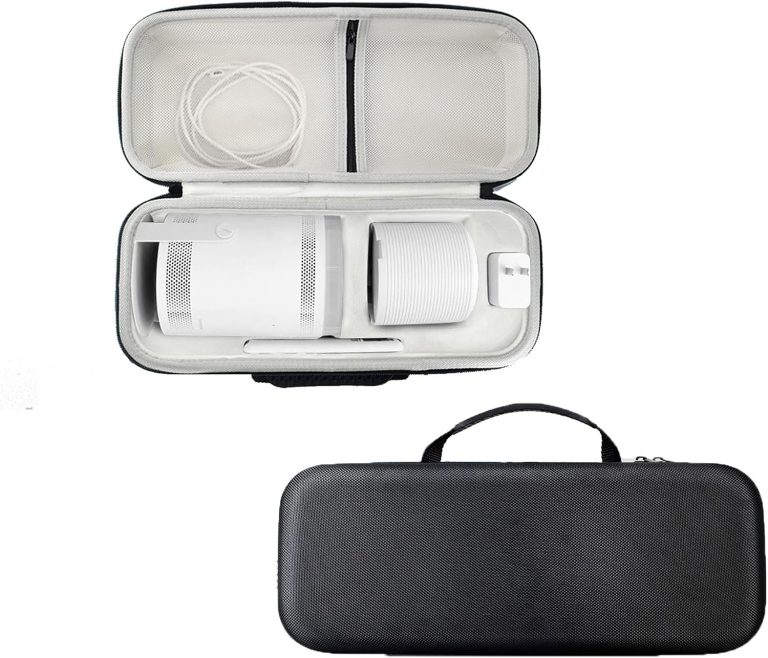
These little projectors are great for traveling sales pitches and camping trips. They weigh under two pounds and fit in small padded pouches. A simple case with a wrist loop and a small pocket for the power brick is all you need.
We found that many people skip cases for pico projectors and just toss them in a laptop bag. Do not do that. A dedicated sleeve protects the lens and ports from scratches caused by loose change and pens.
Standard Home and Office Projectors
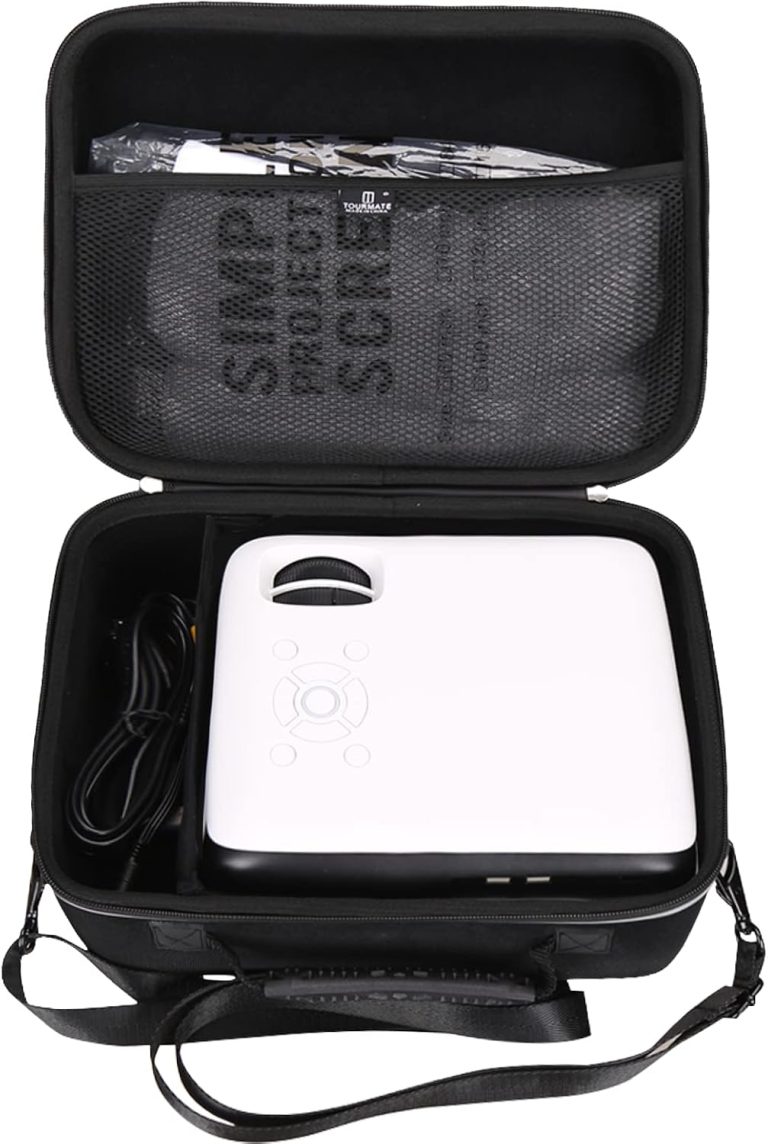
This is the most common category, ranging from 2 to 8 pounds. You need a proper shoulder bag with compartments. Look for a case with a dedicated padded compartment for the projector and separate pockets for HDMI cables and remotes.
Many cases in this size range include a shoulder strap plus a top handle. That gives you flexibility depending on how much gear you are carrying that day.
Large Home Theater and Installation Projectors
These heavy units weigh 10 pounds or more. They need hard cases with wheels or at least very strong handles. Rolling cases save your back when moving between venues.
Check the load rating on the handle for these big units. A handle rated for 30 pounds gives you a safety margin even if the case flexes during transit.
Extra Compartments and Storage Solutions
Your projector needs friends. Cables, adapters, remote controls, and spare HDMI cords all need safe homes. A case with thoughtful storage keeps you from hunting through your pockets for that one missing adapter.
Cable Pockets and Zippered Pouches
Look for internal zippered mesh pockets. They let you see what is inside without digging around blindly. Elastic loops inside the lid keep cables wrapped and tangle-free.
We found that side pockets are perfect for quick-access items like batteries or a mini screwdriver. Just make sure they close securely so small items do not fall out when you swing the bag.
Shoulder Straps and Lanyards
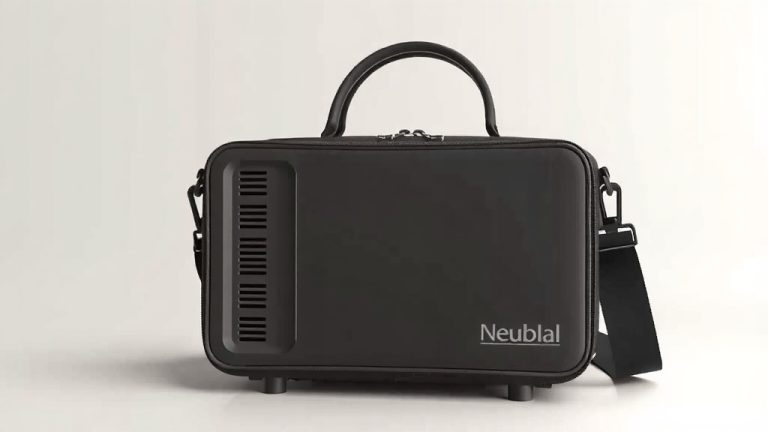
A detachable shoulder strap adds serious flexibility. You can carry the case by hand for short trips and sling it over your shoulder for longer walks. Look for a strap with a non-slip pad so it stays put on your shoulder.
Some cases come with luggage pass-through straps. These let you slide the case over the handle of your rolling suitcase. This is a huge win for airport travel because it frees up your hands.
Water Resistance and Weather Protection
You never plan to drop your projector in the rain, but it happens. Water-resistant materials add a layer of safety without much extra cost or weight. Look for coated nylon or polyester fabric with taped seams.
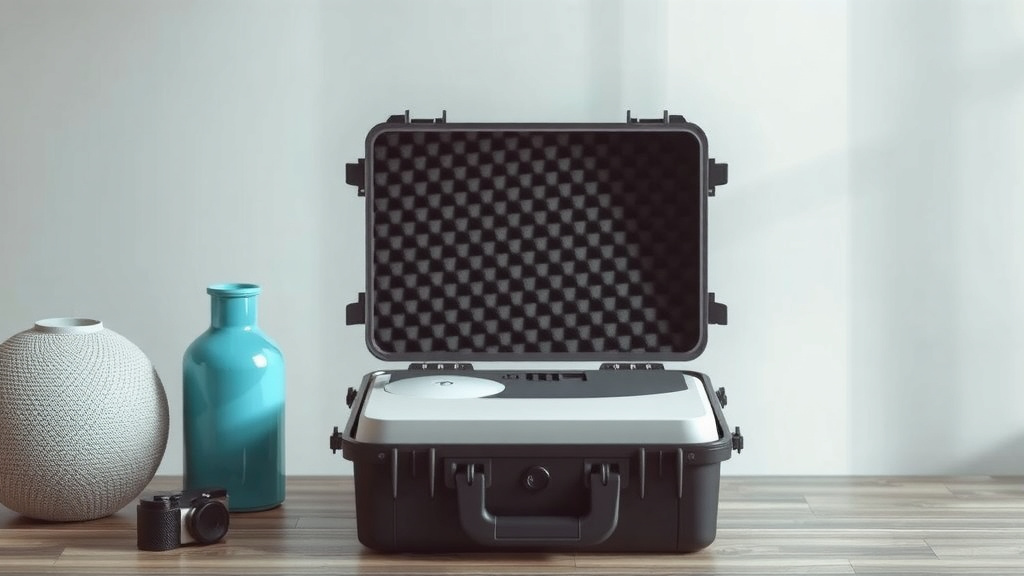
For serious weather protection, some hard cases include rubber gaskets in the clamshell design. These create a nearly waterproof seal. If you work outdoors or travel through heavy rain zones, this is a smart upgrade.
Research and found that most projectors are not waterproof at all (Manufacturer guidelines). Keeping moisture out of the case is the only barrier between your electronics and a costly repair bill.
Price Ranges and Getting the Best Value
You can spend anywhere from $15 to over $100 on a projector case. The sweet spot for most people sits between $30 and $60. In this range, you get quality zippers, thick padding, and reliable handles.
| Price Range | What You Get | Best For |
|---|---|---|
| Under $20 | Thin foam, basic zipper, simple handle | Very light pico projectors, occasional use |
| $20-$50 | 10mm+ padding, multiple pockets, comfy strap | Most standard projectors, weekly commutes |
| $50-$100+ | Hard shells, waterproof seals, rolling wheels | Heavy projectors, frequent flights, pro use |
Spending a little extra on a mid-range case is worth it. We found that cheap cases often fail at the handle or zipper within six months. That means a second purchase plus the risk of your projector dropping on the pavement.
You also want to think about resale value. A premium case keeps your projector in better condition, which helps if you ever decide to sell it and upgrade to a newer model.
Simple Tips to Extend the Life of Your Case
Your case works hard for you. A little care goes a long way for keeping it functional for years. These are the habits we recommend to anyone who wants to avoid surprise failures.
- Clean out dust and debris inside the case every month using a dry microfiber cloth.
- Check the handle stitching every few weeks for loose threads or fraying.
- Test the zippers regularly and apply a bit of dry silicone lubricant if they stick.
- Do not overstuff the case with cables beyond its intended capacity.
- Store the case open and empty between uses to let any trapped moisture evaporate.
- Keep the case away from direct heat sources like radiators or car trunks in summer.
How to Measure Your Projector Before Ordering
Getting the dimensions right is the single most important step. Grab a measuring tape and write down the length, width, and height of your projector. Do not forget to include any protruding feet or knobs that stick out.
Add a small buffer of about 0.5 to 1 inch in each direction. This gives room for the foam padding to compress slightly without leaving the projector loose. If the case is too large, your projector will slide around and absorb unnecessary shocks.
Check the product listing for internal dimensions, not just outer measurements. A case that is 15 inches externally might only have 13 inches of usable interior space due to thick foam walls.
When you are between two sizes, always choose the smaller one that still fits. A snug case provides better protection because the foam can press firmly against the device body. That keeps everything locked in place during any movement.
Conclusion
Your projector is only as safe as the case you carry it in. You need a snug fit, solid padding, and a handle that will not quit. We found that hard shells protect better for travel, while soft cases offer lighter daily convenience. Matching those choices to your projector’s size and weight prevents most damage before it happens.
Take a few minutes to measure your projector and check the handle stitching before you order. That small step saves you from buying twice. Pick a case in the $30 to $60 range for the best balance of quality and price. Your gear works hard for you, so give it the protection it deserves.
Frequently Asked Questions
Can I use a camera bag instead of a projector carry case?
You can, but it is not ideal. Camera bags have dividers that may not hold your projector securely. The padding is often thinner, and the compartments rarely fit a projector body comfortably. A dedicated projector case gives you the right shape and protection for your specific device.
How do I clean my projector carry case?
Use a dry microfiber cloth to wipe down the exterior and interior. For stubborn stains, dampen the cloth with mild soap and water, but avoid soaking the fabric. Let the case air dry completely before storing your projector inside it.
Will a hard case fit in an overhead bin on a plane?
Most hard cases for standard projectors fit in overhead bins. Check the airline’s carry-on size limits, which are usually around 22 x 14 x 9 inches. For larger projectors, you may need to check the case or choose a soft option that compresses more easily.
What should I do with the power cord and cables?
Wrap each cable loosely and place them in the side pockets or mesh compartments. Never coil cables tightly around the projector body. Research and found that loose wraps prevent kinks and keep pressure off the ports during transit.
Is it worth buying a case with wheels?
Wheels are worth it if your projector weighs more than 10 pounds. Rolling the case saves your back and shoulders during long walks through airports or hallways. For lighter projectors, a simple handle and shoulder strap give you enough flexibility without the extra bulk.