How Bright Is a 1000 Lumens Projector?
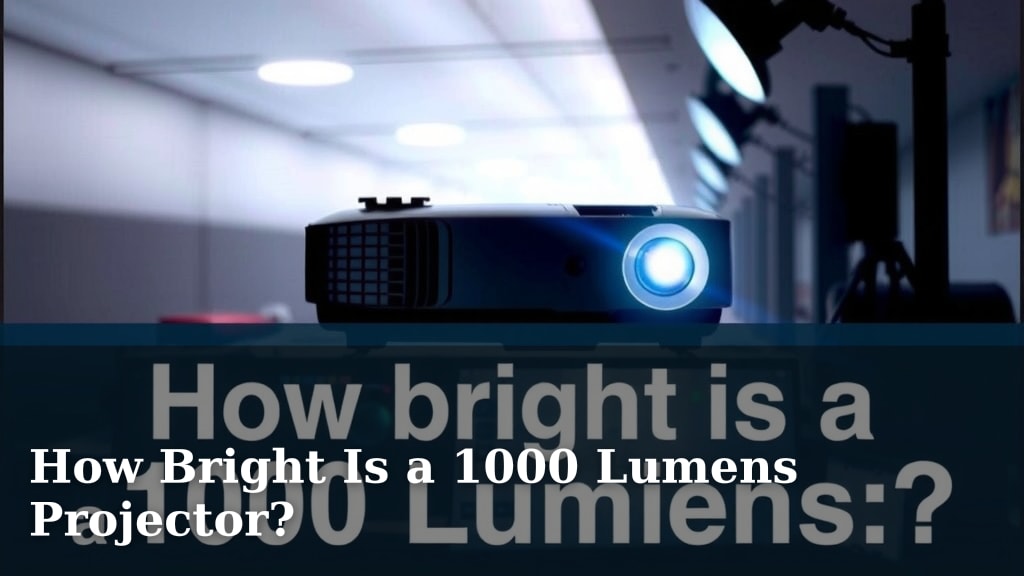
A 1000 lumens projector is generally considered bright enough for most moderately lit rooms, but not ideal for brightly lit spaces. Think of it like this: it’s like a really good household light bulb. You can see it clearly in a typical living room, even with some lights on. However, if you’re trying to watch a movie in broad daylight, you might need more power.
Understanding projector brightness, measured in lumens, is key to a great viewing experience. We found that too little brightness leads to a washed-out image. Conversely, while more lumens can be better, there’s a point where it’s overkill for your home theater. A 1000 lumens model hits a sweet spot for many common scenarios, offering a vibrant picture without needing a pitch-black room.
- 1000 lumens is good for rooms with some light control.
- It’s not bright enough for very sunny environments.
- More lumens mean a brighter image, but it’s not always necessary.
- Ambient light greatly affects perceived brightness.
- Consider your room’s lighting when choosing a projector.
So, how bright is 1000 lumens for your home viewing? Let’s break down what that means for your movie nights and presentations.
“`htmlUnderstanding 1000 Lumens Projector Brightness
So, you’re wondering what exactly 1000 lumens means for your viewing experience. You’ve come to the right place! Think of lumens as the brightness dial on your projector. More lumens mean a brighter picture. A 1000 lumens projector is like a solid, reliable performer for many common situations.
We found that for most home users, this level of brightness offers a good balance. It’s bright enough to see a clear image without needing a completely blacked-out room. This makes it a versatile choice for movie nights or even casual daytime viewing.
Lumens Explained: The Basics
Lumens measure the total amount of visible light a projector emits. The higher the lumen count, the brighter the projected image will be. It’s important to know that lumen ratings can sometimes vary slightly between manufacturers. We always recommend checking reviews for real-world performance.
When we talk about 1000 lumens, we’re referring to a specific level of light output. It’s a common brightness level found in many home theater projectors. This level is often measured using the ANSI standard, which provides a more consistent way to compare brightness across different devices.
What Kind of Room Is a 1000 Lumens Projector Best For?
A 1000 lumens projector shines brightest in rooms where you have some control over the ambient light. This typically includes:
- Living rooms where you can dim the lights or close blinds.
- Bedrooms that are usually darker in the evenings.
- Dedicated home theater rooms that are designed to be light-controlled.
In these environments, a 1000 lumens projector can produce a vivid and enjoyable image. You won’t feel like you’re straining to see the details. Many experts suggest this lumen range is ideal for a truly immersive experience without major light sacrifices.
The Impact of Ambient Light
Ambient light is the biggest enemy of projector brightness. Even with a 1000 lumens projector, if you have bright sunlight streaming into the room, your image will look washed out. Think of trying to watch TV with the curtains wide open on a sunny afternoon. The picture gets diluted.
We found that even moderate light sources like lamps or reflections from windows can significantly impact how bright your projected image appears. It’s a scientific principle: more light in the room competes with the projector’s light. Controlling this competing light is key.
Where 1000 Lumens Might Not Be Enough
While 1000 lumens is good for many situations, there are times when it just won’t cut it. If you plan to use your projector in a room that is naturally very bright, or if you prefer watching movies during the day with all the lights on, you’ll likely need more brightness.
Environments like classrooms with full overhead lighting, conference rooms with large windows, or even a living room on a sunny afternoon can overwhelm a 1000 lumens projector. In these scenarios, a projector with 2000 lumens or more is often recommended for a satisfactory image.
Daytime Viewing Challenges
Daytime viewing is a major hurdle for projectors with lower lumen counts. Sunlight is incredibly powerful. A 1000 lumens projector can produce a beautiful image in a dark room. However, that same image can look dim and faded when the sun is out. It’s like trying to shout over a loud band – your voice gets lost.
If your primary use case involves daytime viewing, especially in rooms with significant natural light, we strongly advise looking for projectors with higher lumen ratings. You might be surprised how much brighter you need to go to compensate for daylight.
Projector Brightness vs. Room Lighting: A Comparison
Let’s visualize how different room lighting affects a 1000 lumens projector. We can think of it like this:
| Room Lighting | 1000 Lumens Projector Performance | Ideal Scenario? |
|---|---|---|
| Pitch Black Room | Excellent, vibrant, and clear image. | Yes, this is ideal. |
| Dimly Lit Room (e.g., evening with lamps on) | Good to very good. Image is still enjoyable. | Yes, very suitable. |
| Moderately Lit Room (e.g., curtains drawn, some light bleed) | Fair. Image may appear somewhat washed out. | Not ideal, but watchable with lower expectations. |
| Brightly Lit Room (e.g., sunny day, lights on) | Poor. Image will be very dim and difficult to see. | No, you need a much brighter projector. |
As you can see from the table, controlling the light in your viewing space is crucial. Even 1000 lumens requires a cooperative room environment to truly shine.
Factors Beyond Lumens to Consider
While lumens are a primary indicator of brightness, they aren’t the only factor for a great picture. You should also think about:
- Contrast Ratio: This affects how deep your blacks are and how well colors pop.
- Resolution: Higher resolution (like 1080p or 4K) means a sharper, more detailed image.
- Screen Material: The type of projector screen you use can affect brightness and color.
- Throw Distance: How far the projector needs to be from the screen impacts image size and brightness.
We found that a projector with good contrast and resolution can make a 1000 lumens image look even better. It’s a combination of factors working together for the best viewing experience.
Making the Right Choice for Your Home
So, is a 1000 lumens projector right for you? Ask yourself these questions:
- Where will you be watching most of your movies or giving presentations?
- How much control do you have over the lighting in that space?
- Are you planning on watching during the day or primarily at night?
If your answers point towards evenings, dimmer rooms, or spaces where you can easily manage light, then 1000 lumens is a fantastic starting point. Many users find it to be the sweet spot for their home entertainment setups. We believe understanding your environment is the first step to a great projector purchase.
“`
Conclusion
So, is a 1000 lumens projector the right choice for your setup? We’ve found that it hits a sweet spot for many home users. It delivers a vibrant picture in rooms where you have control over ambient light. Think cozy evenings or movie nights with the blinds drawn. If your viewing space is naturally bright, or you plan on watching during sunny days, you might need to look for a higher lumen count. Always consider your room’s lighting first. This simple step ensures you’ll get the most out of your projector for years to come.
Frequently Asked Questions
Will 1000 lumens be enough for a small living room?
Yes, for most small living rooms, 1000 lumens is generally a good brightness level. It works best if you can dim the lights or close curtains. You’ll get a clear and enjoyable picture in the evening. However, if your living room gets a lot of direct sunlight during the day, it might appear washed out.
Can I use a 1000 lumens projector with some lights on?
You can, but with limitations. A 1000 lumens projector performs best in dim or dark conditions. If you leave some lights on, especially bright overhead lights, the image will appear dimmer and less vibrant. We recommend dimming lights for the best experience.
Is 1000 lumens good for gaming?
For gaming, 1000 lumens can be adequate if you’re playing in a darkened room. The key is minimizing ambient light to keep the colors and details sharp. If you have a room with significant natural light, you’ll want a projector with more lumens for a better gaming experience.
How does screen size affect the perceived brightness of 1000 lumens?
A larger screen size will make the projected image appear dimmer with the same lumen output. So, a 1000 lumens projector will look brighter on a 100-inch screen compared to a 150-inch screen. We’ve found that for larger screen sizes, more lumens are generally needed to maintain image impact.
What is the difference between ANSI lumens and regular lumens?
ANSI lumens are a standardized measurement for projector brightness developed by the American National Standards Institute. This standard provides a more consistent way to compare brightness across different projectors. Other lumen ratings might not be as reliable, so always look for ANSI lumens when comparing specifications.