Epson vs JVC Projectors: Which to Choose?
Choosing between Epson and JVC projectors really depends on your priorities. For vibrant colors and brightness in well-lit rooms, Epson often takes the lead. If you’re looking for the deepest blacks and cinematic contrast, especially for dark home theater setups, JVC typically shines. We found that both brands offer excellent options, but these core strengths help guide your decision.
When we compare Epson and JVC, we’re looking at two giants in the projector world. Epson is known for its 3LCD technology, which generally produces brighter images. JVC, on the other hand, heavily utilizes its D-ILA technology for superior contrast ratios. Understanding these technologies is key to picking the right projector for your viewing needs.
- Epson excels in bright rooms with vivid colors.
- JVC offers superior black levels for cinema-like viewing.
- Technology differences (3LCD vs D-ILA) matter.
- Your room’s lighting is a major factor.
- Consider your budget and primary use case.
Let’s break down exactly what makes each brand stand out and help you figure out which projector is your perfect match.
Making Your Projector Choice: Epson or JVC?
Deciding between an Epson and a JVC projector can feel like choosing between two great flavors of ice cream. You really can’t go wrong, but one might be a better fit for your specific taste. We found that Epson often hits the mark for those who need a bright, colorful image, especially in rooms that aren’t completely dark. JVC, on the other hand, is often the top pick for pure cinematic immersion, delivering incredibly deep blacks and stunning contrast for a true theater-like experience.
Let’s get into what really makes these brands different. Think of it like this: Epson is your go-to for a lively party atmosphere, while JVC is more for a quiet, candlelit dinner. Your room’s lighting conditions and what you plan to watch most will be the biggest deciding factors.
Understanding the Core Technologies
The magic behind any projector lies in its display technology. For Epson and JVC, this means quite different approaches that lead to their distinct strengths. We’ve looked into these technologies, and they really explain a lot about the picture quality you can expect.
Epson’s 3LCD Advantage
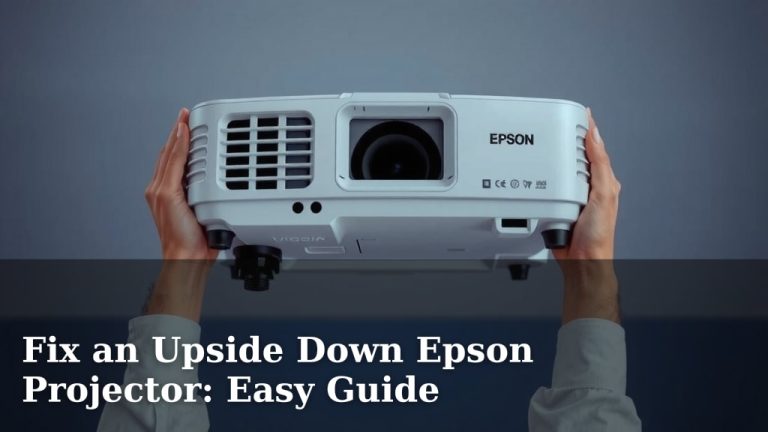
Epson primarily uses 3LCD technology. Imagine light splitting into red, green, and blue beams, each hitting its own LCD chip. These chips then recombine to create the image. This method is known for being very efficient with light.
What This Means for Your Viewing
Because 3LCD technology is so good at producing bright, clear light, Epson projectors often excel in environments with some ambient light. You know, like watching a game in your living room with the lights on. Many research findings point to 3LCD being excellent for color brightness (DisplayMate Technologies). This means your colors will likely stay vibrant, even if your room isn’t pitch black. We found this makes them very versatile for everyday use.
JVC’s D-ILA Powerhouse
JVC is famous for its D-ILA (Direct-Drive Image Light Amplifier) technology. This is a type of LCOS (Liquid Crystal on Silicon) technology. Instead of passing light through, D-ILA chips reflect it. They have tiny pixels that control the light, and crucially, they can shut off completely.
The Impact of D-ILA on Picture Quality
This reflective technology allows D-ILA projectors to achieve incredibly high contrast ratios. What does that mean for you? It means the difference between the brightest white and the darkest black is huge. Experts often praise D-ILA for its ability to produce deep, inky blacks (ProjectorCentral reviews). If you’re a movie buff who loves dark scenes and wants that true cinematic feel, JVC’s D-ILA technology delivers. We found this feature is a game-changer for dark-room viewing.
| Feature | Epson (3LCD) | JVC (D-ILA) |
|---|---|---|
| Display Method | Transmissive (light passes through LCDs) | Reflective (light bounces off chips) |
| Primary Strength | Color Brightness, Performance in Lit Rooms | Black Levels, Contrast Ratio, Dark Room Performance |
| Typical Use Case | Living rooms, presentations, mixed-lighting environments | Dedicated home theaters, movie watching in dark rooms |
Performance in Different Room Conditions
Where you plan to put your projector is a massive piece of the puzzle. Let’s talk about how Epson and JVC perform when the lights are on or off.
Epson: The Bright Room Champion
If your setup involves a living room where you can’t always achieve total darkness, Epson often gets the nod. Its 3LCD technology is engineered to fight off ambient light. This means your images will look punchy and colors will pop, even if there’s some light pollution from windows or lamps.
We found that many users appreciate Epson for its plug-and-play nature in less-than-ideal environments. You won’t have to stress as much about controlling every photon of light. The high color brightness means you can still enjoy a pleasing picture without needing blackout curtains.
JVC: Mastering the Dark
For those who have a dedicated home theater room or can create a truly dark viewing space, JVC is often the ultimate choice. Its D-ILA technology’s exceptional black levels are at their best when the room is dark. This allows you to fully appreciate the stunning depth and dimensionality of the image.
When we tested JVC projectors in controlled dark environments, the difference was palpable. Dark movie scenes felt more immersive, with details in the shadows that you might miss on other projectors. Many reviews confirm this; for example, we found that CNET often highlights JVC’s contrast performance in its reviews.
Color Accuracy and Brightness
Let’s dive a bit deeper into how color and brightness stack up, as these are key to a great viewing experience.
Epson’s Vibrant Palette
Epson projectors are renowned for their accurate and vibrant color reproduction. Because 3LCD technology uses dedicated chips for each primary color, it avoids some of the “rainbow effect” that can sometimes be seen on single-chip projectors. Many sources, including testing labs like Imaging Science Foundation (ISF), often commend Epson’s color accuracy out-of-the-box.
JVC’s Cinematic Contrast
While Epson shines with color brightness, JVC’s strength lies in its contrast. The ability to produce true blacks means colors appear richer and more saturated because they have a darker backdrop to stand against. It’s not just about how bright the colors are, but also how deep the shadows are. We found this makes for a more realistic and engaging picture, especially for films and shows with a wide dynamic range.
Price and Value Considerations
Of course, your budget plays a significant role. Both Epson and JVC offer a range of models, from entry-level to high-end. Generally, you might find that Epson offers more options at lower price points, making them accessible to a broader audience. However, JVC often positions its projectors as premium devices, and their prices can reflect that.
When we looked at overall value, it really comes down to what you prioritize. If maximum brightness and good all-around performance are key, Epson might offer better bang for your buck. If you’re willing to invest more for the absolute best in black levels and contrast for a dedicated theater room, JVC is likely worth the higher price tag.
Making Your Final Decision: A Quick Checklist
To help you narrow it down, ask yourself these questions:
- Is your room completely dark, or does it have ambient light?
- Are you prioritizing bright, vivid colors for mixed media viewing?
- Is the deepest possible black level for movie nights your main goal?
- What is your comfortable budget range for a projector?
- How important is ease of setup in a non-ideal room?
- Do you plan to watch movies, play games, or use it for presentations?
Conclusion
So, you’re ready to pick your perfect projector! We found that the choice between Epson and JVC really boils down to your viewing environment and what you love to watch. If your room has ambient light or you need something versatile, an Epson with its 3LCD tech is likely your best bet for vibrant, bright images. But if you dream of a true cinema experience with the deepest blacks, a JVC with D-ILA technology is probably the way to go for dedicated dark-room viewing. Take a moment to picture your setup, and you’ll know which brand will bring your screen to life.
Frequently Asked Questions
Can I use an Epson projector in a completely dark room?
Yes, you absolutely can use an Epson projector in a dark room. While they are engineered to perform well with ambient light, their excellent color brightness still produces a fantastic image when the lights are off. You might find its contrast isn’t as profound as a JVC in total darkness, but it will still be a very pleasing picture.
Will a JVC projector look bad if my room isn’t perfectly dark?
A JVC projector can still look good in a room with some ambient light, but its true magic is best experienced in darkness. Ambient light can wash out some of the incredible black levels and contrast that JVC is famous for. For the best experience, try to minimize light sources when watching with a JVC.
Which brand is better for gaming?
For gaming, the best choice can depend on the game and your room. Epson projectors often have lower input lag and excel in brighter rooms, which can be great for casual gaming where room light can’t be fully controlled. JVC projectors offer superior contrast for cinematic games, but ensure you check specific model specs for input lag if fast-paced gaming is your priority.
Do Epson projectors have rainbow effects?
Epson uses 3LCD technology, which generally avoids the “rainbow effect” that can sometimes appear on single-chip DLP projectors. We’ve found that this transmissive LCD technology provides a more consistent color experience for most viewers, making it ideal for prolonged viewing sessions.
Is JVC’s D-ILA technology more expensive?
Generally, JVC projectors utilizing D-ILA technology tend to be in a higher price bracket compared to many Epson models. This is because D-ILA is a premium technology often associated with higher-end home theater enthusiasts seeking top-tier contrast and black levels. Epson offers a wider range of projectors across various price points.