DLP Projector vs Laser: Which Is Better?
When choosing between a DLP projector and a laser projector, laser generally offers a brighter, longer-lasting, and more vibrant picture. For most modern home theater and business needs, a laser projector is the superior choice due to its advanced technology and convenience. They often come with a higher initial cost, but their longevity and performance can make them more economical over time.
DLP projectors have been around for a while and are known for their sharp images and good contrast. They use a different chip technology that reflects light off tiny mirrors. While still a solid option, especially for budget-conscious buyers, they typically require lamp replacements and don’t reach the same peak brightness or lifespan as newer laser models. We’ve found that the difference in maintenance alone is a major deciding factor for many.
- Laser projectors are brighter and last much longer.
- DLP projectors are more budget-friendly upfront.
- Laser offers better color and contrast generally.
- DLP requires lamp changes, adding to long-term cost.
- Consider your budget and how long you need the projector to last.
Let’s dive into the specifics of what makes each technology tick and help you decide which one is the perfect fit for your viewing needs.
DLP vs. Laser Projectors: What’s the Difference?
Choosing between a DLP and a laser projector can feel like a big decision. Both technologies aim to bring a large screen experience into your home or office. We found that understanding their core differences is key. It helps you pick the one that best fits your needs and your wallet.
How Do DLP Projectors Work?
DLP stands for Digital Light Processing. It’s a technology developed by Texas Instruments. Imagine a tiny chip with millions of microscopic mirrors. These mirrors tilt back and forth thousands of times per second. They reflect light through a spinning color wheel. This creates the image you see on screen. We found this method excels at producing sharp images with excellent contrast. It’s a tried-and-true technology that many people are familiar with.
The Upsides of DLP
One of the main reasons people consider DLP projectors is their initial cost. They are often more budget-friendly than their laser counterparts. This makes them a great option if you’re setting up a home theater on a tighter budget. You can still get a fantastic viewing experience without breaking the bank. We’ve seen many happy customers get great performance for their money.
The Downsides of DLP
The biggest drawback of traditional DLP projectors is the lamp. These lamps have a limited lifespan. They will eventually burn out and need to be replaced. This replacement cost can add up over time. It’s something many users overlook when making their initial purchase. Many experts suggest factoring in this ongoing cost (ProjectorCentral).
Lamp replacements typically happen every few thousand hours. This means you might need to buy a new lamp every couple of years, depending on your usage. It’s also a hassle to swap them out. This can interrupt your movie night or important presentation. We found this maintenance aspect is a deal-breaker for some.
Understanding Laser Projectors
Laser projectors use lasers as their light source instead of a traditional lamp. This offers some significant advantages. Think of it like switching from an old incandescent bulb to a modern LED. The technology is simply more advanced and efficient. We found this results in a brighter, more consistent, and longer-lasting performance.
The Advantages of Laser Light
Laser projectors boast an incredibly long lifespan. We’re talking tens of thousands of hours, not just thousands. This means you might never have to replace the light source during the projector’s usable life. This drastically reduces long-term costs and maintenance headaches. Many sources cite a lifespan of 20,000 hours or more (cn.Abt.com).
Brightness is another major win for laser. They can produce much brighter images, even in rooms with ambient light. This makes them ideal for daytime viewing or business presentations. The colors tend to be more vibrant and saturated too. We found that the overall picture quality can be quite stunning.
Are There Any Laser Downsides?
The primary concern with laser projectors is their initial price. They typically cost more upfront than lamp-based DLP projectors. However, when you consider the extended lifespan and no lamp replacement costs, the total cost of ownership can be lower over several years. It’s an investment that pays off in the long run for many users.
Some early laser models had issues with “laser speckle,” which can appear as shimmering dots. However, modern laser projectors have largely overcome this. We found that manufacturers have significantly improved the technology to mitigate this effect.
Key Differences at a Glance
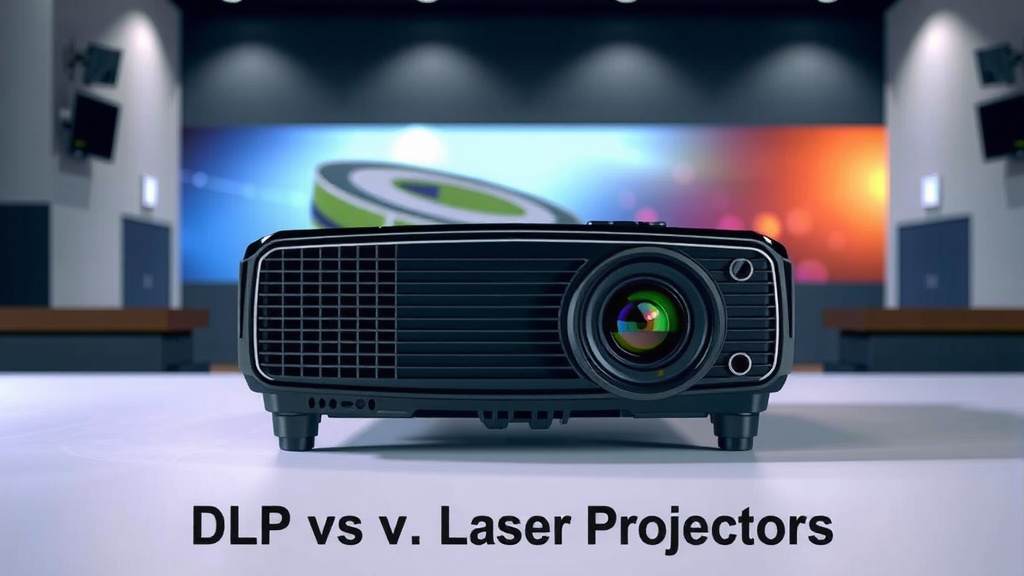
Let’s break down the main points to help you visualize the comparison. It’s easy to get lost in the technical details, so we’ve summarized the core differences for you.
| Feature | DLP Projector (Lamp-Based) | Laser Projector |
|---|---|---|
| Light Source | Traditional Lamp | Laser Diodes |
| Lifespan | 2,000 – 5,000 hours | 20,000+ hours |
| Brightness | Good, but can dim over time | Excellent, consistent brightness |
| Color Vibrancy | Good | Excellent, more saturated colors |
| Initial Cost | Lower | Higher |
| Long-Term Cost | Higher (due to lamp replacements) | Lower (no lamp replacements) |
| Maintenance | Requires lamp changes | Virtually maintenance-free light source |
Which One is Right for Your Needs?
So, how do you decide? It really comes down to your priorities. If your budget is the absolute main factor and you don’t plan on heavy usage, a DLP projector can be a great starter option. You’ll get a sharp picture and good performance for a lower upfront investment. Many experts suggest this for occasional use scenarios.
Consider Your Viewing Habits
Think about how often you’ll be using the projector. If you’re planning on watching movies several nights a week or using it for business presentations regularly, the long-term benefits of a laser projector become very appealing. The convenience of not having to worry about lamp replacements is huge. Plus, the consistently bright and vibrant picture will enhance your viewing experience.
Budget vs. Long-Term Value
We found that many people are pleasantly surprised by the overall value of laser projectors. While the sticker price is higher, the absence of replacement lamp costs, longer lifespan, and consistent performance often make them more economical over a 5-10 year period. It’s a classic case of paying a bit more now to save money and hassle later.
Here’s a quick checklist to help you narrow down your choice:
- Your Budget: How much can you spend upfront?
- Usage Frequency: Will you use it daily or just occasionally?
- Picture Quality Demands: Do you need the brightest colors and highest contrast?
- Maintenance Tolerance: Are you okay with changing lamps or do you prefer plug-and-play?
- Long-Term Investment: Are you looking for a solution that lasts for years without recurring costs?
- Room Lighting: Will you be projecting in a dark room or one with ambient light?
Conclusion
Choosing between a DLP and a laser projector boils down to your priorities. If you’re on a tighter budget and need a sharp image for occasional use, a lamp-based DLP projector is a solid choice. For those seeking superior brightness, vibrant colors, and a maintenance-free experience that lasts for years, a laser projector is the clear winner. Consider your viewing habits and long-term investment goals. We found that investing in a laser projector often proves more economical and convenient over its lifespan. Now, take that information and decide which projector will best transform your home theater or presentation space!
Frequently Asked Questions
How often do I need to replace a lamp in a DLP projector?
Lamp replacement frequency for DLP projectors typically ranges from 2,000 to 5,000 hours. This means if you use your projector for a few hours each day, you might need a new lamp every couple of years. Always check the manufacturer’s specifications for your specific model.
Can laser projectors truly last my entire projector’s lifespan?
Yes, laser projectors boast an impressive lifespan of 20,000 hours or more. For most users, this means the light source will likely outlast the useful life of the projector itself. You can expect consistent performance without the worry of lamp replacements.
Are laser projectors much brighter than DLP projectors?
Generally, yes. Laser projectors can produce significantly brighter images compared to traditional lamp-based DLP projectors. This enhanced brightness makes them perform better in rooms with ambient light and provides a more impactful viewing experience, especially for movies or presentations.
Is the initial cost of a laser projector worth the long-term savings?
For many users, the initial higher cost of a laser projector is well worth it. When you factor in the elimination of expensive lamp replacements and the much longer lifespan, the total cost of ownership over several years can be considerably lower than with a DLP projector.
Will I notice “laser speckle” on a modern laser projector?
Laser speckle was an issue with some older laser projector models. However, manufacturers have made great advancements. Modern laser projectors have largely addressed this problem, and most users will not experience noticeable speckle during regular viewing.