DLP vs LCoS Projector: Which to Choose?
Choosing between a DLP and LCoS projector depends on your priorities. For the brightest images with the best motion handling, especially in well-lit rooms, DLP projectors often win. However, if you want deeper blacks and a smoother, more cinematic look for darker rooms, an LCoS projector might be your perfect match.
Both technologies project images from tiny chips, but they do it differently. This difference leads to distinct advantages and disadvantages for each. We found that understanding these core differences is key to making the right choice for your home theater or presentation needs. Your viewing environment and budget are big factors.
- DLP is best for bright rooms and fast action.
- LCoS excels in dark rooms with its superior contrast.
- DLP can sometimes show a “rainbow effect.”
- LCoS generally offers a more natural, film-like image.
- Consider your room’s lighting and what you’ll watch.
Let’s break down the key differences between DLP and LCoS projectors to help you decide which technology will best suit your viewing setup.
Understanding Projector Technologies: DLP vs. LCoS
Choosing the right projector technology can feel like picking between two great movie genres. You want the best picture for your money. We found that understanding how DLP and LCoS work is your first step. Both have unique strengths. They create images in different ways. This leads to what you’ll see on your screen. Your viewing room and what you watch most matter a lot. Let’s dive into what makes each of them tick.
How DLP Projectors Work: A Symphony of Light and Mirrors
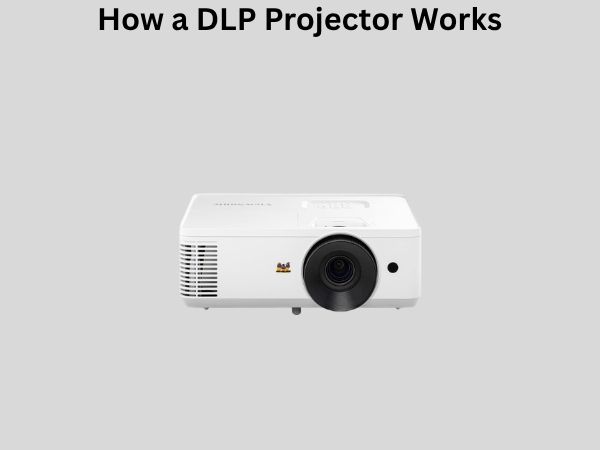
DLP stands for Digital Light Processing. It uses a special chip called a DMD (Digital Micromirror Device). Think of it as a tiny mirror for every pixel. These mirrors are super fast. They tilt thousands of times per second. This tilting directs light to the screen or away from it. It’s how DLP creates bright, sharp images.
The color wheel is another key part of DLP. It spins rapidly. It has segments of different colors, usually red, green, and blue. As the mirrors direct light through the spinning wheel, colors are projected very quickly, one after another. Your eyes blend these colors together. This is how you see a full-color image. We found this process is incredibly efficient.
DLP Strengths: Where Does It Shine?
DLP technology is known for its impressive brightness. This makes it a great choice for rooms with some ambient light. Even if you can’t make your room perfectly dark, a DLP projector can still deliver a punchy image. Many experts point to its ability to handle fast motion. This is thanks to the speed of the DMD chip and color wheel. You’ll notice less blur in action movies or sports.
You’ll also find DLP projectors can offer excellent contrast ratios. This means a good difference between the darkest blacks and brightest whites. This can make images pop. Many users appreciate the sharp, clean look DLP provides. It often feels very direct and clear. We found this clarity is a major draw for many.
Potential DLP Downsides: The “Rainbow Effect”
One thing some viewers notice with DLP is the “rainbow effect.” This happens when the fast-spinning color wheel causes brief flashes of color. You might see it in the corners of your vision. It looks like a fleeting rainbow. It’s more common with single-chip DLP projectors. This is where one DMD chip handles all colors. It’s not something everyone notices. Some people are more sensitive to it.
We found that many newer DLP projectors use improved color wheels or multiple chips to reduce this. Still, if you are particularly sensitive, it’s something to be aware of. It’s not a flaw in the technology itself. It’s more of a visual artifact for some. Research shows this effect varies greatly between models.
How LCoS Projectors Work: Liquid Crystal on Silicon
LCoS stands for Liquid Crystal on Silicon. This technology is a bit different. It uses a silicon chip that has liquid crystals on its surface. Think of it like tiny shutters for each pixel. These liquid crystals control how much light passes through. They are positioned between the silicon chip and a reflective surface.
Unlike DLP mirrors that tilt, LCoS pixels either block light or let it pass. This method is designed for high resolution and smooth images. It’s often described as more like traditional film projection. We found this leads to a very natural look on screen.
LCoS Strengths: The Cinematic Experience
LCoS projectors are celebrated for their superb black levels and contrast. Because the pixels act more like dimmers, they can achieve deeper blacks. This is fantastic for watching movies in a dark room. The scene details in dark areas will really stand out. Many enthusiasts prefer this for its cinematic feel. It can make you feel more immersed in the content.
Another benefit is a smoother, more natural image. You typically won’t see the pixel structure on screen with LCoS. This lack of a visible grid is a big plus. It contributes to that film-like quality. We found that for users prioritizing a true home theater experience, LCoS often fits the bill.
Potential LCoS Downsides: Brightness and Motion
One area where LCoS can sometimes lag behind DLP is in brightness. While advancements are always being made, LCoS projectors may not get as bright as their DLP counterparts. This means they perform best in rooms you can control the lighting in. In a very bright room, the image might appear washed out.
Also, while motion handling is good, it might not be as razor-sharp as top-tier DLP for extremely fast action. This is a subtle point, and for most viewing, it’s excellent. However, if you’re a gamer or watch a lot of sports where every millisecond counts, DLP might have a slight edge. We found that for general movie watching, LCoS excels.
Key Differences at a Glance
To help you see the differences clearly, let’s lay them out. Think about what matters most to you. Is it a bright room or a dark cave? Are you a sports fan or a cinephile?
| Feature | DLP Projector | LCoS Projector |
|---|---|---|
| Best for | Bright rooms, fast action, gaming | Dark rooms, cinematic viewing, contrast |
| Black Levels | Good to Very Good | Excellent to Superb |
| Motion Handling | Excellent | Very Good to Excellent |
| Brightness | Generally Higher | Generally Lower (but improving) |
| Potential Artifacts | Rainbow effect (for some) | Slightly less bright in ambient light |
| Image Smoothness | Very Good | Exceptional, film-like |
Making Your Final Decision: A Quick Checklist
Still pondering? Let’s summarize with a quick checklist to guide your choice:
- My room is: Bright / Moderately Lit / Very Dark
- I watch a lot of: Sports / Fast Action Movies / Dramas & Thrillers / General TV
- Image is most important: Brightness and Clarity / Deep Blacks and Smoothness
- Budget: Entry-level / Mid-range / High-end (both technologies have options across price points)
- Sensitivity to rainbow effect: Yes / No / Unsure
Considering these points will point you towards the technology that’s right for your setup. Research shows that user satisfaction is highest when the projector’s strengths match the viewing environment and intended use. You want a projector that works with your life, not against it.
Conclusion
So, you’ve learned how DLP and LCoS projectors create their magic. You know DLP excels in bright environments and for fast action, often offering impressive brightness. LCoS shines in darker rooms, delivering those deep blacks and a smooth, cinematic feel. We found that your specific needs—your room’s lighting, what you watch, and your sensitivity to visual artifacts—are the real deciders. Don’t guess; use the checklist provided and think about what matters most for your viewing pleasure. Your perfect projector awaits!
Frequently Asked Questions
Can I use a DLP projector in a bright room?
Yes, you generally can! DLP projectors are known for their brightness. This makes them a strong choice if you can’t make your viewing room perfectly dark. They can often overcome some ambient light for a punchy image.
Will I see the “rainbow effect” on every DLP projector?
Not necessarily. The rainbow effect is more common on single-chip DLP models. Many newer DLP projectors have advanced designs to minimize or eliminate it. Some people are also more sensitive to it than others.
Is LCoS better for watching movies than DLP?
For a true cinematic experience, many prefer LCoS. Its ability to produce deep blacks and smooth images mimics the look of traditional film. If you prioritize that immersive, dark-room movie theater feel, LCoS often wins.
Which type of projector is better for gaming?
DLP projectors often have a slight edge for gaming. Their excellent motion handling and quick response times mean less blur during fast-paced gameplay. This clarity can be a big advantage for gamers.
Can LCoS projectors be used in well-lit rooms?
While LCoS excels in dark rooms, advancements are making them more capable. However, they generally perform best when you have control over the room’s lighting. In very bright conditions, the image might appear less vibrant compared to DLP.