How a Movie Projector Works: The Complete Guide to Understanding Cinema’s Magic
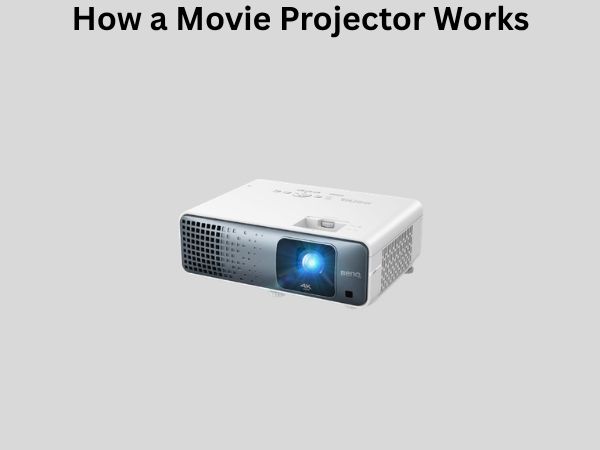
Have you ever wondered what happens behind the scenes when you settle into your favorite theater seat and the lights dim? There’s actually a fascinating piece of engineering working hard to deliver those stunning images on the big screen. A movie projector is essentially a sophisticated machine that takes digital or film-based content and magnifies it to display on a large surface, creating the immersive experience we all crave.
Think of a movie projector like a modern-day magic lantern. Instead of candlelight casting shadows, we’ve got advanced light sources, precision optics, and intelligent electronics all working in perfect harmony. The process might seem mysterious, but once you understand the basics, you’ll appreciate just how remarkable these devices really are.
Whether you’re a casual moviegoer, a home theater enthusiast, or simply curious about technology, understanding how projectors work will give you a deeper appreciation for the cinema experience. Let’s dive into the inner workings of these incredible machines.
The Basic Components of a Movie Projector
Before we explore the complex interactions that make projection possible, let’s break down the main components you’ll find in virtually every movie projector. Think of these as the essential ingredients in a recipe—each one plays a crucial role in the final product.
The Light Source: The Heart of the System
Every projector needs a powerful light source. This is what creates the illumination that will eventually form your image. Modern projectors typically use one of three types of light sources: xenon lamps, LED lights, or laser light sources. Each has its own advantages and limitations, but they all serve the same fundamental purpose—generating intense, focused light.
The Imaging Device: Creating the Picture
This is where the magic really starts to happen. The imaging device takes the incoming light and manipulates it to create the images you see on screen. In digital projectors, this is typically a Digital Micromirror Device (DMD) or a Liquid Crystal on Silicon (LCoS) chip. In film projectors, it’s the actual film itself.
The Lens System: Focusing and Magnifying
The lens is responsible for taking that shaped light and projecting it onto the screen at the correct size and focus. It’s similar to how a magnifying glass works, but far more sophisticated. Quality lenses are essential for sharp, clear images.
The Color Wheel or Filter System
To produce the full spectrum of colors we see in movies, projectors use different methods to separate and combine light wavelengths. This component is crucial for achieving realistic, vibrant color reproduction.
Understanding Light Sources in Detail
Xenon Lamps: The Traditional Choice
For decades, xenon lamps were the gold standard in movie theaters. These high-pressure gas-filled lamps produce incredibly bright, white light when electricity passes through them. The intensity is remarkable—xenon lamps in commercial projectors can produce tens of thousands of lumens of brightness.
However, xenon lamps have drawbacks. They consume significant power, generate substantial heat, and require regular replacement after around 2,000 hours of use. They’re also expensive, which is why you’ll primarily find them in professional cinema settings rather than home theaters.
LED Light Sources: The Modern Evolution
LED technology has revolutionized portable and home theater projectors. Light-emitting diodes are more energy-efficient than xenon lamps, produce less heat, and last significantly longer—often 20,000 hours or more. This makes them ideal for environments where cost-effectiveness and reliability matter.
The trade-off? LED projectors typically don’t achieve quite the same brightness levels as xenon systems, making them better suited for darker environments. But the gap continues to narrow as technology improves.
Laser Light Sources: The Cutting Edge
Laser projectors represent the newest frontier in projection technology. They offer exceptional brightness, color accuracy, and efficiency. Lasers produce coherent light that can be precisely controlled and directed, allowing for superior image quality and energy efficiency.
The downside? Laser projectors are currently the most expensive option. However, as the technology matures and production scales up, we’re likely to see prices decrease and adoption increase.
The Lens System Explained: Focusing Your Vision
The lens might seem like a simple component, but it’s actually a marvel of optical engineering. A projector lens contains multiple glass elements precisely positioned and shaped to bend light rays in specific ways.
How Lens Elements Work Together
Imagine trying to take light rays traveling in slightly different directions and bend them all to converge at the same point. That’s essentially what a projector lens does. Different elements within the lens handle different aspects of this task—some focus the light, others correct for distortions, and others optimize for specific wavelengths.
Focal Length and Throw Distance
The focal length of a lens determines how the image size relates to the distance from the projector to the screen. This is why some projectors can be placed close to a screen while others need to be several feet away. A short-throw projector has a shorter focal length and can fill a large screen from just a few feet away, while a standard projector might need to be twenty feet back.
Image Quality and Lens Quality
Premium lenses deliver sharper, more detailed images with better edge clarity and fewer aberrations. This is why high-end projectors invest heavily in lens technology. A mediocre lens can undermine even the best imaging device.
How Images Get Created: The Imaging Device
Digital Micromirror Devices (DMD)
DMD chips are absolute marvels of engineering. Imagine millions of tiny mirrors—we’re talking about microscopic dimensions—arranged in a grid on a semiconductor chip. Each mirror can rotate thousands of times per second to reflect light either toward the lens or away from it.
How does this create images? Here’s the clever part: by rapidly switching millions of these mirrors on and off, and by using a color wheel that cycles through different colors, the projector creates the illusion of full-color images. Your eye blends the rapid color changes together, and your brain perceives smooth, continuous video.
Think of it like a high-tech pointillism painting, where instead of individual dots of paint, you have flashing lights of different colors that blend together to form pictures.
Liquid Crystal on Silicon (LCoS)
LCoS technology uses liquid crystals—the same materials found in LCD screens—but applies them to a reflective silicon surface. When electricity is applied, these crystals change their properties, allowing or blocking light from passing through.
LCoS typically offers superior contrast and black levels compared to DMD technology because it can block light more effectively. However, it may be slightly more susceptible to heat and requires careful thermal management.
Film-Based Imaging
In traditional film projectors, the imaging device is simply the film itself. Light passes through the transparent portions of the film and is blocked by the dark areas, creating the image directly. While this might seem simpler, achieving consistent image quality across thousands of frames requires incredible precision.
The Digital vs. Film Projector Debate
This is a conversation that’s dominated cinema technology discussions for the past couple of decades. Both systems have merit, and many theaters use both depending on the content and venue.
Digital Projectors: Consistency and Convenience
Digital projection offers several advantages. Content can be distributed electronically, eliminating the need for physical film prints. Images are consistent from showing to showing—there’s no degradation from repeated projection. Color accuracy is programmable and can be standardized across theaters. Maintenance is often simpler, and digital projectors typically have longer lamp life.
Film Projectors: Tradition and Texture
Some cinematographers and directors prefer film projection. Film has a subtle quality that many find aesthetically pleasing—a certain texture and organic feel that digital can struggle to replicate perfectly. The light quality can be warmer, and some argue it’s more cinematic.
However, film requires careful handling, maintenance, and storage. Prints can degrade with use, and creating multiple copies for distribution is expensive and environmentally questionable.
The Practical Reality
In modern cinema, digital has become the standard for new releases. However, some premium formats like 70mm film projection continue to be used for select releases. Most new projectors installed in theaters are digital, though older film projection systems remain in operation.
Color Technology in Modern Projectors
Creating accurate, vibrant colors is one of the most complex challenges in projection technology. Our eyes are incredibly sensitive to color, and even small inaccuracies are noticeable.
The Color Wheel System
In single-chip DLP projectors, a spinning color wheel is essential. This wheel contains segments of red, green, and blue filters (and sometimes additional colors like yellow, cyan, or magenta). As the wheel spins, different colored light reaches the DMD chip thousands of times per second. The chip modulates each color, and your eye integrates these rapid color changes into what appears to be a full-color image.
Three-Chip Systems
Higher-end projectors often use three separate imaging chips—one for red, one for green, and one for blue. Light from the source is split by prisms, directed to the appropriate chip, and then recombined. This eliminates the need for a color wheel and typically produces superior color accuracy and brightness.
Color Accuracy Standards
Professional projectors are calibrated to specific color standards like DCI-P3 or Rec. 2020, ensuring that colors are reproduced consistently across different venues. This is why a movie looks the same whether you’re watching it in Tokyo or Toronto.
The Role of Cooling Systems
Here’s something people don’t often think about: projectors generate a tremendous amount of heat. Those powerful light sources? They’re pumping out energy constantly, and some of that energy becomes thermal radiation.
Why Cooling Matters
Excessive heat damages optical components, shortens lamp life, reduces the efficiency of electronic circuits, and can cause imaging artifacts. Proper cooling is essential for reliability and longevity.
Cooling Technologies
Most projectors use a combination of heat sinks and internal fans. The heat sinks are typically made of aluminum or copper and are designed to conduct heat away from sensitive components. Fans circulate air through the projector, carrying heat to the outside environment.
Advanced projectors might use liquid cooling systems for critical components, though this is rare in commercial applications due to cost and complexity.
Sound Integration in Projection
Wait—projectors produce sound? Not exactly, but they’re an integral part of the audio-visual system. Modern projection systems work in concert with sophisticated sound systems to create the complete cinematic experience.
The Sync Challenge
Audio and video must be perfectly synchronized. When you see an actor’s lips moving, the audio should arrive at precisely the same moment. Digital projectors send timing signals to audio systems to maintain this synchronization.
Dolby Atmos and Immersive Audio
Modern cinema experiences combine precise video projection with advanced surround sound systems. Dolby Atmos, for example, adds height channels to create a truly three-dimensional audio environment. The projector manages timing and synchronization with these complex audio systems.
Resolution and Image Quality
Understanding Resolution Standards
Digital cinema standards specify resolution. DCI 4K (4096 x 2160 pixels) is the standard for commercial cinema projection. This provides stunning detail and is why theatrical presentations often look superior to home viewing.
Beyond Raw Pixel Count
However, resolution is just one factor in image quality. Contrast ratio, color accuracy, brightness uniformity, and lens quality all matter tremendously. A lower-resolution projector with exceptional contrast and color accuracy might actually deliver a more satisfying image than a high-resolution projector with mediocre optics.
Refresh Rates and Motion Handling
Projectors typically display content at 24 frames per second (the cinema standard) or 48 fps for high frame rate presentations. Some newer systems support variable frame rates and advanced motion processing to eliminate flicker and judder.
Brightness and Lumens Explained
Lumens measure light output—specifically, the total amount of visible light emitted in all directions. For projectors, brightness is crucial because it determines how large a screen you can adequately illuminate.
ANSI Lumens vs. Peak Lumens
ANSI lumens measure brightness using a standardized test pattern. Peak lumens measure the brightest spot of light the projector can produce. These can differ significantly—a projector might achieve high peak lumens with a small bright area while producing lower ANSI lumens overall.
Brightness Requirements
Commercial theater projectors typically produce 10,000 to 50,000 lumens. Home theater projectors are usually 2,000 to 5,000 lumens. The difference reflects different uses—theater screens are larger and ambient light control is paramount.
Maintenance and Longevity
Regular Maintenance Tasks
- Filter cleaning to prevent dust accumulation
- Lamp or light source monitoring and replacement
- Lens cleaning with appropriate materials
- Thermal system inspection
- Calibration checks for color accuracy
Extending Projector Life
Proper maintenance can significantly extend a projector’s operational life. Using quality air filters, operating in clean environments, ensuring proper ventilation, and performing regular calibration all contribute to longevity. A well-maintained commercial projector can operate reliably for a decade or more.
The Future of Projection Technology
Projection technology continues to evolve rapidly. Several emerging technologies promise to transform the cinema experience further.
Laser Projection Evolution
As laser technology matures, we’ll see increased adoption in commercial venues. Lasers offer superior color gamut, efficiency, and brightness without the degradation issues that plague traditional lamps.
Advanced Imaging Chips
New imaging technologies promise higher resolution, better contrast, and more efficient light utilization. Companies are researching everything from advanced LCoS variants to completely new approaches.