
How to Choose the Best Projector Travel Bag
Yes, a projector travel bag is worth it if you move your projector often. A good bag protects your device from bumps, dust, and scratches. You want a case that fits your model snugly and has padding that absorbs shock.
We found that a padded bag is the best way to keep your investment safe. Whether you are a teacher, a business traveler, or a backyard movie fan, a dedicated projector case beats tossing your gear in a backpack. It keeps the lens, bulbs, and cables organized and secure.
- Measure first: Always check your projector’s dimensions before buying a bag.
- Look for padding: Thick foam walls are your best defense against damage.
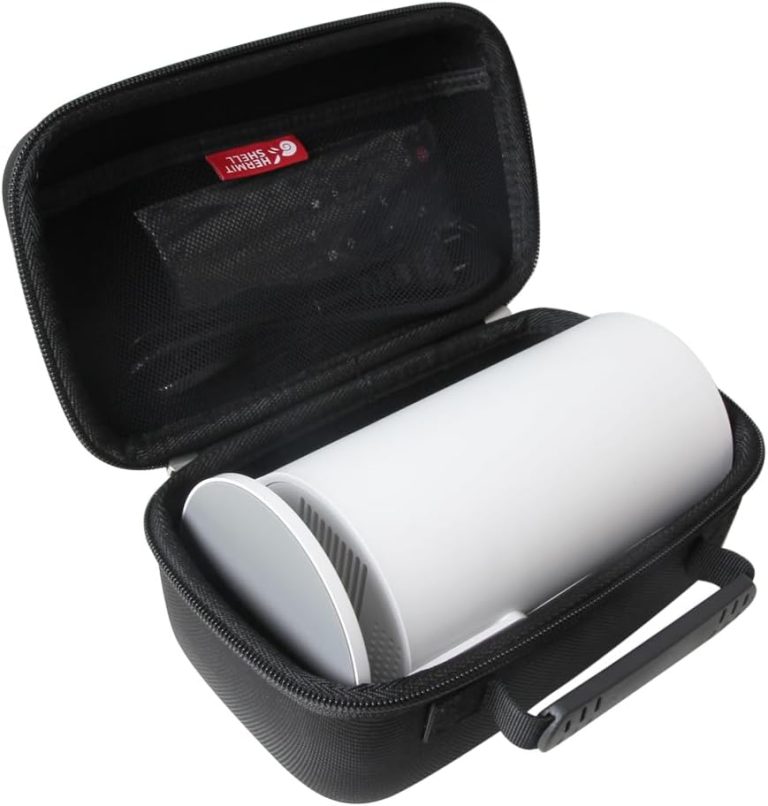
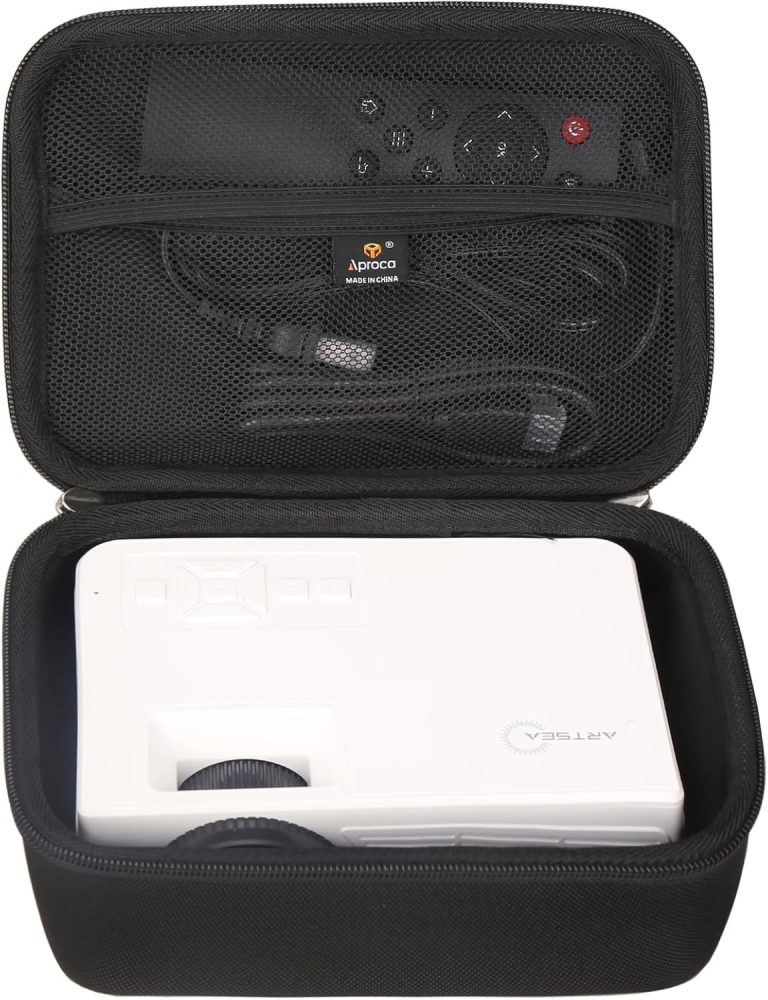
- Pick a hard shell or soft case: Hard shells offer max protection; soft cases are lighter and easier to pack.
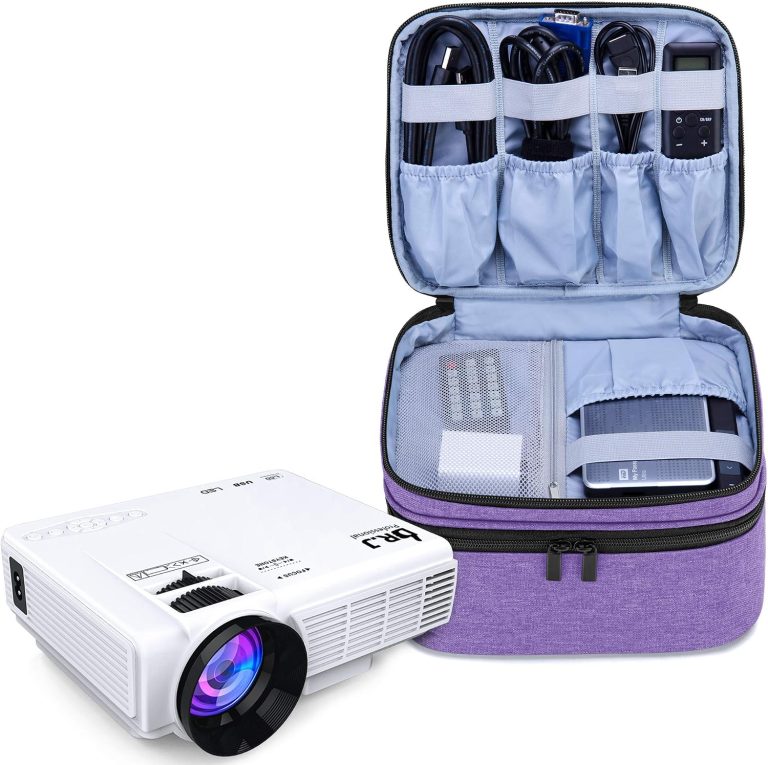
- Check for cable storage: A separate compartment keeps power cords and HDMI cables from scratching the lens.
- Water resistance matters: A water-repellent exterior prevents rain damage on the go.
Below, we break down everything you need to know about picking the right projector travel bag. We will cover sizes, materials, and the best features to look for. For a rundown of top-rated models, see our guide to the best projector bag.
Choosing the Right Projector Travel Case for Your Gear
Finding the best protection for your projector starts with knowing what you are carrying. We found that a dedicated case is the smartest purchase for anyone who moves their projector more than once a month. Your projector is an investment, and a travel bag acts like a seatbelt for that investment.
A good case does more than just hold your device. It keeps the delicate lens safe from scratches and the internal parts safe from hard bumps. Many experts say that the right bag can prevent costly repairs down the road. You do not need the most expensive option, but you do need the right one.
Why a Generic Backpack Just Does Not Cut It
You might think tossing your projector into a regular backpack is fine. We get the appeal. It is quick and uses what you already have. But that approach is a gamble with your gear.
Regular backpacks lack the custom foam inserts that hug your projector. Your device slides around with your laptop, books, and lunch. One hard swing of the bag can knock the lens out of alignment. A dedicated case keeps everything locked in place so nothing shifts during travel.
Think of it like this: you would not carry a camera body without a lens cap and a padded divider. Your projector deserves that same level of care. The cost of a good bag is tiny compared to the cost of a new projector bulb or a cracked LCD panel.
Measuring Your Projector the Right Way
Before you click buy, grab a tape measure. We found that measuring is the most overlooked step in the buying process. You need three numbers: length, width, and height. Do not guess based on the model name alone.
Write these numbers down and keep them with you. Most product listings will show the internal dimensions of the case, not just the external size. You want to compare the interior space of the bag to the exterior size of your projector. A snug fit is what you are after, but you also need a little room for a power cord.
If your projector has a long lens that sticks out, measure from the very front to the back. Some cases have adjustable dividers that can accommodate different shapes. But if you get the measurements wrong, you will end up with a bag that is too tight to close or too loose to protect.
Hard Shell vs. Soft Case: Making the Call
Now for the big decision: hard shell or soft case. Both options have their fans. We found that the choice depends on how you travel and what you are protecting. There is no single right answer for everyone.
Hard cases are built like a tank. They are usually made of tough plastic or aluminum. Soft cases are lighter and often easier to stuff into a larger suitcase. Let us break down the differences so you can pick what fits your routine.
When a Hard Shell Makes Sense
If you check your bag at the airport or throw your gear in the back of a truck, go hard shell. These cases offer the best protection against crushing and heavy impacts. They often come with foam inserts that you can pluck out to match your projector shape perfectly.
Many hard cases are also water-resistant or even waterproof. That is a big deal if you get caught in the rain walking to a client site. We found that hard shells are the go-to for rental companies and AV professionals who move gear daily. The trade-off is weight. These cases are heavier and take up more space when stored.
Why a Soft Case Is Easier to Live With
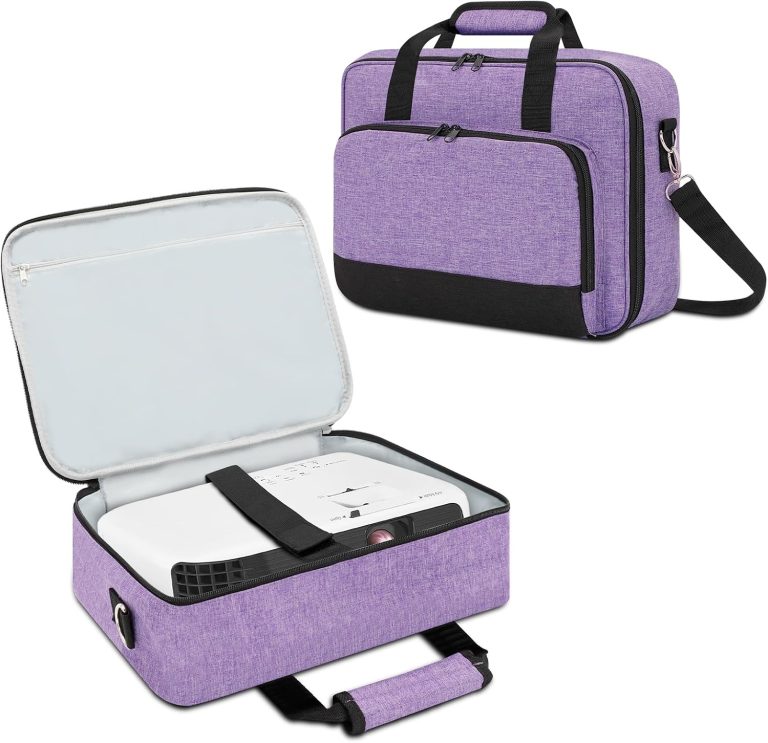
Soft cases are the lightweight champions. They are easier to carry on your shoulder and fit into overhead bins or car trunks without fuss. Many have padded dividers that protect your gear while still allowing some flexibility.
We found that soft cases are ideal for teachers and presenters who walk between classrooms or buildings. They are also great for backyard movie nights where you are just moving from the house to the patio. The padding absorbs shock well, and the lighter weight means you are less likely to leave it behind. For a closer look at one popular soft option, read our USA Gear mini projector case review.
The downside is that soft cases offer less protection against a heavy drop. If something heavy lands on top of the bag, the padding might not be enough. You have to weigh convenience against absolute protection.
Key Features to Look For in a Projector Bag
Not all projector bags are created equal. We tested several styles and found that certain features matter more than others. You want a bag that feels well-made and protects your specific needs. Look for these features to get the most value for your money.
Pay attention to the zippers, the stitching, and the padding thickness. A cheap bag might save you twenty bucks now but cost you a projector later. Read reviews and look for photos from real users to see how the bag holds up over time.
Padding and Shock Absorption
The foam inside the bag is your first line of defense. We found that thick, high-density foam is non-negotiable. Look for at least a half-inch of padding on all sides. Some bags use a honeycomb or egg-crate foam that distributes impact energy across a wider area.
Check the bottom of the bag too. The bottom takes the most abuse when you set the bag down. A reinforced bottom panel adds extra protection against drops. Many experts say that drop protection is the main reason to buy a dedicated case in the first place.
Storage for Cables and Accessories
Power cords and HDMI cables are bulky and awkward. We found that a bag with a separate accessory pocket saves you a lot of hassle. Tossing cables in with the projector can scratch the casing or put pressure on the lens.
Look for a dedicated zippered compartment or a mesh pocket. Some bags have straps to hold the power brick in place. This keeps everything organized and makes packing faster. You will never have to untangle a mess of cords again.
Water and Weather Resistance
Rain can ruin your day and your equipment. We found that a water-repellent exterior is a feature you should not skip. The material should be a durable nylon or polyester with a coating that makes water bead up and roll off.
Full waterproof cases are great, but they are often heavier and pricier. For most people, a water-resistant bag is enough. You can also buy a separate rain cover if you need extra protection. Check the zippers as well. Look for zippers that have a flap over them to keep water from seeping in.
Sizing Guide: Matching the Bag to Your Projector
Getting the size right is the difference between a great purchase and a wasted one. We found that a bag that is too big is almost as bad as one that is too small. If the projector slides around, the padding cannot do its job properly.
Use this table as a general guide when you shop. Remember to always check the specific dimensions of the bag against your projector. Brands vary in how they measure their cases.
| Projector Size | Typical Use Case | Recommended Bag Type |
|---|---|---|
| Mini (pocket-sized) | Casual movie nights | Small padded pouch or soft case |
| Portable (2-4 lbs) | Business trips, classrooms | Soft case with shoulder strap |
| Standard (5-10 lbs) | Home theater, presentations | Hard shell or padded soft case |
| Large (10+ lbs) | Events, rental equipment | Heavy-duty hard case with wheels |
We found that most people buy a bag that is one size too large. They think they will need extra room for future accessories. That logic backfires because the projector moves around. Buy for the gear you have right now.
Measuring Your Space Inside the Bag
Look at the interior dimensions, not the exterior. Some bags have thick walls that eat into the usable space. A bag might look big from the outside but barely fit your projector on the inside. Check the product specs carefully before you add it to your cart.
If you are between sizes, go with the smaller one that still fits your projector. A snug fit with a little give is the sweet spot. You want the projector to stay put without having to force the zipper closed.
Protecting the Lens and Bulb During Travel
The lens is the most fragile part of your projector. It is a piece of precision glass that can scratch or crack easily. We found that many projector bags include a built-in lens protector or a soft flap that goes over the lens area.
If your bag does not have this, buy a separate lens cap. Many projectors come with one, but they are easy to lose. A lens cap adds an extra layer of defense against dust and impacts. The bulb inside the projector is also sensitive to vibrations, so the padding around the body matters.
You should also let your projector cool down before you pack it. The bulb gets extremely hot during use. Packing it while hot can cause the bulb to shatter. We found that waiting at least 15-20 minutes after use is a safe rule of thumb. This is a small habit that prevents a big headache.
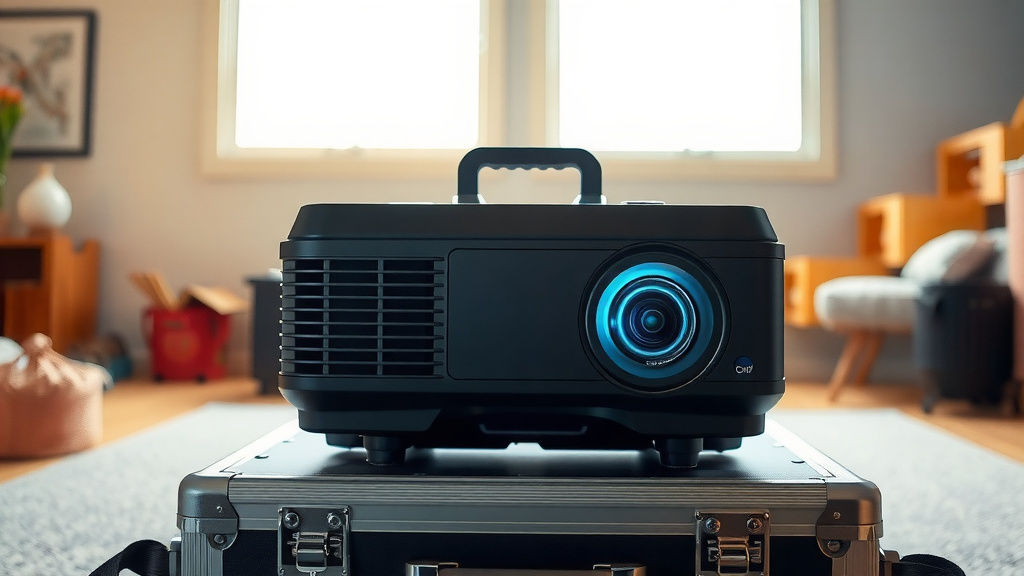
Traveling by Airplane with a Projector Bag
Air travel brings its own set of rules. We found that most airlines allow projectors as carry-on items, but you need to check the size limits. If your projector bag is too large, you will have to check it at the gate, which defeats the purpose of a protective case.
Keep the bag with you in the cabin whenever you can. That way, you control how it is handled. Many experts say that checked bags are where electronics go to get damaged. The baggage handlers are not rough on purpose, but your gear is safer in the overhead bin.
When you go through security, you may need to take the projector out of the bag. It is a large electronic device, similar to a laptop. Pack it in an easy-to-reach spot so you can pull it out quickly and put it back without a hassle.
Packing the Bag for Maximum Protection
How you place the projector in the bag matters. We found that you should position the projector so the lens is not pointing down. That puts pressure on the lens mount. Lay the projector on its side or upright, depending on the bag design.
Wrap the power cord and cables separately. Do not lay them on top of the projector. Use the accessory pockets we talked about earlier. A little bit of organization goes a long way in preventing scratches.
If your bag has adjustable dividers, use them to create a snug cradle for your projector. This locks the device in place and prevents it from shifting during a bumpy ride. Take two minutes to set this up correctly and your projector will thank you.
Where to Store Your Projector Bag When Not Traveling
You might not use your projector every day. That is fine. We found that how you store the bag matters just as much as how you carry it. Keep it in a cool, dry place away from direct sunlight. Heat and humidity can damage the foam padding over time.
Do not stack heavy boxes on top of the bag. Even a hard shell case can crack under extreme pressure. Soft cases are especially vulnerable to crushing. Give your bag its own shelf or hook in a closet.
Keep the bag closed when you store it. This keeps dust and bugs out of the interior. A dry silica gel packet inside the bag can help absorb moisture and keep the lens clear. This is a cheap trick that adds years to your equipment.
Quick Checklist Before You Buy
We put together a simple checklist to guide your purchase. Run through these points when you compare different bags. It will help you avoid common mistakes and pick a case that lasts.
- Measure your projector and compare it to the bag’s interior dimensions.
- Check the padding thickness on all sides, including the bottom.
- Decide between hard shell and soft based on how you travel.
- Make sure there is a separate compartment for cables and accessories.
- Confirm the exterior material is water-resistant or waterproof.
- Look for a shoulder strap or handle that feels comfortable to carry.
We found that taking ten minutes to research before you buy saves you from a return shipping fee and a lot of frustration. The right projector travel bag is out there. You just have to match it to your gear and your routine.
Conclusion
Your projector is a serious investment, and a good travel bag is the cheapest insurance you can buy. We walked through the key choices, from hard shell vs. soft case to the importance of measuring your gear first. The right bag keeps your lens safe, your cables organized, and your mind at ease.
You do not need the most expensive option on the market. You just need a bag that fits snugly, has thick padding, and matches how you actually travel. Take ten minutes to measure your projector and compare it against the interior dimensions of a few bags. That simple step will steer you toward the perfect match for your routine.
Frequently Asked Questions
Can I use a camera bag for my projector?
You can in a pinch, but it is not ideal. Camera bags are padded, but they are shaped for camera bodies and lenses. Your projector likely has a different footprint, so it may shift around inside. A dedicated projector case with adjustable dividers will always fit better and offer more protection.
How much should I spend on a projector travel bag?
You can find a decent soft case for around $25 to $50. Hard shells typically run between $50 and $150, depending on the size and build quality. We found that the sweet spot is usually in the middle range, where you get thick padding and durable zippers without paying for a brand name.
Is it safe to check a projector in luggage?
We recommend against it whenever you can avoid it. Checked bags get tossed around, and even a hard case may not survive a heavy drop. Your projector is much safer in the overhead bin as a carry-on. If you must check it, use a hard shell case with custom foam inserts for maximum protection.
Should I take the lens cap off when storing the projector?
No, keep the lens cap on when the projector is in the bag. The cap protects the glass from dust, scratches, and accidental bumps. If your bag has a built-in lens protector, that works too. Just make sure the lens is covered before you zip up the case.
How do I clean a projector travel bag?
Most soft cases can be spot-cleaned with a damp cloth and mild soap. Check the care label first, as some materials cannot handle water. For hard shells, a quick wipe-down with a microfiber cloth works well. Let the bag dry completely before storing your projector inside it.