How to Choose the Best Projector Carry Case Bag
Yes, you need a projector carry case bag if you move your projector between rooms, offices, or client sites. That’s because projectors are packed with delicate lenses and sensitive internal parts that can shift or break with just one bump. A good bag keeps your device safe, organized, and ready to go.
Beyond simple padding, the right bag protects your projector from dust, scratches, and weather. We found that most projectors get damaged during transport, not while they are in use. A dedicated case also keeps your cables, remotes, and accessories in one place, so you never forget a vital piece before a big presentation.
- The main job of a projector bag is to absorb shocks and protect the lens.
- Pick a hard case for maximum protection or a soft case for lighter, everyday travel.
- Measure your projector before buying—the bag must fit snugly without too much extra space.
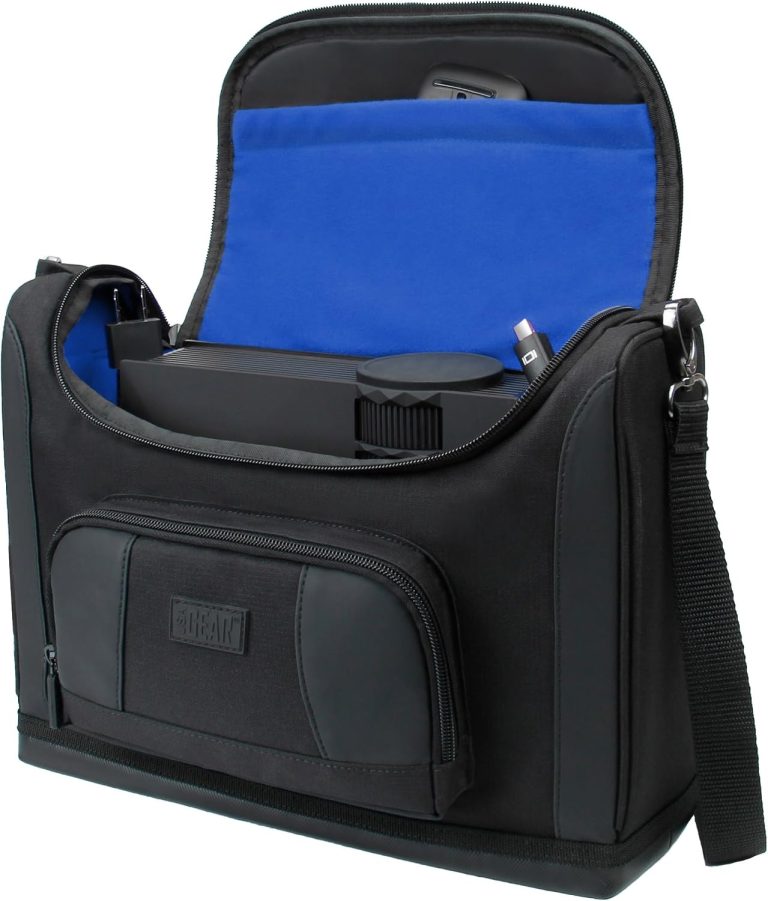
- Look for padded dividers and exterior pockets to hold all your cables and gear.
- Water-resistant materials are a smart choice for unexpected weather or spills.
Below, we walk you through everything you need to know about choosing the perfect projector carry case bag. We will cover sizes, materials, and the best features to look for so you can buy with total confidence.
Why Your Projector Needs a Dedicated Case
Your projector is an investment. Think of it like a camera lens. You wouldn’t toss a camera lens loose in a backpack, right? A projector needs that same level of care.
We found that most damage happens during transport. It is not the hours of use that break a projector. It is the bump, the drop, or the slide across a car seat that does the harm.
Dust and moisture are also silent killers. A dedicated case keeps the lens sealed and clean. It keeps the vents free from debris that can clog the cooling system.
What Happens When You Skip the Bag
You might think a towel or a soft backpack is enough. It is not. A towel offers zero shock absorption. A backpack offers zero structural support.
When you set the backpack down, the projector hits the floor with force. That jolt travels right to the internal mounting points. Over time, those points crack or loosen.
The lens is the most fragile part. A scratch on the lens ruins your image quality permanently. No amount of editing can fix a physical scratch.
Hard Cases vs. Soft Cases
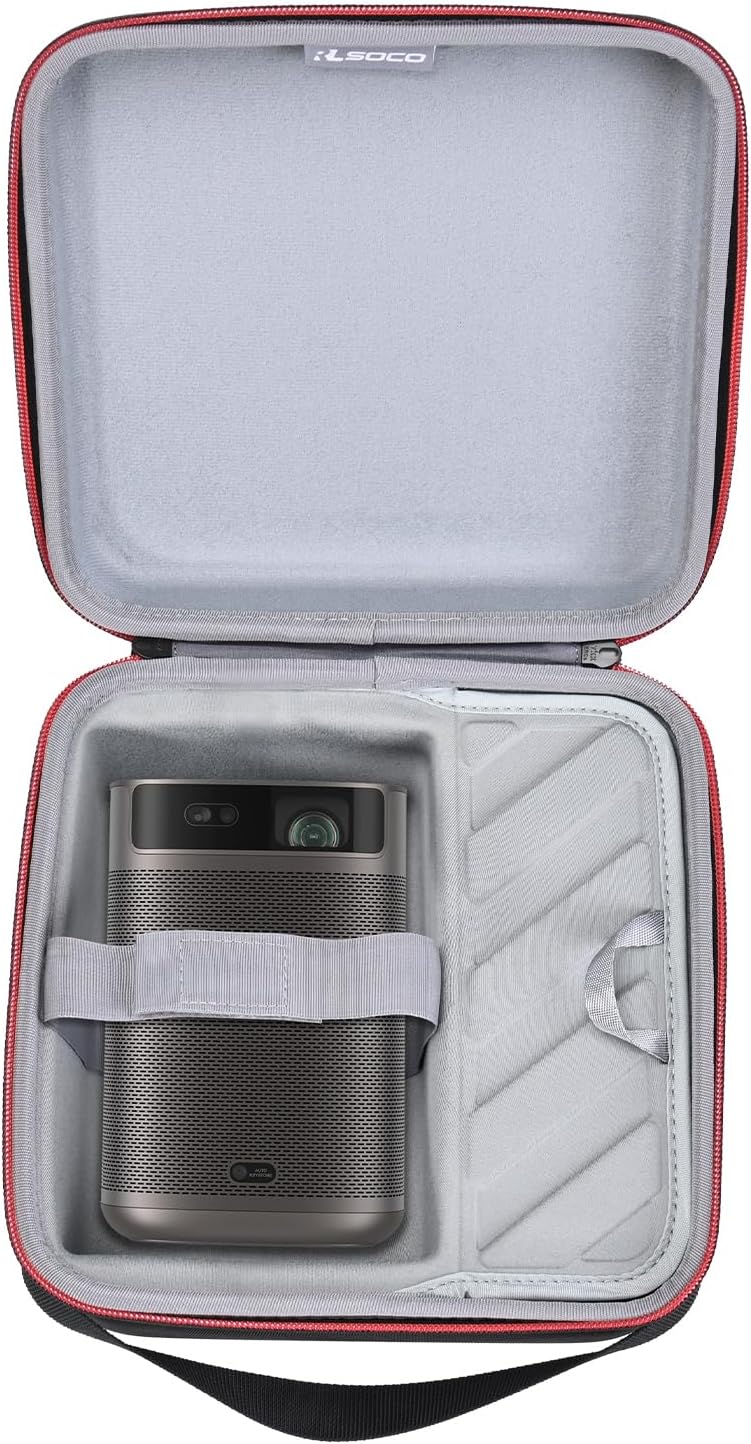
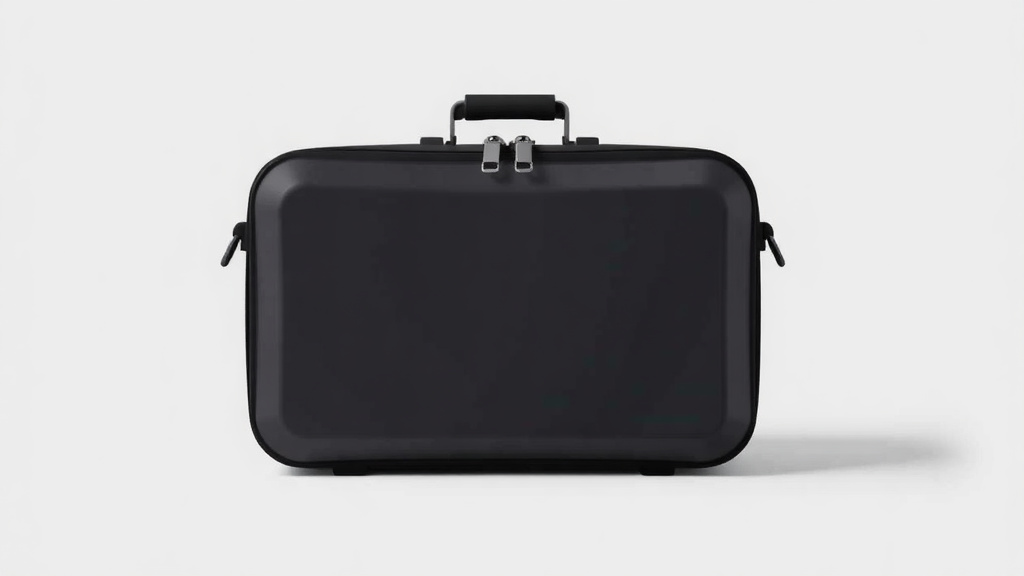
You have two main choices here. Hard cases are the heavy-duty option. They offer maximum crush protection. They are usually waterproof or at least water-resistant.
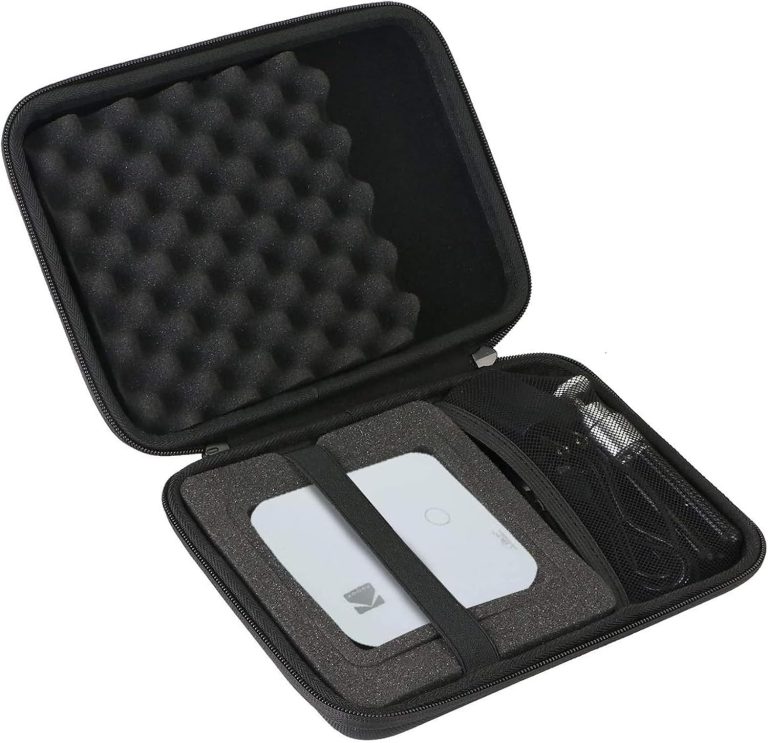
Hard cases often come with customizable foam. You can cut the foam to fit your exact projector model. This cradles the device from every angle.
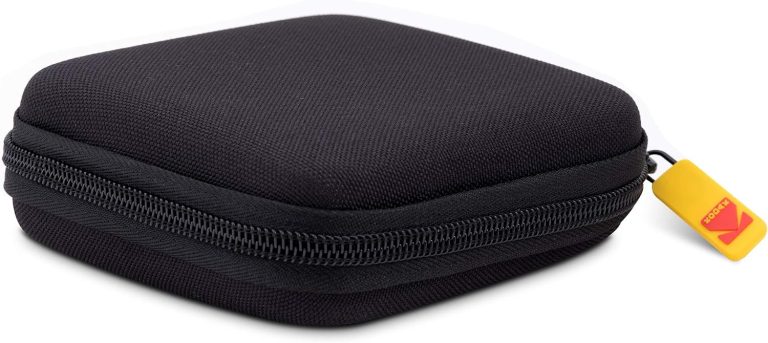
Soft cases are the lightweight option. They are easier to carry. They fit in tighter spaces, like an overhead bin or the trunk of a small car.
Soft cases rely on thick padding, usually 10mm or more. They work well for daily commutes between home and office. They are not ideal for heavy travel or shipping.
So, which is right for you? If you check your bag on a plane, go hard case. If you are just moving from desk to conference room, a soft case is plenty. If security is a top concern, our guide to lockable projector carry case options covers the best lock types and hard-shell features.
Measuring Your Projector for the Perfect Fit
Size matters more than you think. A bag that is too big allows the projector to slide around. That sliding motion creates internal stress. A bag that is too small obviously won’t close.
Grab a tape measure. Measure the length, width, and height of your projector. Do not include the lens cap or protruding cables in your measurement.
Write these numbers down. You will need them for every online listing you look at.
Understanding Interior vs. Exterior Dimensions
This is where people get confused. The exterior size is the outside of the bag. The interior size is the usable space inside.
Always compare your projector measurements to the interior dimensions. Not the exterior ones. A bag might look small on the outside but have a surprisingly roomy interior.
We found that most manufacturers list both dimensions clearly. If they do not, contact customer service. Do not guess.
Leaving Room for Accessories
Your projector is not the only thing you carry. You have the power cable. You have an HDMI cable. You have a remote control.
Look for a bag that offers a little extra room. Not a lot. Just enough to fit the essentials without letting the projector shift.
A good rule of thumb is to add 1 to 2 inches to your projector measurements. That gives you slack for padding and accessory storage.
Key Features of a Good Projector Bag
Not all bags are created equal. We looked at dozens of options. We found that the best bags share several common features.
Here is what you should look for when you shop.
| Feature | Why It Matters |
|---|---|
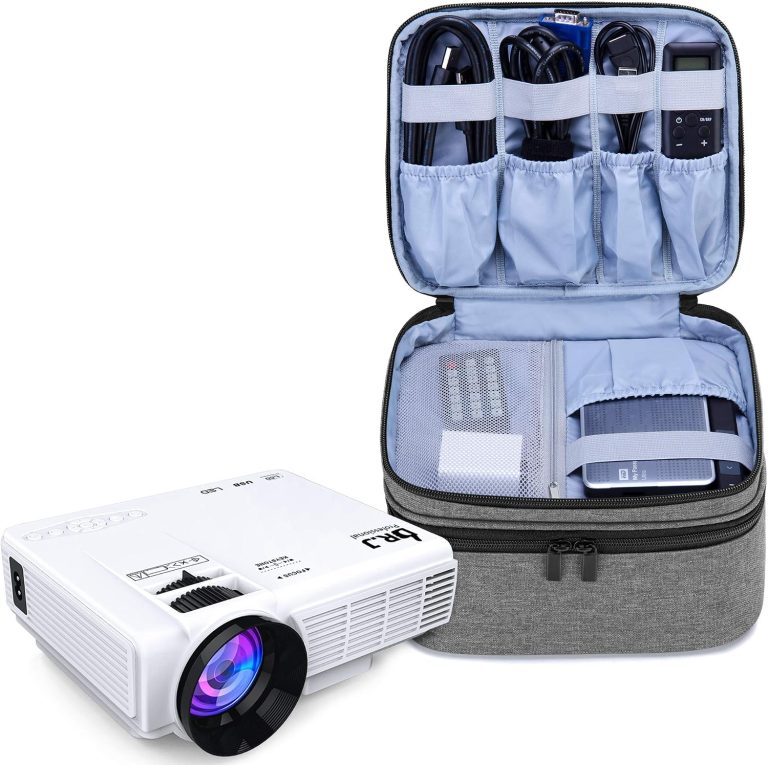
| Padded dividers | Keeps the projector separate from cables and blocks movement. |
| Exterior pockets | Quick access to small items like remotes or USB drives. |
| Water-resistant shell | Protects from rain, spills, and humidity. |
| Shock-absorbing foam | Cushions the device during bumps and drops. |
| Sturdy zippers | Prevents jams and keeps the case sealed tight. |
| Shoulder strap or handle | Makes carrying easier and more comfortable. |
Padded Dividers and Customizable Foam
Dividers are the unsung heroes of a good case. They let you create a custom slot for your projector. They also stop your cables from rubbing against the device.
Some hard cases come with pick-and-pluck foam. You pull out small squares to create a perfect mold of your projector. This is the gold standard for protection.
Pockets: Zippered vs. Velcro
Zippered pockets are more secure. They close tightly and keep small items from falling out. Velcro pockets are faster to open but can lose their stick over time.
We recommend zippered pockets for anything valuable. Use the Velcro ones for things you grab often, like a microfiber cloth.
Materials and Build Quality
The outer fabric matters. Nylon is the most common choice. It is durable and resistant to tears. Polyester is lighter but less rugged.
Many experts say to look for a denier rating. Denier measures the thickness of the fabric. A higher number means stronger fabric. Look for 600 denier or higher for good protection.
Water Resistance vs. Waterproof
Do not mix these up. Water-resistant means the fabric repels light rain. Waterproof means the bag stays sealed underwater for a short time.
For most people, water-resistant is enough. You are protecting against a drizzle or a spilled soda. If you work outdoors or near water, go for a fully waterproof hard case.
Zipper Quality and Closures
Cheap zippers are the first thing to break. Look for zippers from trusted brands like YKK. They glide smoothly and rarely jam.
Check the stitching around the zipper. Reinforced stitching means the zipper will not tear away from the fabric.
Some bags use buckles or clips instead of zippers. These can be even more secure. They take a second longer to open, but they last longer.
Choosing the Right Size for Your Lifestyle
Think about how you travel. Do you fly for work? Do you drive to client sites? Your commute dictates the best size.
For flying, keep the bag compact. It should fit in an overhead bin or under the seat. Oversized bags might get gate-checked. That defeats the entire purpose of protecting it.
For driving, you have more flexibility. You can use a larger bag with wheels. A rolling case is great for heavy projectors. It saves your back and shoulders.
Backpack-Style vs. Briefcase-Style
Backpack-style bags distribute weight evenly. They are great for walking long distances. Briefcase-style bags look more professional. They are easier to slide into a car trunk.
We found that most people prefer the backpack style. It leaves your hands free. That is helpful when you are also carrying a laptop bag.
Even the Color Matters
This sounds like a small detail. But a bright color makes your bag easier to spot. You will not leave it behind in a hurry.
Dark colors hide dirt and scuffs better. They also look more professional in client settings.
Choose based on your personality and your work environment. You will be carrying this bag a lot, so you might as well like how it looks.
You Might Not Need to Spend a Fortune
There is a bag for every budget. Basic soft cases start around a low price. High-end hard cases can get pricey.
We found that mid-priced bags offer the best value. You get solid materials, good padding, and reliable zippers without paying a premium for a brand name.
Aim for a bag that costs about 10 percent of your projector’s price. If your projector cost $500, a $50 bag is a smart buy.
Quick Checklist Before You Hit “Buy”
You are almost ready to make a purchase. Run through this checklist to make sure you got everything right.
- Double-check the interior dimensions against your projector’s size.
- Confirm the padding thickness is at least 10mm for soft cases.
- Make sure there is a dedicated slot or divider for the lens area.
- Check that exterior pockets can fit your power brick, not just thin cables.
- Verify the zippers are reinforced and from a known brand.
- Read recent customer reviews about the actual fit for your specific model.
Taking these simple steps now will save you a headache later. You will also avoid the pain of buying the wrong bag twice.
Conclusion
Your projector works hard for you. It deserves better protection than a towel or a spare backpack. A dedicated projector carry case bag is the smartest way to keep your gear safe and your presentations on track.
You now know what to look for. Measure your projector first. Decide between hard and soft cases based on how you travel. Check the padding, zippers, and interior pockets before you commit to a purchase.
Here is your next step: grab a tape measure right now and write down your projector’s dimensions. Then, use the checklist we gave you to compare bags with confidence. Your projector will thank you for it.
Frequently Asked Questions
Can I use a regular laptop backpack for my projector?
You can, but you probably should not. Most laptop backpacks lack the thick padding and structural support a projector needs. The lens is fragile, and a thin laptop sleeve will not protect it from drops or heavy items pressing against it.
A dedicated projector bag gives you a snug fit and proper shock absorption. It also keeps your cables from scratching the device. If you only move your projector occasionally, a heavily padded backpack might work in a pinch. For regular use, get the right tool.
How do I clean and maintain my projector carry case?
Start by emptying the bag and shaking out any dust or debris. Use a soft brush or a lint roller to clean the interior lining. For the exterior, wipe it down with a damp microfiber cloth and mild soap.
Let the bag air dry completely before storing your projector inside. Check the zippers every few months and clear out any stuck fibers. A clean bag keeps dust away from your projector’s vents and lens.
Are projector bags universal or do I need one made for my brand?
Most projector bags are universal. They use adjustable padding and dividers to fit a wide range of sizes. As long as the interior dimensions are larger than your projector, it should fit securely.
Some brands like Epson, BenQ, or Optoma sell custom cases, but those are not required. We found that generic bags with good padding often offer better value. Just measure carefully and read the listing details before you buy.
What is the best way to pack my projector inside the bag?
Always place the projector lens facing upward or toward the thickest padding. Never leave the lens cap off during transport. Wrap the lens area with a soft cloth if your bag does not have a dedicated padded slot.
Put cables in the exterior pockets, not on top of the projector. Make sure the projector fits snugly with no wiggle room. A tight fit prevents internal components from shifting during bumps.
Should I buy a hard case or a soft case for air travel?
If you are checking your bag, go with a hard case. It offers the best crush protection against heavy luggage. Soft cases work fine for carry-on, as long as you keep the bag in the overhead bin and under your seat.
We found that most airlines treat projectors like fragile electronics. A hard case gives you peace of mind, especially if your bag gets tossed around. For frequent flyers, the extra weight of a hard case is worth the protection.