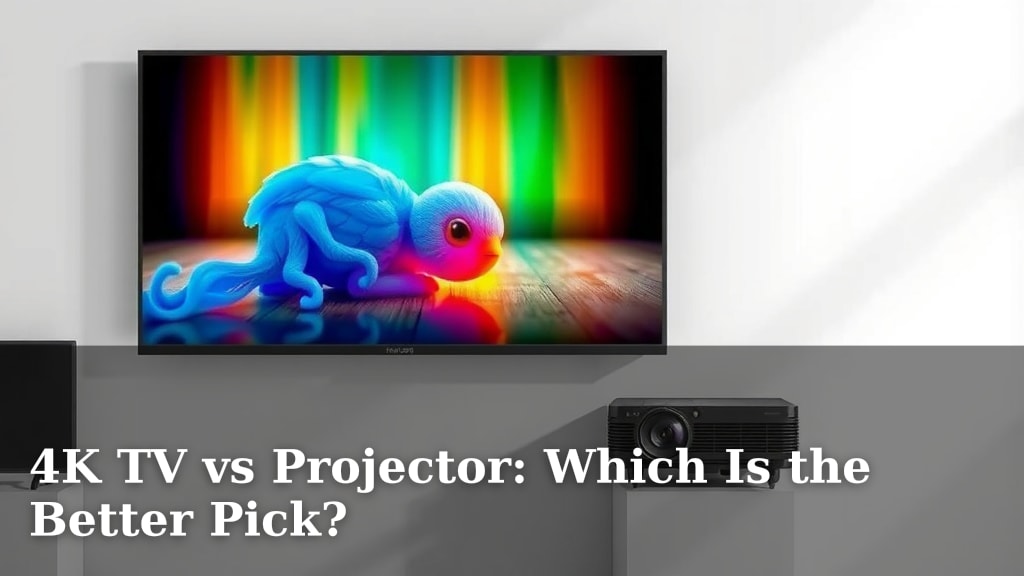
4K TV vs Projector: Which Is the Better Pick?
Deciding between a 4K TV and a projector for your home theater? For most people, a 4K TV is the better pick due to its superior brightness, ease of use, and overall convenience. Projectors excel at creating a massive screen, but they often require a dark room and more setup.
Your choice really hinges on your priorities. Do you want a vibrant picture that pops even in daylight, or are you aiming for that true cinema experience with an enormous, immersive display? We’ve looked into what makes each option shine, and the differences can be pretty striking.
- 4K TVs: Brighter, easier to set up, work well in lit rooms.
- Projectors: Offer massive screen sizes, best in dark rooms, can be more complex.
- Brightness: TVs are generally much brighter than projectors.
- Room Conditions: TVs are more forgiving of ambient light.
- Screen Size: Projectors win for sheer scale.
Let’s dive into the details to help you figure out which technology best fits your living room and your movie-watching habits.
Choosing Your Ultimate Home Entertainment Display
So, you’re weighing your options between a bright, modern 4K TV and a cinematic projector for your home viewing. It’s a big decision for any entertainment space! We’ve dug into the specs and practicalities to help you make the best choice for your setup.
Brightness: Battling the Beams
One of the biggest differences you’ll notice is how each display handles light. 4K TVs are inherently brighter than most home projectors. Think of it like comparing a powerful flashlight to a dimmer lamp.
Your 4K TV will likely shine brightly, even with some lights on in the room. This makes it a super versatile option for living rooms or spaces that aren’t dedicated home theaters. You won’t have to draw every curtain perfectly.
Projector Performance in Lit Rooms
Projectors, on the other hand, often struggle with ambient light. That beautiful, large image can get washed out quickly if there’s daylight or room lamps shining on the screen. Many experts suggest a darkened environment is key for optimal projector performance (ProjectorCentral).
This means if your viewing area isn’t easily darkened, a projector might not be the best fit. You’d need to be prepared to control the lighting for the best experience. It’s a bit like needing the house lights dimmed for a movie in a theater.
Screen Size: The Wow Factor
Now, let’s talk about the elephant in the room: screen size. If you dream of a truly massive, immersive picture that rivals a movie theater, a projector is usually your winner. Projectors can easily create screens that are 100 inches, 120 inches, or even much larger.
For many people, this sheer scale is the main attraction of a projector. It can really transform your movie nights or sports viewing into something special. Imagine a screen that fills your entire wall!
What About 4K TV Screen Sizes?
While 4K TVs have gotten much larger over the years, they still have practical limits. Screens exceeding 85 or 90 inches become incredibly expensive and can be difficult to fit into most rooms. You might need a very large living space to comfortably accommodate them.
So, while TVs offer impressive sizes, projectors still hold the crown for the absolute largest screen potential without breaking the bank on the display itself.
Ease of Use and Setup
When it comes to setup, 4K TVs are generally the champions of simplicity. You typically just take it out of the box, plug it in, connect your devices, and you’re good to go. It’s a plug-and-play kind of deal.
The smart features on most 4K TVs are also very intuitive. Streaming apps are usually built-in, making it easy to access your favorite content without extra gadgets.
Projector Setup Considerations
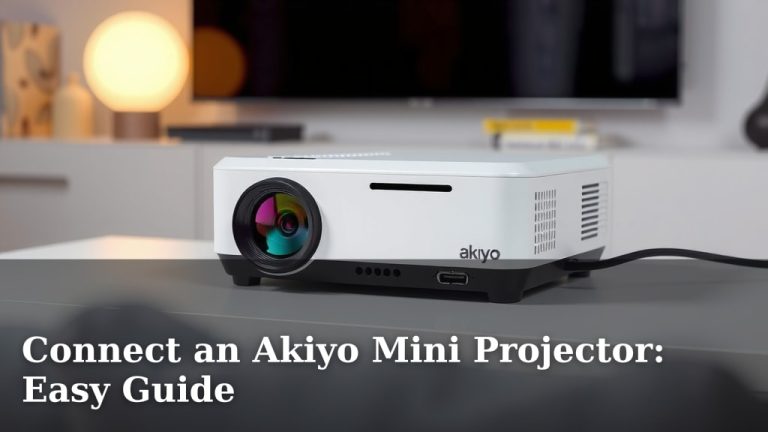
Projectors require a bit more effort. You’ll need to mount the projector, either on a ceiling or a stand, and then position it to project onto a screen or a suitable wall. Getting the image perfectly aligned and focused can take some tinkering.
You also need to consider the screen itself. While you can project onto a wall, a dedicated projector screen will give you the best picture quality. This is another purchase and installation step to factor in. It adds to the overall project.
Sound Experience Differences
Built-in TV speakers have improved, but they are often a compromise. For really immersive sound, most people opt for a soundbar or a separate audio system with their TV. This is an additional cost and setup.
Projectors, on their own, typically have very basic audio capabilities, if any. This means you will almost certainly need a dedicated sound system with a projector. Think surround sound to match that big picture!
Cost Breakdown: What to Expect
When comparing the initial cost, a 4K TV and a projector might seem comparable at first glance, especially if you’re looking at smaller screen sizes for the projector. However, the cost can increase significantly.
For a very large screen size (say, 100 inches or more), a projector setup often becomes more budget-friendly than a TV of the same size. But remember to factor in the screen, mount, and potentially a sound system, which are often necessities for a projector.
High-end projectors, especially those with advanced features like laser light sources or 4K resolution, can also come with a hefty price tag. Many consumer reports suggest that for a balanced, good-quality home theater experience, the total cost for both setups can be quite close.
Lifespan and Maintenance
Both technologies have different lifespans and maintenance needs. 4K TVs generally have a long lifespan, with LED backlights lasting for many years. They require very little maintenance beyond keeping them clean.
Projectors use lamps that have a limited lifespan, typically ranging from 2,000 to 5,000 hours for traditional bulbs, though laser and LED projectors can last much longer, sometimes 20,000 hours or more. This means you might eventually need to replace the projector lamp, which is an ongoing cost (Sound & Vision).
Your Home Entertainment Checklist
To help you decide, consider these quick points for your own situation:
- Do you have a dedicated dark room, or is it a multi-use space?
- How important is the absolute largest screen size to you?
- Are you comfortable with a more involved setup process?
- How much ambient light does your viewing area typically have?
- What is your total budget, including a potential sound system or screen?
- Do you prefer an “all-in-one” solution or are you happy to add components?
Answering these questions should point you toward the better option for your home.
| Feature | 4K TV | Projector |
|---|---|---|
| Brightness | High, works well in lit rooms | Lower, best in dark rooms |
| Max Screen Size | Limited by cost and physical size (typically up to 85-90″) | Very large (100″+ easily achievable) |
| Setup Ease | Simple, plug-and-play | More complex, requires mounting and calibration |
| Room Light Tolerance | High | Low |
| Audio | Basic built-in speakers (upgrade often recommended) | Minimal built-in, dedicated system usually required |
| Cost for Large Size | Very expensive for 85″+ | More affordable for 100″+ (screen/audio separate) |

Conclusion
Ultimately, your choice between a 4K TV and a projector comes down to your viewing environment and desires. If you need a bright, easy-to-use display for a multi-purpose room, a 4K TV is likely your best bet. It offers convenience and excellent performance without demanding perfect darkness. For those chasing that epic, truly cinematic experience with a massive screen, a projector still reigns supreme, provided you can control your room’s light. Consider your space and priorities carefully. Ready to upgrade your home entertainment? Think about where you’ll be watching most and what screen size truly excites you.
Frequently Asked Questions
Can a projector really replace a 4K TV for everyday viewing?
For everyday viewing, especially in rooms with ambient light, a 4K TV is generally more practical. Projectors excel at creating a massive screen but require a darker environment to deliver their best picture. A TV offers a more consistent viewing experience with less hassle.
Do I need a special screen for a projector, or can I use a wall?
While you can project onto a smooth, white wall, a dedicated projector screen is highly recommended. Screens are designed to optimize light reflection and uniformity, leading to a significantly better picture quality with higher contrast and brightness.
How does the cost of a large projector setup compare to a large 4K TV?
For screen sizes over 100 inches, projectors are typically more cost-effective than a 4K TV of equivalent size. However, you must factor in the cost of the projector screen, mounting hardware, and potentially a separate sound system, which are often essential for a complete projector setup.
Are 4K projectors difficult to install and calibrate?
Yes, projector installation and calibration can be more involved than setting up a TV. You’ll need to consider placement, mounting, lens shift, focus, and keystone correction to ensure the image is perfectly aligned and sharp on your screen.
Which option is better for gaming: a 4K TV or a projector?
For most gamers, a 4K TV is the better choice due to lower input lag and faster response times, which are critical for smooth gameplay. While some high-end projectors offer good gaming features, they often come at a higher price and may still not match the performance of a dedicated gaming TV.