Epson vs Sony Projector: Better Choice?
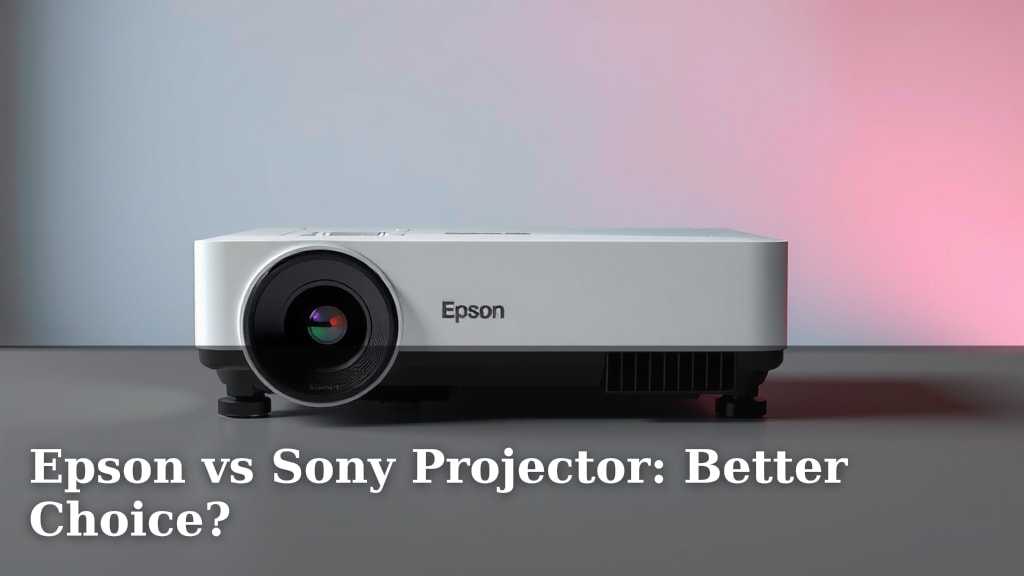
Choosing between an Epson and a Sony projector can feel like a big decision. Ultimately, the better projector depends on your specific needs and budget, as both brands offer excellent quality. Sony often leads in advanced features and picture processing, while Epson excels in brightness and value for many home theater setups. We found that your priorities will guide you to the right choice.
When comparing these two titans of projection technology, consider what matters most to you. Are you seeking the absolute best in cinematic contrast and color accuracy, or are you looking for a projector that can fill a bright room with a vibrant image? We’ve researched what makes each brand stand out, focusing on key differences in technology and performance. Many users find that understanding these distinctions makes the choice much clearer.
- Epson often offers better brightness for the price.
- Sony generally leads in native contrast and black levels.
- Both brands provide fantastic color accuracy for home viewing.
- Your room’s lighting conditions are a major deciding factor.
- Budget plays a role, with Epson sometimes having more accessible options.
We’ll break down the strengths of each brand to help you decide which projector will bring your movies, games, and presentations to life most brilliantly.
“`htmlEpson vs. Sony Projectors: Making the Right Choice for Your Space
Deciding between an Epson and a Sony projector really boils down to what you want to achieve with it. Both brands are powerhouses, but they often shine in different areas. We’ve done the research, and it’s clear that your room conditions and viewing habits will steer you toward the best fit.
Think of it like choosing between two amazing chefs. One might be known for incredibly flavorful, hearty meals (brightness!), while the other is a master of delicate, nuanced dishes with perfect presentation (contrast and color accuracy!). You’re going to pick the chef whose specialty matches your appetite.
Understanding the Core Differences: Brightness and Contrast
Epson’s Strength: Brilliant Brightness
Epson has long been a favorite for its impressive brightness. If you plan to use your projector in a room that isn’t perfectly dark, Epson is often the way to go. They offer projectors that can punch through ambient light, making daytime viewing or rooms with windows much more viable.
We found that Epson’s technology allows them to deliver high lumen counts at competitive price points. This means you can get a projector that fills your screen with vibrant color even without blackout curtains. It’s like having a projector that doesn’t need a dark cave to perform its magic.
Sony’s Edge: Superior Contrast and Black Levels
Sony, on the other hand, often leads the pack when it comes to native contrast ratio and black levels. What does this mean for you? Deeper blacks, more detail in dark scenes, and a more cinematic, immersive viewing experience. This is especially important if you’re a movie buff who craves that “theater-like” feel.
Many experts point to Sony’s advanced processing and laser light sources as key contributors to their excellent black performance (Sony Electronics). When you watch a film with dark sequences, Sony projectors can reproduce those blacks more faithfully, making the image pop.
Key Technologies Explained
Display Technologies: How They Create the Image
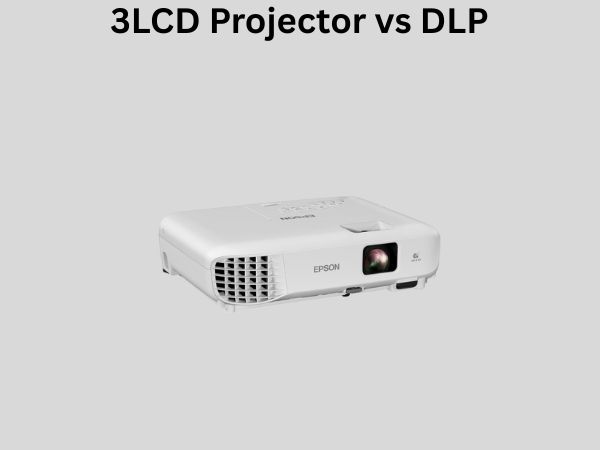
Both brands use different technologies to project images, and this is a big factor in picture quality. Epson primarily uses 3LCD technology. This means they use three separate chips for red, green, and blue light, which are then combined.
We found that 3LCD generally offers excellent color brightness and avoids the “rainbow effect” that some other technologies can exhibit. It’s a reliable way to get vivid and accurate colors. Many users appreciate this consistency for a wide range of content.
Sony’s Approach: SXRD and Advanced Processing
Sony often employs its proprietary SXRD (Silicon X-tal Reflective Display) technology, which is a type of LCoS (Liquid Crystal on Silicon). SXRD chips reflect light, and this design contributes to their reputation for sharp images and deep blacks. It’s a bit like using mirrors to create a very precise picture.
Sony also invests heavily in its image processing. They have sophisticated chips that analyze and enhance every frame of video. This can lead to smoother motion, better detail, and a more refined overall picture, especially for fast-paced action or sports.
Brightness vs. Contrast: Which is More Important for You?
This is where you really need to think about your setup. Ask yourself: “How dark is my viewing room?” If you have a dedicated home theater that you can make completely dark, Sony’s superior contrast might be the bigger advantage.
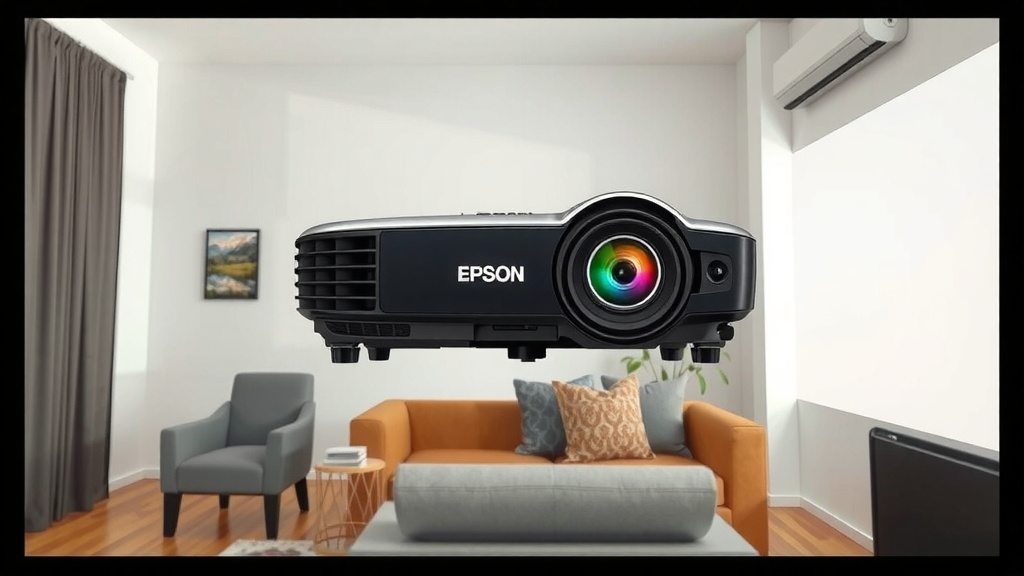
However, if your projector will live in a living room, basement, or even a classroom, where controlling ambient light is difficult, Epson’s higher brightness could be a lifesaver. It means you don’t have to compromise as much on picture quality when the lights are on. Many families find this flexibility a huge plus.
Color Accuracy and Gaming Performance
Color Fidelity: A Feast for Your Eyes
Both Epson and Sony generally offer excellent color accuracy out of the box, especially in their mid-to-high-end models. We found that for most viewers, the colors will look rich and lifelike on either brand.
Sony’s advanced processing can sometimes give them a slight edge in reproducing a wider color gamut and more subtle color shades. But for everyday viewing and watching movies, Epson’s 3LCD system is more than capable of delivering stunning visuals. It’s a matter of degrees, and both are impressive.
Gaming: Responsiveness Matters
For gamers, input lag is a critical factor. This is the delay between your controller input and what you see on screen. Lower input lag means a more responsive gaming experience.
We’ve seen that both brands offer models specifically tuned for gaming, with low input lag. Sony often excels with its faster response times due to SXRD technology. However, many of Epson’s newer models have also made significant strides in this area. Always check the input lag specs for specific models if gaming is a top priority.
Projector Type and Lamp Life
Lamp vs. Laser: Long-Term Considerations
Traditionally, projectors used lamps that needed replacement after a few thousand hours. Both Epson and Sony still offer lamp-based projectors, which are often more affordable upfront. However, lamp replacements can add up over time.
Increasingly, both brands are pushing laser light sources. Laser projectors offer much longer lifespans, often 20,000 hours or more, which means virtually maintenance-free operation for years. They also tend to reach full brightness much faster. While laser models are typically more expensive, many users find the long-term cost savings and convenience worth it.
Making Your Final Decision: A Quick Checklist
To help you narrow it down, consider these points:
- Your Room: Can you control ambient light completely, or will it be a factor?
- Primary Use: Will it be for movies, sports, gaming, or presentations?
- Budget: How much are you comfortable spending upfront and over time?
- Desired Picture Quality: Are deep blacks and cinematic contrast your main goal, or is overall brightness more important?
- Technology Preference: Does the idea of a long-lasting laser appeal to you?
By thinking through these questions, you’ll be well on your way to choosing the Epson or Sony projector that best suits your home entertainment needs.
“`Conclusion
Choosing between an Epson and a Sony projector comes down to your viewing environment and priorities. We’ve seen that Epson often wins for brightness, making it ideal for rooms with ambient light. If you crave that true cinematic experience with deep blacks and superior contrast, Sony is frequently the top performer. Consider your room’s light control and your budget. By weighing these factors, you can confidently select the projector that will best suit your home theater or entertainment space. Your next step is to look at specific models within your preferred brand that match your requirements.
Frequently Asked Questions
Which brand is better for gaming?
For gaming, both brands offer excellent options with low input lag. Sony’s SXRD technology often provides slightly faster response times, which can be beneficial for competitive gaming. However, many of Epson’s newer models have significantly improved their gaming performance, so it’s always best to check the specific model’s specs for input lag.
Are Epson projectors good for dark rooms?
Yes, Epson projectors can perform well in dark rooms, especially their higher-end models. While they might not always match Sony’s native contrast, their 3LCD technology delivers accurate colors and good black levels. If your primary concern is deep blacks and extreme contrast in a completely dark room, Sony might have a slight edge.
What is the lifespan of Epson vs. Sony projectors?
Both brands offer lamp-based and laser-based projectors. Lamp projectors typically last 2,000-5,000 hours and require bulb replacements. Laser projectors from both Epson and Sony generally offer much longer lifespans, often 20,000 hours or more, meaning virtually no maintenance for many years.
Is Sony’s advanced image processing worth the extra cost?
Sony’s advanced image processing can indeed make a noticeable difference, especially for movies and sports. It enhances detail, smooths motion, and can make the picture appear more refined. Whether it’s “worth it” depends on your budget and how critical you are about picture quality, but many users find it adds a premium feel to the viewing experience.
Can Epson projectors handle a lot of ambient light?
Absolutely. Epson is renowned for its high brightness (lumens), which is exactly what you need to combat ambient light. If you plan to watch movies or present in a living room, classroom, or any space where you can’t achieve complete darkness, Epson’s brightness is a major advantage.