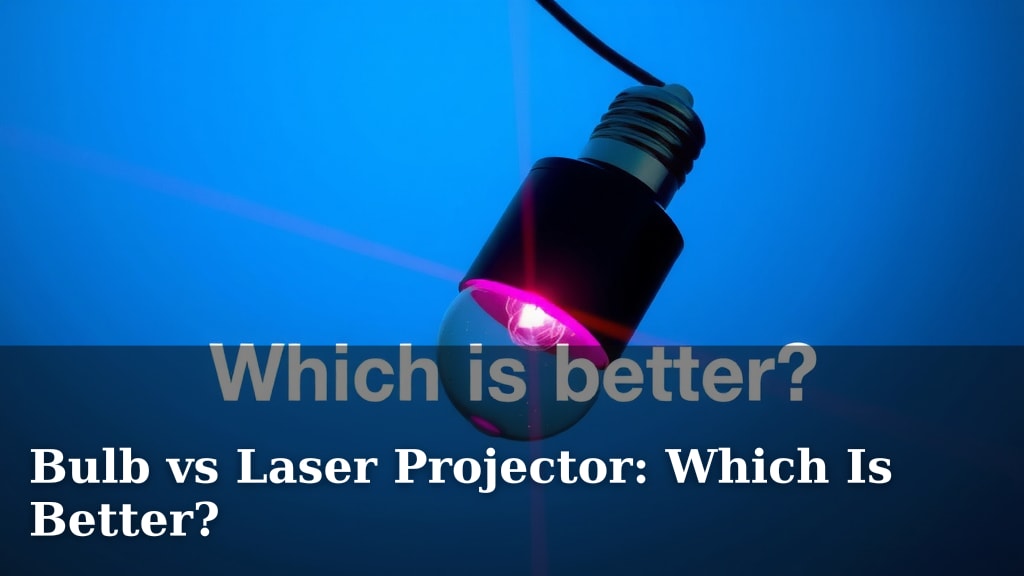
Bulb vs Laser Projector: Which Is Better?
When choosing between a bulb projector and a laser projector, the laser option is generally better for most users due to its longer lifespan and consistent brightness. While bulb projectors have a lower initial cost, their lamps fade quickly and require frequent, expensive replacements, making laser projectors a more cost-effective choice over time for their superior performance.
This comparison goes beyond just the light source. You’ll want to consider how each type impacts your viewing experience, from color accuracy to the overall maintenance required. Understanding these differences will help you make the best decision for your home theater or presentation needs, ensuring you get the most bang for your buck and the best picture quality possible.
- Laser projectors offer longer life and consistent brightness.
- Bulb projectors are cheaper upfront but cost more long-term.
- Consider maintenance and viewing experience for each type.
- Laser is generally the superior choice for most users.
Let’s dive into the specifics of bulb versus laser projectors to help you decide which one is the perfect fit for your setup.
Bulb vs. Laser Projectors: Making Your Choice
Deciding between a bulb and a laser projector can feel like a big decision. You want the best picture possible for movie nights or important presentations. Both types have their own pros and cons. We’ve broken down the key differences to help you see which one fits your needs best.
Understanding the Light Source: Bulb vs. Laser
How Traditional Bulb Projectors Work
Bulb projectors use a special lamp, often an UHP (Ultra High Pressure) lamp. This lamp creates light. A color wheel then spins to create the different colors you see on screen. Think of it like a very fast, colorful fan. These lamps are bright when new. But they start to fade over time. This is called lumen depreciation. It’s like a light bulb in your house getting dimmer as it ages. You’ll notice the picture quality dropping. This happens even if the projector still works.
The Technology Behind Laser Projectors
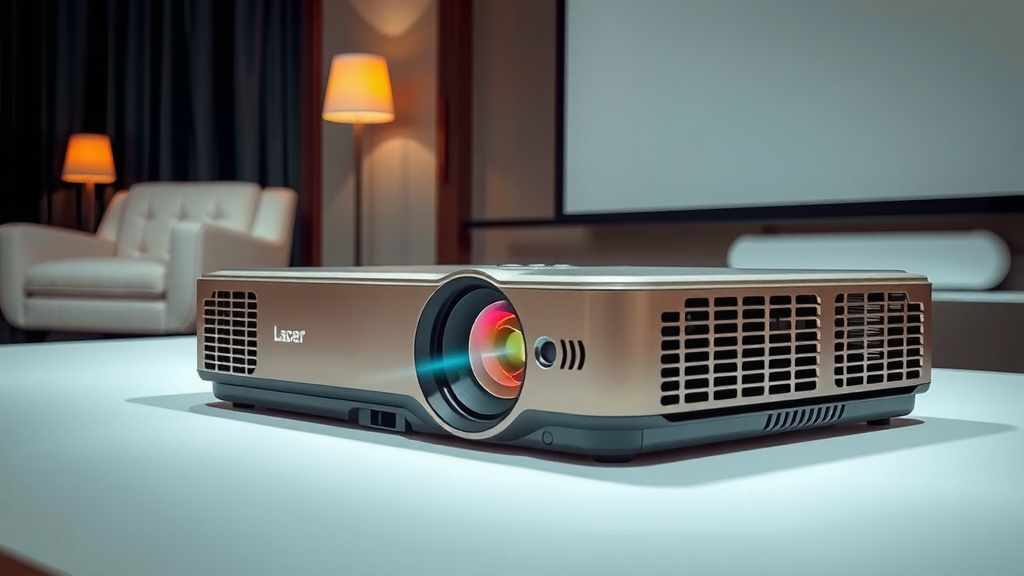
Laser projectors use solid-state laser diodes as their light source. These diodes are like tiny, powerful lasers. They produce a very bright and consistent light. They don’t use a spinning color wheel in the same way. This often results in more accurate colors. Plus, the brightness doesn’t fade much over their lifespan. It’s more like a modern LED light bulb. It stays bright for a long time. Many experts agree this consistent brightness is a key advantage (DisplayMate Technologies).
Lifespan and Longevity: A Major Difference
The Life of a Projector Lamp
Traditional bulb projectors have lamps with a limited lifespan. You can expect around 2,000 to 6,000 hours of use from a typical lamp. This sounds like a lot, but think about how much you’ll use it. Watching a movie might be 2 hours. A binge-watching session could be 6 hours. If you use your projector daily, that lamp could burn out in a year or two. Replacing the lamp is also a significant cost. It can cost anywhere from $100 to $400 or more, depending on the model.
The Extended Life of Laser Projectors
Laser projectors have a much longer lifespan. Most laser projectors offer around 20,000 to 30,000 hours of light source life. That’s potentially 20 years of use if you watch movies for 4 hours a day! This means you won’t have to worry about replacements for a very long time. This long life makes them a more sustainable choice. It also means less hassle for you. You set it up, and it just keeps going.
Brightness and Color Quality: What You See
Brightness Consistency Over Time
We already touched on this, but it’s worth repeating. Bulb projectors start bright, but that brightness gradually decreases. After a few hundred or thousand hours, you might notice colors look duller. You might need to adjust settings to compensate. Laser projectors, on the other hand, maintain their brightness much better. The light output stays strong and consistent throughout its life. This means your picture quality remains vibrant for years.
Color Accuracy and Gamut
Laser projectors often provide superior color accuracy. Because the laser light is more controlled, it can produce a wider range of colors (color gamut). This results in more vibrant and lifelike images. Reds look redder, blues look bluer. Many models can display more colors than traditional bulb projectors. This is especially important for enthusiasts who want the best possible picture. It makes watching movies and playing games a more immersive experience.
Performance and Features: Beyond the Light Source
Instant On/Off Capabilities
One neat feature of laser projectors is their ability to turn on and off instantly. You don’t have to wait for a lamp to warm up or cool down. It’s like flipping a light switch. Bulb projectors, however, need time to reach full brightness. They also need a cool-down period before you can safely turn them off. This instant-on feature makes laser projectors very convenient for presentations. You can start and stop them quickly without delays.
Energy Efficiency Considerations
Laser projectors tend to be more energy efficient than bulb projectors. Because the laser diodes produce light directly, they generate less wasted heat. This means they use less power to achieve the same level of brightness. While the initial cost of a laser projector might be higher, the energy savings over time can add up. Many research studies have shown that solid-state lighting, like lasers, offers better power consumption (U.S. Department of Energy).
Noise Levels
Projectors need cooling fans to prevent overheating. Bulb projectors, with their hot lamps, often require larger, noisier fans. Laser projectors generally run cooler. This means their fans don’t have to work as hard. Many laser models operate much more quietly than their bulb counterparts. This is a big plus for home theaters. You don’t want fan noise distracting from your movie. You want to be fully immersed in the sound and picture.
Cost Comparison: Upfront vs. Long-Term
Initial Purchase Price
Generally, bulb projectors have a lower upfront cost. You can find many capable bulb projectors for a few hundred dollars. This makes them attractive for those on a tighter budget. Laser projectors, with their advanced technology and longer lifespan, typically have a higher initial price tag. You might see them starting at $800 or $1,000 and going much higher. But remember, this is just the first part of the cost equation.
The True Cost of Ownership
When you consider the total cost of ownership, laser projectors often win out. Even though they cost more upfront, you save money on replacement lamps. If you plan to use your projector frequently over many years, the cost of multiple lamps for a bulb projector can easily exceed the difference in the initial purchase price. Many users find that the long-term savings and reduced maintenance of a laser projector make it a wiser investment. It’s like buying a quality tool that lasts versus a cheaper one that breaks.
Projector Type Checklist: Which Is Right for You?
Let’s quickly recap to help you decide. Think about your priorities:
- Budget: Do you need the absolute lowest entry price?
- Longevity: Do you want a projector that lasts for years without major part replacements?
- Picture Quality: Are consistent brightness and vibrant colors important to you?
- Maintenance: Do you want minimal fuss and fewer things to worry about?
- Usage: How often will you be using your projector?
- Convenience: Is instant on/off a desirable feature for your setup?
Making Your Final Decision
So, which is better, bulb or laser? For most people, a laser projector offers a superior experience in the long run. The extended lifespan, consistent brightness, better color accuracy, and lower maintenance make it a compelling choice. While bulb projectors have their place for very occasional use or extremely tight budgets, laser technology is clearly the future. You’ll likely find the overall performance and cost-effectiveness make it worth the investment for your home or office.
| Feature | Bulb Projector | Laser Projector |
|---|---|---|
| Light Source Lifespan | 2,000 – 6,000 hours | 20,000 – 30,000+ hours |
| Brightness Consistency | Decreases over time | Maintains brightness |
| Color Accuracy | Good, can be less vibrant | Excellent, wider gamut |
| Lamp Replacement Cost | High (per replacement) | None required |
| Initial Cost | Lower | Higher |
| Warm-up/Cool-down | Required | Instant on/off |
Conclusion
When weighing bulb versus laser projectors, the choice for most users leans towards laser. You’ve seen how laser projectors offer a dramatically longer lifespan, consistently bright images, and often superior color. While bulb projectors might seem cheaper upfront, the recurring cost and hassle of lamp replacements add up significantly over time. If you plan on using your projector regularly for movies, gaming, or presentations, the initial investment in a laser model proves more cost-effective and delivers a better viewing experience. Consider your usage patterns and budget, but for long-term satisfaction and performance, a laser projector is typically your best bet.
Frequently Asked Questions
How often do I really need to replace a bulb in a traditional projector?
For traditional bulb projectors, lamp life typically ranges from 2,000 to 6,000 hours. This means if you use your projector for about 4 hours a day, you might need a replacement lamp within one to four years. Regular use will shorten that lifespan considerably.
Are laser projectors worth the higher upfront cost?
Yes, for most users, laser projectors are worth the higher upfront cost. Their lifespan can be 10-15 times longer than bulb projectors, and they maintain brightness and color quality throughout. This means you save money and hassle on replacement lamps over the years, often making them more cost-effective in the long run.
Can a laser projector really last 20 years?
Many laser projectors are rated for 20,000 to 30,000 hours of light source life. If you were to use a projector for 4 hours every single day, that could indeed translate to around 14 to 20 years of use. This makes them an exceptionally durable and long-lasting investment.
Will I notice a difference in picture quality between bulb and laser?
You will likely notice a difference. Laser projectors generally offer more vibrant colors and better contrast ratios. Crucially, they maintain their brightness and color accuracy over their lifespan, unlike bulb projectors which gradually dim and fade.
Is maintenance really that different between the two types?
Yes, maintenance is a key difference. Bulb projectors require periodic lamp replacements, which can be costly and time-consuming. Laser projectors, on the other hand, have a solid-state light source that does not require replacement, meaning much less maintenance and fewer potential issues for you.