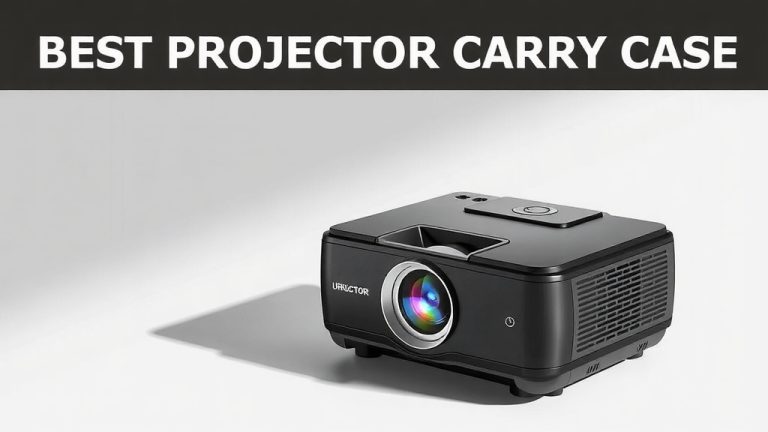
Best Epson Projector Carry Bags in November 2026
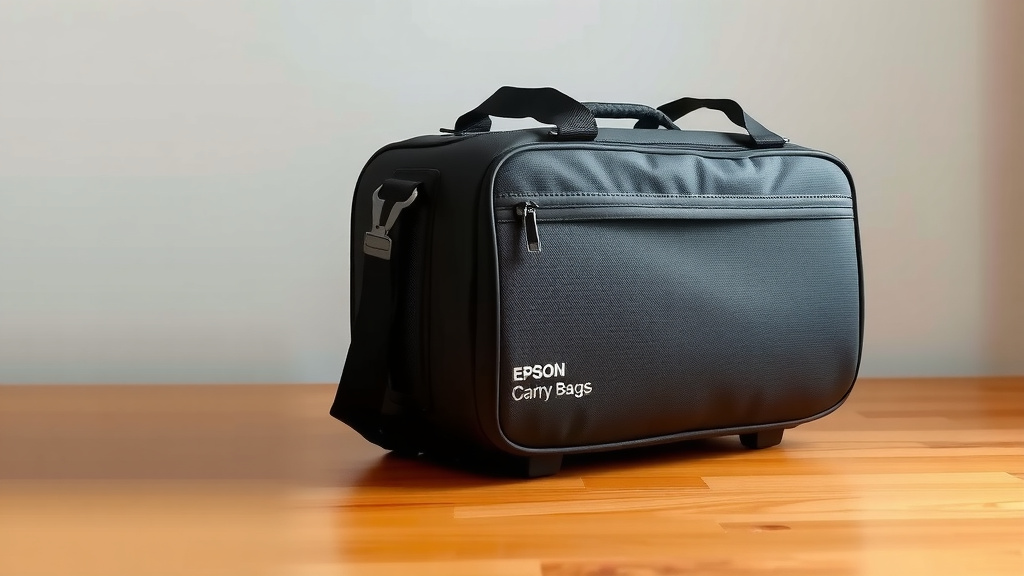
Your Epson projector carry bag is your projector’s best friend when you need to move it safely. Yes, a dedicated carry bag is the simplest way to protect your investment from bumps, dust, and scratches during transport. We found that a proper case does more than just hold the unit; it keeps the lens and internal parts secure so your image stays sharp.
Projectors are fragile, even though they look tough. A loose power cord or a stray HDMI cable can scratch the casing, and a hard knock can knock the lamp out of alignment. Using a padded projector travel case gives you peace of mind, whether you are heading to a client’s office or just moving it between rooms at home. You get built-in organization for cables and remotes, which saves you time setting up.
- Size matters: Always match the bag’s interior dimensions to your specific projector model.
- Padding is key: Look for thick foam walls (at least 10mm) for real drop protection.
- Hard vs. soft: Hard cases are for heavy travel; soft bags are lighter for daily commutes.
- Storage: Pick a bag with extra pockets for cables, remotes, and HDMI sticks.
- Comfort: A padded shoulder strap or roller wheels make a huge difference.
Below, we break down the different types of bags, what to check before you buy, and how to pack your projector so it stays flawless for years.
Finding the Right Epson Projector Carry Case for Your Gear
You already know a bag is a smart move. The next step is picking one that actually fits your model and your routine. We found that matching the bag to how you travel is just as important as matching it to the projector size. Our best projector bag guide compares top models for different travel styles.
Think about your week. Are you hauling this to a conference room daily? Or is this for a once-a-month church presentation? Your answers will point you toward the right style and padding level.
Hard Cases vs. Soft Bags: Which One Wins?
This is the first big fork in the road. Both options protect your gear, but they do it in different ways. Hard cases offer rigid armor. Soft bags give you flexibility and lighter weight.
For air travel or checked luggage, a hard case is the safer bet. It absorbs impact and resists crushing from heavy suitcases. For daily commutes in your car, a soft bag is usually easier to manage.
Many experts say that a soft bag with thick foam is fine for most local trips. Just make sure the foam is dense. Squishy padding that compresses easily won’t do much in a fall.
When Hard Shells Make Sense
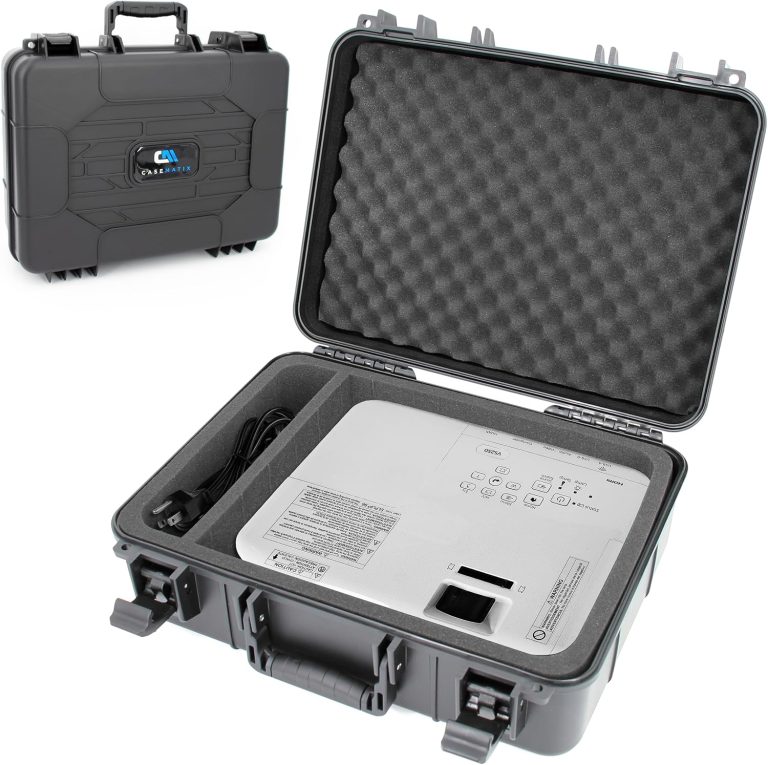
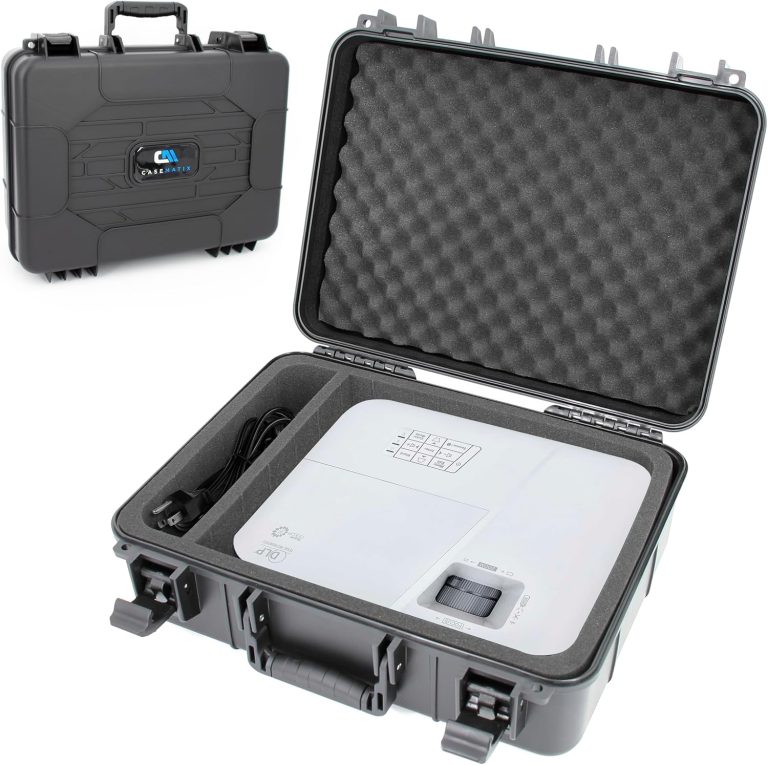
Hard cases are basically portable vaults. They protect against drops, stacked gear, and rough baggage handlers. If you fly often, this is your best friend.
We found that hard cases also seal out dust better than most soft bags. That keeps the lens and vents cleaner for longer. Look for a case with a pressure equalization valve if you fly. That helps with cabin pressure changes.
Soft Bags for Everyday Moves
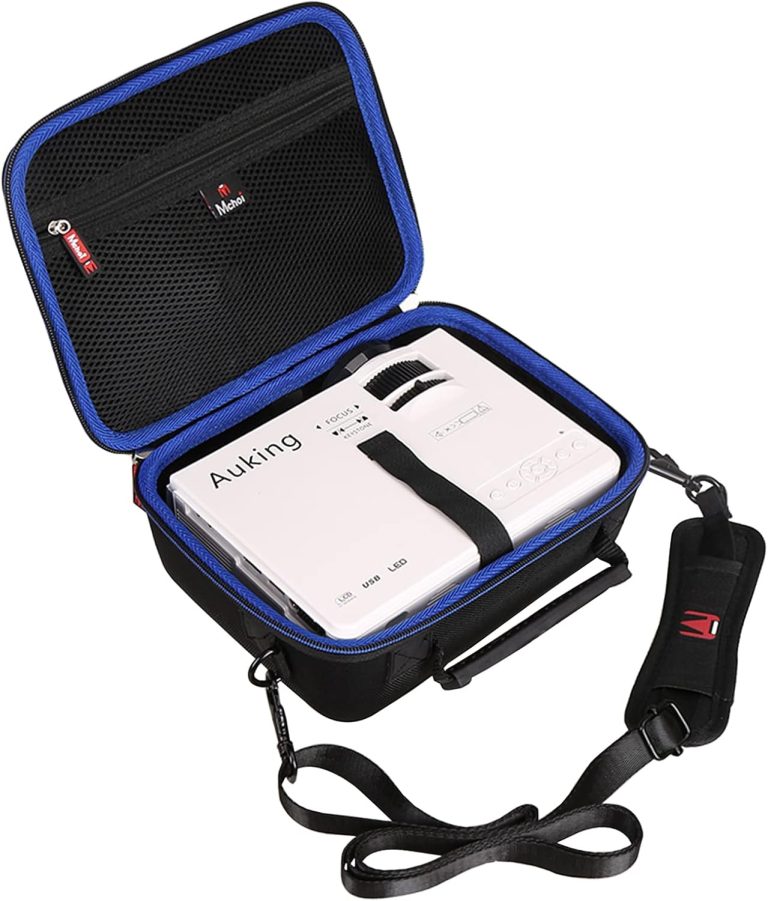
Soft bags are lighter and easier to stuff into a trunk. They often have more pockets for accessories. You can usually fold them up and store them flat when not in use.
Many projectors come with a basic soft bag in the box. But those are often thin. Upgrading to a padded third-party bag gives you better corner protection and sturdier zippers. It’s worth the extra few bucks.
Key Features to Check Before You Buy a Projector Travel Bag
Not all bags are created equal. We found that a few specific features separate a good bag from a frustrating one. Pay attention to these details before you hit “add to cart.”
The wrong bag can be a daily annoyance. The right one makes you wonder how you ever managed without it. Here’s what to look for.
Interior Dimensions and Custom Inserts
Your projector needs to fit snugly. If it slides around inside, the bag isn’t doing its job. Check the interior length, width, and height against your projector’s specs.
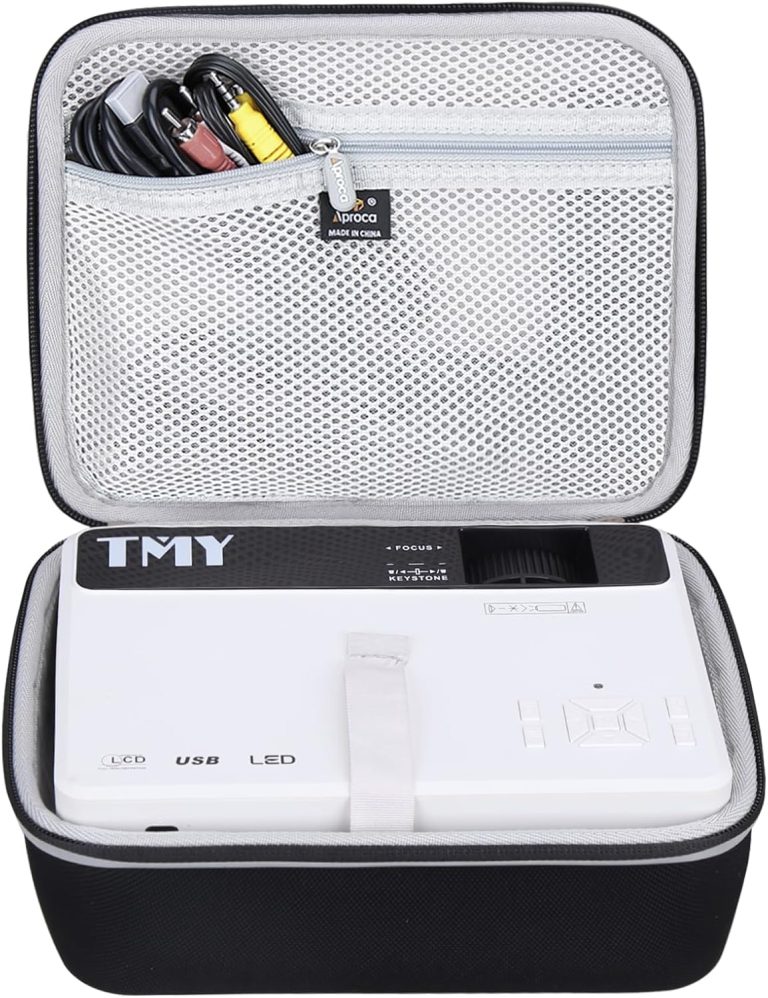
Look for bags with adjustable foam dividers or removable inserts. These let you create a custom cradle for your specific model. That way, the unit stays locked in place even when you’re walking briskly.
Some bags have a dedicated slot for the lens. That’s a nice bonus. It keeps pressure off the glass and reduces the risk of scratches.
Padding Thickness and Material Quality
You want at least 10mm of foam on all sides. Thicker is better, especially at the corners. Corner drops are the most common way projectors get damaged.
Check the outer fabric too. Nylon and polyester are durable and resist water. Avoid thin canvas bags that feel flimsy. A good bag should feel rigid when you squeeze it.
Many guidelines point to closed-cell foam as the gold standard for shock absorption. It doesn’t flatten out over time like cheap sponge foam does.
Pockets and Organization for Cables and Remotes
Your projector bag needs to carry more than just the projector. You’ve got power cords, HDMI cables, remotes, and maybe a spare bulb. Dedicated pockets keep these from scratching the unit.
Look for a bag with at least two external pockets. One should be large enough for a power brick. The other can be smaller for the remote and USB drives.
Internal mesh pockets are great too. They let you see what’s inside without digging around. We found that bags with elastic loops keep cables from tangling into a mess.
Sizing Guide: Matching the Bag to Your Epson Model
Epson makes a wide range of projectors, from tiny portable pico units to hefty installation models. The bag you need depends entirely on which one you own. Let’s break it down by category.
You can find your projector’s exact dimensions in the manual or on the Epson website. Write them down before you shop. That simple step prevents a lot of frustration.
| Projector Type | Typical Weight | Recommended Bag Style |
|---|---|---|
| Mini / Pico projectors | 1-3 lbs | Small soft pouch or padded sleeve |
| Portable / Business projectors | 4-7 lbs | Medium soft bag with 10mm+ padding |
| Home theater / Installation units | 8-15 lbs | Large hard case with wheels |
| Pro installation / Large venue | 15+ lbs | Custom padded flight case |
Measuring Your Projector the Right Way
Don’t just guess the size. Grab a tape measure and get the exact dimensions. Measure the widest point, the deepest point, and the tallest point. Add an inch to each measurement for padding allowance.
If your projector has protruding feet or a lens that sticks out, measure from those edges. We found that people often forget about the lens bump. That’s how a projector ends up pressing against the side of the bag.
Weight Capacity and Strap Comfort
A projector bag that’s too heavy when loaded is a pain. Check the weight capacity of the bag itself. Most soft bags handle up to 15 pounds comfortably. Hard cases with wheels go higher.
Try to find a bag with a padded shoulder strap. A thin strap digs into your shoulder after a few minutes. A wide, cushioned strap distributes the weight much better.
Some bags have both a top handle and a shoulder strap. That versatility is handy. You can grab it quickly from the car, then sling it over your shoulder for the long walk into the office.
How to Pack Your Epson Projector for Maximum Protection
You bought the bag. Now you need to pack it right. Believe it or not, there’s a wrong way to do this. We found that proper packing extends the life of both the bag and the projector.
It takes about 60 extra seconds. That’s nothing compared to the cost of a repair or replacement. Here’s the step-by-step routine that works well.
Step-by-Step Packing Routine
First, wrap the lens cap if you have one. If not, consider a small microfiber cloth over the lens. This prevents dust and scratches during transport.
Next, place the projector in the bag with the lens facing upward. This is important. The lens is the most fragile part, and gravity works against it if it’s face down.
Then, wrap your power cord in a small coil. Use a velcro strap or a twist tie to keep it bundled. Loose cords tangle and can scratch the projector casing.
Finally, place the cord and remote in the side pockets. Don’t put them on top of the projector. The pressure can crack the casing over time.
What Not to Put in the Bag
Keep liquids out. No water bottles, coffee cups, or hand sanitizer bottles. A leak can ruin your projector instantly. Electronics and water don’t mix.
Avoid putting sharp objects in the same pocket as the projector. Pens, scissors, and screwdrivers can puncture the bag and damage the unit. Use a separate tool case if you carry those.
Don’t overstuff the bag. If you have to force the zipper closed, the bag is too small. Overstuffing puts pressure on the projector and can break the zipper over time.
Maintenance Tips for Your Projector Bag
Your bag takes a beating. It gets tossed in trunks, shoved under seats, and dragged through airports. A little care goes a long way. We found that a clean bag lasts years longer.
Most soft bags can be wiped down with a damp cloth. Use mild soap if needed. Avoid putting them in the washing machine unless the label says it’s safe.
Check the zippers regularly. A stuck zipper is a sign of debris in the track. Use a soft brush to clean it out. A little zipper lubricant can help if it’s stiff.
Storing the Bag When Not in Use
When your bag is empty, don’t just shove it in a closet. Keep it in a dry place. Moisture can cause mold on the fabric and foam.
Store it with the zipper partially open. This lets air circulate and prevents stale odors. If you have a hard case, keep the latches open so the seals don’t compress.
Quick Checklist Before You Click “Buy”
You’re almost ready to make a purchase. Use this quick checklist to make sure you haven’t missed anything. Run through these points and you’ll pick the right bag the first time.
- Confirm the interior dimensions match your projector model with at least 1 inch of clearance.
- Check the padding thickness — aim for 10mm or more on all sides.
- Decide between a hard case (heavy travel) or soft bag (daily use).
- Look for at least two external pockets for cables and accessories.
- Verify the shoulder strap is padded and adjustable for comfort.
- Make sure the zippers are sturdy and the seams are double-stitched.
Taking a few minutes to check these details saves you from buyer’s remorse. A good projector carry bag is an investment in your gear’s longevity. It’s a small price to pay for peace of mind.
Your projector is a workhorse. It delivers presentations, movies, and game nights. Treat it well, and it will keep delivering for years. A quality bag is the simplest way to show it some love.
Conclusion
Your Epson projector is a serious investment. A quality carry bag is the simplest way to protect it from the bumps and scrapes of daily life. You now know what to look for, from padding thickness to pocket placement.
Match the bag to your travel habits. Pick hard-sided armor for flights and a padded soft bag for local trips. Always measure your projector first, and pack it lens-up with cables tucked away in side pockets.
Take the quick checklist from above and find a bag that fits your model. Your projector will thank you with years of crisp, clear images. Grab a tape measure and start shopping today.
Frequently Asked Questions
Can I use a generic laptop bag for my Epson projector?
You can, but we don’t recommend it. Laptop bags are shaped for flat devices, not boxy projectors. The padding is usually too thin, and there’s rarely a dedicated lens pocket. A proper projector bag gives you the deep foam walls and snug fit your gear needs.
How do I clean a scuff mark off my projector case?
Start with a soft, damp microfiber cloth and a drop of mild dish soap. Gently rub the scuff in a circular motion. For tougher marks on hard cases, a magic eraser works well. Avoid harsh solvents that can damage the outer fabric or plastic shell.
Is it safe to check my projector in a hard case as luggage?
Yes, a hard case is your best option for checked luggage. Look for one with thick foam inserts and a pressure equalization valve. That valve stops the case from warping during cabin pressure changes. Wrap the projector in a soft cloth for an extra layer of protection.
My projector came with a soft pouch from Epson. Is that enough?
The included pouch is better than nothing, but it’s usually just a dust cover. It has very little padding for real drops or impacts. We recommend upgrading to a bag with at least 10mm of foam if you travel regularly. Your projector will be much safer in the long run.
Should I remove the lens cap when storing the projector in the bag?
Leave the lens cap on for storage. It keeps dust and debris off the glass. Just make sure the cap is clean before you put it on. A tiny grain of sand trapped under the cap can scratch the lens when you snap it into place.