80 Inch TV vs Projector: Which Is the Better Buy
For your home theater setup, an 80-inch TV often offers a brighter picture and easier setup than a projector. While projectors can provide a larger screen size, they typically require a darkened room and more complex installation. So, if you want a convenient big-screen experience without the fuss, a large TV is likely your best bet.
Choosing between an 80-inch TV and a projector isn’t just about size. You’ll also want to think about room lighting, setup effort, and the overall picture quality you desire. Many people find that the simplicity of a TV wins out for everyday viewing.
TL;DR:
- TVs are usually brighter and easier to set up.
- Projectors need dark rooms and can be more complex.
- For most people, an 80-inch TV is the simpler choice.
- Consider your room’s lighting and your setup preferences.
Let’s dive into the details to help you make the best choice for your home entertainment.
TV vs. Projector: Deciding on Your Big Screen Solution
So, you’re dreaming of a massive screen for movie nights or game days. That’s fantastic! You’re probably wondering if a giant TV or a home projector is the way to go. We get it; it’s a big decision, literally. Let’s break down what each option brings to your living room, and by the end, you’ll have a clearer picture (pun intended!) of which one fits your life best.
Screen Size and Immersion
The most obvious difference is screen size. Projectors are the undisputed champions here. You can easily get a screen that’s 100 inches, 120 inches, or even larger. This is where projectors really shine, offering a truly cinematic experience. Think of it like this: a projector is like having a movie theater screen in your home. Many projectors can project images up to 300 inches diagonally, which is massive!
An 80-inch TV is certainly large, and for most living rooms, it’s plenty big. You get a beautiful, clear image without needing a huge amount of space. However, if your goal is the absolute largest screen possible, a projector is your clear winner. You can achieve sizes that are simply impossible with a traditional television.
Picture Quality: Brightness and Contrast
When we talk about picture quality, a few things matter: brightness, contrast, and color. For brightness, TVs generally have a huge advantage. An 80-inch TV can produce a wonderfully bright image, even in a room with ambient light. This makes them great for daytime viewing or in spaces that aren’t dedicated home theaters. We found that many modern TVs boast incredible brightness levels, measured in nits.
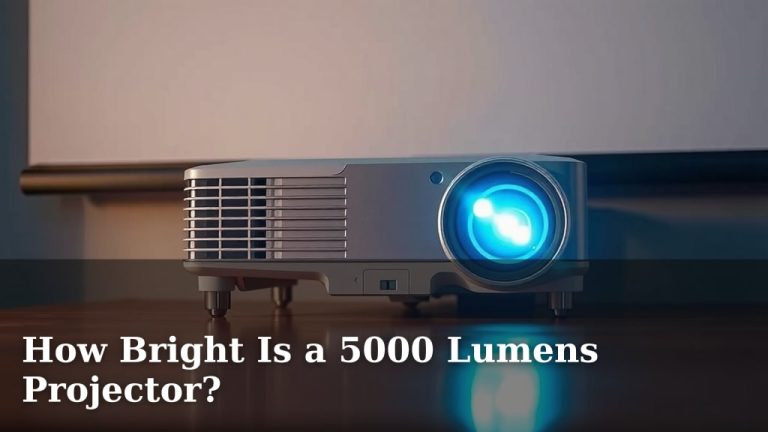
Projectors, on the other hand, struggle with ambient light. Their brightness is measured in lumens, and while some projectors have very high lumen counts, they still perform best in a **darkened room**. If you have windows with natural light or lamps on, the image can appear washed out and dull. For that deep, rich contrast and vibrant colors projectors are known for, you really need to control the lighting.
We found that while a TV offers a consistently bright and punchy image, a projector’s quality is much more dependent on your viewing environment. Many experts suggest that for the best projector experience, you should treat your room like a real cinema, minimizing any light sources.
Setup and Installation Hassles
Let’s be honest, setting up a projector can be more involved than setting up a TV. With a TV, it’s usually plug-and-play. You set it on a stand or mount it on the wall, connect your devices, and you’re good to go. It’s pretty straightforward.
A projector requires a bit more planning. You need to consider where you’ll place it. Will it sit on a shelf, or do you need to mount it on the ceiling? Then there’s the screen itself. You might need to install a wall-mounted screen or a pull-down one. You also need to think about cable management to hide those unsightly wires. It can become quite the DIY project.
We found that for many people, the **simplicity of a TV setup** is a major selling point. You unpack it, turn it on, and start watching. No complicated alignments, no worrying about projector throw distances, and no screen installation. It’s designed for immediate enjoyment.
Cost Considerations
This is where things can get interesting. You can find a very good 80-inch TV for a few thousand dollars. Projectors and their screens can vary wildly in price. You can get a budget projector for a few hundred dollars, but the image quality might not be great, and it likely won’t be very bright.
To get a projector that rivals the picture quality of a good TV, you’re often looking at a similar price point or even more, especially when you factor in the cost of a quality screen. A high-end 4K projector can easily cost as much as, or more than, a large 4K TV. So, while projectors *can* offer a larger screen for less money, achieving a truly premium experience might not always be cheaper than buying a big TV.
We found that if your budget is tight, a moderately sized TV might offer better overall picture quality than a similarly priced projector setup. It often boils down to what features you prioritize. Do you want the largest screen possible, or a brighter, easier-to-manage picture?
Room Lighting and Environment
As we touched on earlier, your room environment is a critical factor. If you have a dedicated media room that you can completely black out, a projector will likely give you the best bang for your buck in terms of sheer screen size. Think of it as your personal cinema cave.
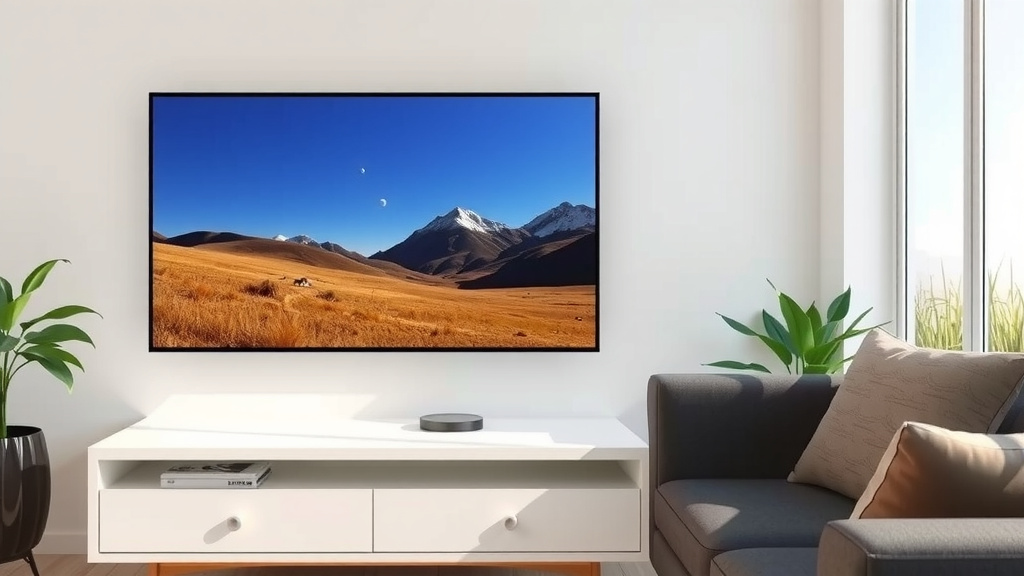
However, most people don’t have a perfectly controllable room. If your living room gets a lot of natural light or you enjoy watching TV with the lights on, an 80-inch TV will likely provide a far superior viewing experience. You won’t be constantly battling glare or dim images. Many experts suggest that for everyday viewing in a typical home environment, a TV is often the more practical choice due to its **superior performance in ambient light**.
Sound Systems and Integration
Both TVs and projectors can be integrated into your existing sound system. Most modern TVs have decent built-in speakers, but for a truly immersive experience, you’ll want external speakers or a soundbar. This is true for both options.
Projectors typically don’t have built-in speakers, or if they do, they are often quite basic. This means you’ll almost certainly need a separate sound system. This isn’t necessarily a bad thing; it gives you more flexibility to choose the audio setup you want. But it’s another component to consider and potentially another cost to factor in.
Durability and Lifespan
When it comes to durability, TVs are generally quite robust. They are designed to be used daily without much fuss. The lifespan of modern LED TVs is typically very long, often exceeding 60,000 hours of use. This means if you watch 5 hours of TV a day, it could last over 30 years!
Projectors, on the other hand, have consumable parts, primarily the lamp. Projector lamps have a limited lifespan, usually between 2,000 and 10,000 hours, depending on the model and usage. While replacement lamps are available, they are an ongoing cost. Newer laser projectors have much longer lifespans, often comparable to TVs, but they also come with a higher price tag. We found that the **long-term maintenance** of a projector can be a consideration for some buyers.
The Checklist: Which Is Right for You?
To help you decide, let’s quickly recap what matters most:
- Do you want the absolute largest screen possible?
- Is your viewing room very dark or can it be made dark?
- Do you prefer a simple, plug-and-play setup?
- How much ambient light does your room typically have?
- What’s your budget for the display and any accessories (like a screen)?
- Are you okay with potential future costs like lamp replacements?
Making Your Final Choice
We’ve looked at screen size, picture quality, setup, cost, and more. Ultimately, the “better buy” depends on your specific needs and preferences. If you crave an enormous, cinematic picture and can control your room’s lighting, a projector could be an exciting choice. However, for most households seeking a bright, easy-to-set-up, and consistently excellent viewing experience, an 80-inch TV is often the more practical and satisfying option.
Conclusion
So, you’ve weighed the options for your big-screen dream. We found that while projectors offer unparalleled screen size and a true cinema feel, they demand a controlled environment and a more involved setup. An 80-inch TV, on the other hand, provides a brilliantly bright picture with incredible ease, making it a fantastic choice for most living rooms. For everyday viewing, convenience, and consistent performance in various lighting conditions, you’ll likely find an 80-inch TV to be the superior and more practical purchase. Now, take a look at your room, consider your viewing habits, and make the choice that best fits your home entertainment goals!
Frequently Asked Questions
Can a projector replace an 80-inch TV for gaming?
Yes, a projector can be great for gaming, especially if you want a massive screen. We found that for the best gaming experience, you’ll want a projector with a low input lag and a fast refresh rate. Ensure your room is dark to get the brightest, most responsive image possible.
How much light can an 80-inch TV handle compared to a projector?
An 80-inch TV excels in rooms with ambient light. We found they are much brighter than most projectors, meaning you can watch comfortably with lights on or during the day. Projectors perform best in a dark room; any light can wash out the image.
Is a projector setup more expensive than an 80-inch TV?
It can be. While budget projectors exist, a quality 4K projector and screen might cost as much as or more than a comparable 80-inch TV. We found that when factoring in a good screen and potentially a sound system, the costs can quickly add up for projectors.
Do I need a special screen for a projector?
While you can project onto a plain white wall, we found that a dedicated projector screen will give you the best picture quality. Screens are designed to optimize brightness, contrast, and color accuracy, offering a much better viewing experience than a standard wall.
What’s the typical lifespan of a projector lamp versus a TV?
Projector lamps usually last between 2,000 to 10,000 hours and will eventually need replacement, adding to long-term costs. We found that modern LED TVs have lifespans of 60,000 hours or more, meaning they typically last much longer without parts needing replacement.